Home
Class 12
CHEMISTRY
Which one of the following compounds sho...

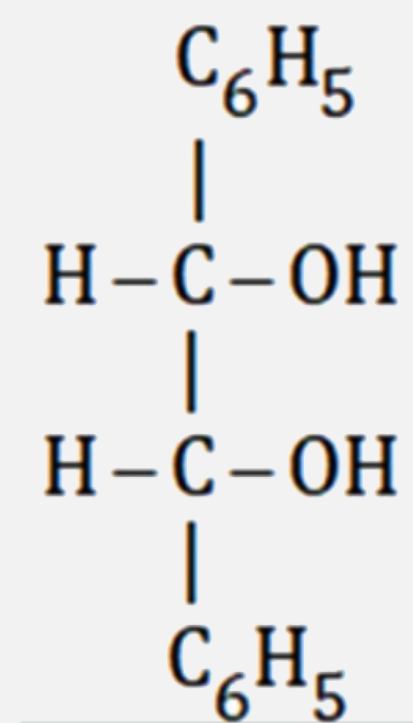
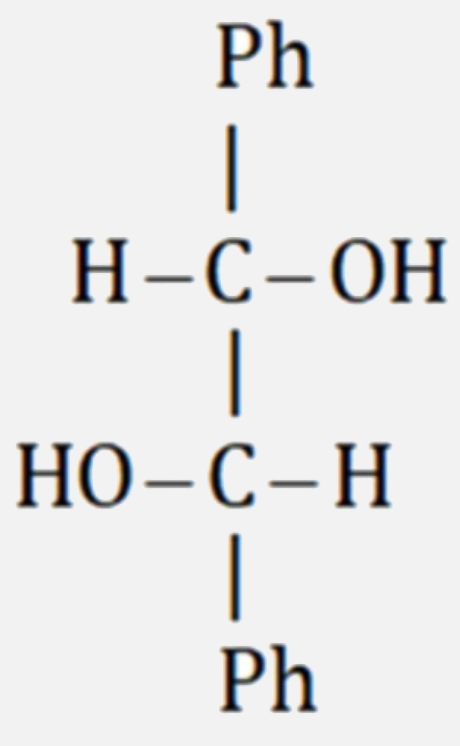
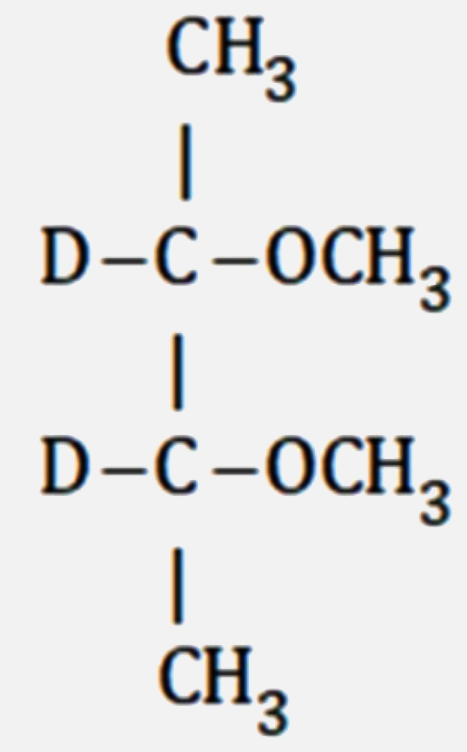
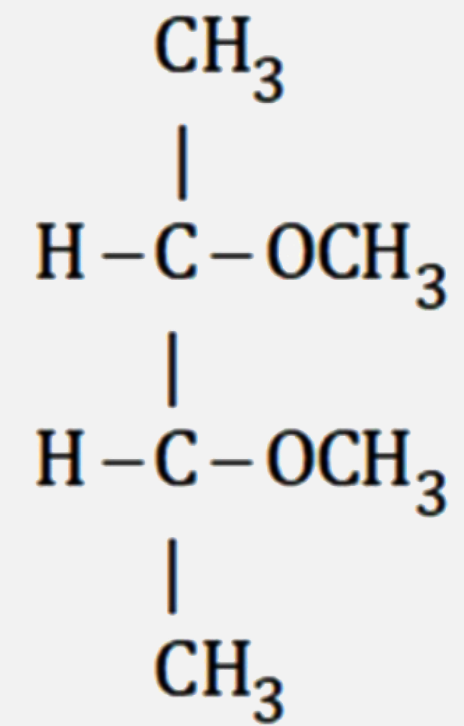
Which one of the following compounds show optical activity

A

B

C

D

Text Solution

AI Generated Solution

The correct Answer is:

To determine which compound shows optical activity, we will analyze each compound based on the presence or absence of a plane of symmetry (POS). A compound is optically active if it does not have a plane of symmetry, meaning it cannot be superimposed on its mirror image. ### Step-by-Step Solution: 1. **Identify the Compounds**: We have four compounds labeled A, B, C, and D. We need to analyze each one for optical activity. 2. **Analyze Compound A**: - Draw a plane of symmetry through the compound. - Check if the compound can be divided into two identical halves. - **Conclusion**: Since a plane of symmetry is present, Compound A is optically inactive. 3. **Analyze Compound B**: - Draw a plane of symmetry through the compound. - Check if the compound can be divided into two identical halves. - **Conclusion**: There is no plane of symmetry present, meaning Compound B is optically active. 4. **Analyze Compound C**: - Draw a plane of symmetry through the compound. - Check if the compound can be divided into two identical halves. - **Conclusion**: A plane of symmetry is present, so Compound C is optically inactive. 5. **Analyze Compound D**: - Draw a plane of symmetry through the compound. - Check if the compound can be divided into two identical halves. - **Conclusion**: A plane of symmetry is present, indicating that Compound D is optically inactive. 6. **Final Conclusion**: Among the four compounds, only Compound B is optically active as it does not have a plane of symmetry. ### Answer: The compound that shows optical activity is **Compound B**.
Promotional Banner

Similar Questions

Explore conceptually related problems

Which of the following compounds is optically active ?

Which of the following compounds are optically active ?

Which of the following compound may be optical active ?

Which of the following compound show optical isomerism?

Which of the following compound show optical isomerism?
