Home
Class 12
CHEMISTRY
Which of the following halides undergo E...

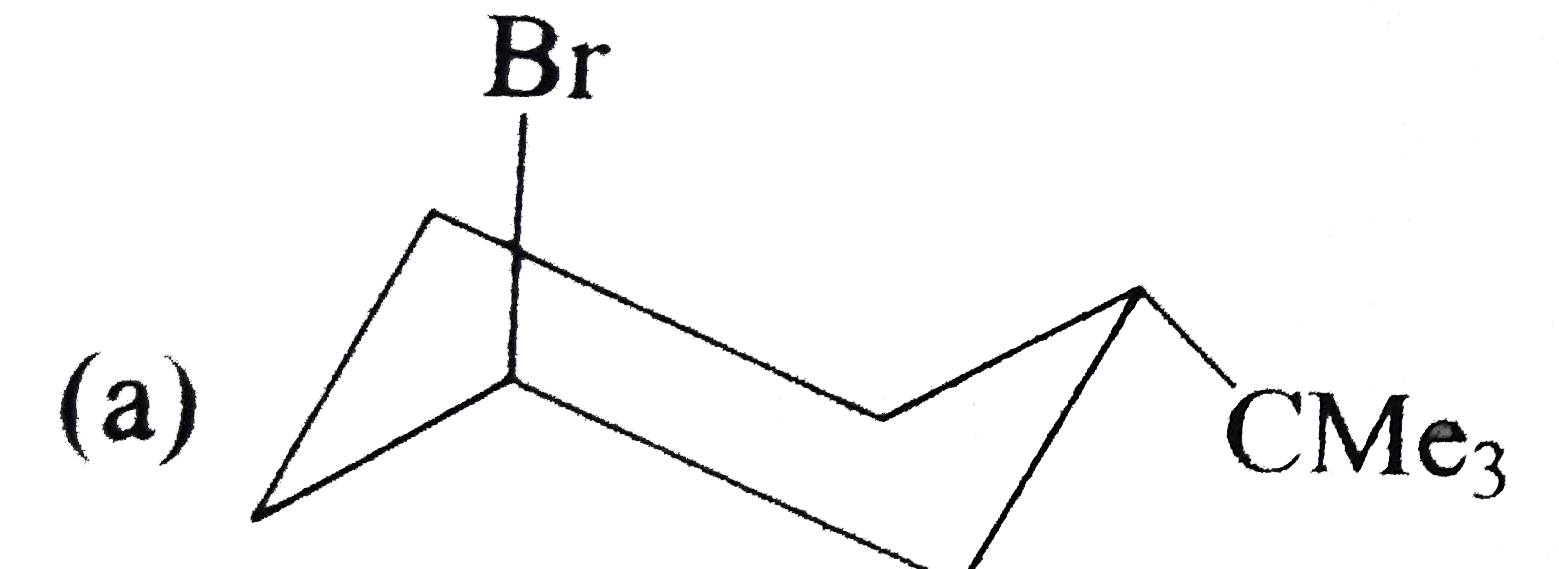
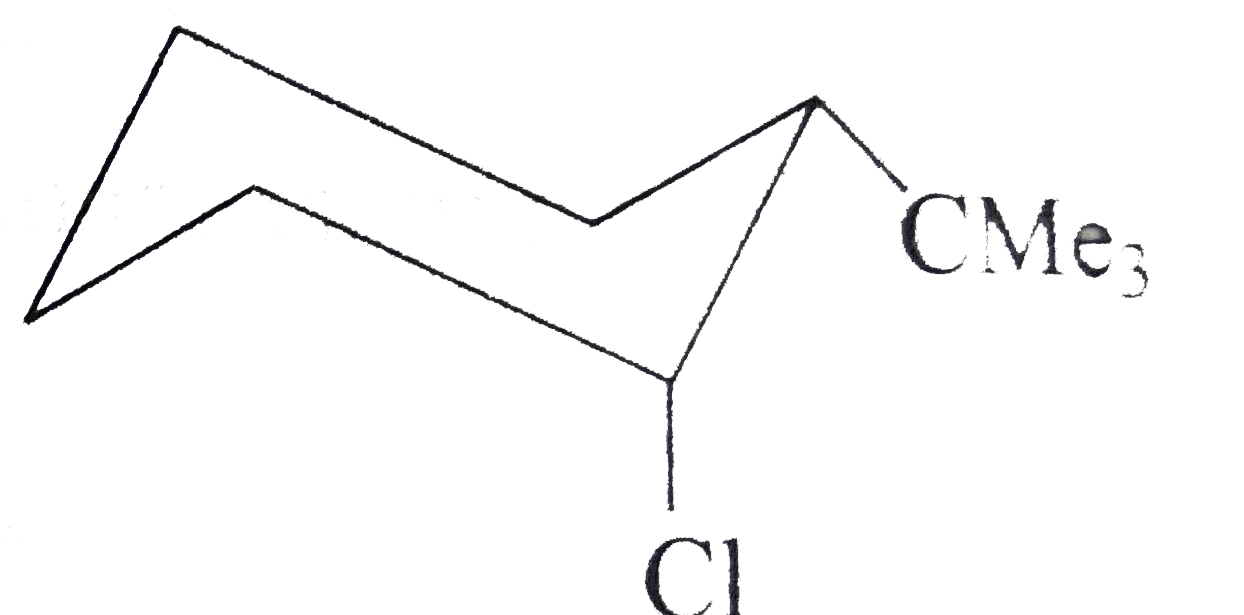
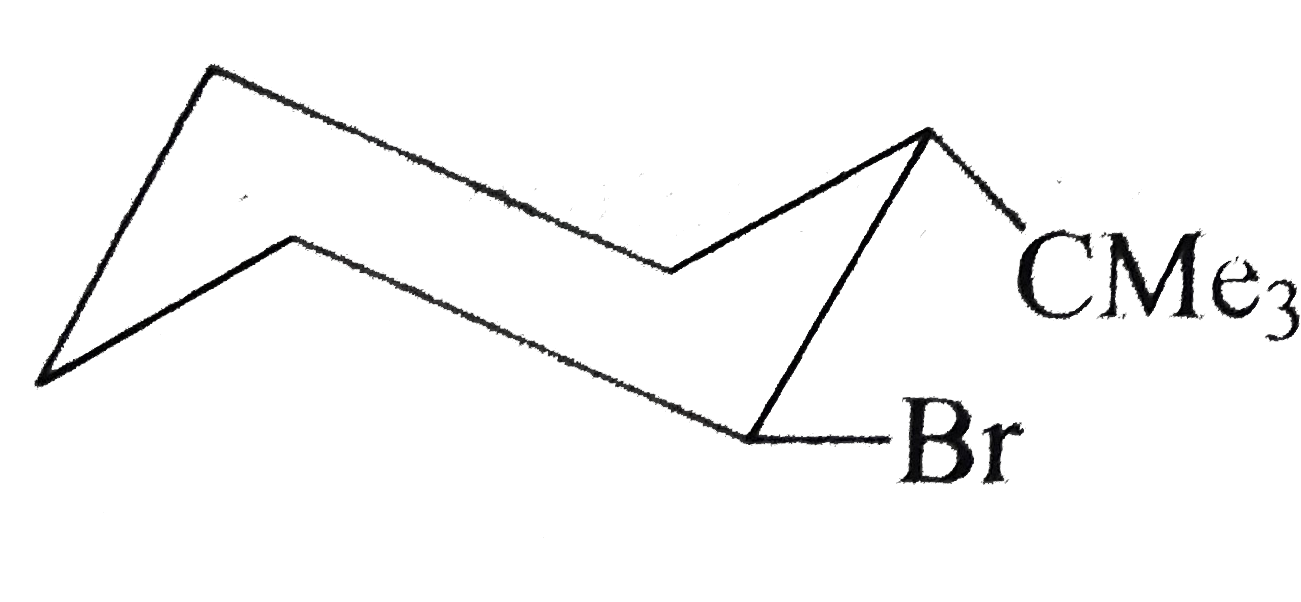
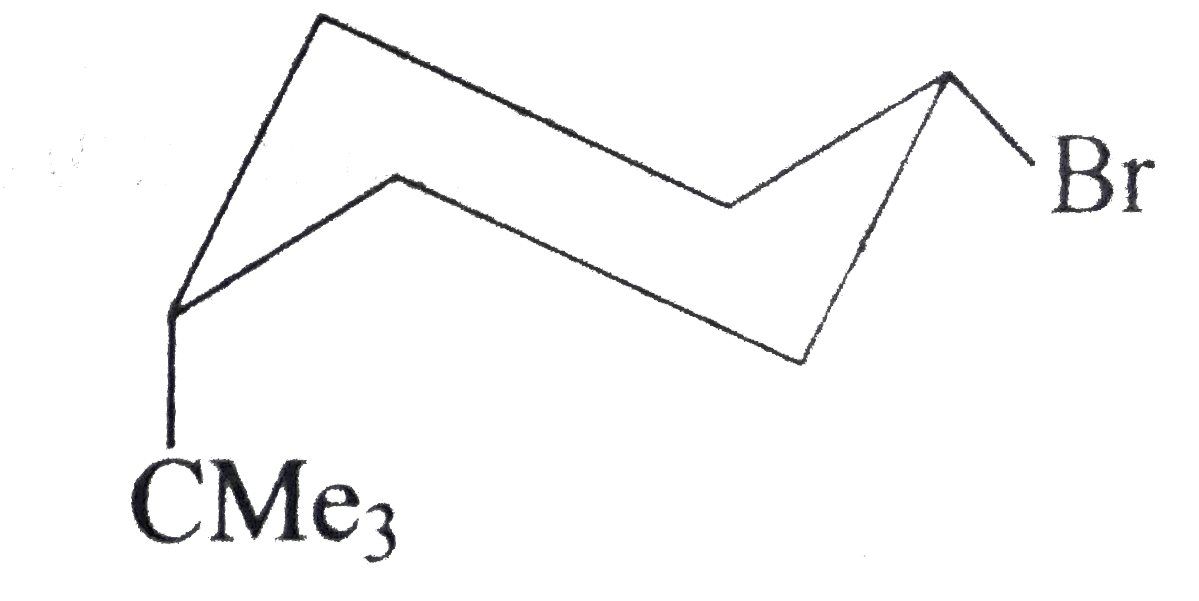
Which of the following halides undergo `E_(2)` elimination?

A

B

C

D

Text Solution

AI Generated Solution

The correct Answer is:

To determine which of the given halides undergo E2 elimination, we need to understand the mechanism of E2 elimination and the structural requirements for it to occur. ### Step-by-Step Solution: 1. **Understanding E2 Elimination**: - E2 elimination is a bimolecular elimination reaction where a leaving group (halide) and a hydrogen atom are removed from adjacent carbon atoms, resulting in the formation of a double bond. - The elimination occurs in an anti-coplanar fashion, meaning that the leaving group and the hydrogen must be on opposite sides (anti) of the molecule. 2. **Identifying the Halides**: - We need to analyze the structures of the halides provided in the question. Typically, these will be alkyl halides with halogens like Cl, Br, or I attached to them. 3. **Analyzing Each Halide**: - For each halide, identify the alpha (the carbon attached to the halide) and beta (the adjacent carbon) positions. - Check if there is a hydrogen atom on the beta carbon that is in the anti position to the halide. 4. **Example Analysis**: - **Halide 1 (e.g., R-Br)**: - If there is a hydrogen on the beta carbon that is anti to the bromine (Br), then E2 elimination can occur. - **Halide 2 (e.g., R-Cl)**: - Similarly, check if there is a hydrogen on the beta carbon that is anti to the chlorine (Cl). - **Halide 3 and 4**: - If the hydrogens on the beta carbon are not in the anti position to the halide, E2 elimination cannot occur. 5. **Conclusion**: - After analyzing all the halides, we conclude which ones can undergo E2 elimination based on the presence of anti hydrogens relative to the leaving group. ### Final Answer: - Based on the analysis, the halides that can undergo E2 elimination are **Halide 1 and Halide 2**.
Promotional Banner

Topper's Solved these Questions

  • HALIDES

    HIMANSHU PANDEY|Exercise More Than One Correct (Q.26 To Q.50)|25 Videos
  • HALIDES

    HIMANSHU PANDEY|Exercise Linked Comprehension Type (Q.1 To Q.25)|25 Videos
  • HALIDES

    HIMANSHU PANDEY|Exercise Level 2 (Q.151 To Q.165)|15 Videos
  • GENERAL ORGANIC CHEMISTRY

    HIMANSHU PANDEY|Exercise Subjective Type Problems|19 Videos
  • ISOMERISM

    HIMANSHU PANDEY|Exercise Subjective Type Problems|11 Videos

Similar Questions

Explore conceptually related problems

Which of the following halide is 2 ? .

Which of the following most readily undergoes E_(2) elimination with a strong base?

Which of the following cannot undergo E_(2) reaction ?

Which of the following reactions will undergo an elimination reaction and an alkene will be formed in the product ?

Elimination E2

Which of the following will undergo fastest elimination with alcoholic KOH ?

Aryl halide undergo :

Which of the following alkyl halides will undergo S_(N)1 reaction most redily ?

HIMANSHU PANDEY-HALIDES-More Than One Correct (Q.1 To Q.25)
  1. Find out correct statements about Grignard reagent :

    Text Solution

    |

  2. R-X+Mgoverset(ether)rarrR-MgXoverset(CH(3)OH)rarr n-butane What can ...

    Text Solution

    |

  3. Point out the following incorrect Grignard synthesis :

    Text Solution

    |

  4. Complete the following reaction

    Text Solution

    |

  5. Which of the following reactions are correct?

    Text Solution

    |

  6. Which of the following compounds give alcohol on reaction with RMgX?

    Text Solution

    |

  7. Which of the following ketone does not react with CH(3)MgBr?

    Text Solution

    |

  8. R-overset(O)overset(||)C-Cl+ZrarrR-overset(O)overset(||)C-R The reag...

    Text Solution

    |

  9. Match the following columns

    Text Solution

    |

  10. Match the following columns

    Text Solution

    |

  11. Choose the correct among the following statements :

    Text Solution

    |

  12. In which product formation takes place according to Hofmann's rule ?

    Text Solution

    |

  13. Consider the following statements and pick up the correct statements :

    Text Solution

    |

  14. Which of the following compounds will give syn-elimination reaction ?

    Text Solution

    |

  15. Which of the following compounds will not give S(N^(2)) reaction?

    Text Solution

    |

  16. Which of the following compounds will give S(N^(1)) reaction?

    Text Solution

    |

  17. Which of the following are correct for the given reaction?

    Text Solution

    |

  18. Which of the following halides undergo E(2) elimination?

    Text Solution

    |

  19. In which of the following cases, the major product has been correctly ...

    Text Solution

    |

  20. Pick the correct orders of reactivity

    Text Solution

    |
