Home
Class 11
PHYSICS
Asseration : All surfaces shown in figur...

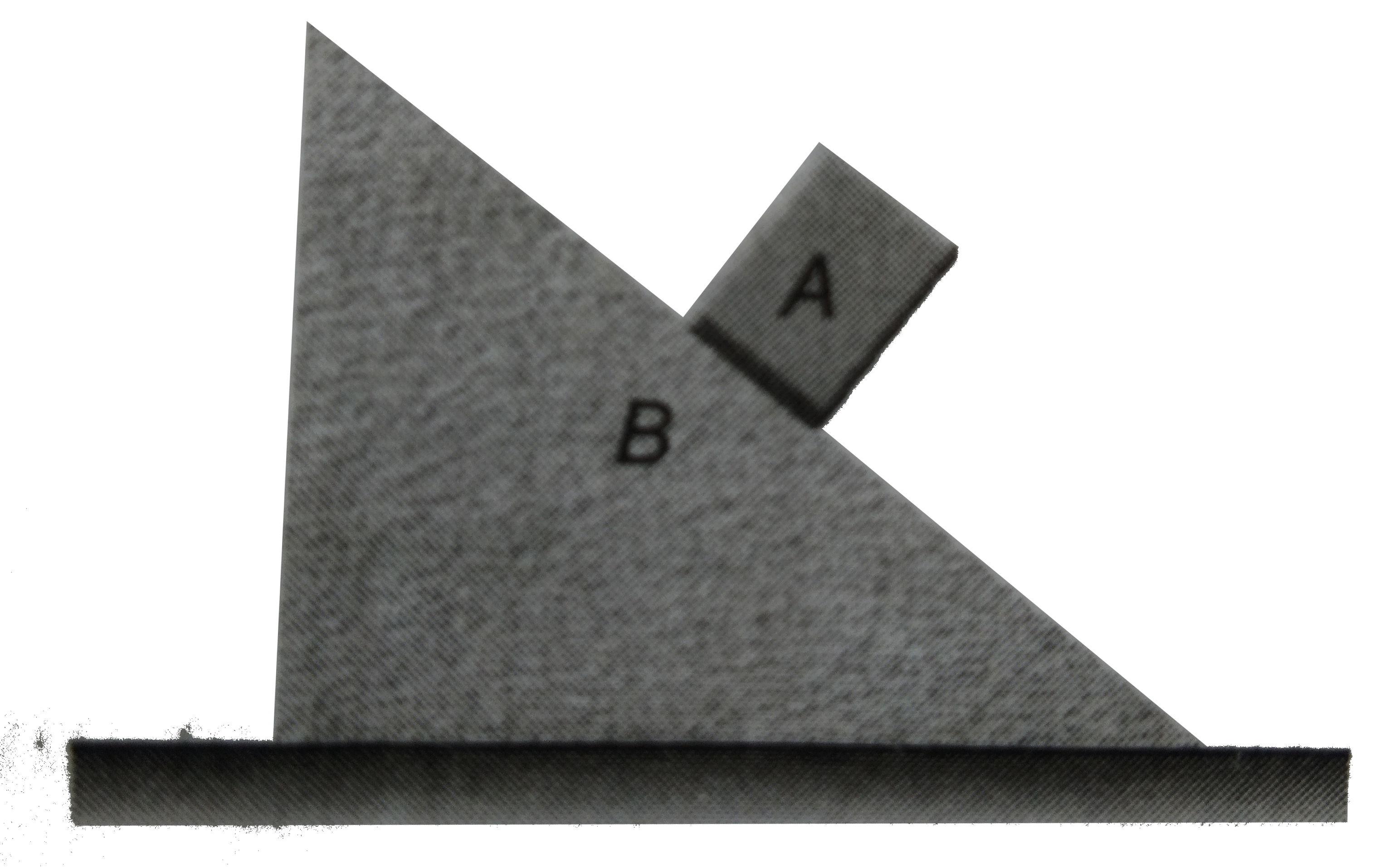
Asseration : All surfaces shown in figure are smooth. Block A comes down along the wedge B. Work done by normal reaction (between A and B) on B is positive while on A it is negative.
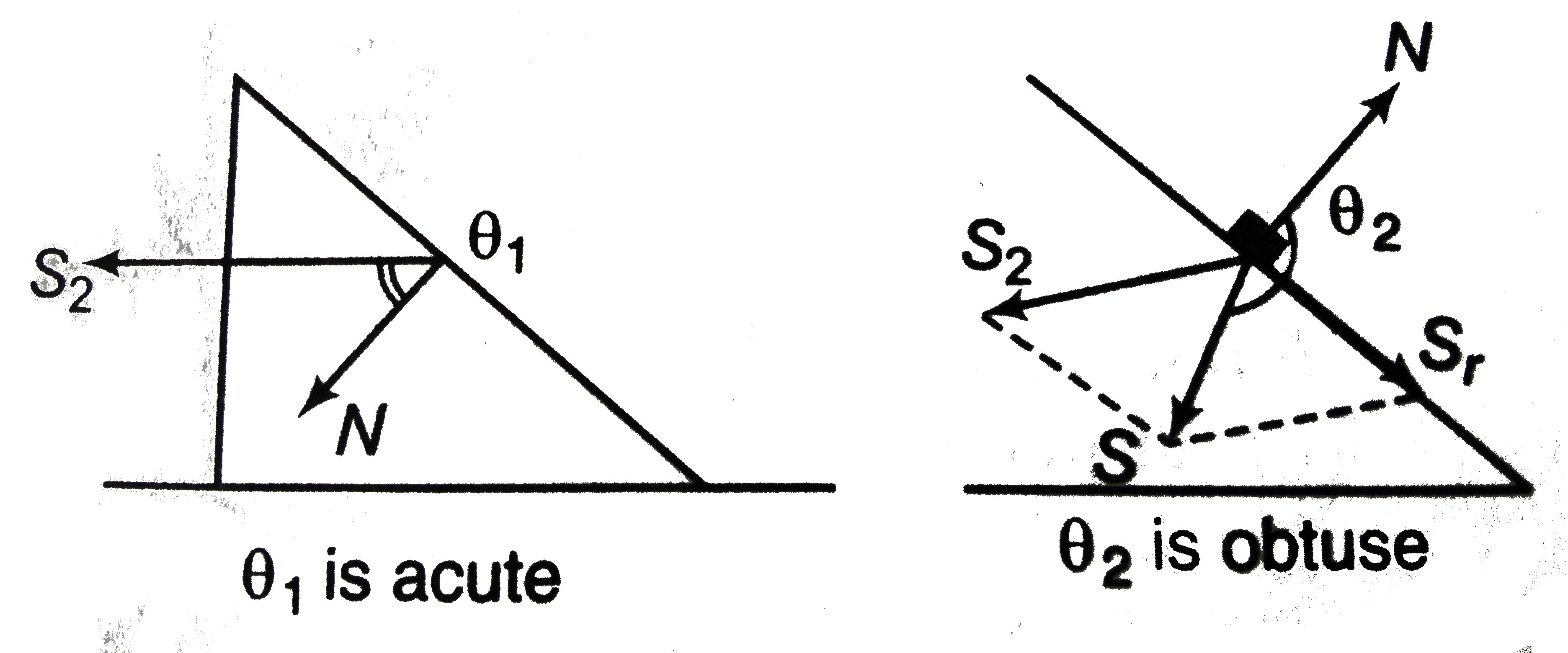
Reason : Angle between normal reaction and net desplacement of A is greater than `90^(@)` while between normal reaction and net displacement of B is less than `90^(@)`
.

A

If both Assertion and Reason are true and the Reason is correct explanation of the Assertion.

B

If both Assertion and Reason are true and the Reason is not the correct explanation of the Assertion.

C

If Assertion is true, but the Reason is false

D

If Assertion is false but the Reason is true.

Text Solution

Verified by Experts

The correct Answer is:
A

Promotional Banner

Similar Questions

Explore conceptually related problems

Assertion : Work done by friction on a body sliding down an inclined plane is positive. Reason : Work done is greater than zero, if angle between force and displacement is acute or both are in same direction.

A two block system is shown in figure . We shall draw complete free body diagram and find normal reaction between m_(1) and m_(2) and between m_(2) and ground .

A block of mass m is at rest on wedge as shown in figure. Let N be the normal reaction between two and f the force of friction, then choose the wrong option.

A smooth block of mass m is held stationary on a smooth wedge of mass M and inclination theta as shown in figure .If the system is released from rest , then the normal reaction between the block and the wedge is

A ladder of mass 10kg is held at reat against a smooth wall on a rough ground as shown in figure. The normal reaction between the wall and the ladder is

A rod AB of mass M and length L is shown in figure. End A of rod is hinged and end B is lying on the ground. Find the Normal reaction by ground on the rod

Consider the shown arrangement. Assume all surfaces to be smooth. If N represents magnitudes of normal reaction between block and wedge, then acceleration of M along horizontal is equla to

