(a) In anion `(I)`, due to the cross conjugation with the delo calisation of negative charge on `(CH_2)` group and
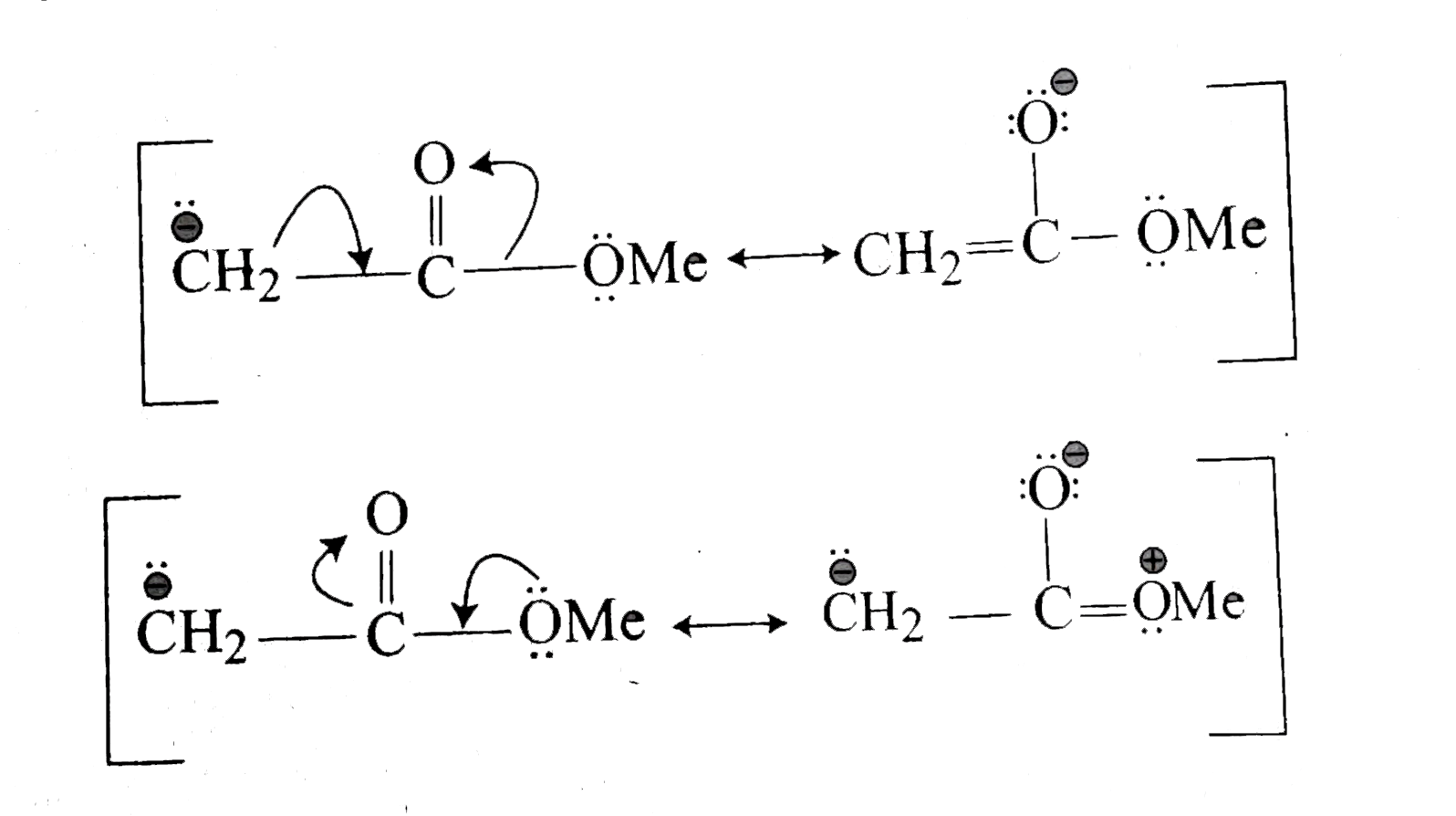
with the `O` atom of `(Ome)` group, compete each other thereby making the anion a stronger base, hence its parent compound is a weak acid.
The negative charge on the anoin of `(II)` is delocalised to more electronegative `O` atom.
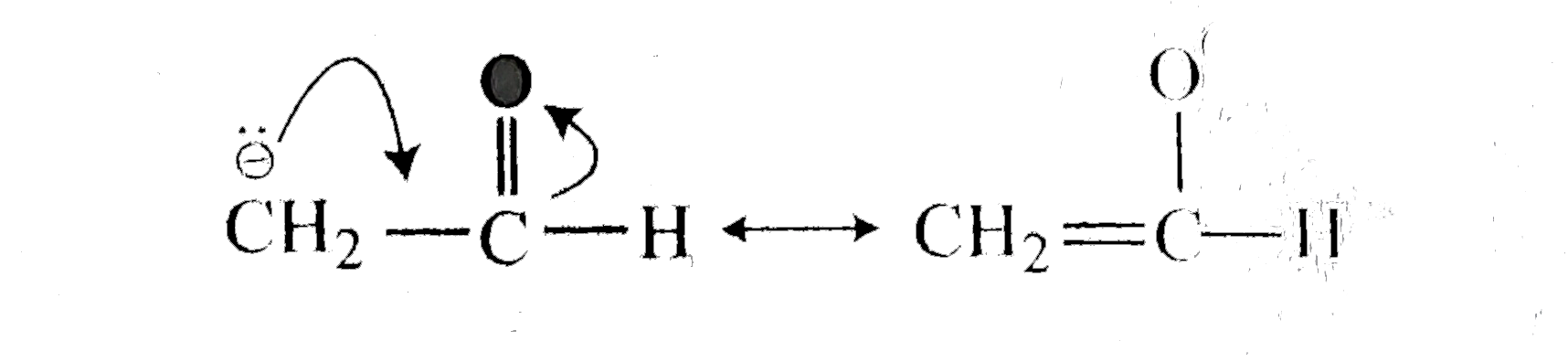
But, the negative charge on the anion of `(III)` is most extansively delocalised to two more electronegative `O` atoms. Moreover, `-I` effect of `N^(oplus)` provides additional stabilisation.
Hence, the anion of `(III)` is more stabilised than the anion of `(II)`, which in turn is more stabilised than the anion of `(I)`.
Stability order of anion is : `III gt II gt I`
Acidic order is : `III gt II gt I`
(b) The following factors affects the basicities :
(i) Inductive effect
(ii) Solvation effect
(iii) Steric effect towards solvation or steric inhibition of resonance ltnrgt (iv) Resonance i.e., delocalisation through extended `pi-bond` conjugation
(v) `s` character
(vi) Field effect.


