Home
Class 11
CHEMISTRY
Distinguish between the following pairs:...

Distinguish between the following pairs:
a. and

Text Solution

Verified by Experts

a. (I) is terminal alkyne and gives white precipitate of with `Ag(NH_3)_2Cl` or red precipitate of with `[Cu(NH_3)_2]^(o+) OH^(o+)`, whereas (II), an internal alkyne, does not.
b. (III) is a propargylic bromide and gives a pale yellow precipitate of `AgBr` with `(AgNO_1+C_2H_5OH)`, whereas (IV) is a vinylic bromide and does not give any reaction with `AgNO_3`.
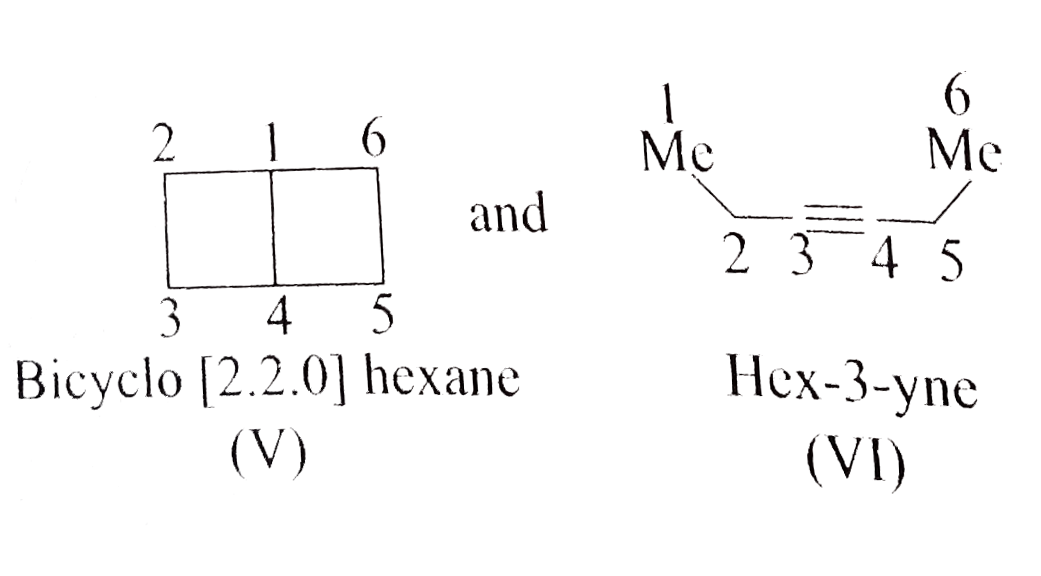
c. (VI) is unsaturated compound and gives the test for unsaturation, i.e., decolourisation of pink colour of Baeyer's reagent (cold alk. `KMnO_4`) of discharge of reddish brown colour of `Br_2` solution, whereas (V) is inert.
d. (VII) will react with `H_2+` Lindlar's catalyst or with `H_2+P-2` catalyst `(Ni_2B)` to give (VIII), whereas VIII will not react.
Moreover, quantitative catalytic hydrogenation will also distinguish the two, (VII) will require 2 equivalent of `H_2`, whereas (VIII) with require 1 equivalent of `H_2` per mole of each compound.
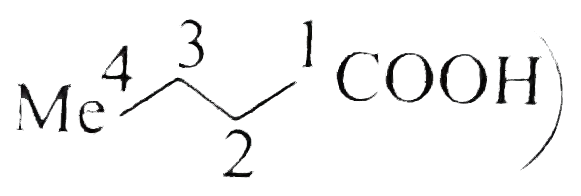
e. `(X)` is a symmetrical alkyne and undergoes oxidative ozoolysis to give a single acid (butanoic acid, , whereas (IX) gives two separable acids (propanoic acid) + pentanoic acid, .

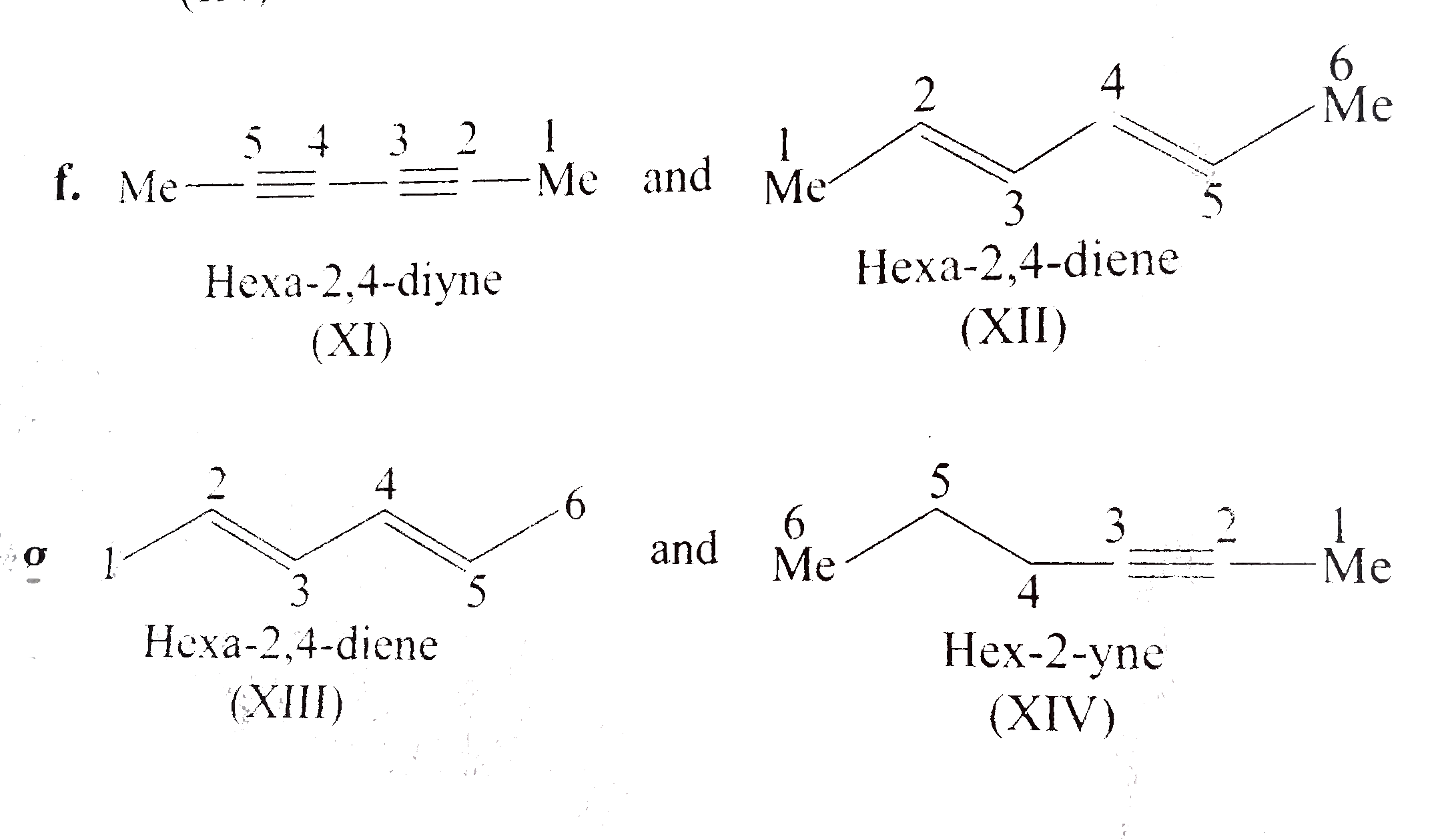
f. Quantitative catalytic hydrogenation will distinguish the pair. (XI) will absorb 4 equivalent of `H_2`, whereas (XII) will absorb 2 equivalent of `H_2` per mole of each compound.
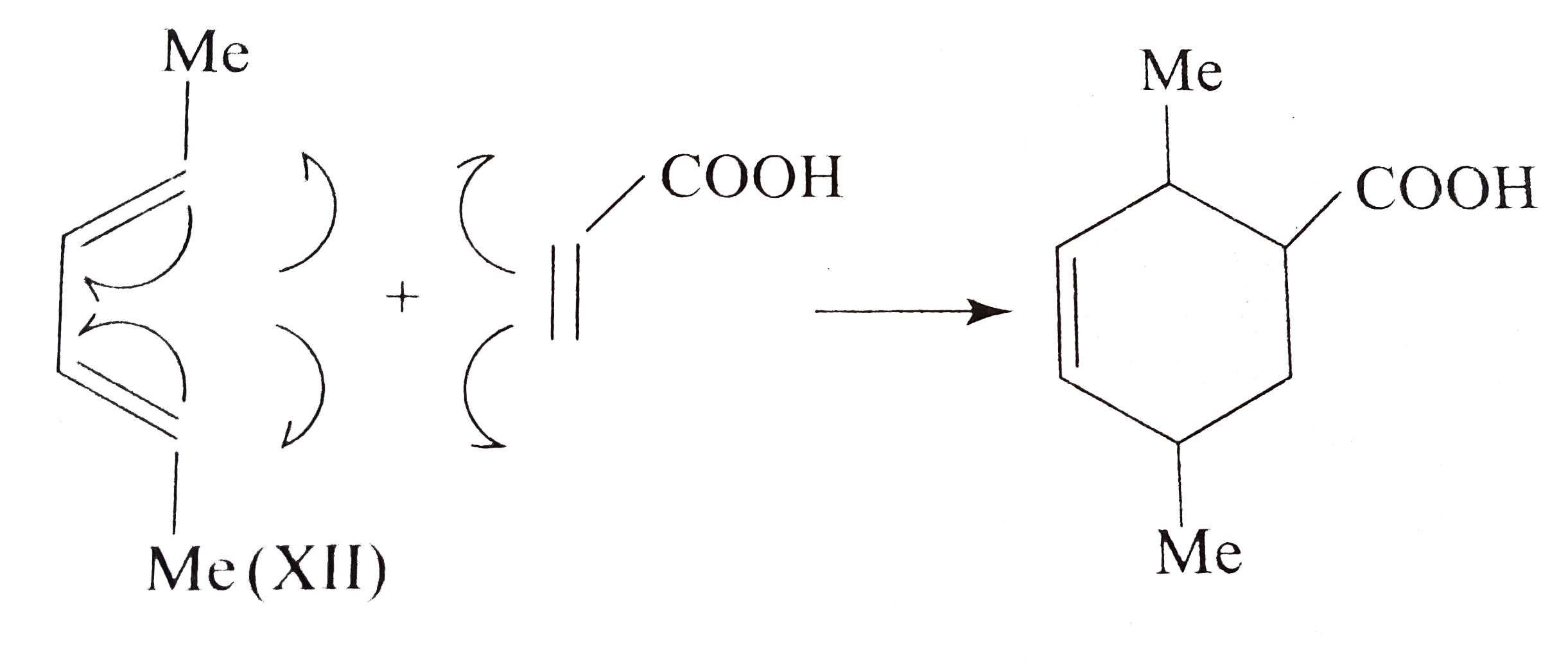
Moreover, (XII) will undergo Diels-Alder reaction, whereas (XI) will not.

g. (XIII) is conjugated diene and will undergo Diels-Alder reaction.
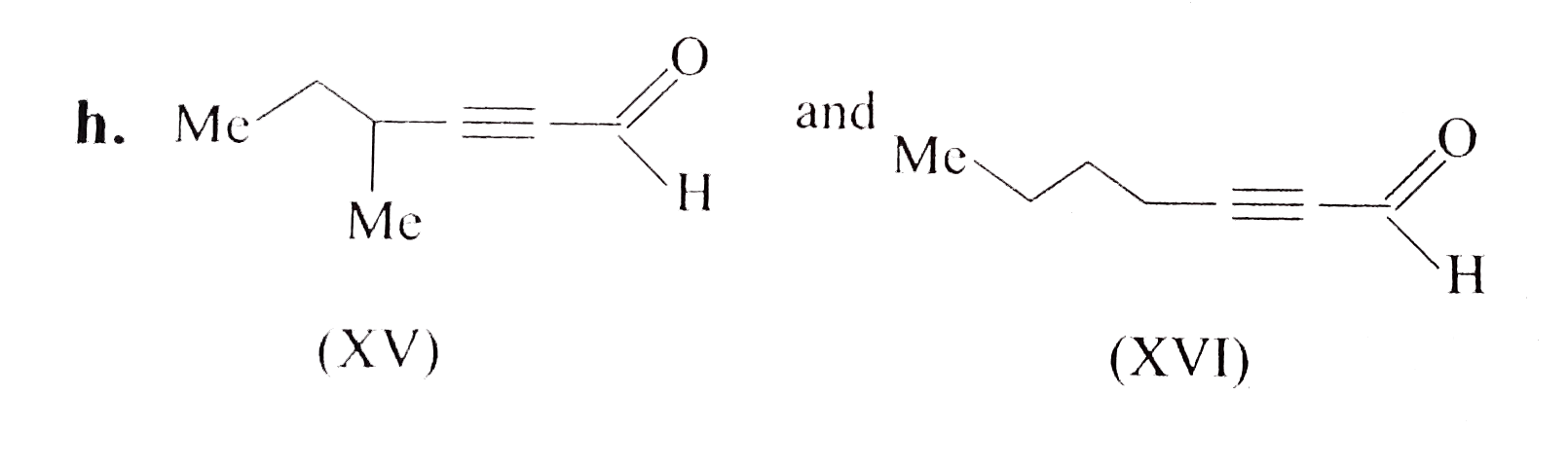
h. (XV) has a chiral centre and is resolvable whereas (XVI) is not.
Promotional Banner

Topper's Solved these Questions

  • ALKYNES

    CENGAGE CHEMISTRY|Exercise Solved Examples|24 Videos
  • ALKYNES

    CENGAGE CHEMISTRY|Exercise Exercises (Subjective Type)|31 Videos
  • ALKENES AND ALKADIENES

    CENGAGE CHEMISTRY|Exercise Single correct Answer|14 Videos
  • APPENDIX - INORGANIC VOLUME 1

    CENGAGE CHEMISTRY|Exercise chapter-7 Single correct answer|1 Videos

Similar Questions

Explore conceptually related problems

Distinguish between the following pairs: a. (I)

Distinguish between the following pairs: a. (I) PhOH (II) PhNH_(2) b. (I) PhOMe (II) PhCH_(2)OH c. (I)

Distinguish between the following pairs: (i) Propanal and propanone (ii) Phenol and benzoic acid

Distinguish between the following pairs in one or two sentences for each (a) RBCs and WBCs, (b) bone and cartilage, (c) blood and lymph, (d) striated and unstriated muscle, (e) tendon and ligament, (f) axon and dedrite.

Describe a chemical test to distinguish between the following pairs : (i) Ethanol and phenol (ii) Propan-1-ol and propan-2-ol.

(a) Identify A-D (b) Distinguish between the following pair of compounds : (i) Aniline and Benzylamine. (ii) Methylamine and Dimethylamine (c) Complete the following : CH_(3)CH_(2)CN overset(LiAIH_(4))(to) A overset(0^(@)C//HNO_(2))to B

