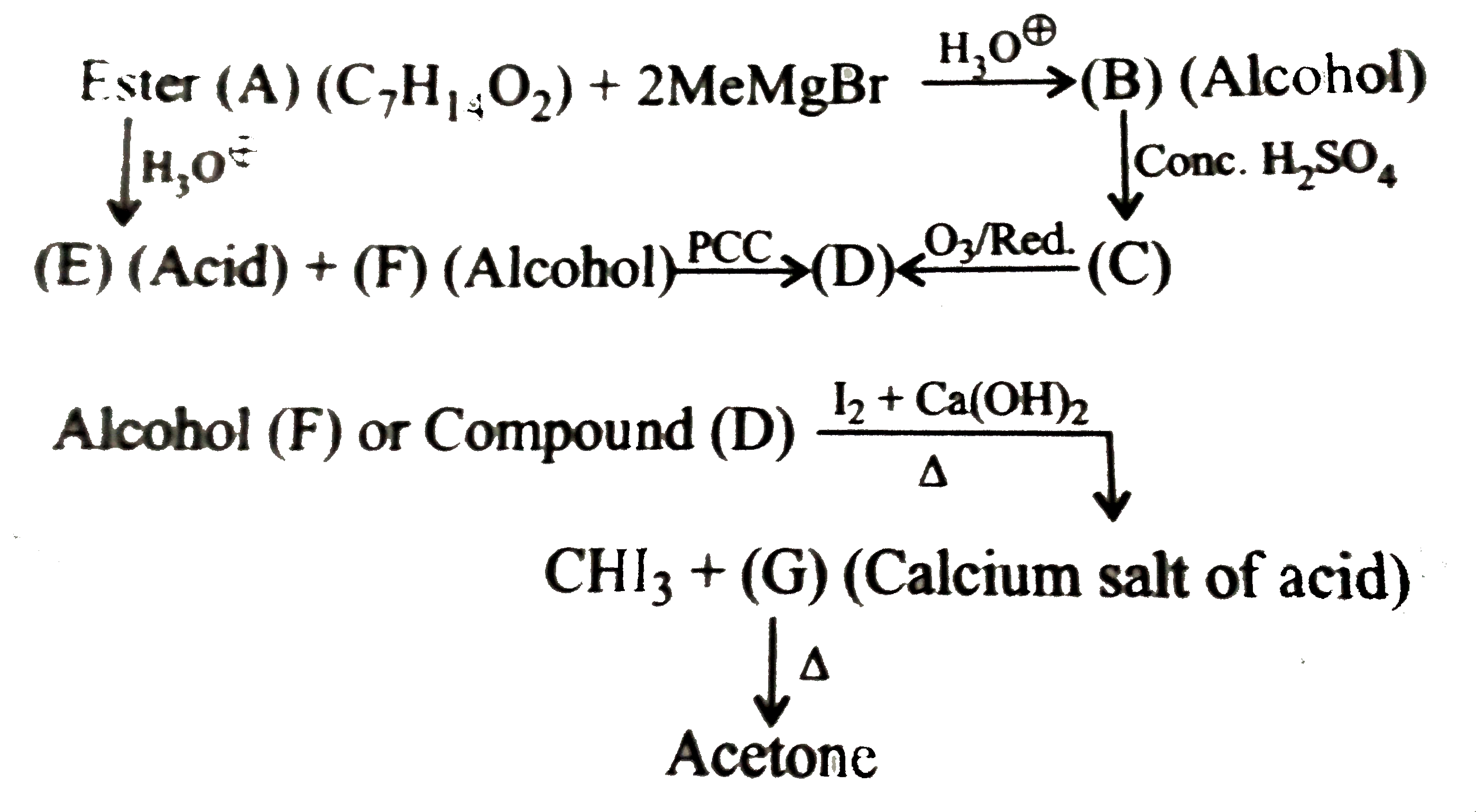
A
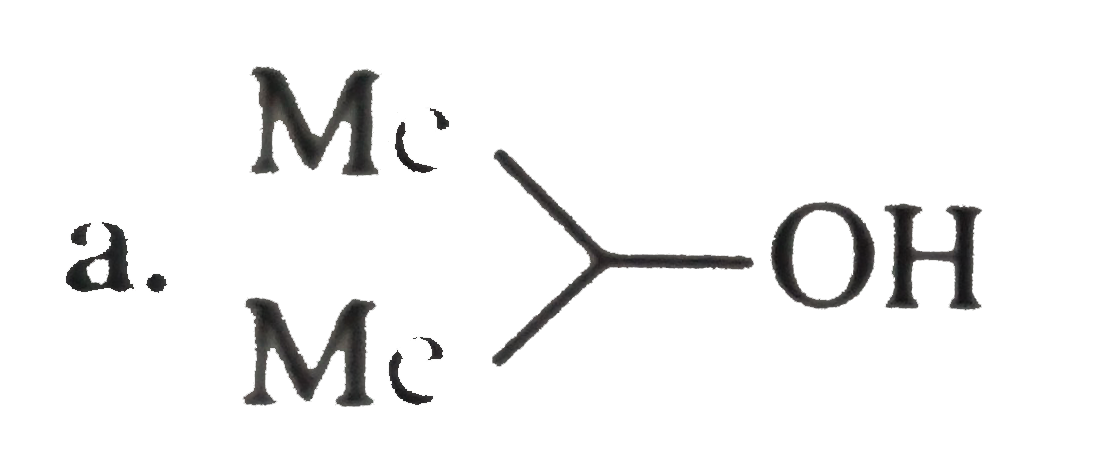
B
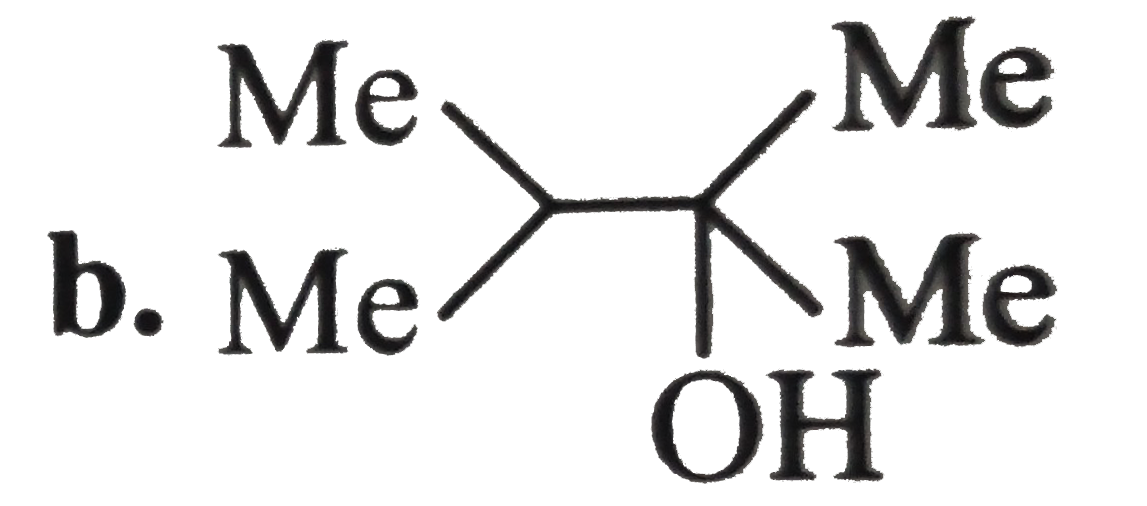
C

D

Text Solution
Verified by Experts
The correct Answer is:
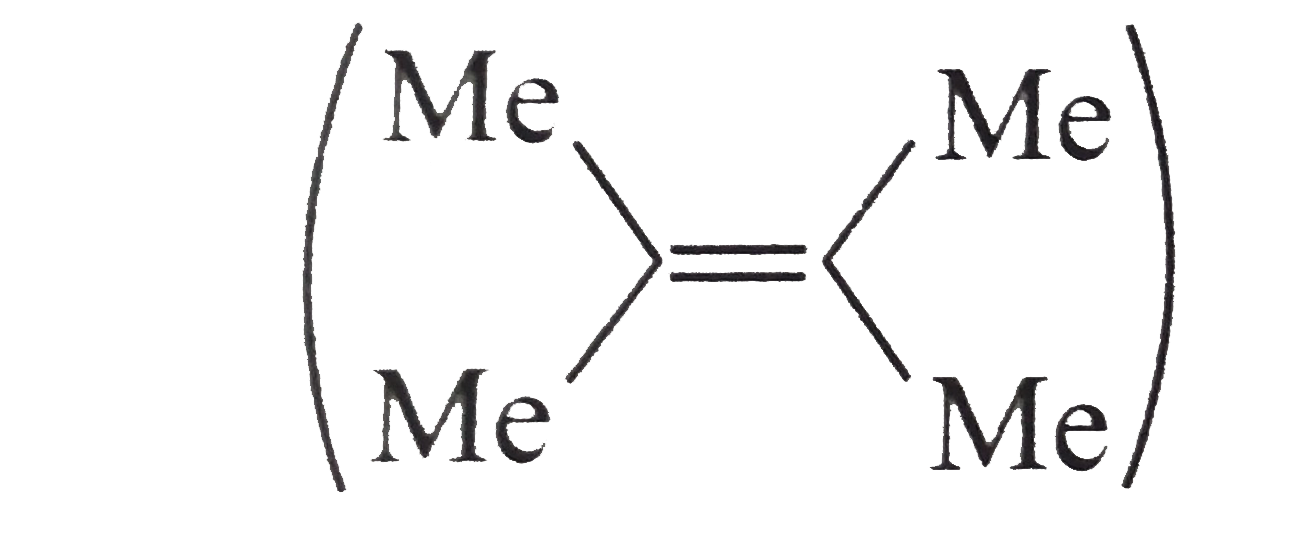
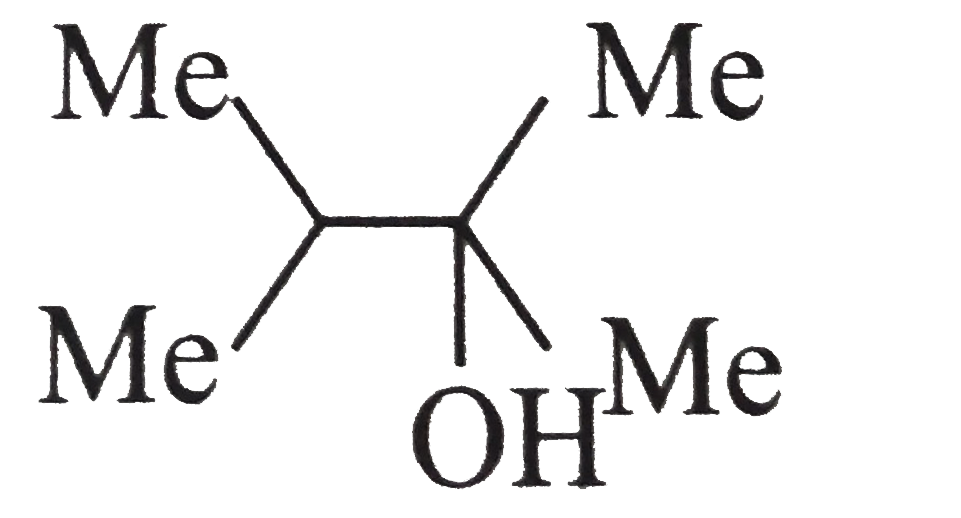
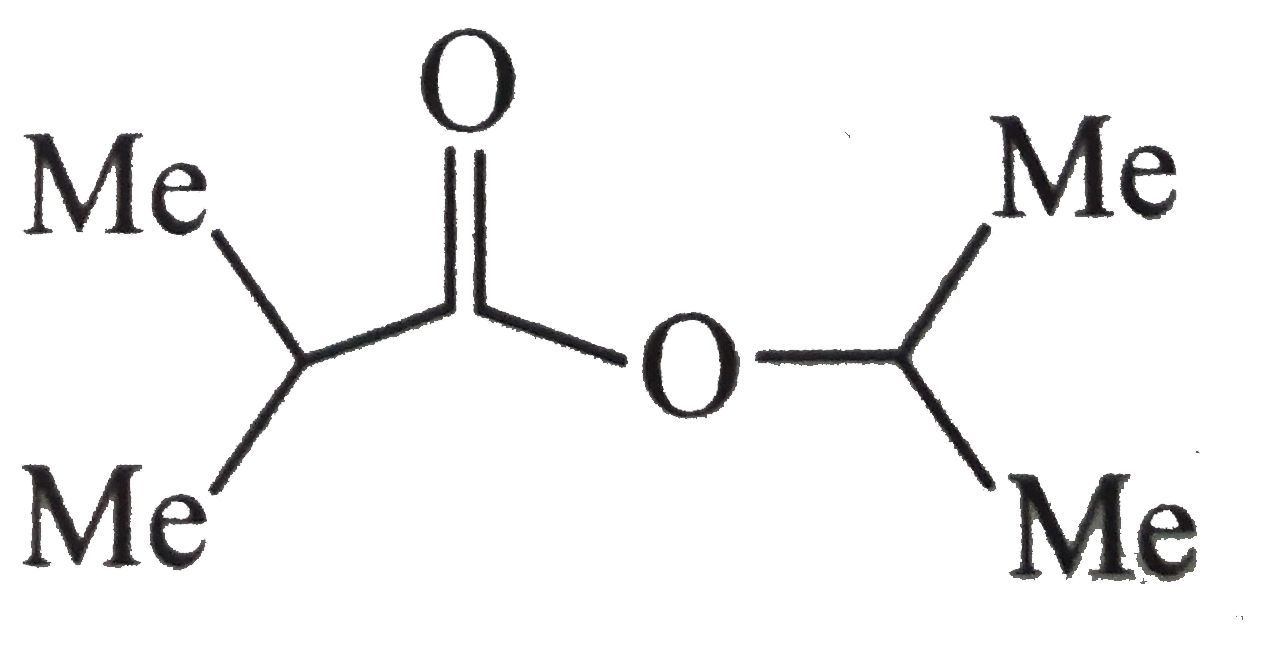 .
. 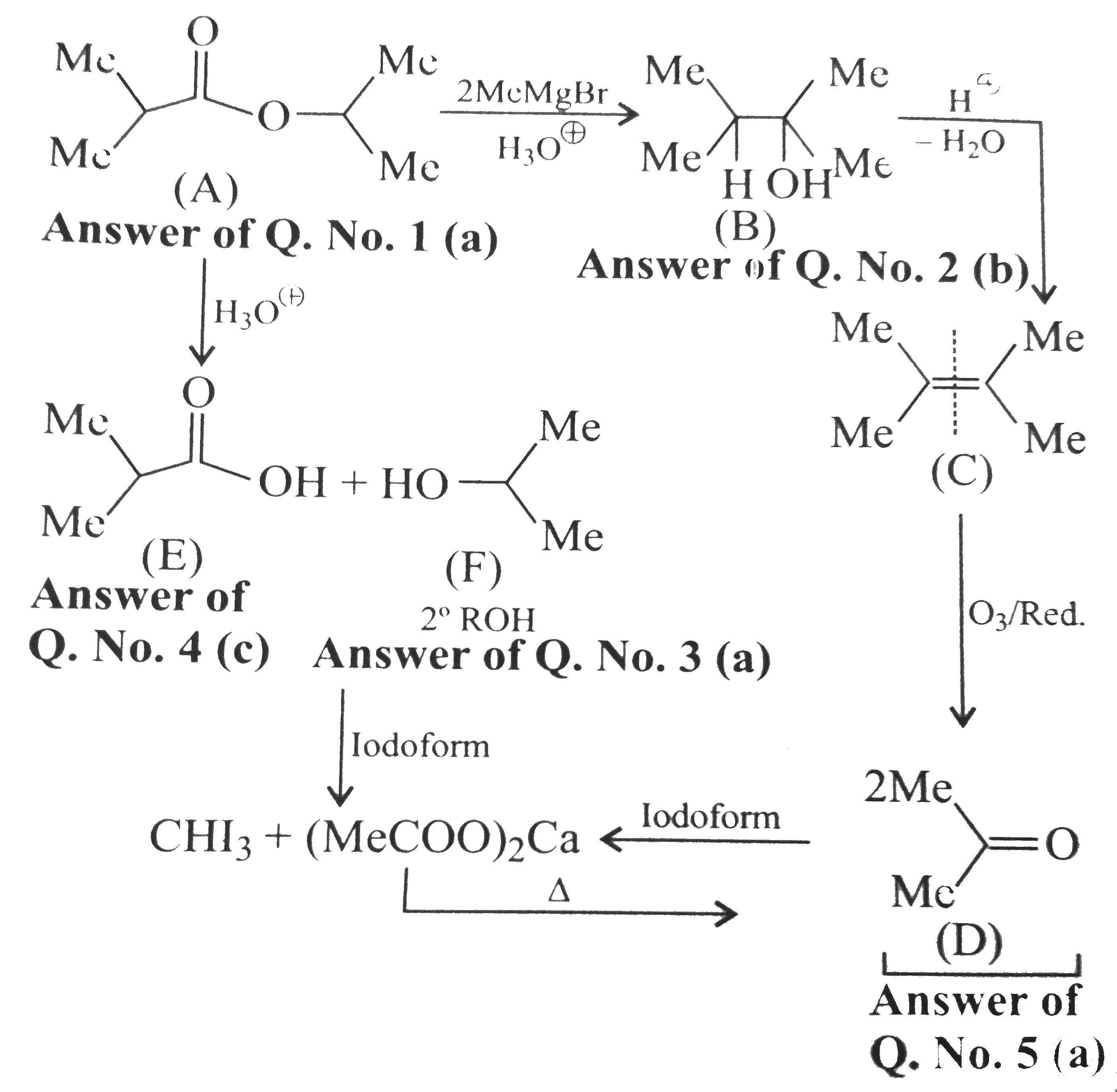 .
.


Topper's Solved these Questions
CARBOXYLIC ACIDS AND THEIR DERIVATIVES
CENGAGE CHEMISTRY|Exercise Exercises (Multiple Correct)|35 VideosCARBOXYLIC ACIDS AND THEIR DERIVATIVES
CENGAGE CHEMISTRY|Exercise Exercises (Singlecorrect)|64 VideosCARBOXYLIC ACIDS AND THEIR DERIVATIVES
CENGAGE CHEMISTRY|Exercise Exercises (Subjective)|19 VideosBIOMOLECULES, POLYMERS AND CHEMISTRY IN EVERYDAY LIFE
CENGAGE CHEMISTRY|Exercise QUESTION BANK|8 VideosCHEMICAL KINETICS
CENGAGE CHEMISTRY|Exercise Archives Subjective|23 Videos
Similar Questions
Explore conceptually related problems
CENGAGE CHEMISTRY-CARBOXYLIC ACIDS AND THEIR DERIVATIVES-Exercises (Linked Comprehension)
- Ester (A) is :
Text Solution
|
- Alcohol (B) is :
Text Solution
|
- Alcohol (F) is :
Text Solution
|
- Acid ( E) is :
Text Solution
|
- Compound (D) is :
Text Solution
|
- Carboxylic acid (A) is:
Text Solution
|
- Carboxylic and (B) is :
Text Solution
|
- Compound ( C) is :
Text Solution
|
- Compound (D) is :
Text Solution
|
- Compounds ( C) and (D) can be distinguished by :
Text Solution
|
- Four isomeric optically active compounds overset (NaHCO3) rarr CO2 (g)...
Text Solution
|
- Four isomeric optically active compounds overset (NaHCO3) rarr CO2 (g)...
Text Solution
|
- Four isomeric optically active compounds overset (NaHCO3) rarr CO2 (g)...
Text Solution
|
- Four isomeric optically active compounds overset (NaHCO3) rarr CO2 (g)...
Text Solution
|
- Four isomeric optically active compounds overset (NaHCO3) rarr CO2 (g)...
Text Solution
|
- (i) Carboxylic acid (ii) Compound (D) is prepard by carbonation(Mg/...
Text Solution
|
- (i) Carboxylic acid (ii) Compound (D) is prepard by carbonation(Mg/...
Text Solution
|
- (i) Carboxylic acid (ii) Compound (D) is prepard by carbonation(Mg/...
Text Solution
|
- (i) Carboxylic acid (ii) Compound (D) is prepard by carbonation(Mg/...
Text Solution
|
- Compound (B) is :
Text Solution
|