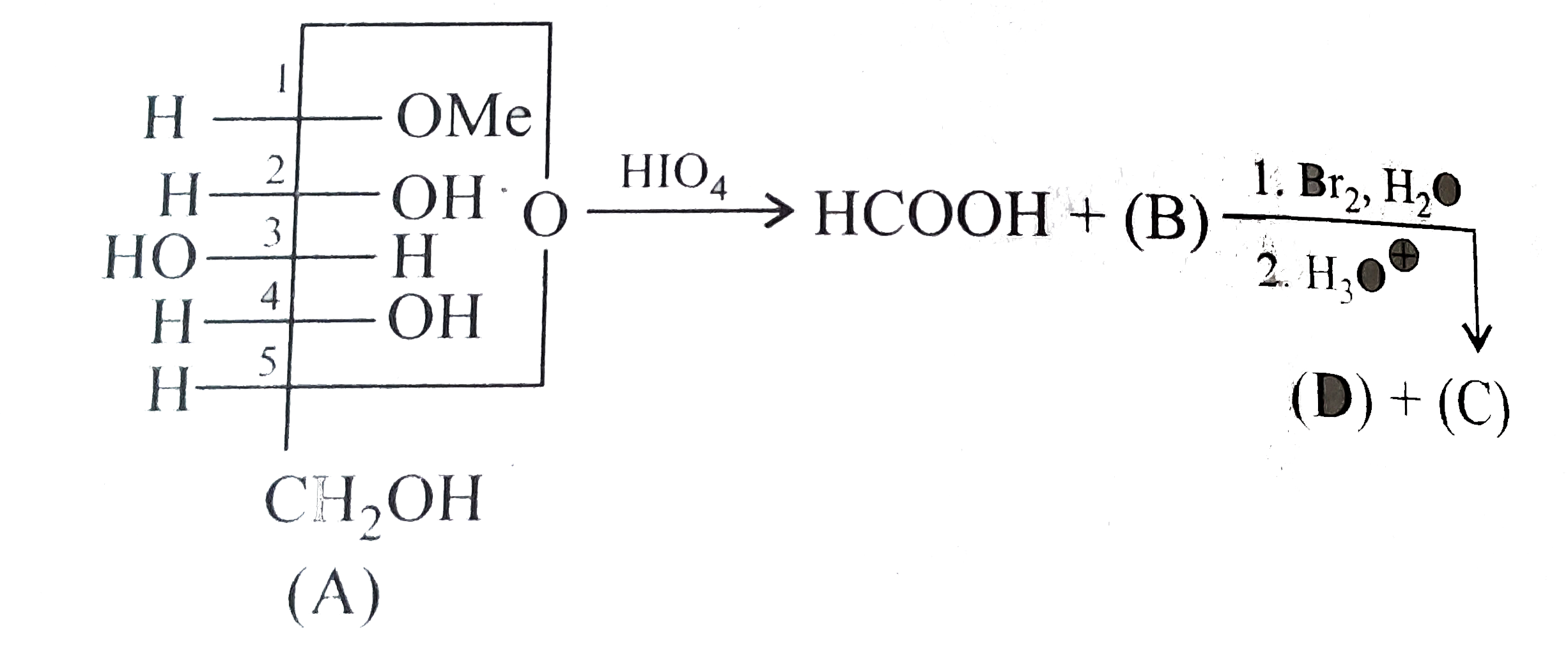
A
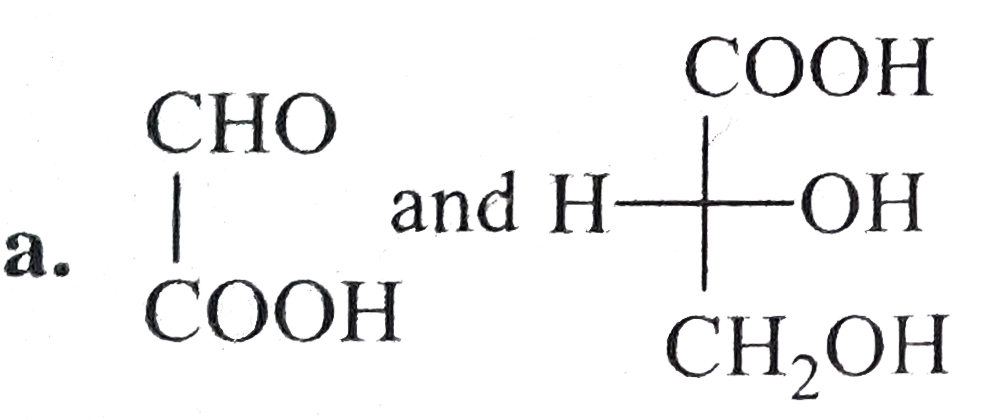
B
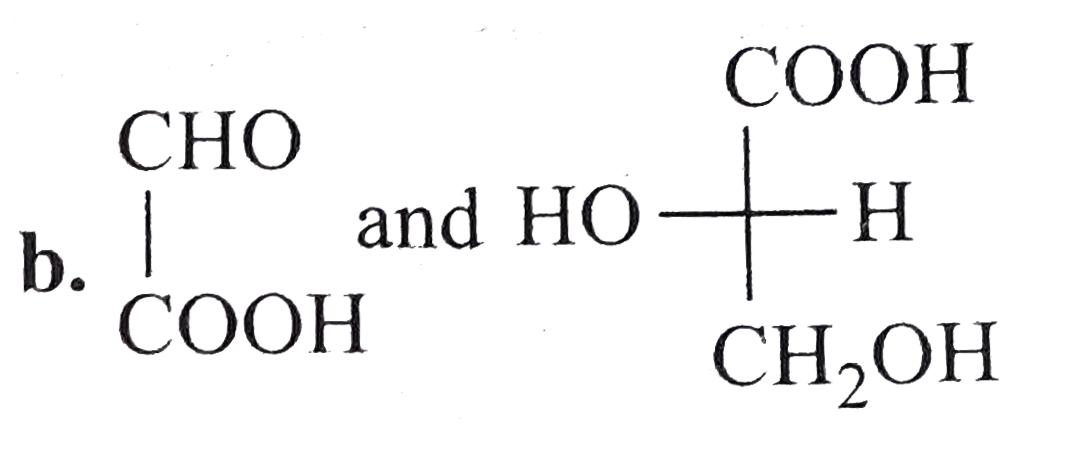
C
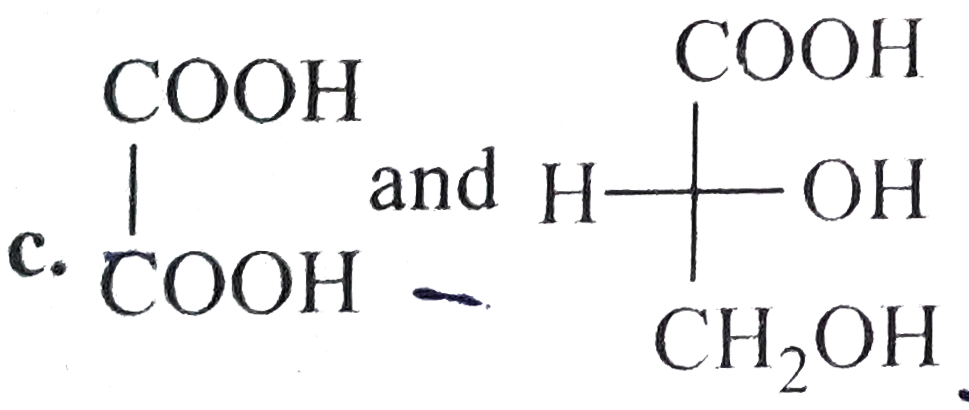
D
Text Solution
Verified by Experts
The correct Answer is:



Topper's Solved these Questions
BIOMOLECULES
CENGAGE CHEMISTRY|Exercise Exercises (Multiple Correcttype)|31 VideosBIOMOLECULES
CENGAGE CHEMISTRY|Exercise Exercises (Single Correcttype)|81 VideosBIOMOLECULES
CENGAGE CHEMISTRY|Exercise Exercises (Concept Application)|25 VideosAROMATIC COMPOUNDS AND ALKYL AND ARYL HALIDES
CENGAGE CHEMISTRY|Exercise Archives Subjective|18 VideosBIOMOLECULES, POLYMERS AND CHEMISTRY IN EVERYDAY LIFE
CENGAGE CHEMISTRY|Exercise QUESTION BANK|8 Videos
Similar Questions
Explore conceptually related problems
CENGAGE CHEMISTRY-BIOMOLECULES-Exercises (Linked Comprehension)
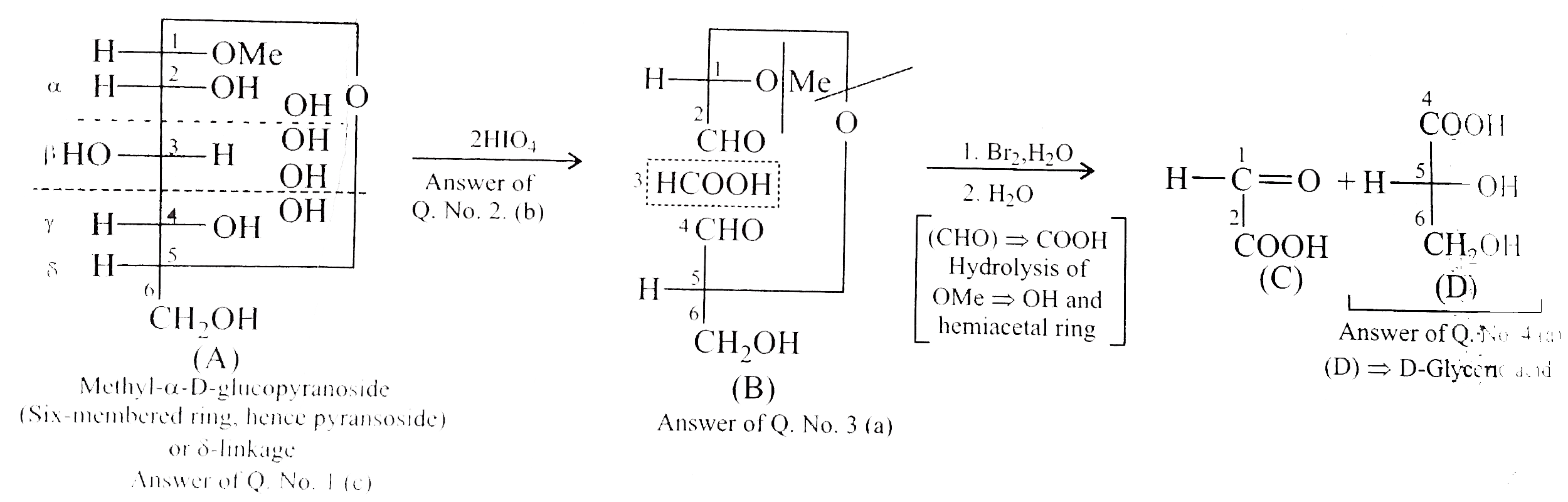
- The number of moles of HIO(4) required in the above reaction is:
Text Solution
|
- The structure of (B) is:
Text Solution
|
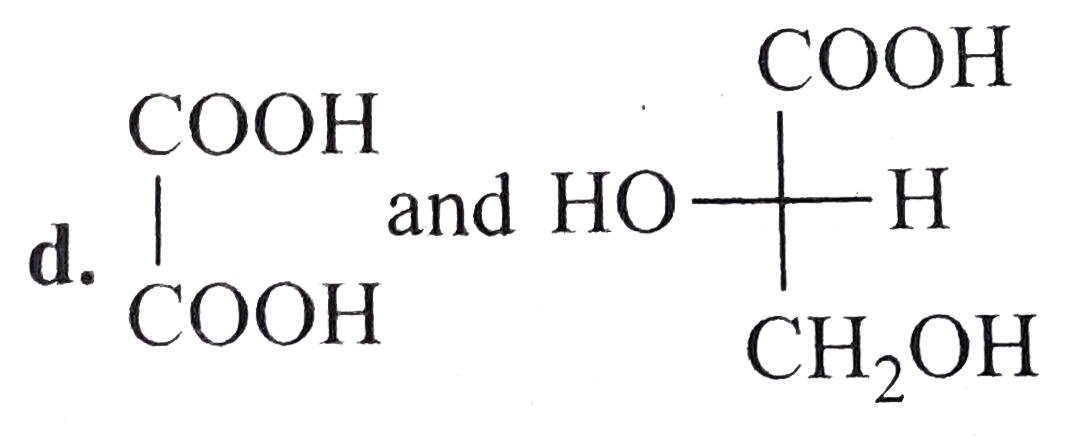
- Compound (C ) and (D) are:
Text Solution
|
- The name of compound (A) is:
Text Solution
|
- The number of moles of HIO(4) required in the above reaction is:
Text Solution
|
- The structure of (B) is?
Text Solution
|
- Compound (C ) and (D) are:
Text Solution
|
- Which sta tement(S) is//are correct about (A)?
Text Solution
|
- Compound (B) is:
Text Solution
|
- Compound (C ) is:
Text Solution
|
- Compound (D) is:
Text Solution
|
- Which statement(S) is//are correct about the products (E) and (F)?
Text Solution
|
- Which statement(S) is//are correct about (A)?
Text Solution
|
- Compound (B) is:
Text Solution
|
- Compound (C ) is:
Text Solution
|
- Compound (D) is:
Text Solution
|
- Which statemetn(S) is//are correct about the products from (D) by path...
Text Solution
|
- Compound (B) is:
Text Solution
|
- How many moles of PhNHNH(2) react with 1 mol (A)?
Text Solution
|
- The compound (D) is:
Text Solution
|