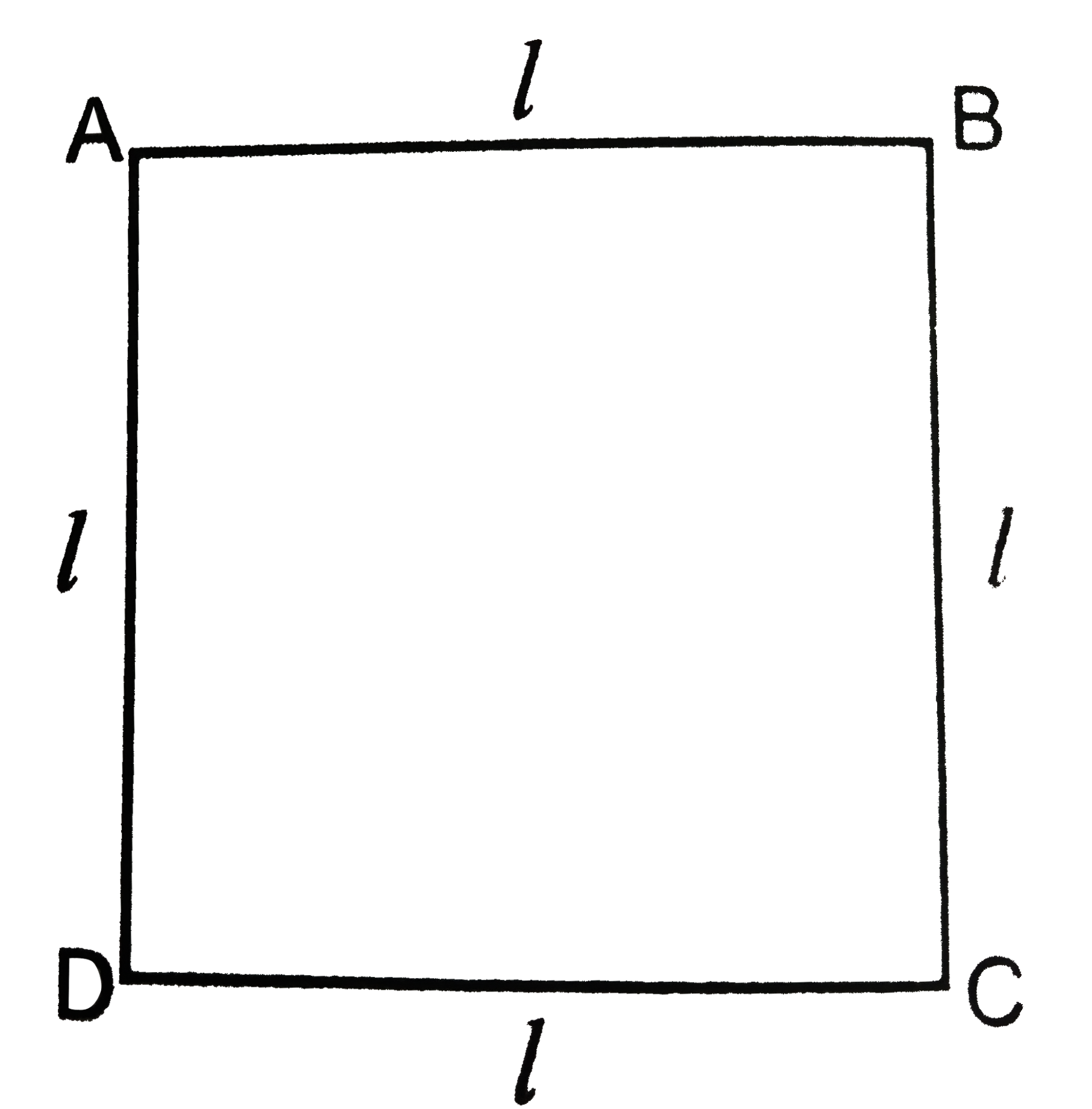
 .
.Text Solution
Verified by Experts
The correct Answer is:



Topper's Solved these Questions
KINEMATICS
PRADEEP|Exercise 2 Multiple choice|10 VideosKINEMATICS
PRADEEP|Exercise 3 Multiple choice|11 VideosKINEMATICS
PRADEEP|Exercise 4 Problems for practice|45 VideosGRAVIATION
PRADEEP|Exercise Assertion-Reason Type Questions|19 VideosLAWS OF MOTION
PRADEEP|Exercise Assertion- Reason Type Questions|17 Videos
Similar Questions
Explore conceptually related problems
PRADEEP-KINEMATICS-1 Multiple choice
- If distance covered by a particle is zero, what can be its displacemen...
Text Solution
|
- The ratio of the numerical values of the average velocity and average ...
Text Solution
|
- A body moves aling a circular track of radius (r ). It starts from one...
Text Solution
|
- A praticle moves along the side of a squre fo length (l) starting from...
Text Solution
|
- A car travels along a straight line for first half time with speed 40 ...
Text Solution
|
- A table clock has its minute hand 5.0 cm long. The average velocity of...
Text Solution
|
- A train 100 m along is moving with a velocity of 60 h^(-1). The time...
Text Solution
|
- Which of the following graphs cannot possibly represent one dimensiona...
Text Solution
|
- Two cars (A) and (B) are at positions 100 m and 200 m from the origi...
Text Solution
|
- Delhi is at a distance of 200 km from Ambla. (A) sets out from Ambala...
Text Solution
|