Home
Class 12
MATHS
To evaluate lim(xtoa)[f(x)], we must ana...

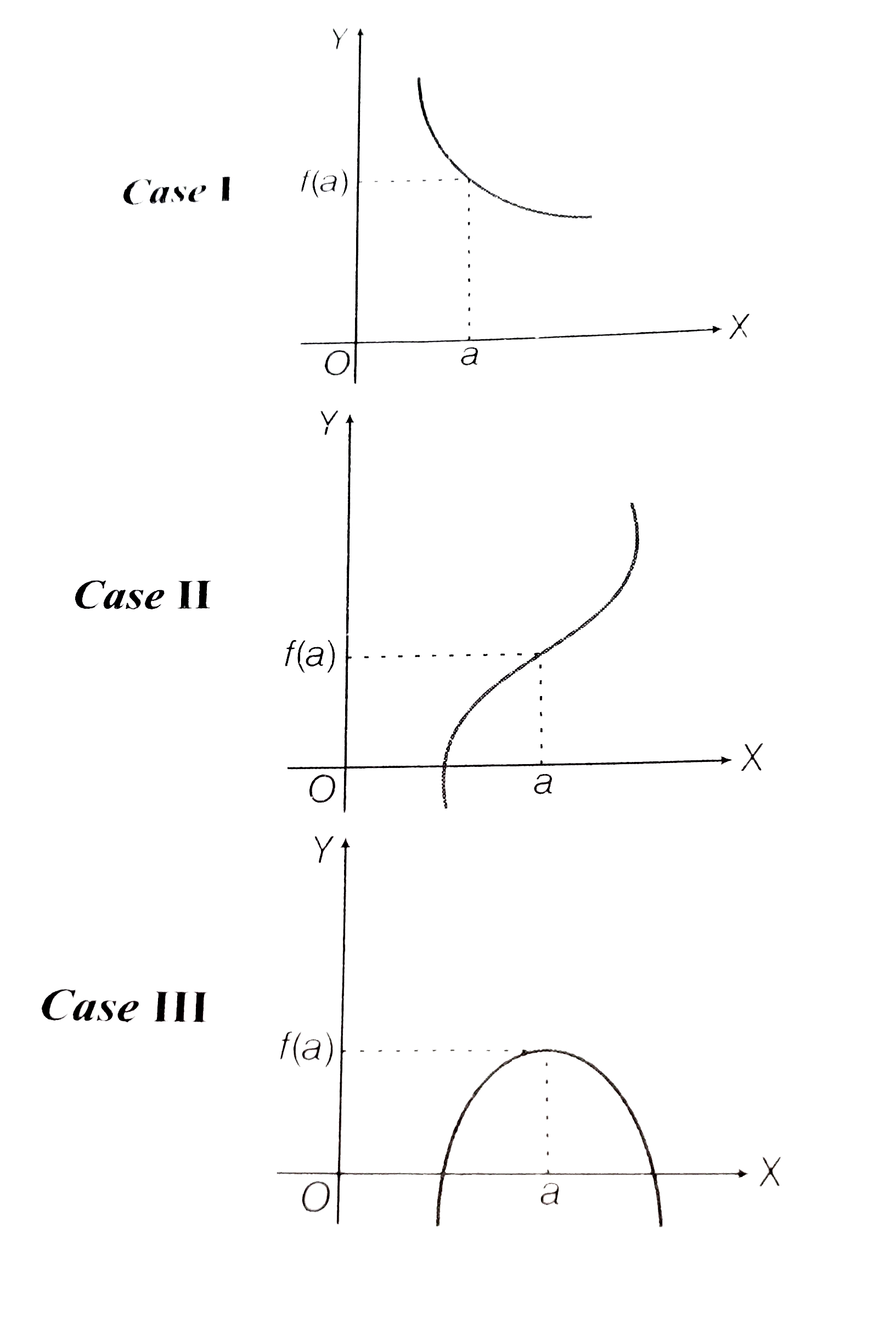
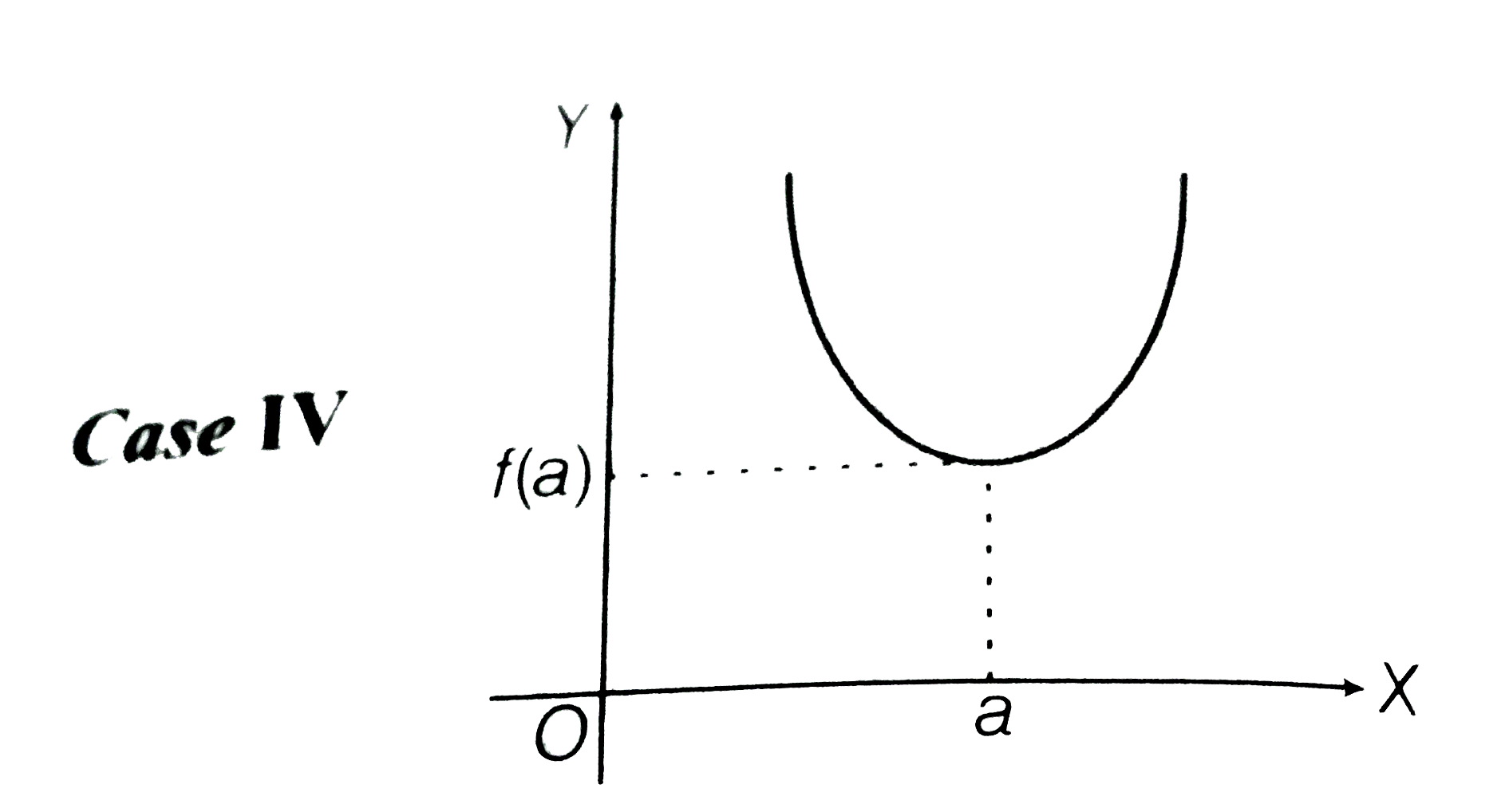
To evaluate `lim_(xtoa)[f(x)]`, we must analyse the `f(x)` in right hand neighbourhood as well as in left hand neighbourhood of `x=a`. E.g. In case of continuous function, we may come across followign cases.


`If `f(a) is an integer, the limit will exist in Case III and Case IV but not in Case I and Case II.`lim_(xto0)[(1-e^(x)).(sinx)/(|x|)]` (where [.] denotes the greatest integer function) equals

A

0

B

1

C

-1

D

Doesn't exist

Text Solution

Verified by Experts

The correct Answer is:

C
Promotional Banner

Topper's Solved these Questions

  • LIMITS

    ARIHANT MATHS|Exercise Exercise (Single Option Correct Type Questions)|40 Videos
  • LIMITS

    ARIHANT MATHS|Exercise Exercise (More Than One Correct Option Type Questions)|15 Videos
  • INVERSE TRIGONOMETRIC FUNCTIONS

    ARIHANT MATHS|Exercise Exercise (Questions Asked In Previous 13 Years Exam)|8 Videos
  • LOGARITHM AND THEIR PROPERTIES

    ARIHANT MATHS|Exercise Exercise (Questions Asked In Previous 13 Years Exam)|4 Videos

Similar Questions

Explore conceptually related problems

To evaluate lim_(xtoa)[f(x)] , we must analyse the f(x) in right hand neighbourhood as well as in left hand neighbourhood of x=a . E.g. In case of continuous function, we may come across followign cases. If f(a) is an integer, the limit will exist in Case III and Case IV but not in Case I and Case II. lim_(xto1)["cosec"(pix)/2]^(-1//(1-x)) is equal to (where [.] denotes the greatest integer function).

lim_(xto0) [(1-e^(x))(sinx)/(|x|)] is (where [.] represents the greatest integer function )

lim_(xto0) [(sin(sgn(x)))/((sgn(x)))], where [.] denotes the greatest integer function, is equal to

Solve lim_(xto0)[(sin|x|)/(|x|)] , where [.] denotes greatest integer function.

The value of lim_(xto0)(sin[x])/([x]) (where [.] denotes the greatest integer function) is

lim_(x->0) (e^[[|sinx|]])/([x+1]) is , where [.] denotes the greatest integer function.

lim_(x->0) ([(-5sinx)/x]+[(6sinx)/x] .(where [-] denotes greatest integer function) is equal to

Given lim_(x to 0)(f(x))/(x^(2))=2 , where [.] denotes the greatest integer function, then

lim_(xto0)[(-2x)/(tanx)] , where [.] denotes greatest integer function is

lim_(xrarr pi//2)([x/2])/(log_e(sinx)) (where [.] denotes the greatest integer function)
