Home
Class 11
CHEMISTRY
Which is not a permissible resonating st...

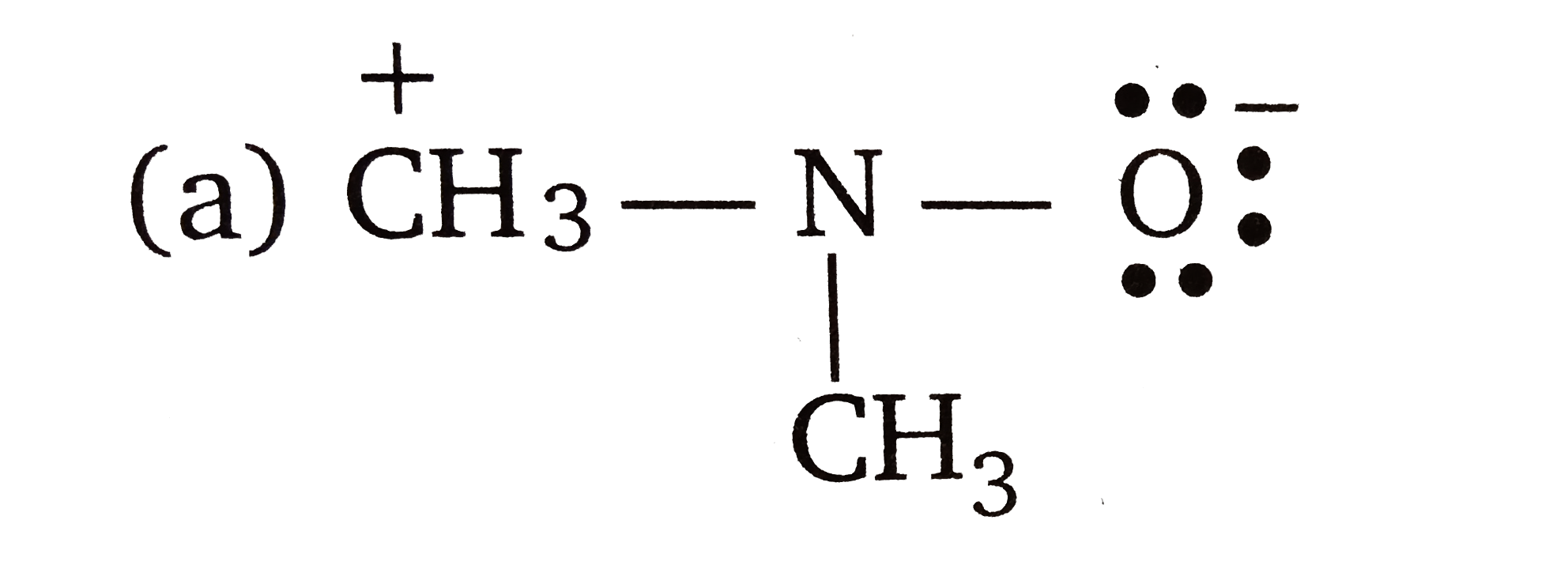
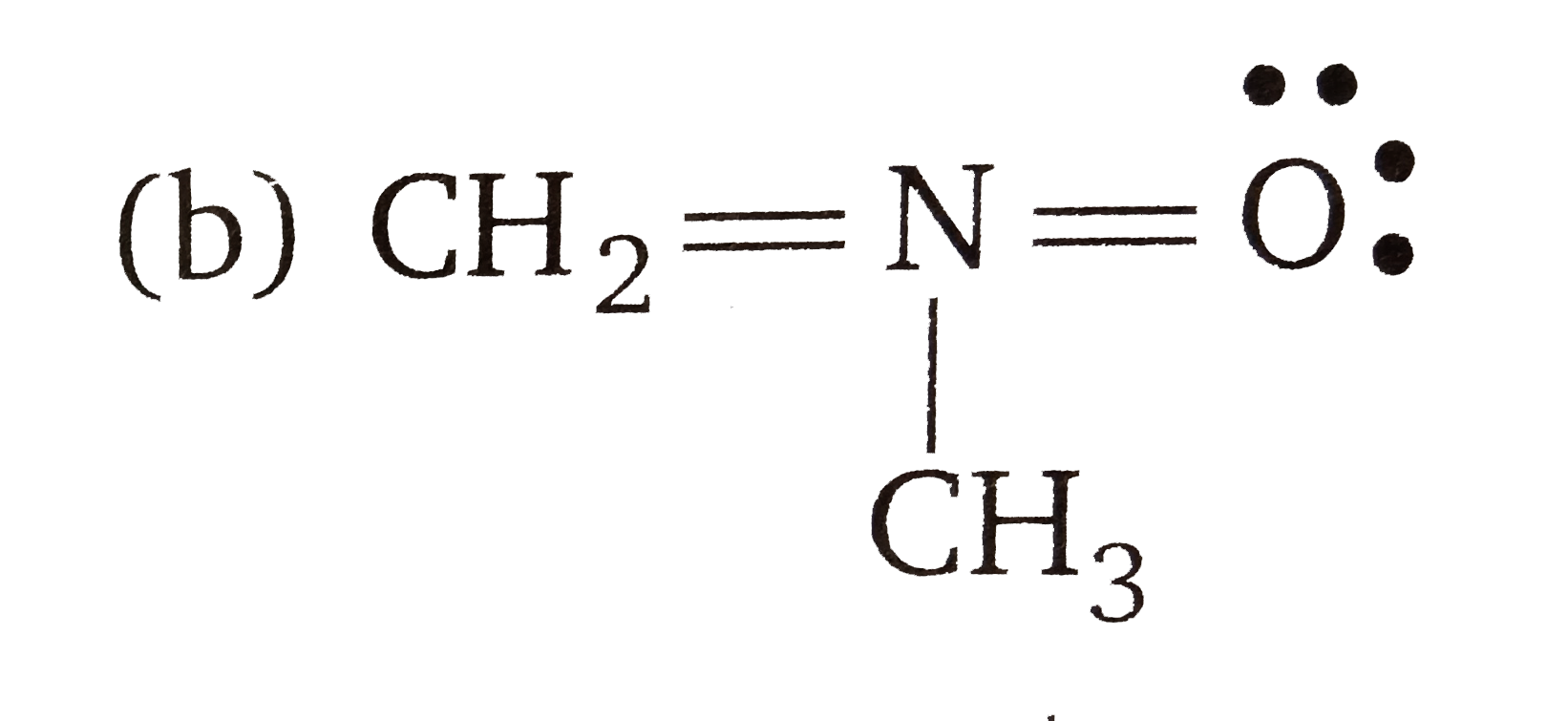
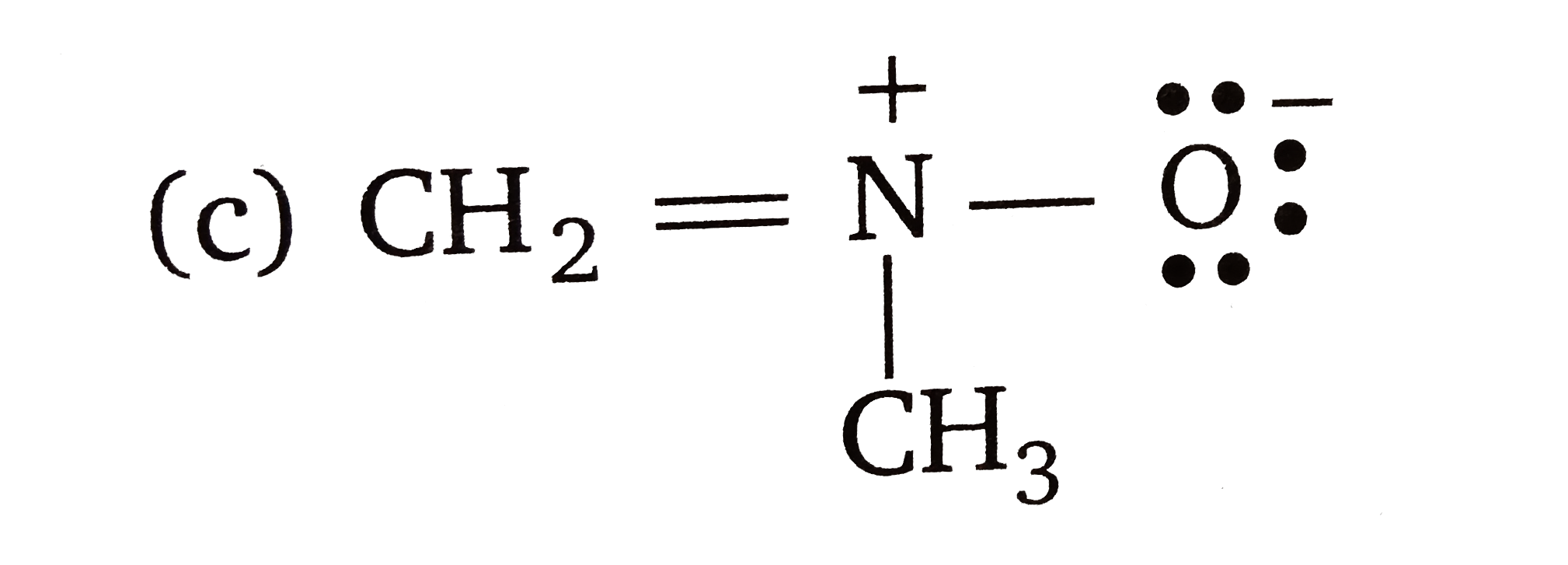
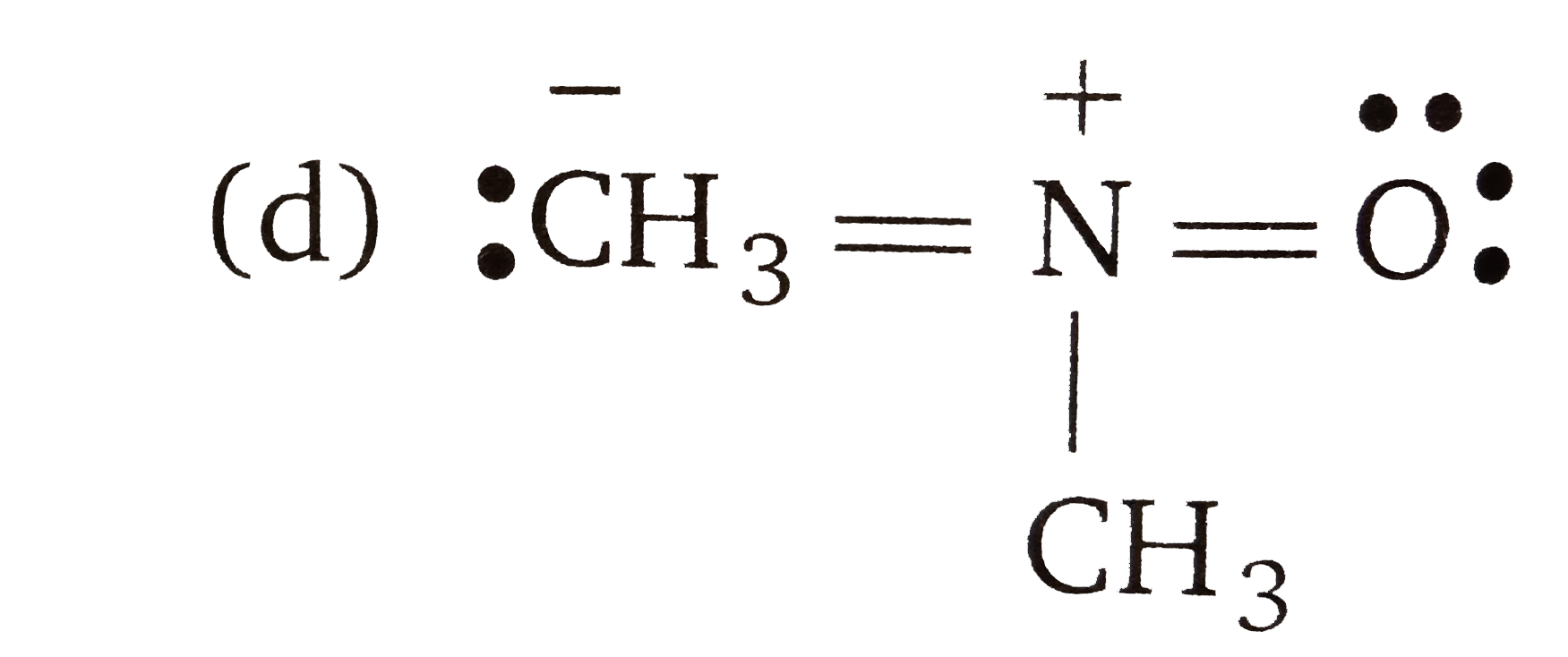
Which is not a permissible resonating structure ?

A

B

C

D

Text Solution

AI Generated Solution

The correct Answer is:

To determine which of the given structures is not a permissible resonating structure, we need to analyze each option based on the rules of resonance and the octet rule. Here’s a step-by-step breakdown of the solution: ### Step 1: Analyze the first structure (Option A) - The first structure is **CS3-NO**. - Count the valence electrons: - Carbon (C) has 4 valence electrons, and there are 3 carbon atoms (3 x 4 = 12). - Nitrogen (N) has 5 valence electrons. - Oxygen (O) has 6 valence electrons. - Total valence electrons = 12 (from C) + 5 (from N) + 6 (from O) = 23. - Check the octet rule: - Each carbon has 4 bonds (octet satisfied). - Nitrogen has 3 bonds and 1 lone pair (octet satisfied). - Oxygen has 2 bonds and 2 lone pairs (octet satisfied). - Conclusion: This structure is permissible. ### Step 2: Analyze the second structure (Option B) - The second structure is **CS2=N=O**. - Count the valence electrons: - 3 Carbon atoms contribute 12 electrons. - Nitrogen contributes 5 electrons. - Oxygen contributes 6 electrons. - Total valence electrons = 12 + 5 + 6 = 23. - Check the octet rule: - Each carbon has 4 bonds (octet satisfied). - Nitrogen has 5 bonds (3 from double bonds with C and O), which exceeds the octet rule. - Conclusion: This structure is **not permissible** because nitrogen has 5 bonds. ### Step 3: Analyze the third structure (Option C) - The third structure is **CS2=N** with a negative charge. - Count the valence electrons: - 3 Carbon atoms contribute 12 electrons. - Nitrogen contributes 5 electrons. - Total valence electrons = 12 + 5 = 17. - Check the octet rule: - Each carbon has 4 bonds (octet satisfied). - Nitrogen has 3 bonds and 1 lone pair (octet satisfied). - Conclusion: This structure is permissible. ### Step 4: Analyze the fourth structure (Option D) - The fourth structure is **CS3=N^+O**. - Count the valence electrons: - 3 Carbon atoms contribute 12 electrons. - Nitrogen contributes 5 electrons. - Oxygen contributes 6 electrons. - Total valence electrons = 12 + 5 + 6 = 23. - Check the octet rule: - Each carbon has 4 bonds (octet satisfied). - Nitrogen has 4 bonds (octet satisfied). - Oxygen has 2 bonds and 2 lone pairs (octet satisfied). - Conclusion: This structure is permissible. ### Final Conclusion After analyzing all the options, we conclude that **Option B (CS2=N=O)** is not a permissible resonating structure because nitrogen exceeds the octet rule with 5 bonds. **Answer: Option B is not a permissible resonating structure.** ---

To determine which of the given structures is not a permissible resonating structure, we need to analyze each option based on the rules of resonance and the octet rule. Here’s a step-by-step breakdown of the solution: ### Step 1: Analyze the first structure (Option A) - The first structure is **CS3-NO**. - Count the valence electrons: - Carbon (C) has 4 valence electrons, and there are 3 carbon atoms (3 x 4 = 12). - Nitrogen (N) has 5 valence electrons. - Oxygen (O) has 6 valence electrons. ...
Promotional Banner

Topper's Solved these Questions

  • CHEMICAL BONDING

    P BAHADUR|Exercise Exercise2B|25 Videos
  • CHEMICAL BONDING

    P BAHADUR|Exercise Exercise3|70 Videos
  • CHEMICAL BONDING

    P BAHADUR|Exercise Exercise 7|11 Videos
  • ATOMIC STRUCTURE

    P BAHADUR|Exercise Exercise 9|38 Videos
  • CHEMICAL EQUILIBRIUM

    P BAHADUR|Exercise Exercise|134 Videos

Similar Questions

Explore conceptually related problems

Which is the most stable resonating structure?

Which of the following is not a permissible resonating form?

Which of the following is not acceptable as resonating structure :

Draw the resonating structures of

Which will be the least stable resonating structure?

Which will be the least stable resonating structure?

P BAHADUR-CHEMICAL BONDING-Exercise2A
  1. Which of the following molecule froms linear polymeric structure due t...

    Text Solution

    |

  2. The correct roder o fincreasing C-O bond lengths in CO, CO3^(2-) and ...

    Text Solution

    |

  3. Among the following which has resonating structure ?

    Text Solution

    |

  4. For which crystalline substance does the solubility in water increase ...

    Text Solution

    |

  5. Which among the following is true ?

    Text Solution

    |

  6. During the formation of a molecular orbital from atomic orbitral , th...

    Text Solution

    |

  7. The shapes of PCl4^+, PCl4^- and AsCl4 are respectively :

    Text Solution

    |

  8. Which of the following paires of elements for oxideas of polyanions a...

    Text Solution

    |

  9. N -O -N bond andle is maximum in :

    Text Solution

    |

  10. Which is not a permissible resonating structure ?

    Text Solution

    |

  11. Which pair represents canonical from ?

    Text Solution

    |

  12. Which of the following would have permanent dipple moment ?

    Text Solution

    |

  13. The correct order of increasing covalent charactre is :

    Text Solution

    |

  14. Which one of the following orders is not correct in accordance whith ...

    Text Solution

    |

  15. The electronegaivity difference between N and F is greater than that b...

    Text Solution

    |

  16. In which of the following moleucles are all the bonds not equal ?

    Text Solution

    |

  17. Which of the following is not a correct statement ?

    Text Solution

    |

  18. Which of the following species has a linear shape ?

    Text Solution

    |

  19. Which of the following is not isostructural with SiCkl4 ?

    Text Solution

    |

  20. The number of unpaired electrons in a parmamagnetic diatomic molecyle ...

    Text Solution

    |
