

Home
Class 12
PHYSICS
Maximum kinetic energy (E(k)) of a photo...

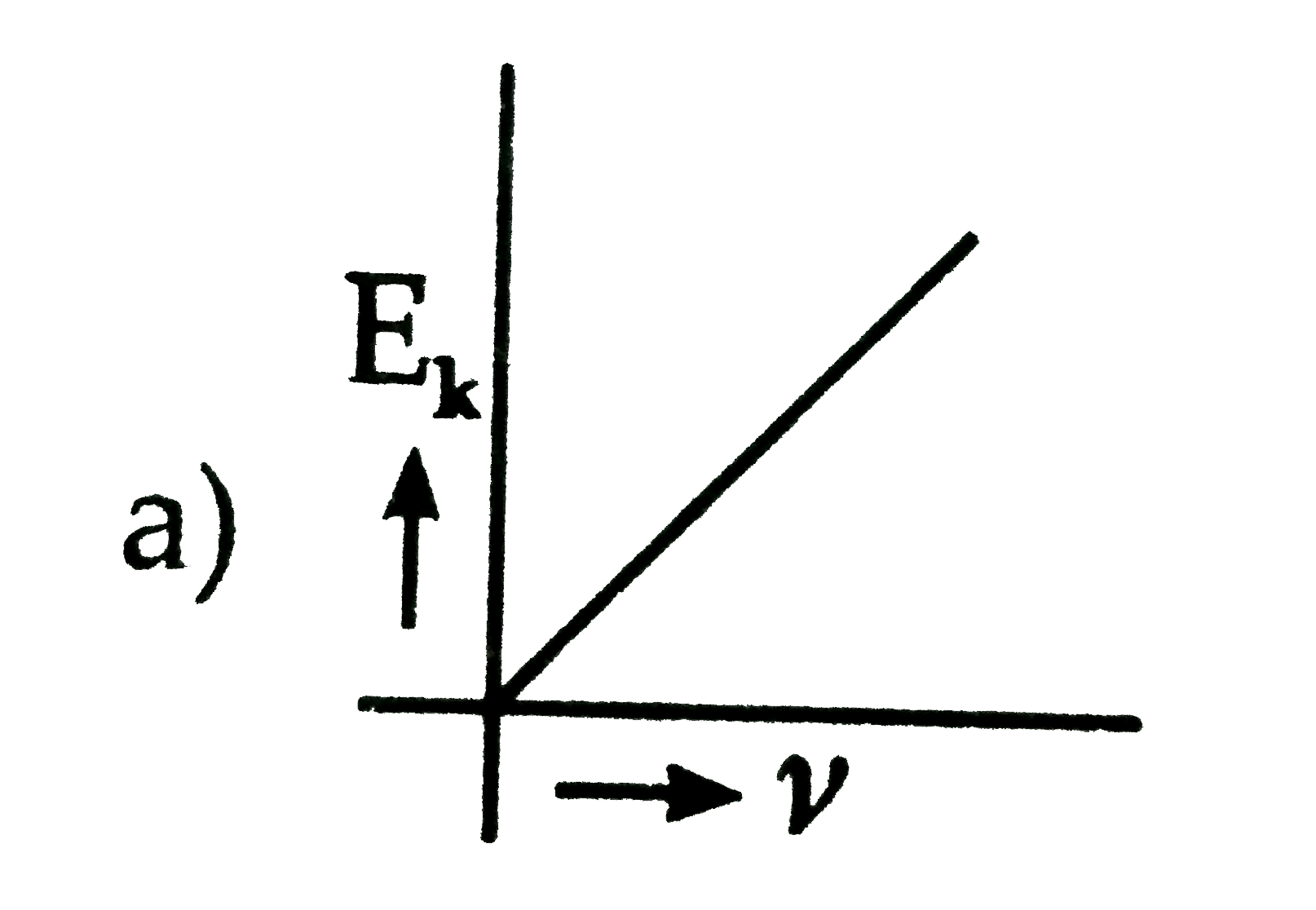
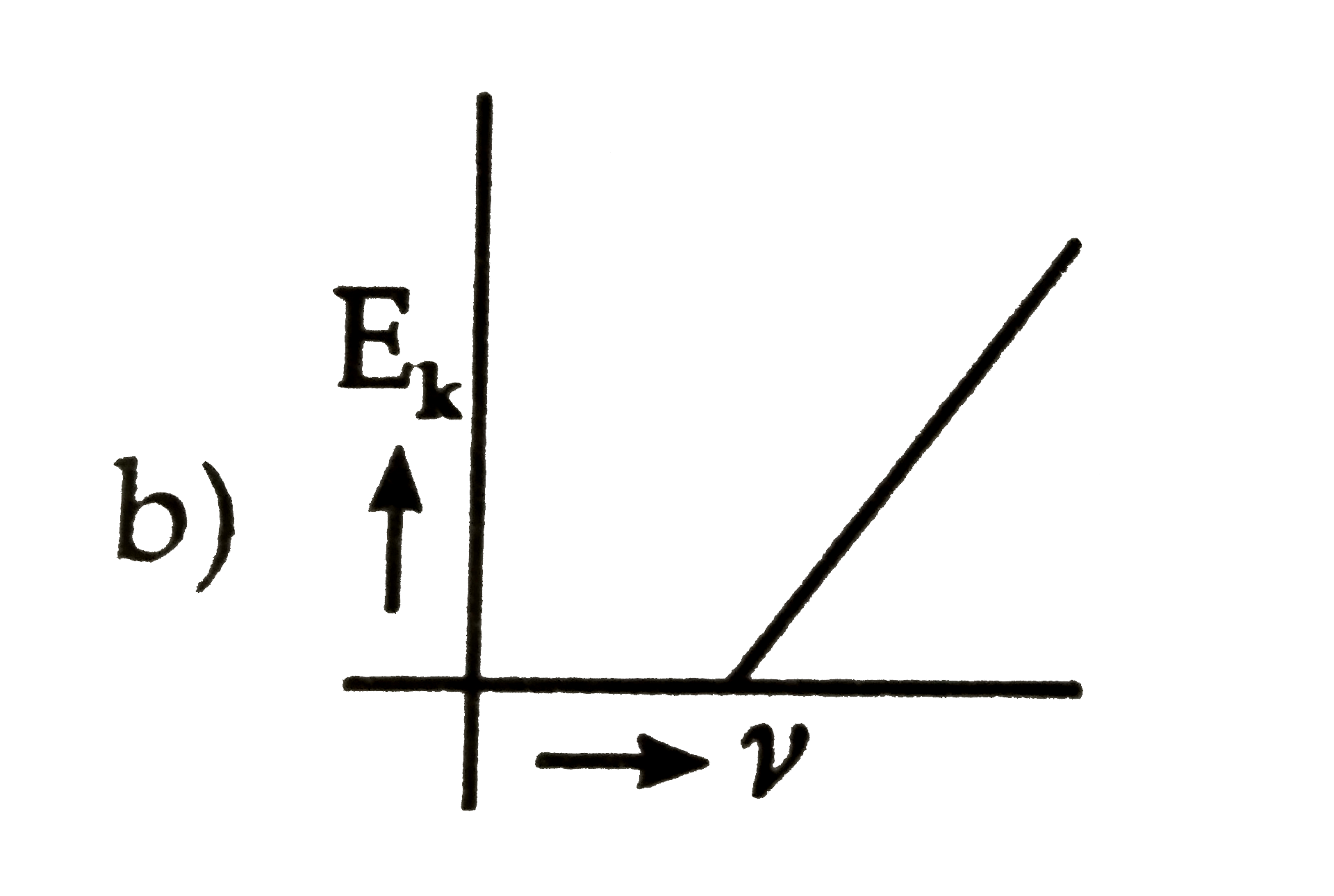
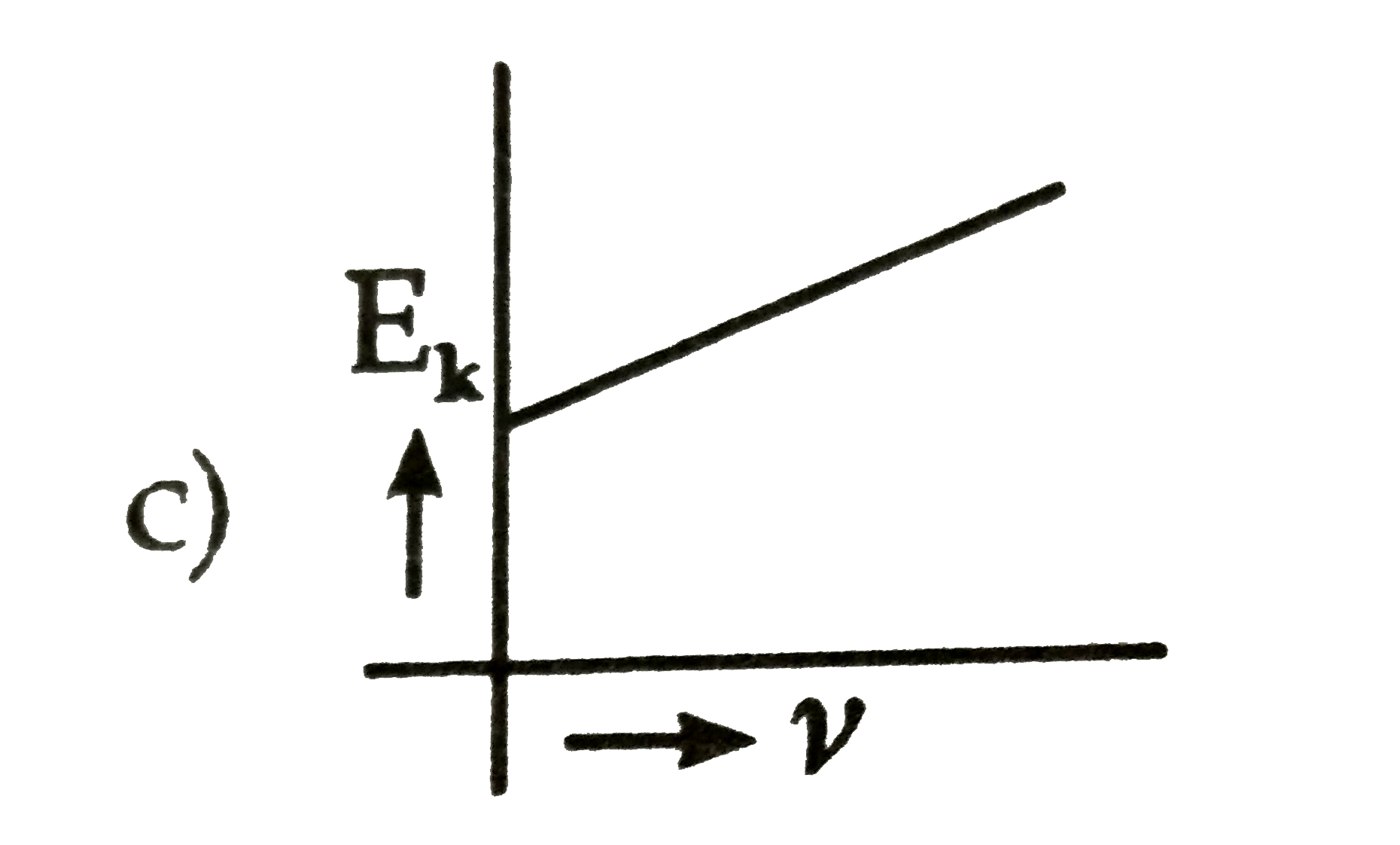
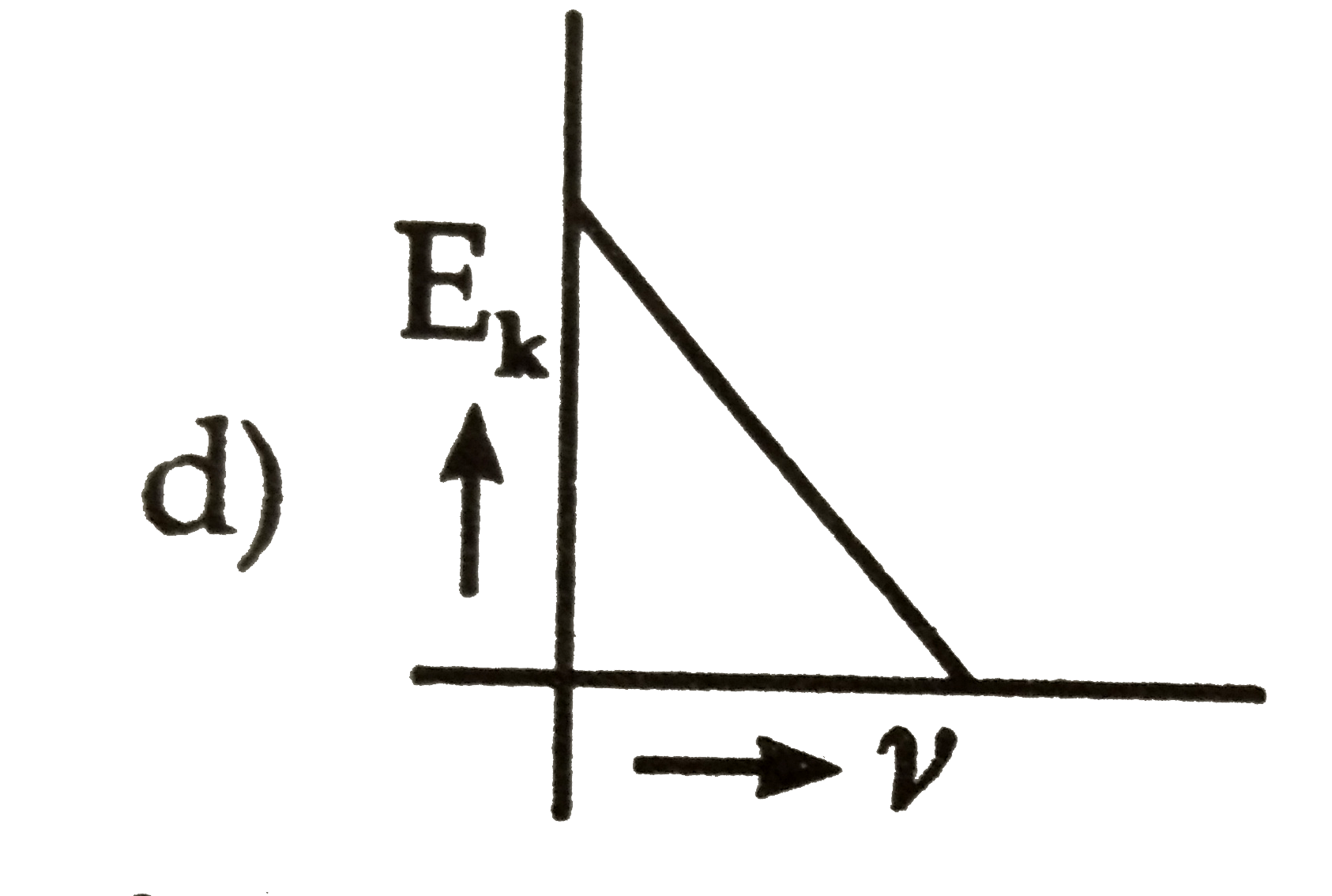
Maximum kinetic energy `(E_(k))` of a photoelectron varies with the frequency (v) of the incident radiation as

A

B

C

D

Text Solution

Verified by Experts

The correct Answer is:
B
Promotional Banner

Topper's Solved these Questions

  • ELECTROMAGNETIC INDUCTION

    NIKITA PUBLICATION|Exercise MCQs|431 Videos
  • ELECTROSTATICS

    NIKITA PUBLICATION|Exercise Multiple Choice Questions|458 Videos

Similar Questions

Explore conceptually related problems

The kinetic energy (E_(k)) of a photoelectron varies with the frequency (v) of the incident radiation as which of the following graph ?

The maximu kinetic energy (E_(k)) of the photoelectron varies with frequency (v) of the incident light as shown by the curve:

The de Broglie wavelenght (lambda) associated with a photoelectron varies with the frequency (v) of the incident radiation as,[ v_(0) is threshold frequency]:

For the photoelectric effect, the maximum kinetic energy E_(k) of the emitted photoelectrons is plotted against the frequency ν of the incident photons as shown in the figure. The slope of the curve gives

Assertion : If U.V radiations and infrared radiations fall on a metal plate, stopping potential would be grater for infrared radiations. Reason : Maximum kinetic energy of photoelectrons is inversely proportional to the frequency of incident radiation.

According to Einstein's photoelectric equation, the plot of the maximum kinetic energy of the emitted photoelectrons from a metal versus frequency of the incident radiation gives a straight line whose slope

The maximum kinetic energy of the emitted photoelectrons against frequency upsilon of incident radiation is plotted as shown in Fig. This graph help us in determining the following physical quantities

According to Einstein's photoelectric equation, the graph between kinetic energy of photoelectrons ejected and the frequency of the incident radiation is :

NIKITA PUBLICATION-ELECTRONS AND PHOTONS -MCQs
  1. The stopping potential as a function of frequency of incident radiatio...

    Text Solution

    |

  2. Photoelectric effect is explained by

    Text Solution

    |

  3. Maximum kinetic energy (E(k)) of a photoelectron varies with the frequ...

    Text Solution

    |

  4. In order to increase the kinetic energy of ejected photoelectrons , th...

    Text Solution

    |

  5. The phenomenon of photoelectric emission was discovered in 1887 by

    Text Solution

    |

  6. The velocity of photon is proportional to (where v is frequency)

    Text Solution

    |

  7. In photoelectric emission, the velocity of electrons ejected from near...

    Text Solution

    |

  8. In photoelectric emission, the energy of the emitted electron is

    Text Solution

    |

  9. If the work function of a metal is 'phi' and the frequency of the inci...

    Text Solution

    |

  10. Which of the following is dependent on the intensity of incident radia...

    Text Solution

    |

  11. Photoelectric effect supports

    Text Solution

    |

  12. Threshold wavelength for photoelectric effect on sodium is 5000 Å . It...

    Text Solution

    |

  13. For three different metals A , B and C , photoemission is observed one...

    Text Solution

    |

  14. When light of wavelength 300 nm (nanometre) falls on a photoelectric e...

    Text Solution

    |

  15. Which of the following graphs represents correctly the variations of 0...

    Text Solution

    |

  16. If the radiation is incident on the metallic surface of work function ...

    Text Solution

    |

  17. A metal surface is illuminated by a light of given intensity and frequ...

    Text Solution

    |

  18. The stopping potential for acertain photosensitive metal is Vq when th...

    Text Solution

    |

  19. Einsteins photoelectric equation is

    Text Solution

    |

  20. In photoelectric effect when photons of energy hv fall on a photosensi...

    Text Solution

    |