


Topper's Solved these Questions
Similar Questions
Explore conceptually related problems
CHETAN PUBLICATION-SIMILARITY -ASSIGNMENT-1
- Select the appropriate alternative : In the adjoining figure , PQ || A...
Text Solution
|
- In the figure seg XY|| BC , then which of the following statement is ...
Text Solution
|
- Solve the following questions : DeltaABC~DeltaPQRA(DeltaABC):A(Delt...
Text Solution
|
- Solve the foloowing questions : DeltaPQR,"seg " RS" is the bisector of...
Text Solution
|
- Perform any one the following activities: In the adjoining figure ,...
Text Solution
|
- Perform any one the following activities: In the adjoining figure ...
Text Solution
|
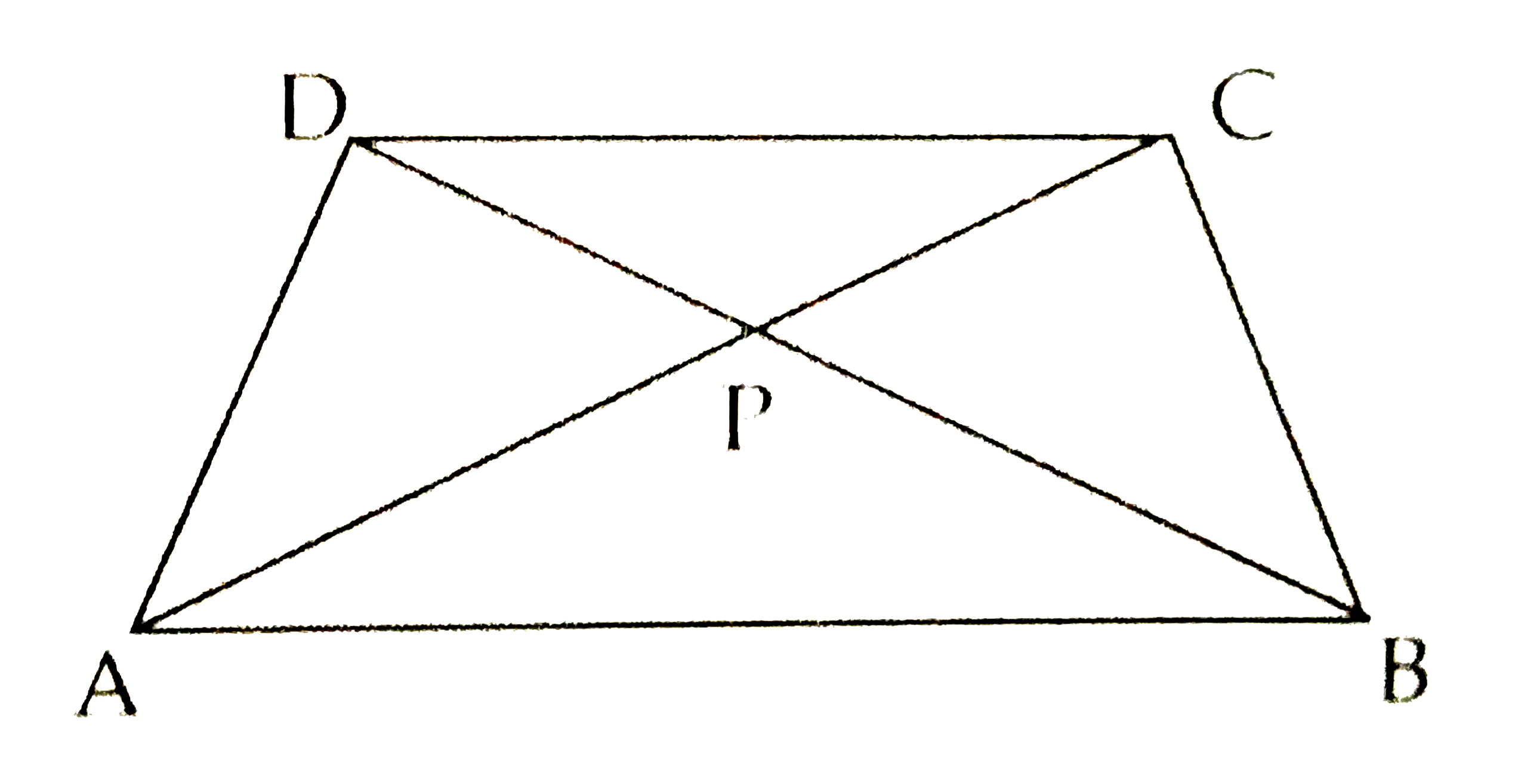
- Attempt any Two of the following: In squareABCD ,seg AB ||seg CD ....
Text Solution
|
- D is a point on side BC of DeltaABC such that , angleADC=angleBAC. S...
Text Solution
|
- Attempt any Two of the following: In the adjoining figure seg PA ...
Text Solution
|
- Atempt any two of the following : In DeltaPQR ray MX and ray MY bis...
Text Solution
|
- Atempt any two of the following : In the adjoining figure , in the ...
Text Solution
|
- Atempt any two of the following : Prove : In a triangle the angle ...
Text Solution
|