A
B
C
D
Text Solution
Verified by Experts



Topper's Solved these Questions
CIRCLE
CHETAN PUBLICATION|Exercise Problems for practice (Based on parctice Set 3.1)|4 VideosCIRCLE
CHETAN PUBLICATION|Exercise Problems for practice (Based on parctice Set 3.2)|5 VideosCIRCLE
CHETAN PUBLICATION|Exercise Problem Set - 3 (MCQs)|10 VideosCHALLENGING QUESTIONS
CHETAN PUBLICATION|Exercise Mensuration|9 VideosCO-ORDINATE GEOMETRY
CHETAN PUBLICATION|Exercise ASSIGNMENT-5|11 Videos
Similar Questions
Explore conceptually related problems
CHETAN PUBLICATION-CIRCLE-Problem Set - 3 (Additional MCQs)
- angleQPR=60^(@) :. angleAOB= ........
Text Solution
|
- Angle between external end point of radius and tangent is .......
Text Solution
|
- Point P is on the circle. AB is diameter of the circle, angleAPB is ....
Text Solution
|
- MN is tangent at M and AM is radius . Find AM.
Text Solution
|
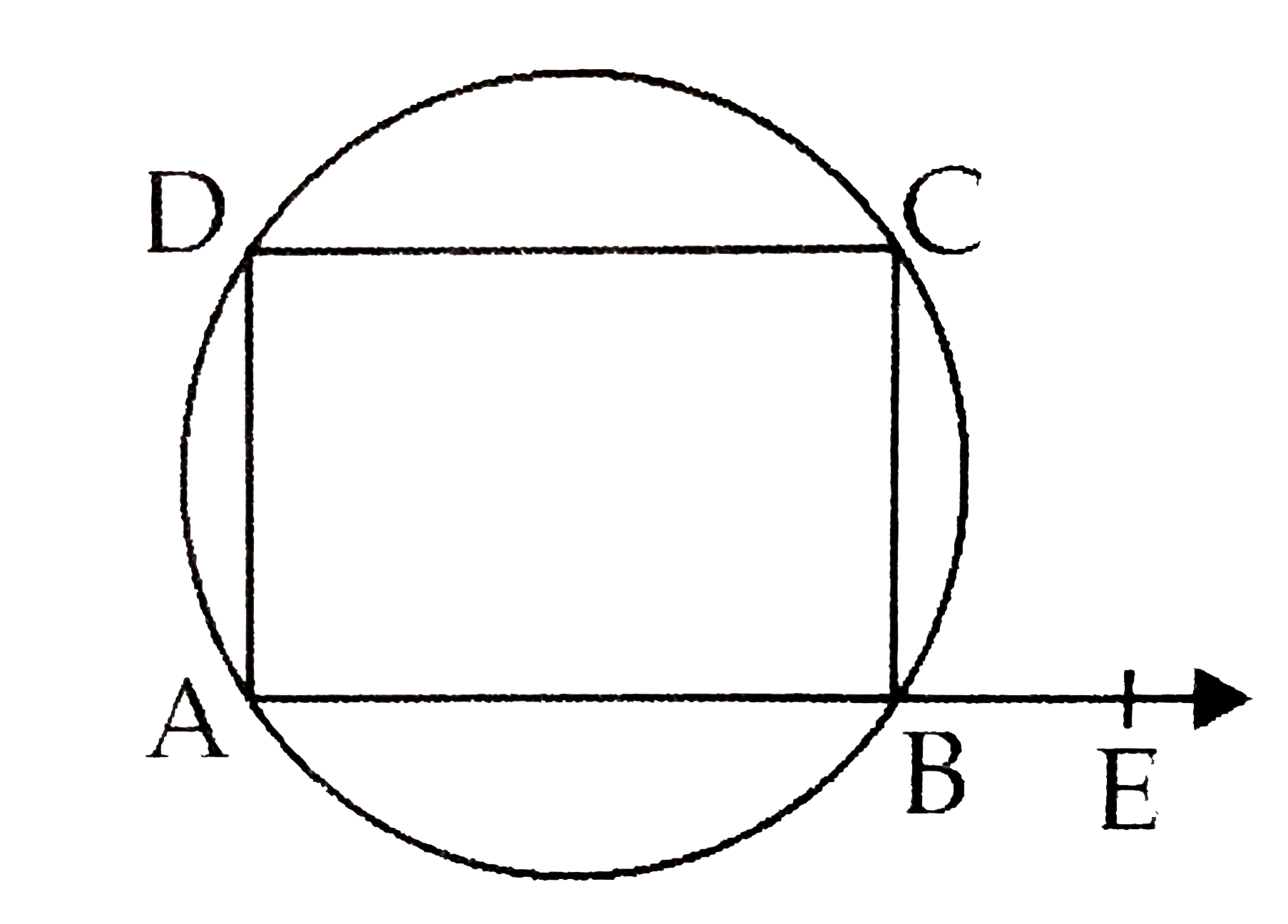
- angleADC=80^(@) , then angleCBE = ?
Text Solution
|
- angleXYZ=40^(@) ,angleAYZ=20^(@) line Ay is tangent at point Y . :...
Text Solution
|
- AB is tangent at B. AB = 12, AP = 6 :. PQ= .......
Text Solution
|
- Line PT is tangent at point T . Which of the following is true ?
Text Solution
|
- A circle with centre P . Line AB and line AC are tangents from point ...
Text Solution
|
- In adjoining figure, PQ = QR . angleP = 60^(@) :. m (arc PR)= .....
Text Solution
|