A
B
C
D
Text Solution
Verified by Experts
The correct Answer is:



Similar Questions
Explore conceptually related problems
Recommended Questions
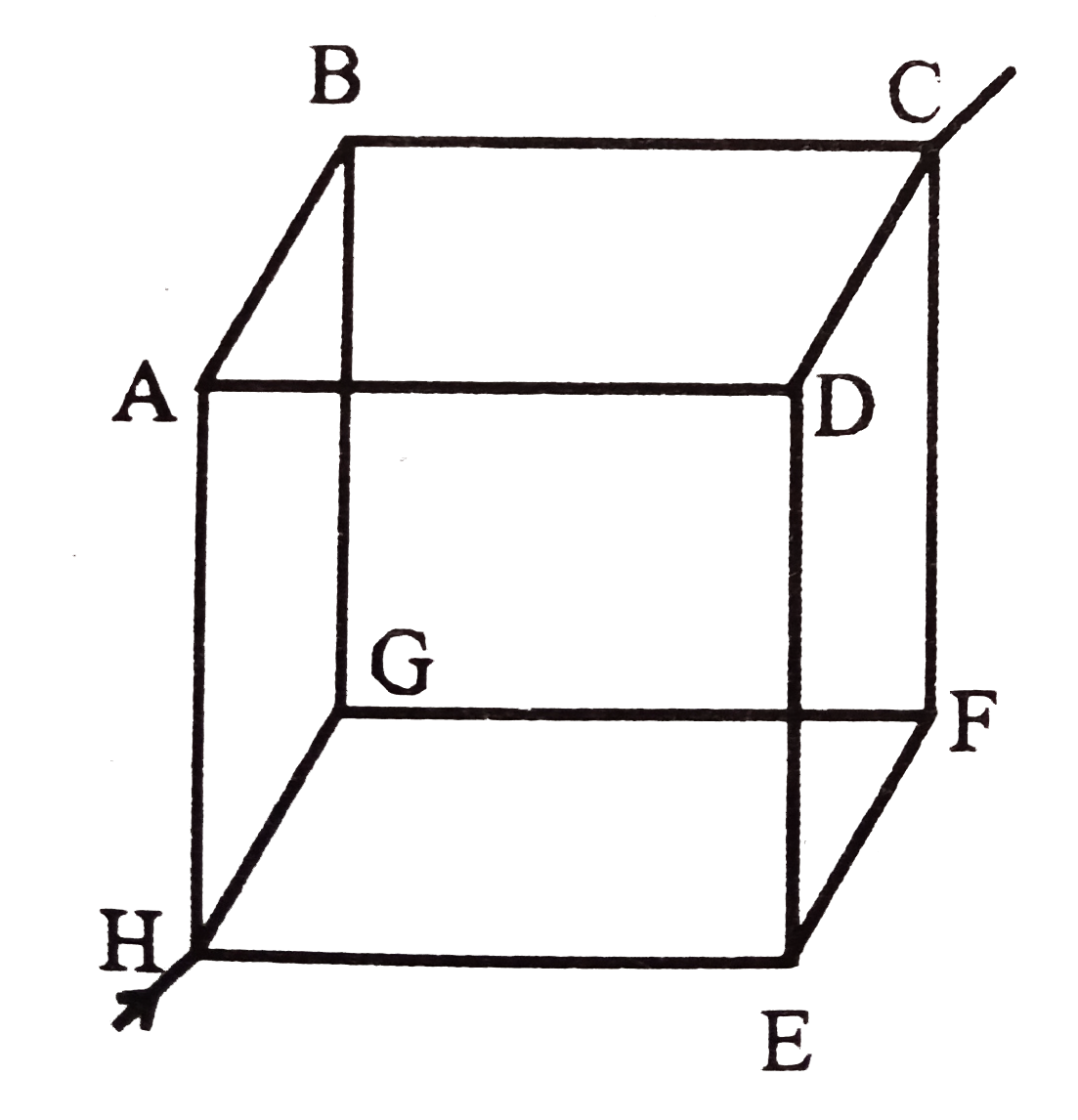
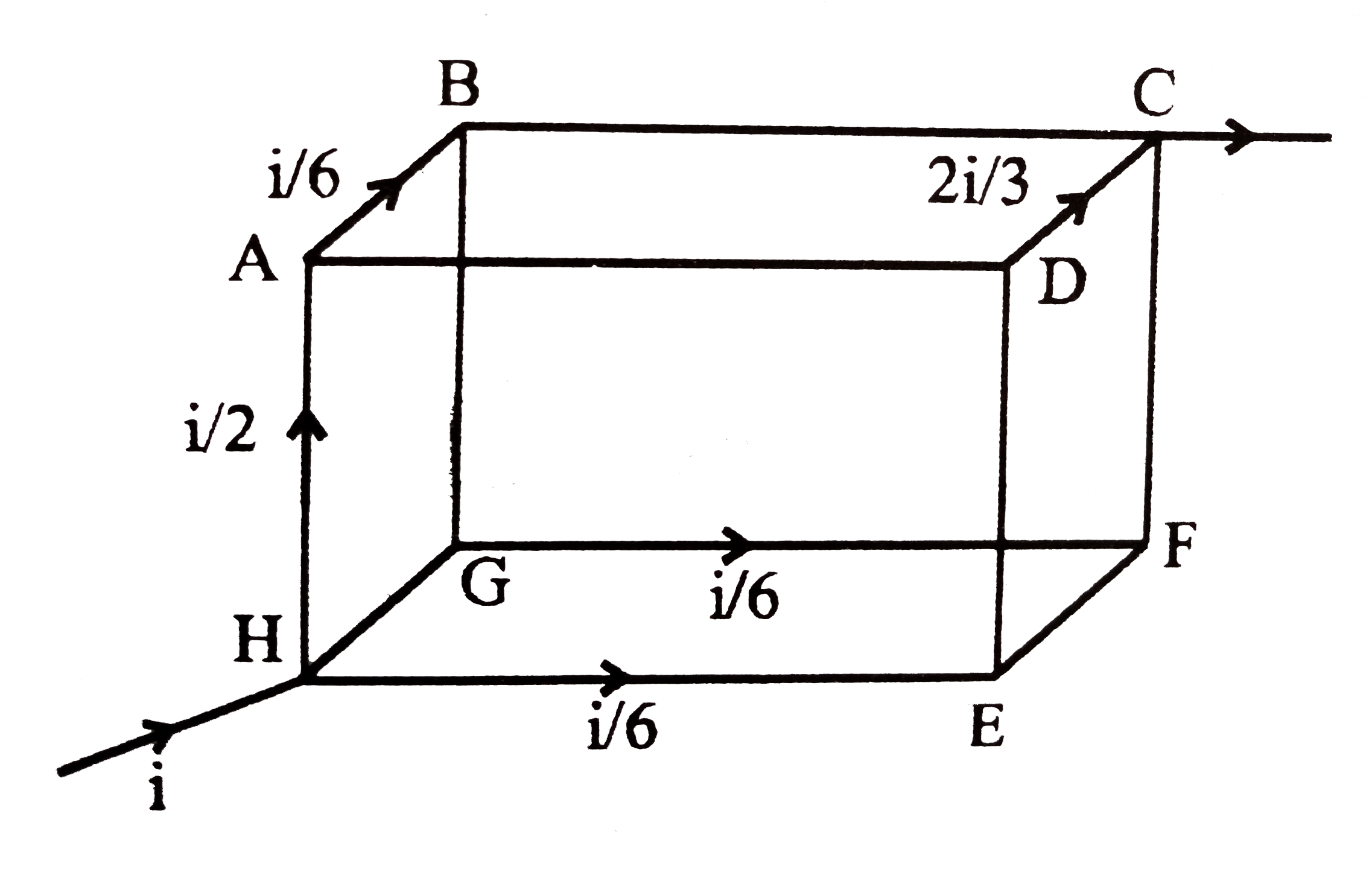
- In the box shown current i enters at H and leaves at C. If i(AB) = i/6...
Text Solution
|
- In the box shown current i enters at H and leaves at C. If i(AB) = i/6...
Text Solution
|
- In the network shown in figure. Find (i) the currents I(1),I(2) and I(...
Text Solution
|
- In the circuit shown, the value of currents I(1), I(2) and I(3) are
Text Solution
|
- For the given network calculate current I and I(2).
Text Solution
|
- Find relation in between current i(1), i(2), i(3), i(4), i(5)" and "i(...
Text Solution
|
- निम्न परिपथ में वैधुत धाराओं I , i(1) तथा i(2) की गणना कीजिए ।
Text Solution
|
- कथन1. किसी अर्धचालक में विद्युत धारा (I) की दिशा होले को गति की दिशा म...
Text Solution
|
- n- p-n ट्रांजिस्टर में उत्सर्जक धारा I(e), आधार धारा I(b) तथा संग्...
Text Solution
|