A

B
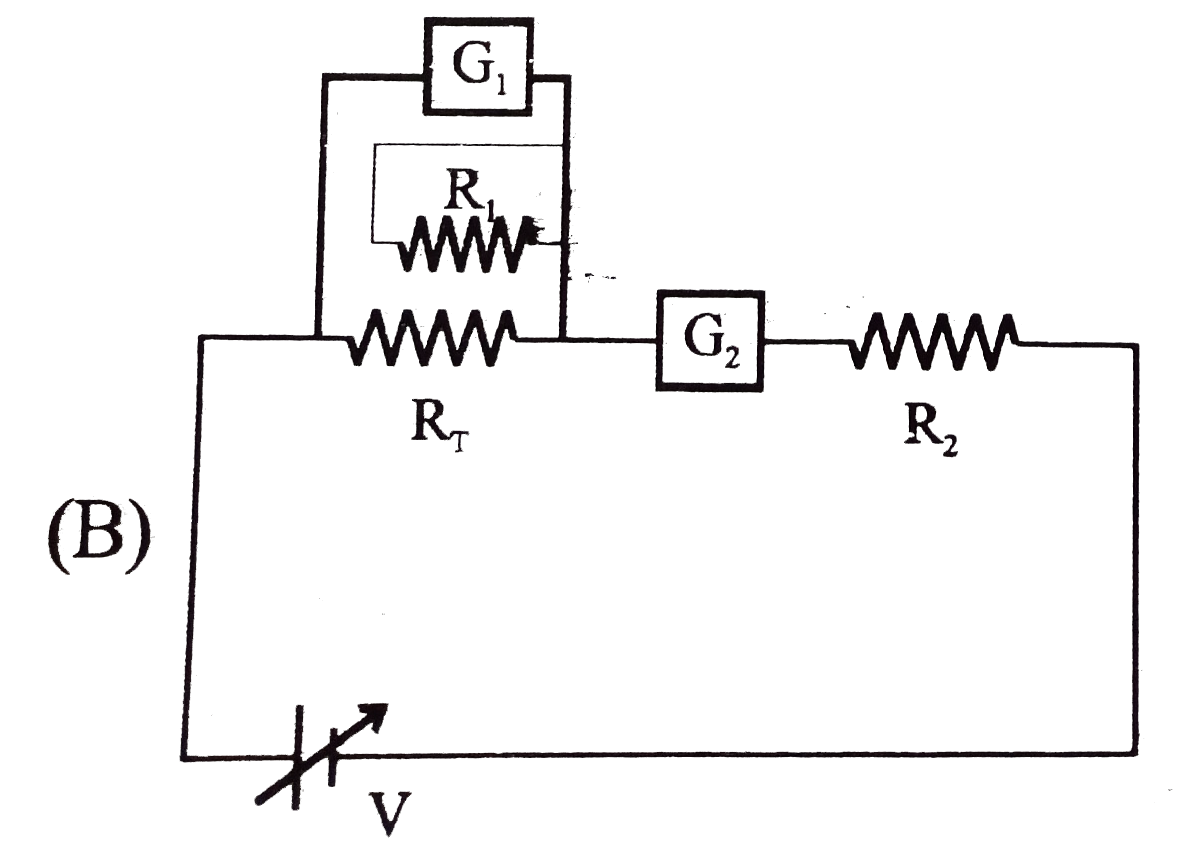
C
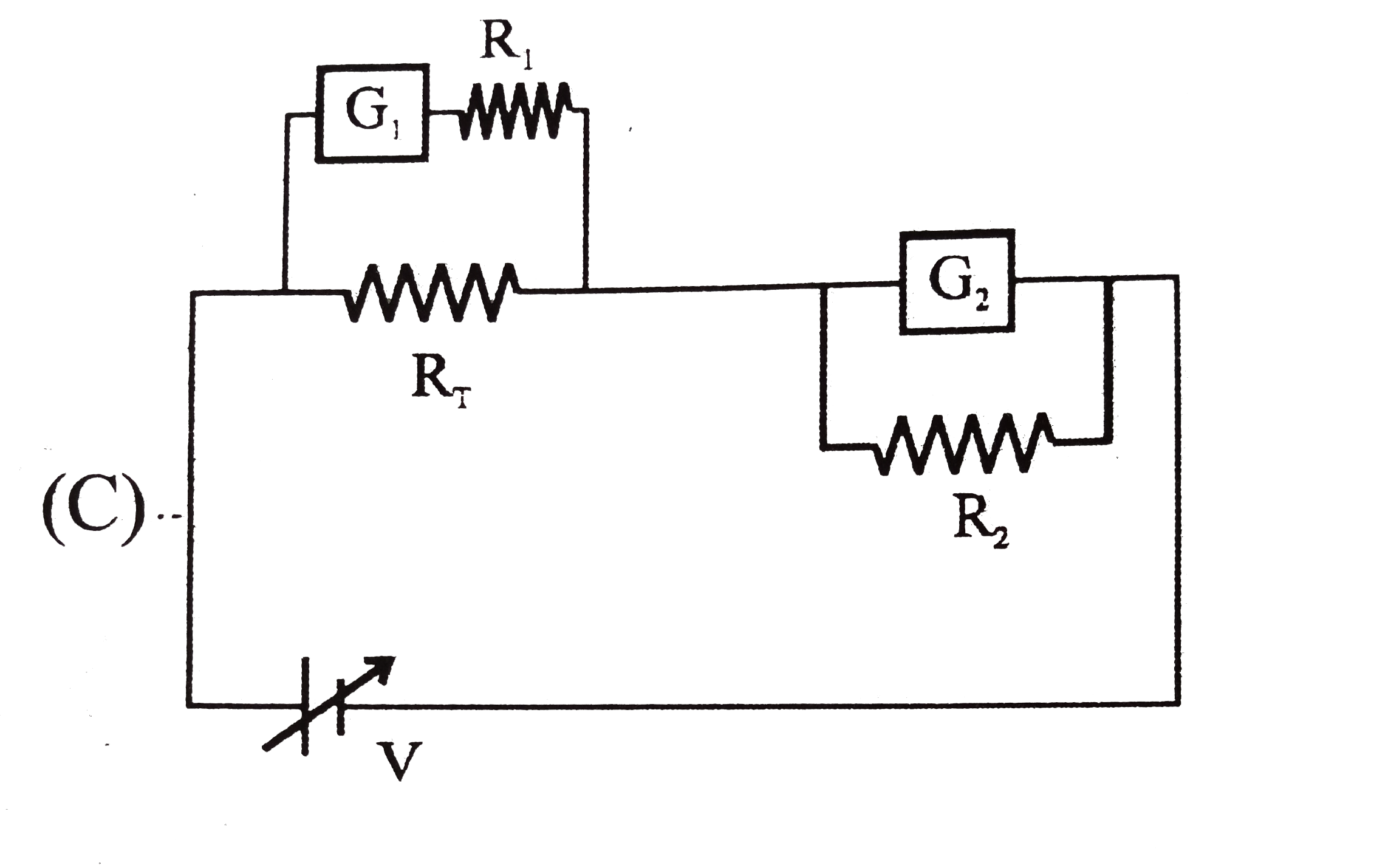
D
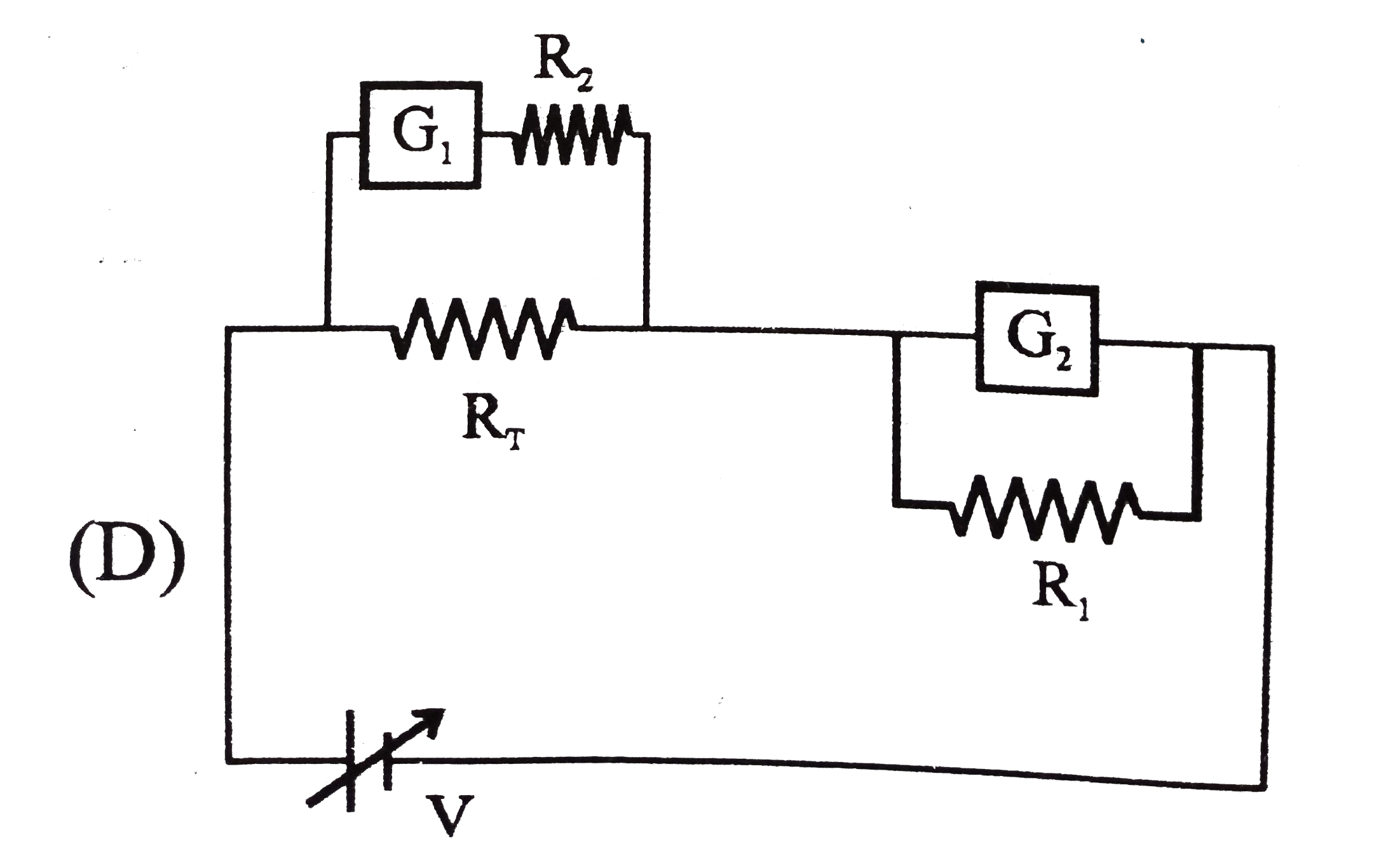
Text Solution
Verified by Experts
The correct Answer is:



Similar Questions
Explore conceptually related problems
Recommended Questions
- To verify Ohm's law, a student is provided with a test resistor R(T), ...
Text Solution
|
- To verify Ohm's law, a student is provided with a test resistor RT , a...
Text Solution
|
- To verify Ohm's law, a student is provided with a test resistor R(T), ...
Text Solution
|
- Two resistors of resistance R(1) and R(2) having R(1) gt R(2) are conn...
Text Solution
|
- दो ग्रहों के औसत घनत्व समान हैं परन्तु त्रिज्याएँ R(1) तथा R(2) हैं। ...
Text Solution
|
- A resistance R(1) is connected to a source of constant voltage . On co...
Text Solution
|
- यदि दो ग्रहों की त्रिज्याएँ r(1) तथा r(2) व घनत्व d(1) और d(2), तथा ...
Text Solution
|
- ओम के नियम को सत्यापित करने के लिये, एक विद्यार्थी को टेस्ट प्रतिरोधक ...
Text Solution
|
- If resistors of resistance R(1) and R(2) are connected in parallel,the...
Text Solution
|