Text Solution
Verified by Experts
The correct Answer is:



Recommended Questions
- A circular disc of mass 300 gm and radius 20 cm can roate freely about...
Text Solution
|
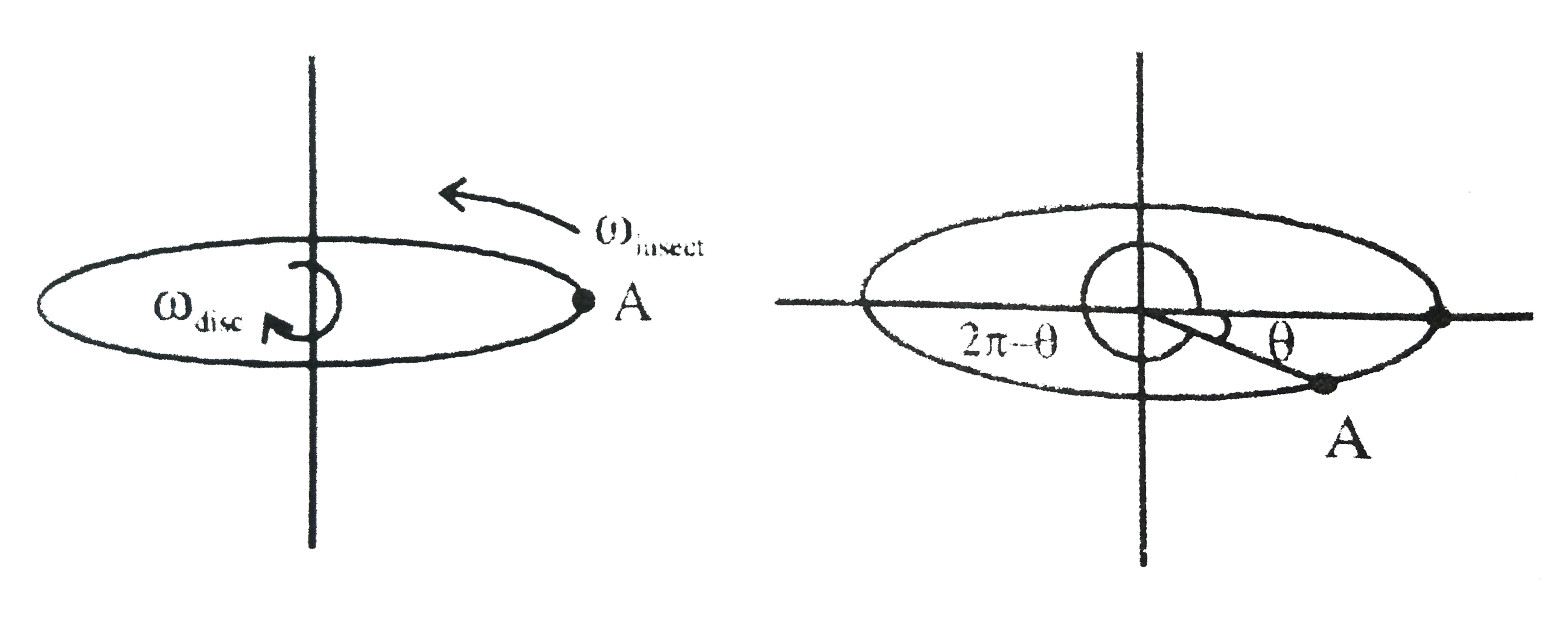
- A thin horizontal circular disc is roating about a vertical axis passi...
Text Solution
|
- A man of mass m stands on a horizontal platform in the shape of a disc...
Text Solution
|
- A horizontal disc rotates freely about a vertical axis through its cen...
Text Solution
|
- A circular disc of mass 300 gm and radius 20 cm can roate freely about...
Text Solution
|
- A homogeneous disc of mass 2 kg and radius 15 cm is rotating about its...
Text Solution
|
- A large disc has mass 2kg and radius 0.2 m and initial angular velocit...
Text Solution
|
- A thin horizontal circular disc is rotating about a vertical axis pass...
Text Solution
|
- A thin horizontal circular disc is rotating about a vertical axis pass...
Text Solution
|