

Home
Class 12
PHYSICS
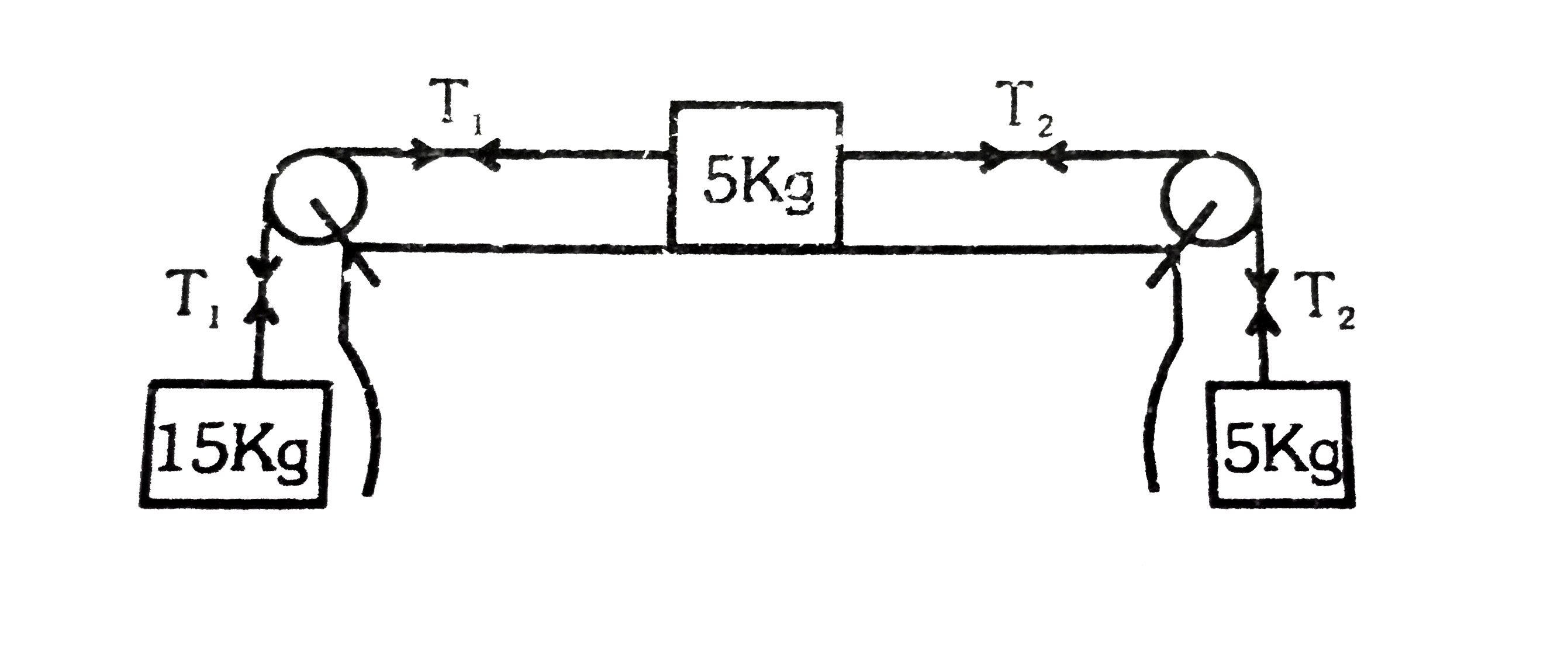
The fricition coefficient between the ta...

The fricition coefficient between the table and block shown in fig. is 0.2 find the acceleration of the system (Take `g=10 m//s^(2)`)

Promotional Banner

Similar Questions

Explore conceptually related problems

The friction coefficient between the table and the block shown in figure is 0.2. Find the tensions in the two strings.

The friction coefficient between the table and the block shown in figure is 0.2. Find the tension in the two strings.

In the figure shown, the frictional coefficient between the table and the block is 0.2. Find the ratio of tensions in the right and the left strings.

The friction coefficient between the horizontal surfce and ech of the blocks shown in figure is 0.20. The collision between the blocks is perfectly elastic. Find the separation between the two blocks when they come to rest. Take g=10 m/s^2 .

The friction coefficient between the horizontal surfce and ech of the blocks shown in figure is 0.20. The collision between the blocks is perfectly elastic. Find the separation between the two blocks when they come to rest. Take g=10 m/s^2 .

The friction coefficient between the horizontal surfce and ech of the blocks shown in figure is 0.20. The collision between the blocks is perfectly elastic. Find the separation between the two blocks when they come to rest. Take g=10 m/s^2 .

The friction coefficient between the horizontal surface and each of the block shown in the figure is 0.2 . The collision between the blocks is perfectly elastic. Find the separation between them when they come to rest. (Take g=10m//s^2 ).

The friction coefficient between the horizontal surface and each of the block shown in the figure is 0.2 . The collision between the blocks is perfectly elastic. Find the separation between them when they come to rest. (Take g=10m//s^2 ).

If coeffiecient of friction between the block of mass 2kg and table is 0.4 then out acceleration of the system and tension in the string. (g=10m//s^(2))