

Home
Class 11
PHYSICS
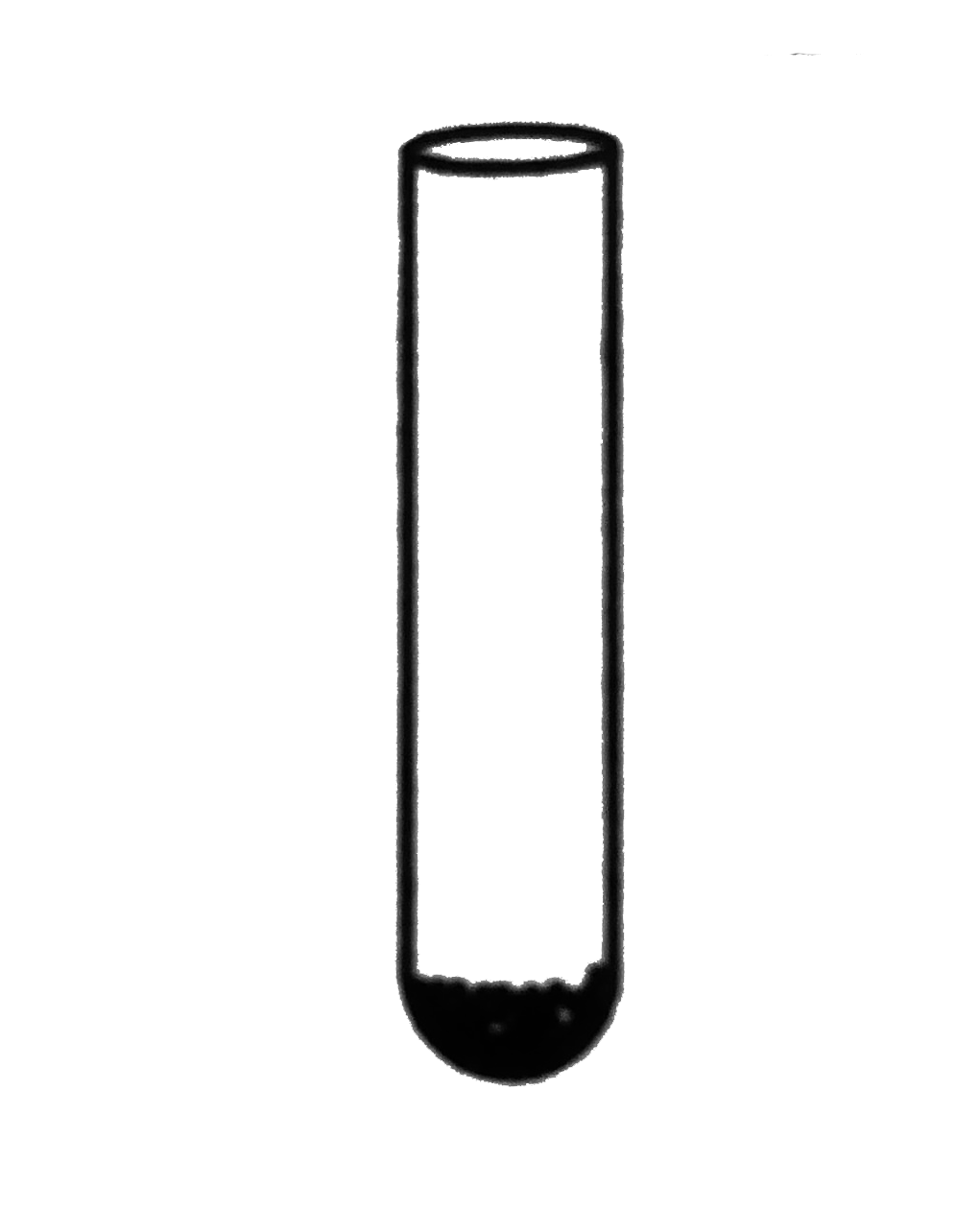
A glass tube of radius 0.8 cm floats ver...

A glass tube of radius `0.8 cm` floats vertical in water, as shown in figure. What mass of lead pellets would cause the tube to sink a further`3 cm`?

Promotional Banner

Similar Questions

Explore conceptually related problems

A glass tube of circular cross section is closed at one end. This end is weighted and the tube floats vertically in water, heavy end down. How far below the water surface is the end of the tube? Given: outer radius of the tube is 0.14 cm , mass of weighted tube is 0.2 g , surface tension of water 73 dyn//cm and g = 980 cms^(-12) .

A glass tube of circular cross section is closed at one end. This end is weighted and the tube floats vertically in water, heavy end down. How far below the water surface is the end of the tube? Given: outer radius of the tube is 0.14 cm , mass of weighted tube is 0.2 g , surface tension of water 73 dyn//cm and g = 980 cms^(-12) .

A vertical tube of length 100 cm contains a mercury pallet of length 5 cm as shown in the figure. The length of the tube above mercury pallet if the tube is inverted is nearly: (atmospheric pressure = 75 cm Hg of Hg)

A vertical tube of length 100 cm contains a mercury pallet of length 5 cm as shown in the figure. The length of the tube above mercury pallet if the tube is inverted is nearly: (atmospheric pressure = 75 cm Hg of Hg)

A glass capillary tube of internal radius r=0.25 mm is immersed in water. The top end of the tube projects by 2 cm above the surface of water. At what angle does the liquid meet the tube? Surface tension of water =0.7Nm^(-1) .

A glass capillary tube of internal radius r=0.25 mm is immersed in water. The top end of the tube projects by 2 cm above the surface of water. At what angle does the liquid meet the tube? Surface tension of water =0.7Nm^(-1) .