A
B
C
D
Text Solution
Verified by Experts
The correct Answer is:
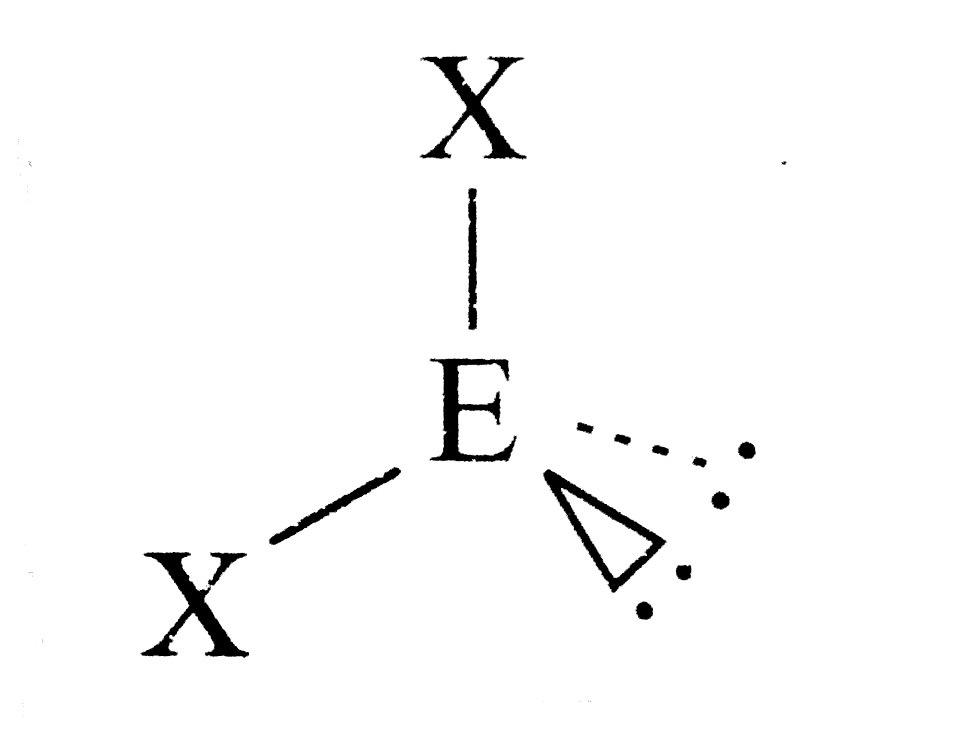
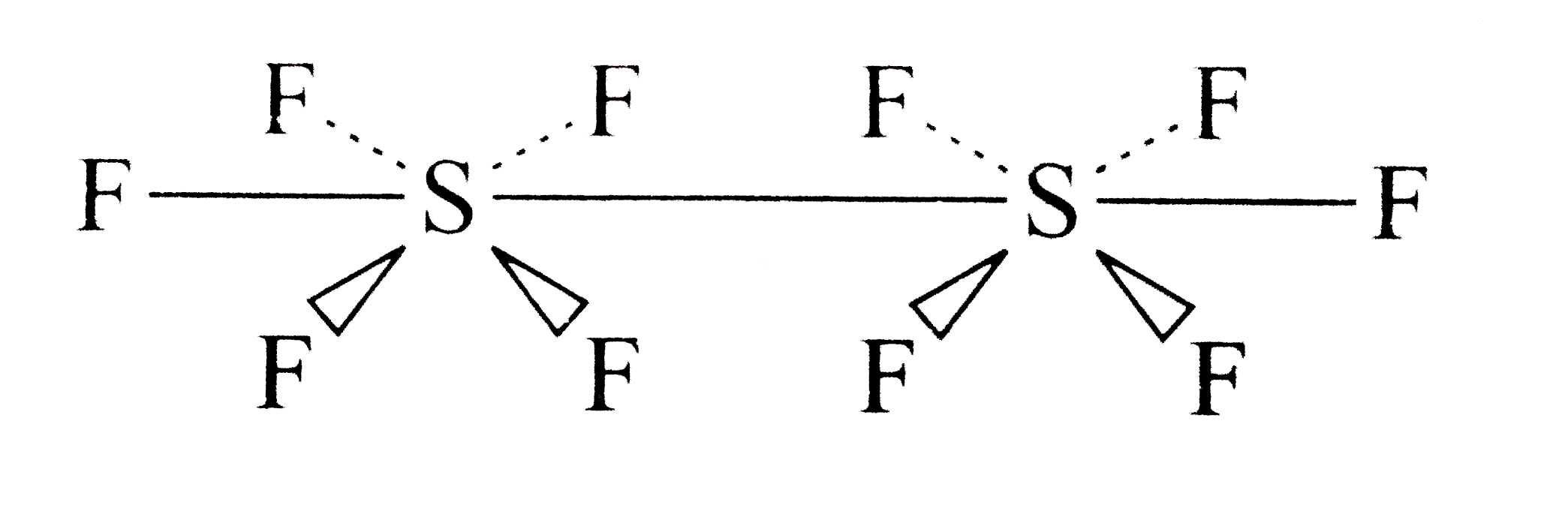



Topper's Solved these Questions
Similar Questions
Explore conceptually related problems
R SHARMA-THE P BLOCK ELEMENTS-Follow-up Test 12
- Pure H(2)S is prepared by the action of concentrated HCl on
Text Solution
|
- Which of the following is incorret about hydrogen sulphide?
Text Solution
|
- H(2)S can form
Text Solution
|
- Which of the following sulphides is soluble in water?
Text Solution
|
- Which of the following gases is used for separating metal ions into re...
Text Solution
|
- Hydrogen sulphide reacts with salts of various metals forming correspo...
Text Solution
|
- Which of the following statements is wrong?
Text Solution
|
- Which of the following orders is incorret?
Text Solution
|
- Which of the following gases turns lead acetate paper black?
Text Solution
|
- Sulphur dioxide is produced commercially on a vast scale by
Text Solution
|
- Sulphur dioxide is a//an "" oxide.
Text Solution
|
- Which of the following is agas at room temperature?
Text Solution
|
- Which of the following is a reducing agent?
Text Solution
|
- Which of the following exists as a cyclic tetramer in the solid state?
Text Solution
|
- Which of the following compounds is exceptionally stable for steric r...
Text Solution
|
- Which of the following undergoes disproportionation?
Text Solution
|