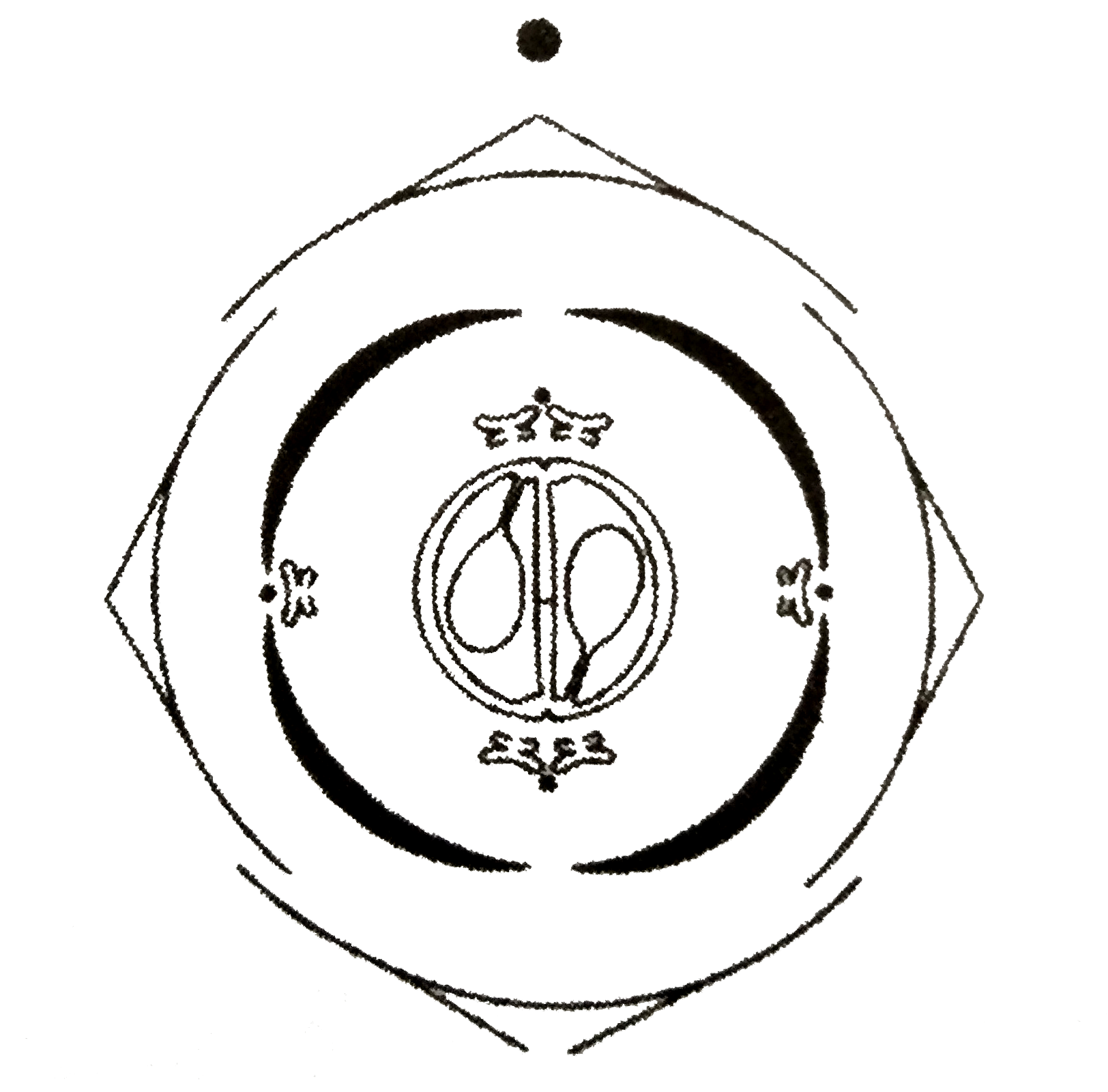
A
B
C
D
Text Solution
Verified by Experts
The correct Answer is:



Topper's Solved these Questions
Similar Questions
Explore conceptually related problems
NCERT FINGERTIPS-MORPHOLOGY OF FLOWERING PLANTS-Morphology Of Flowering Plants
- Consider the following statements. (i)In Gynandropsis, Passiflora , ...
Text Solution
|
- In the given figure of maize grain certain regions are labelled as A,B...
Text Solution
|
- Which of the following features characterise the family represented b...
Text Solution
|
- Rearrange the following zones as seen in the root in vertical section ...
Text Solution
|
- In an inflorescence where flowers are borne laterally in an acropetal ...
Text Solution
|
- The mature seeds of plants such as gram and peas, possess no endosperm...
Text Solution
|
- Roots developed from parts of the plant other than radicle are called
Text Solution
|
- Venation is a term used to describe the pattern of arrangement of
Text Solution
|
- Endosperm, a product of double fertilisation in angiosperm is absent i...
Text Solution
|
- Many pulses of daily use belong to one of the families below (tick the...
Text Solution
|
- The placenta is attached to the developing seed near the
Text Solution
|
- Which of the following plants is used to extract the blue dye ?
Text Solution
|
- Match the followings and choose correct option. {:("Group A","Group...
Text Solution
|
- Assertion:Fibrous root system consists of large number of fine, fibrou...
Text Solution
|
- Assertion:Avicennie has pneumatophores. Reason:Pneumatophores help t...
Text Solution
|
- Assertion:Stems of some plants protect them from browsing animals. R...
Text Solution
|
- Assertion:In some leguminous plant, the leaf base is swollen. Reason...
Text Solution
|
- Assertion:Leaves of monocot plants generally posses reticulate venatio...
Text Solution
|
- Assertion:The alternate type of phyllotaxy is the arrangement of leave...
Text Solution
|
- Assertion:Thy cymose type of infloscence has limited growth. Reason:...
Text Solution
|