A
B
C
D
Text Solution
Verified by Experts
The correct Answer is:



Topper's Solved these Questions
Similar Questions
Explore conceptually related problems
NCERT FINGERTIPS-REPRODUCTION IN ORGANISM-Reproduction In Organism
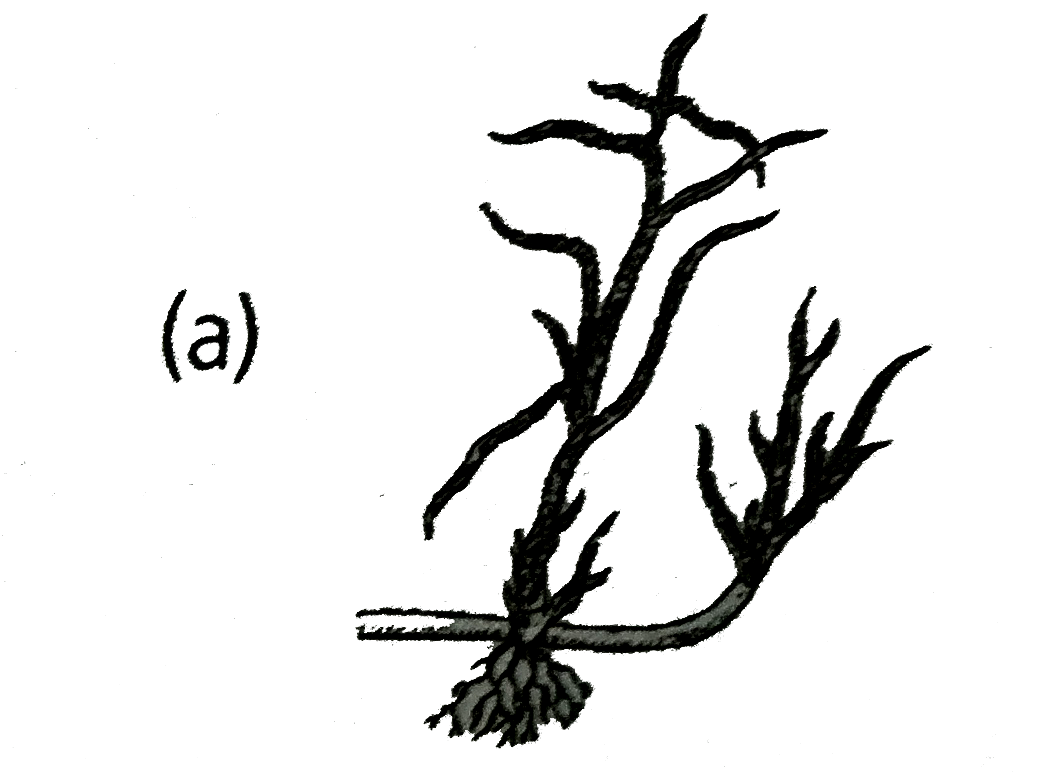
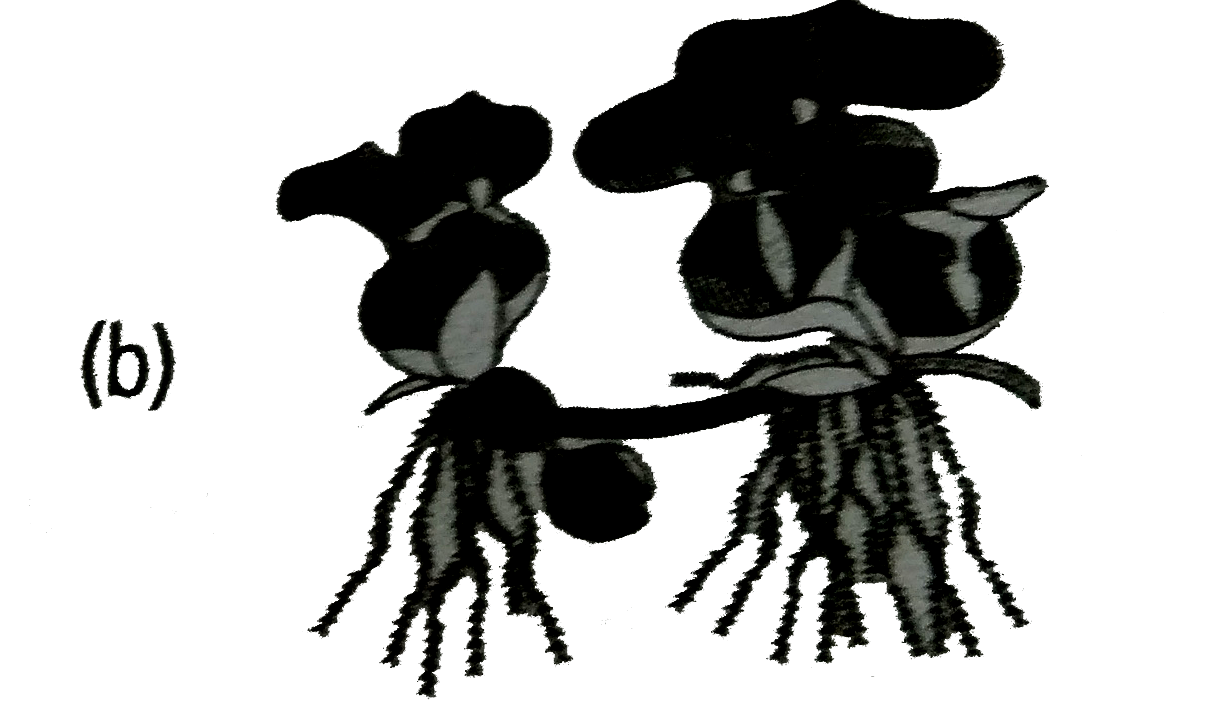
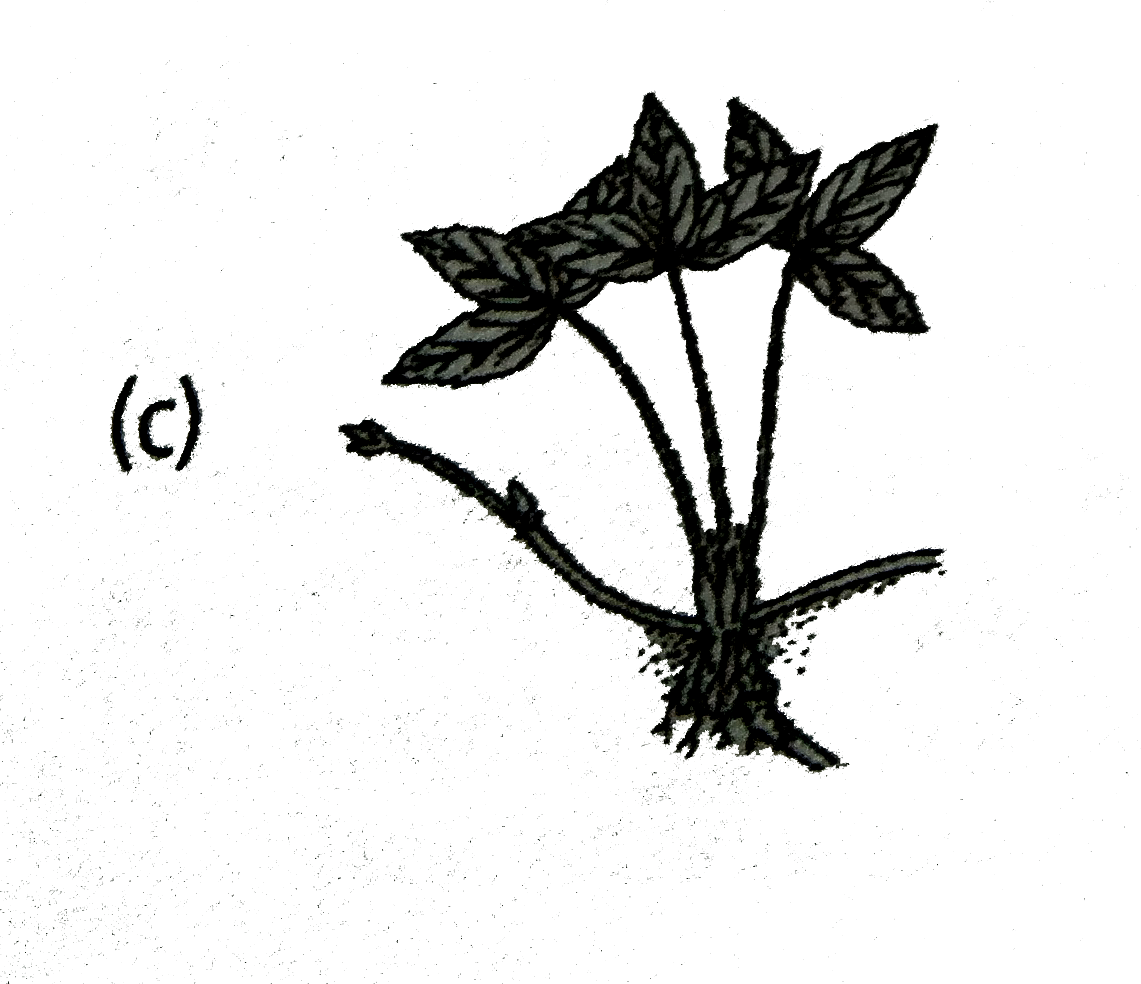
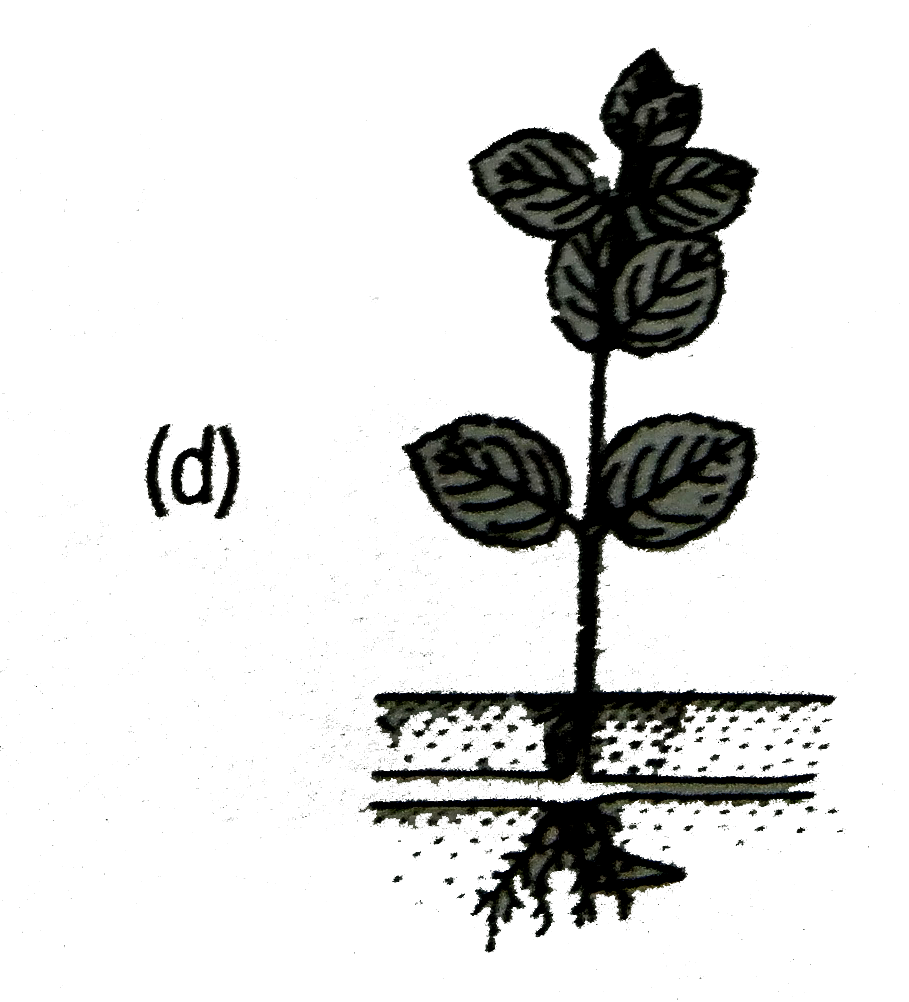
- Study the following figures and select the correct statements regardin...
Text Solution
|
- Which of the following is not used for vegetative propagation ?
Text Solution
|
- This plant was introduced in India because of its beautiful flowers an...
Text Solution
|
- Read the following statements about 'Terror of Bengal' and select the ...
Text Solution
|
- Match column I with column II and select the correct option from the c...
Text Solution
|
- Read the following statements and select the correct option, Stateme...
Text Solution
|
- Which of the following options shows two plants in which new plantlets...
Text Solution
|
- Refer to the given figure and identify X in it.
Text Solution
|
- Fleshy buds produced in the axil of leaves, which grow to form new pla...
Text Solution
|
- In which of the following plants, vegetative propagation occurs by adv...
Text Solution
|
- In which one pair, both the plants can be vegetatively propagated by l...
Text Solution
|
- Read the following statements and select the correct ones. (i) Conid...
Text Solution
|
- Identify the given vegetative propagule.
Text Solution
|
- If a leaf cell of Agave has x chromosomes then what will be the number...
Text Solution
|
- Refer to the given figure and identify X, Y and Z in it.
Text Solution
|
- Select the mismatched pair of organism and its mode of multiplication.
Text Solution
|
- Which of the following cannot serve as a vegetative propagule ?
Text Solution
|
- It is a common method of vegetative propagation in which 20-30 cm long...
Text Solution
|
- Which of the following options correctly identifies artificial and nat...
Text Solution
|
- Match the organisms given in column I with their mode of reproduction ...
Text Solution
|