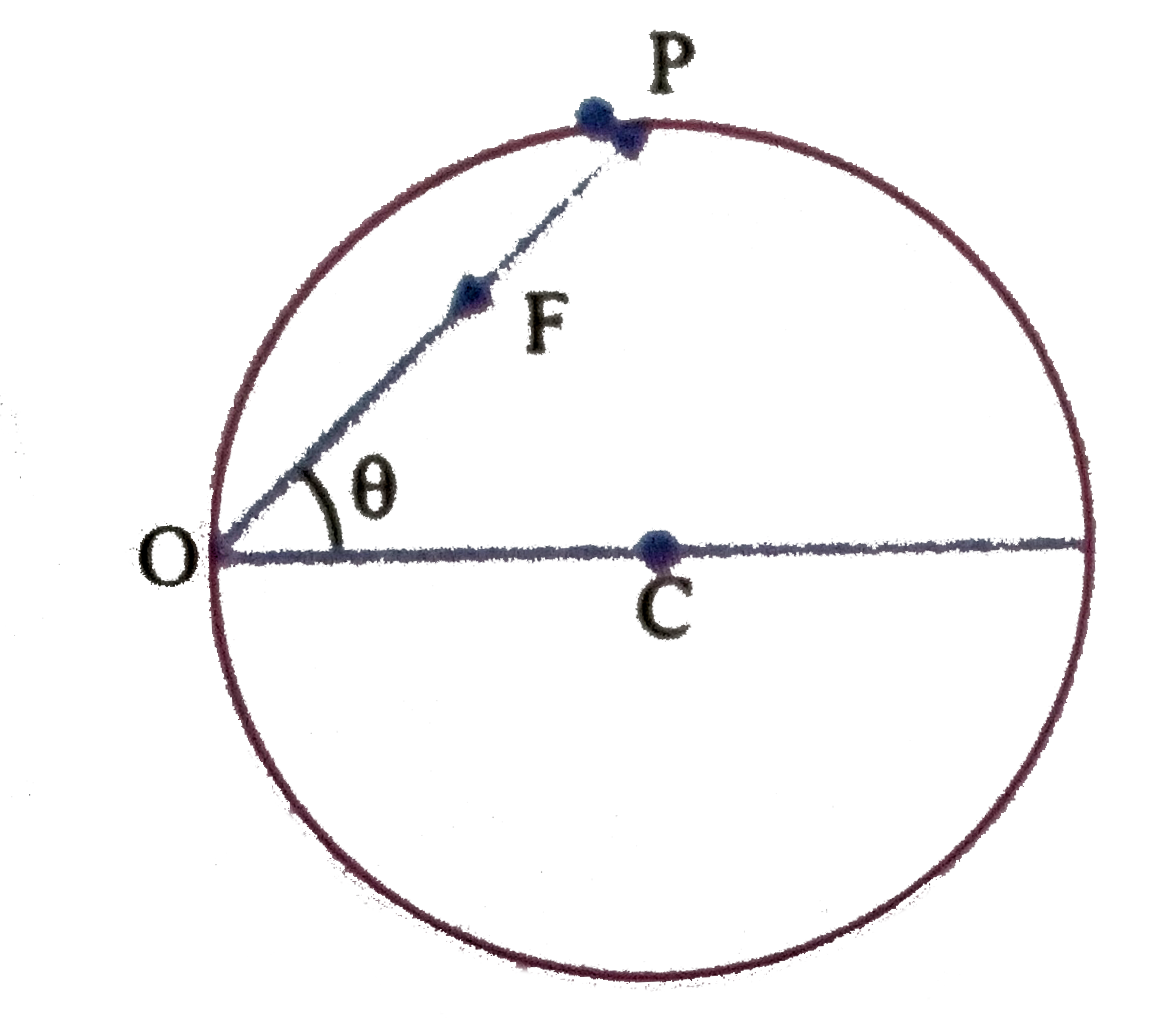
Text Solution
Verified by Experts
The correct Answer is:



Topper's Solved these Questions
LAWS OF MOTION
AAKASH INSTITUTE|Exercise Example|24 VideosLAWS OF MOTION
AAKASH INSTITUTE|Exercise EXERCISE|70 VideosLAWS OF MOTION
AAKASH INSTITUTE|Exercise ASSIGNMENT ( SECTION -I ) Subjective Type Questions|3 VideosKINETIC THEORY
AAKASH INSTITUTE|Exercise EXERCISE (ASSIGNMENT) SECTION - D Assertion - Reason Type Questions|10 VideosMAGNETISM AND MATTER
AAKASH INSTITUTE|Exercise ASSIGNMENT (SECTION D)|26 Videos
Similar Questions
Explore conceptually related problems
AAKASH INSTITUTE-LAWS OF MOTION-ASSIGNMENT ( SECTION -J ) Aakash Challengers Questions
- A uniform rope of length l and mass m lies on a smooth horizontal tabl...
Text Solution
|
- A block of mass m is revolving in a smooth horizontal plane with a con...
Text Solution
|
- A particle 'P' is moving on a circular path under the action of only o...
Text Solution
|
- A small bead of mass m is given an initial velocity of magnitude v(0) ...
Text Solution
|
- A long plank begins to move at t=0 and accelerates along a straight tr...
Text Solution
|