Text Solution
Verified by Experts
The correct Answer is:
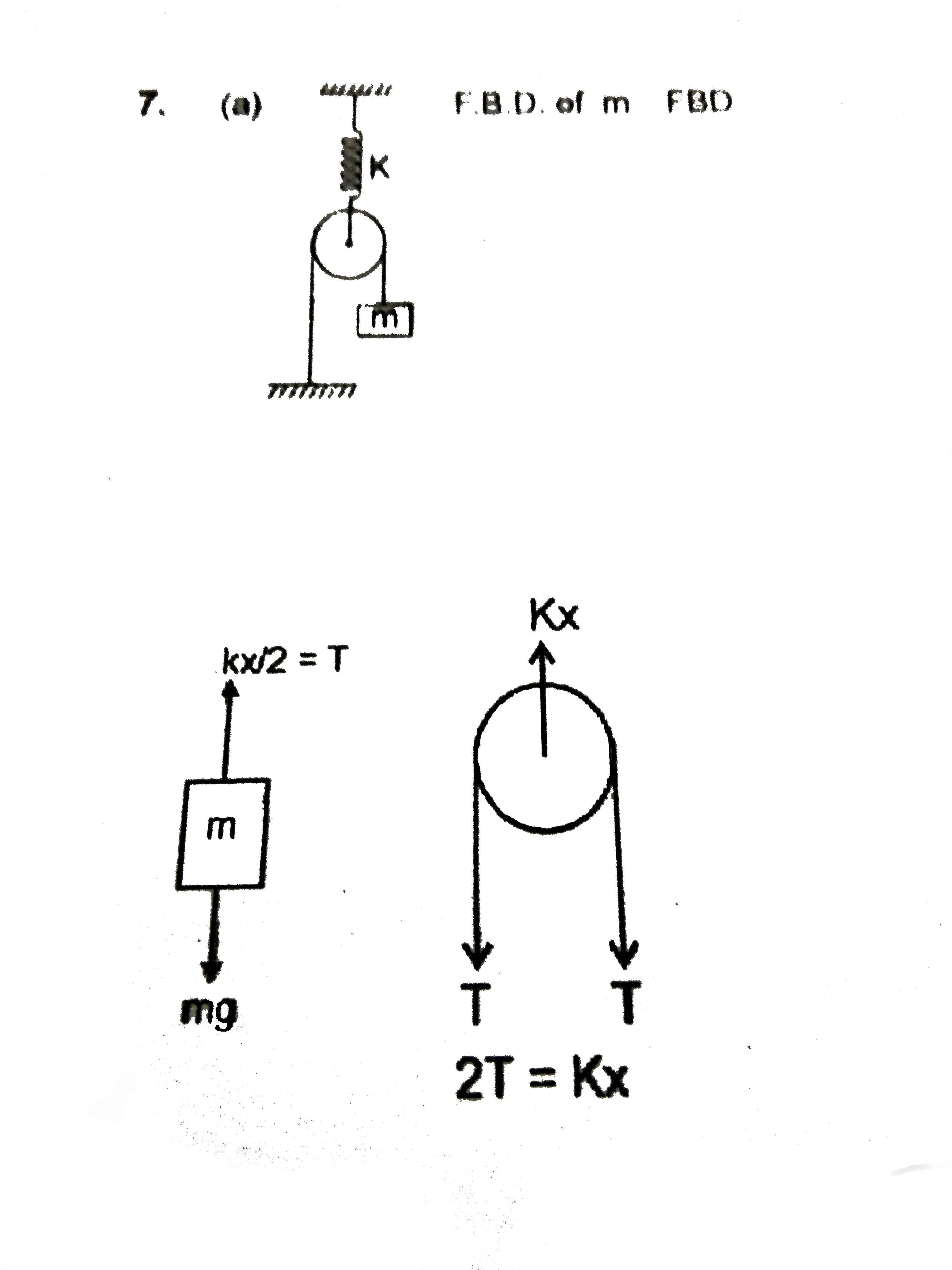
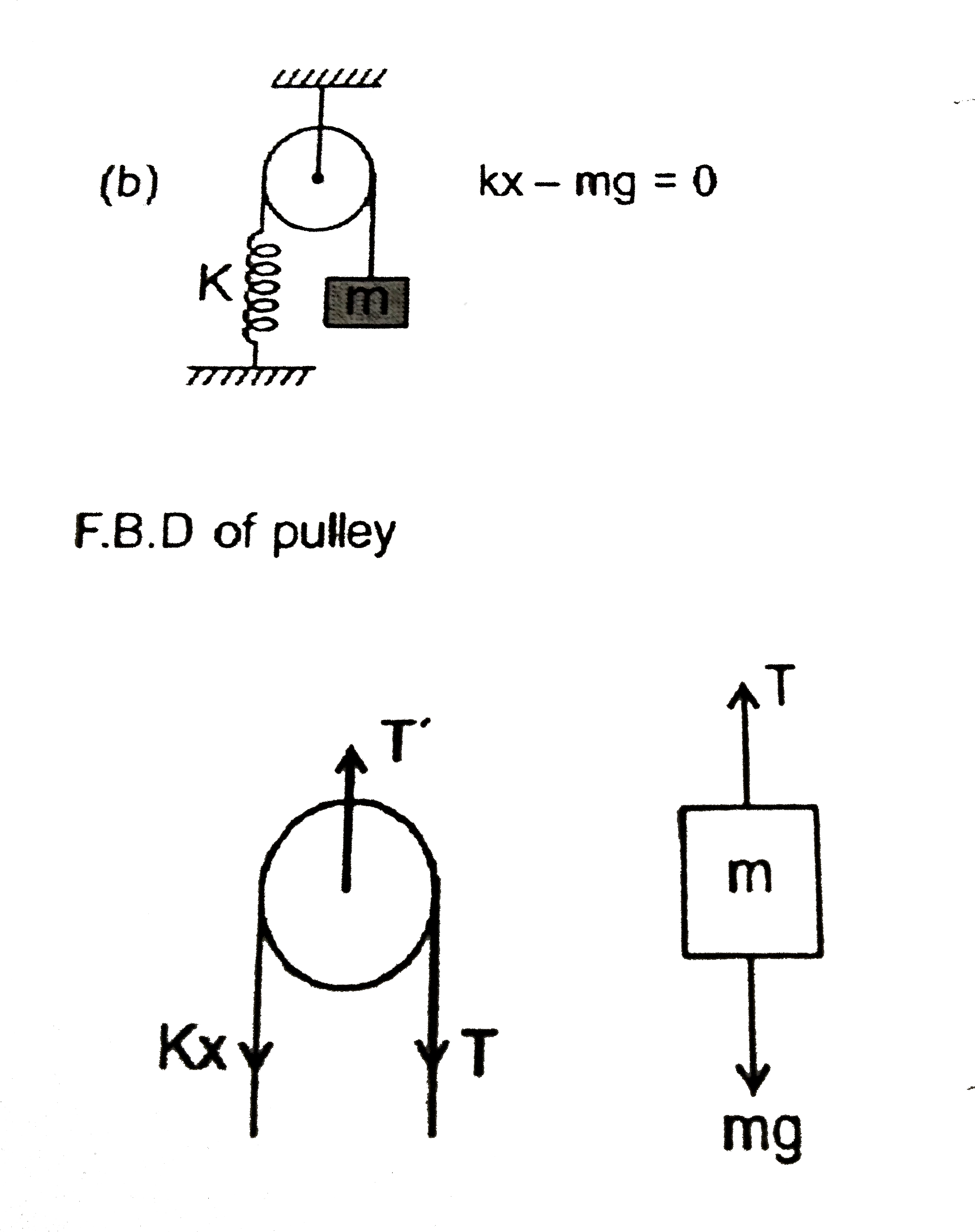
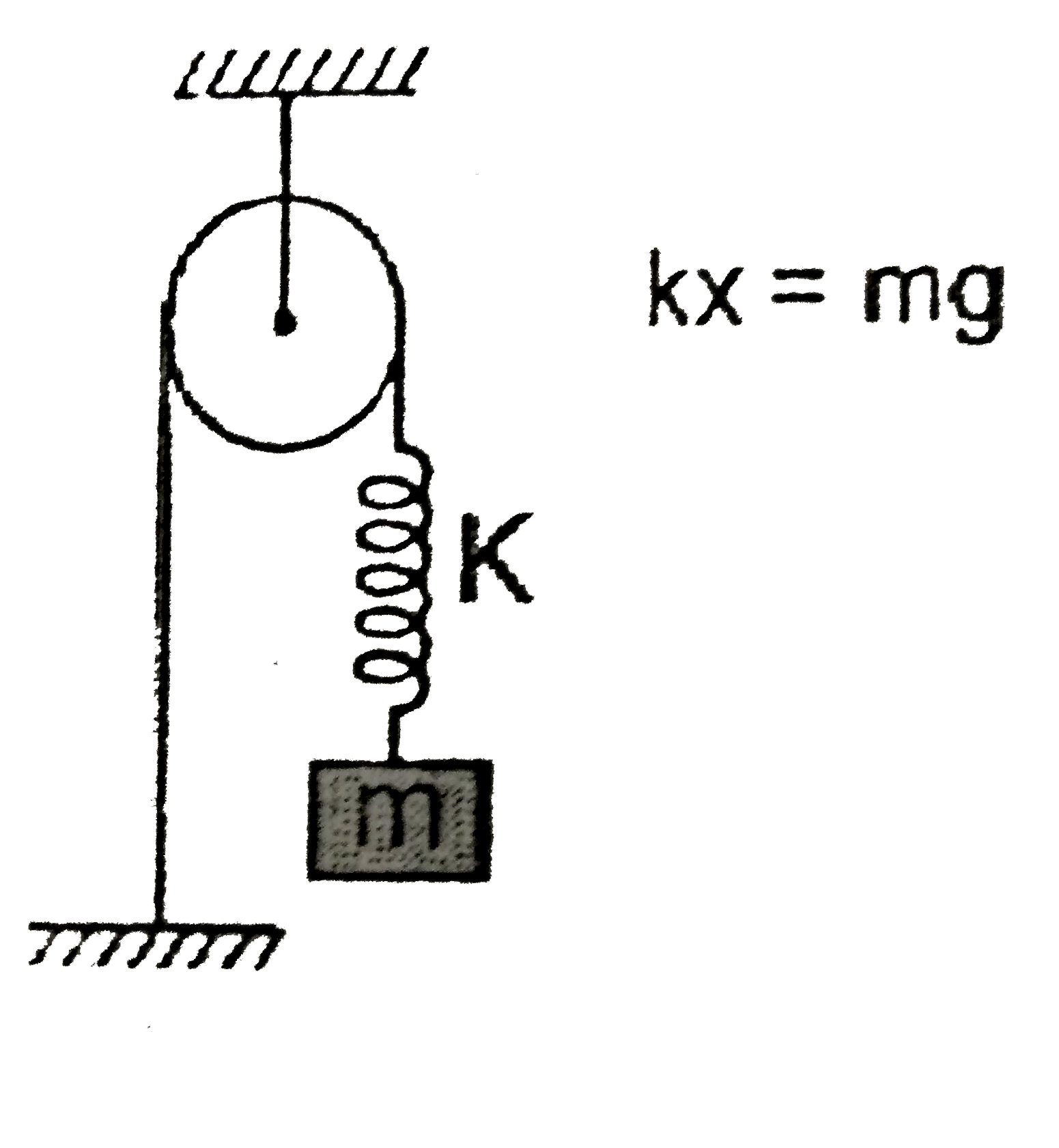
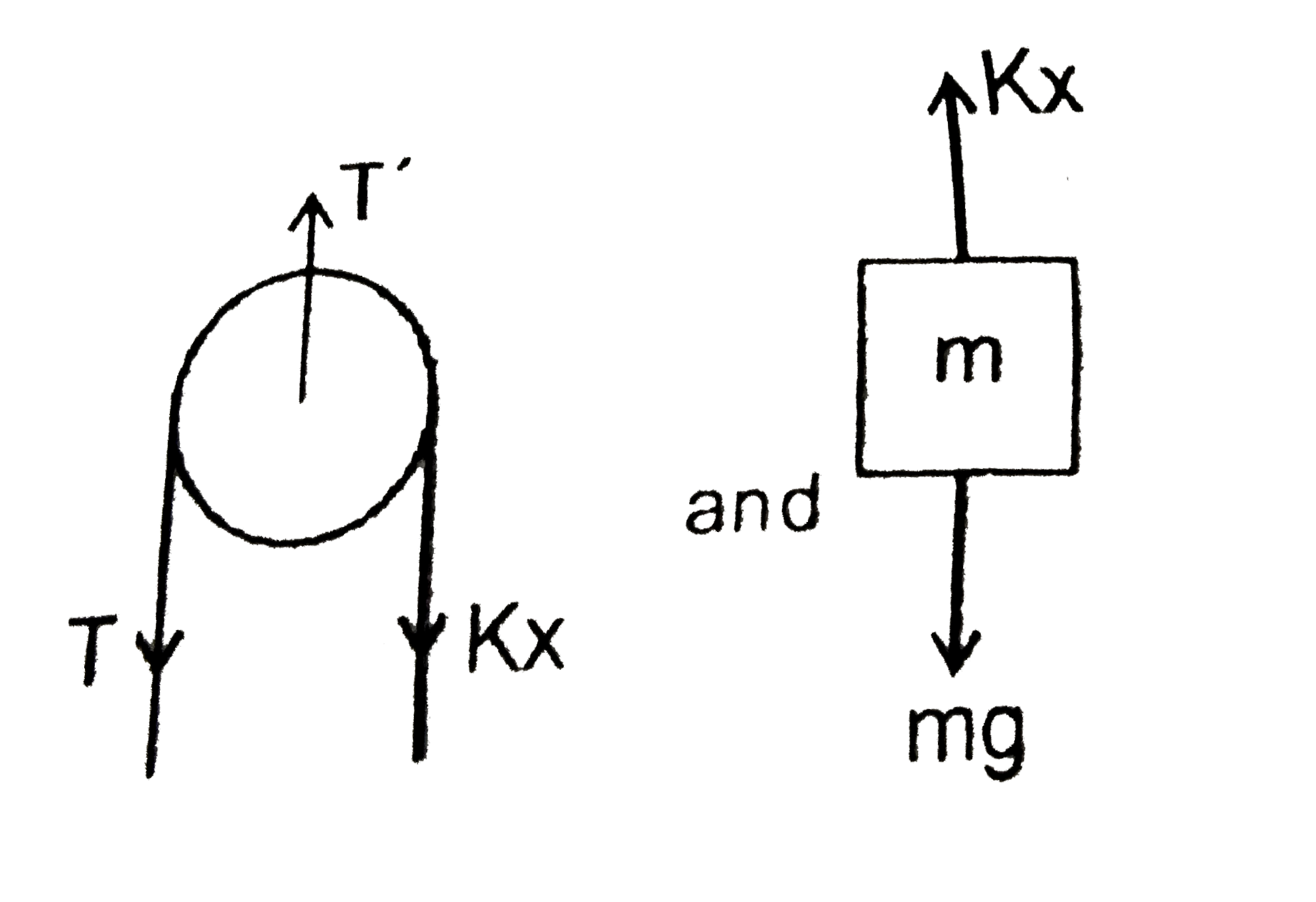
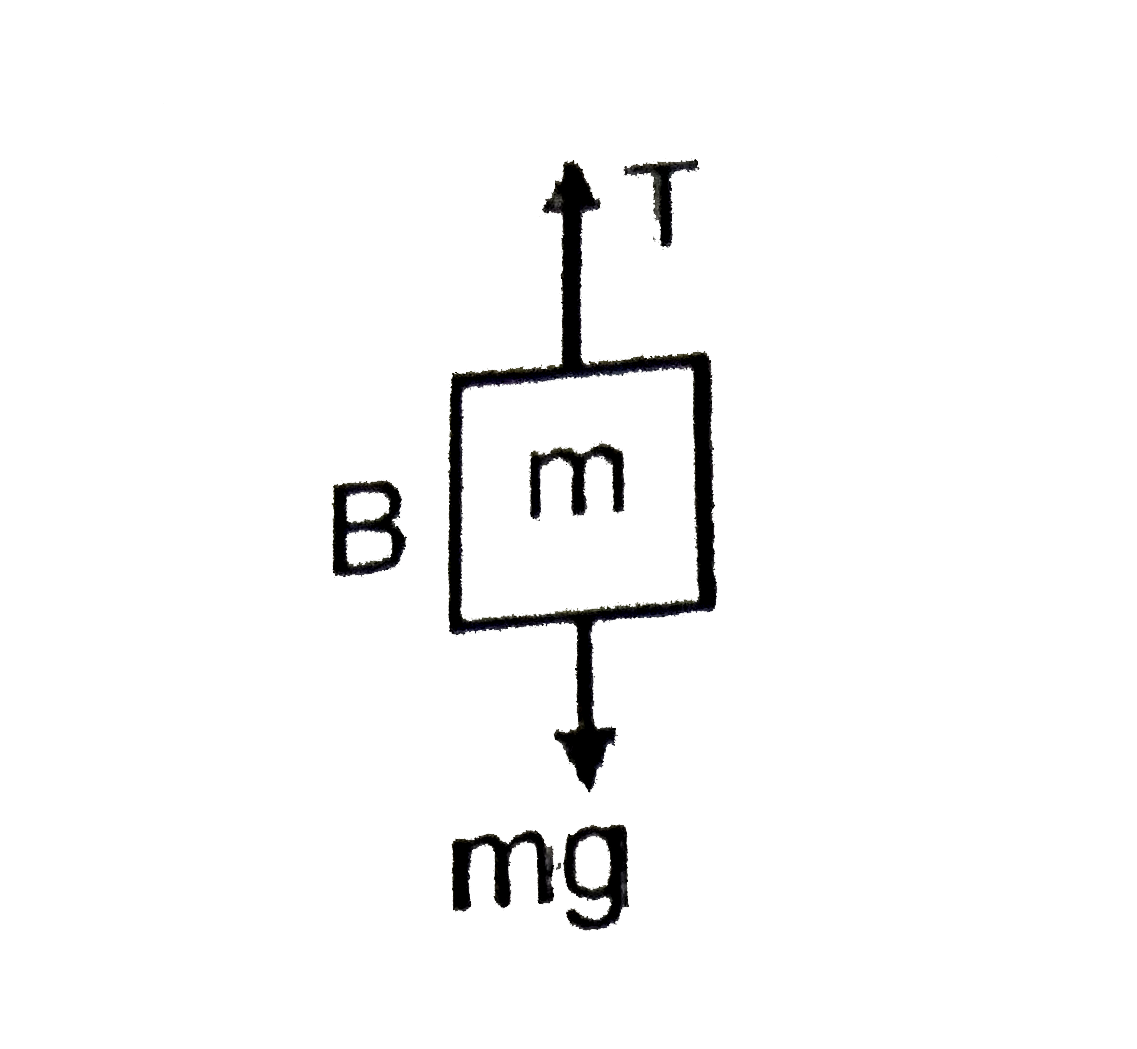
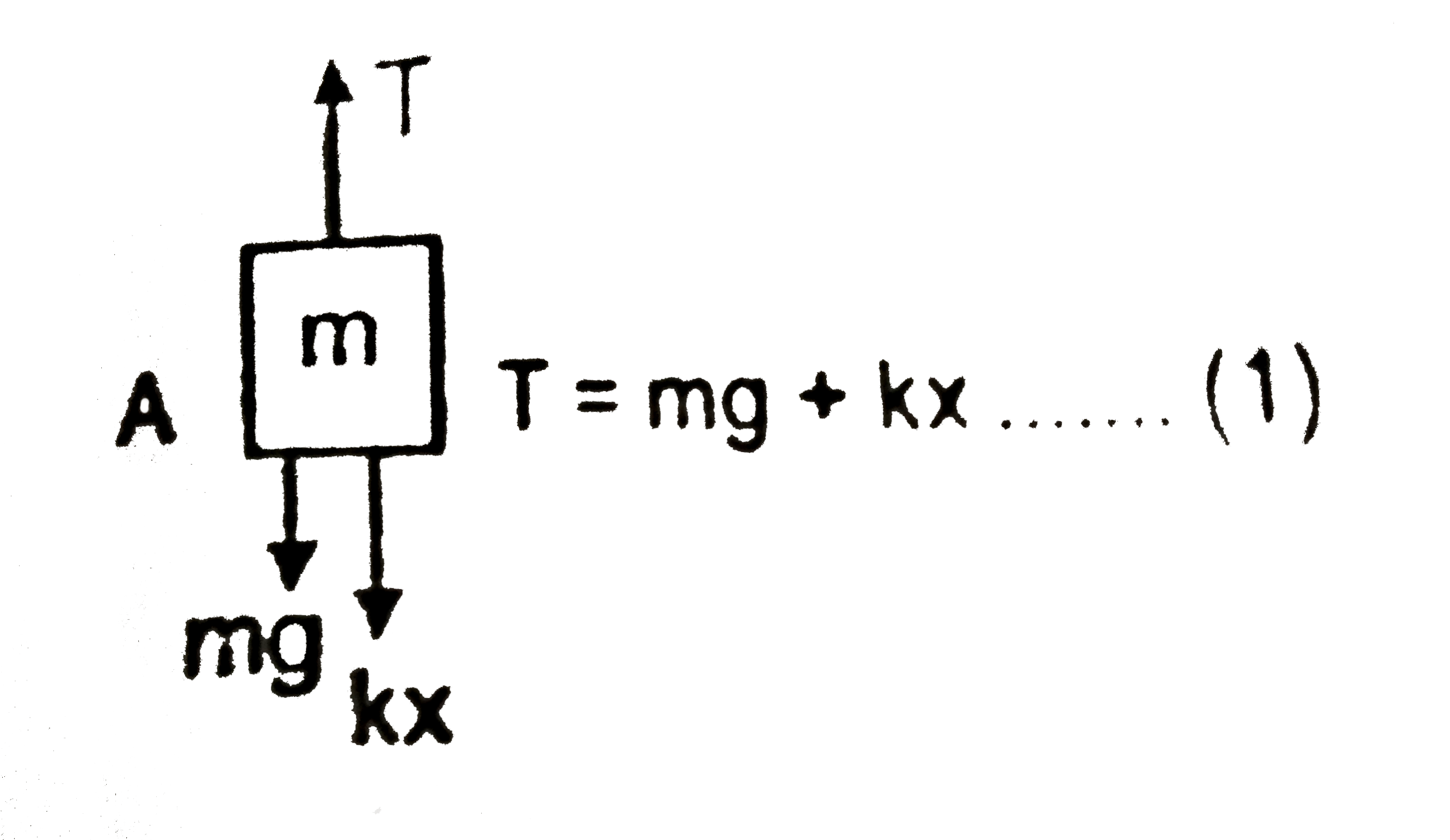
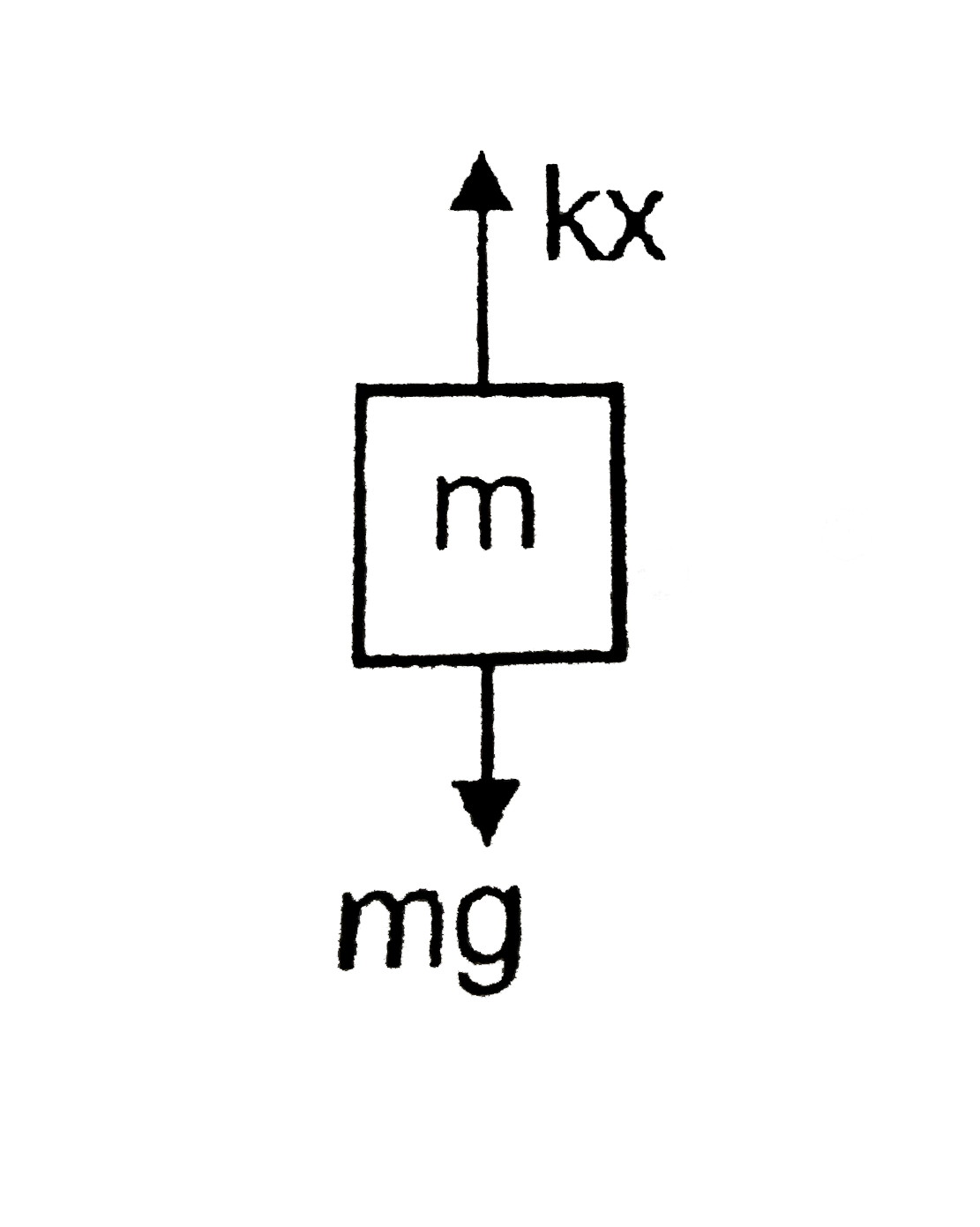
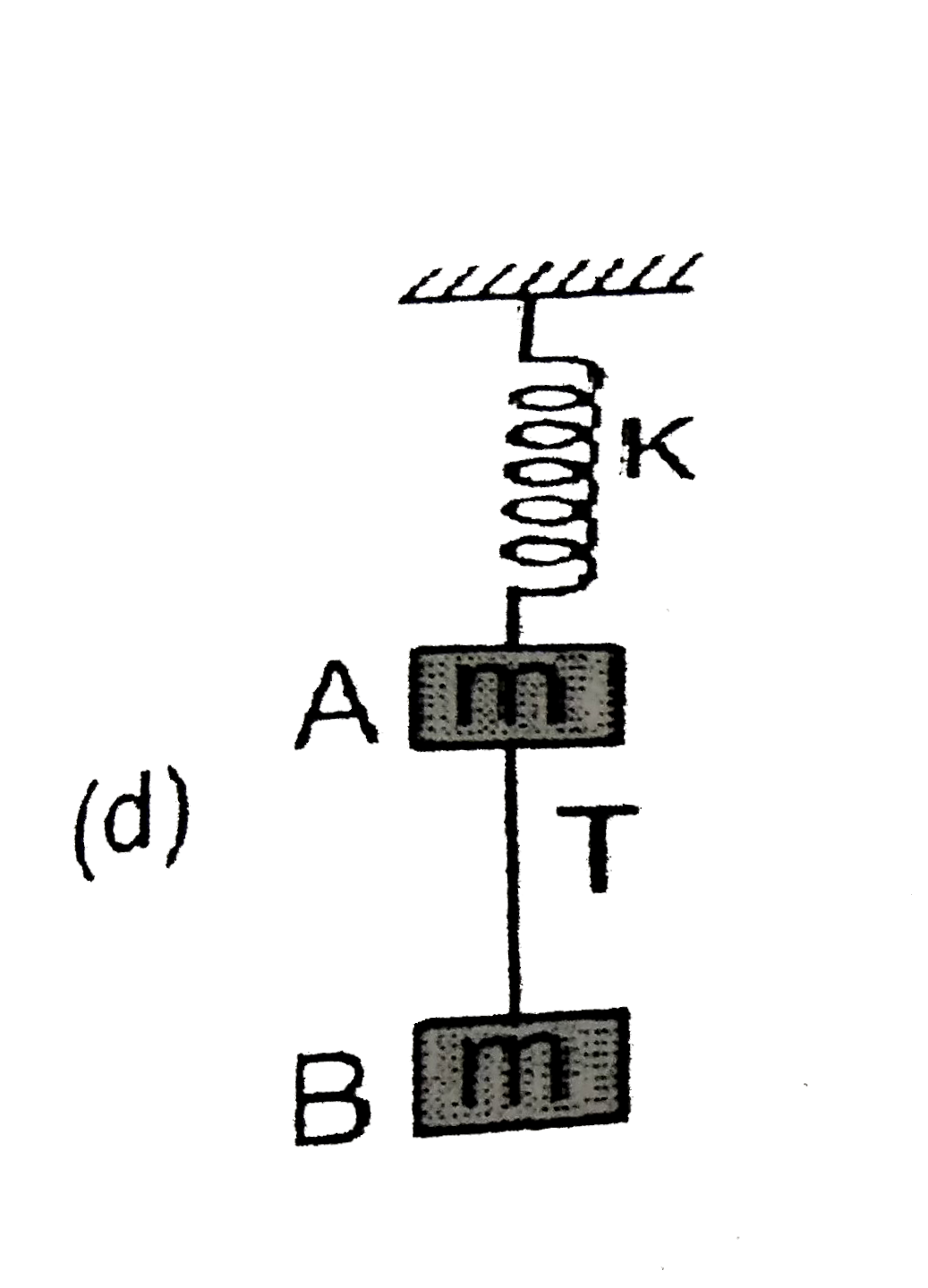 `F.B.C.` Block `A`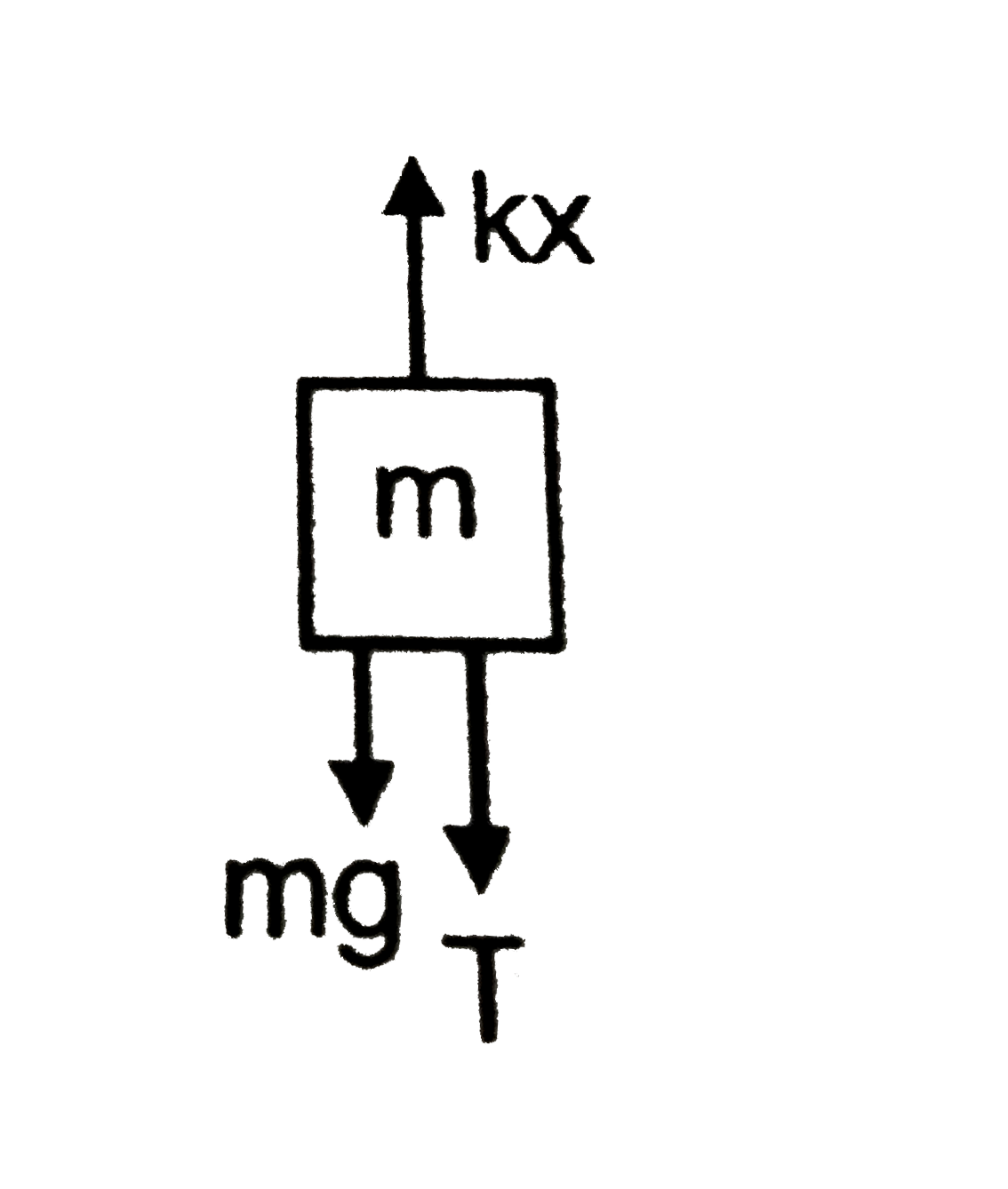




Topper's Solved these Questions
DAILY PRACTICE PROBLEMS
RESONANCE|Exercise dpp29|5 VideosDAILY PRACTICE PROBLEMS
RESONANCE|Exercise dpp 30|4 VideosDAILY PRACTICE PROBLEMS
RESONANCE|Exercise dpp 27|3 VideosCURRENT ELECTRICITY
RESONANCE|Exercise Exercise|54 VideosELASTICITY AND VISCOCITY
RESONANCE|Exercise Advanced Level Problems|9 Videos
Similar Questions
Explore conceptually related problems
RESONANCE-DAILY PRACTICE PROBLEMS-dpp 28
- Two stones A and B are projected from an inclined plane such that A ha...
Text Solution
|
- A man is moving downward on an inclined plane (theta=37^(@)) with velo...
Text Solution
|
- System is shown in the figure. Velocity of sphere A is 9 (m)/(s). Find...
Text Solution
|
- Beads A and B each of mass m , are connected by a light inextensible c...
Text Solution
|
- In the figure shown all the surface are smooth. All the blocks A,B and...
Text Solution
|
- A block B of mass 0.6kg slides down the smooth face PR of a wedge A of...
Text Solution
|
- Find the tension in the string and the extension in the spring at equi...
Text Solution
|