

Home
Class 12
CHEMISTRY
Which one of the following is most react...

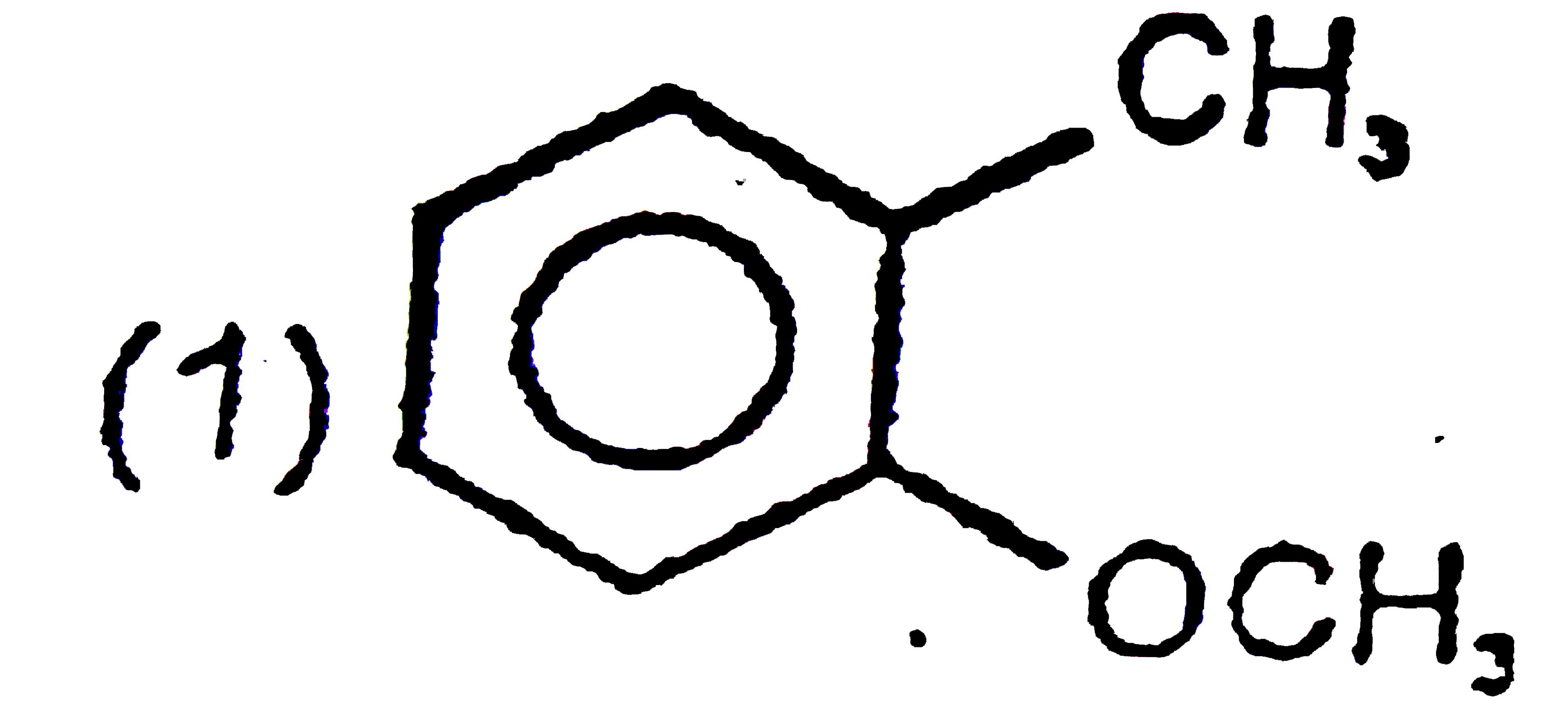
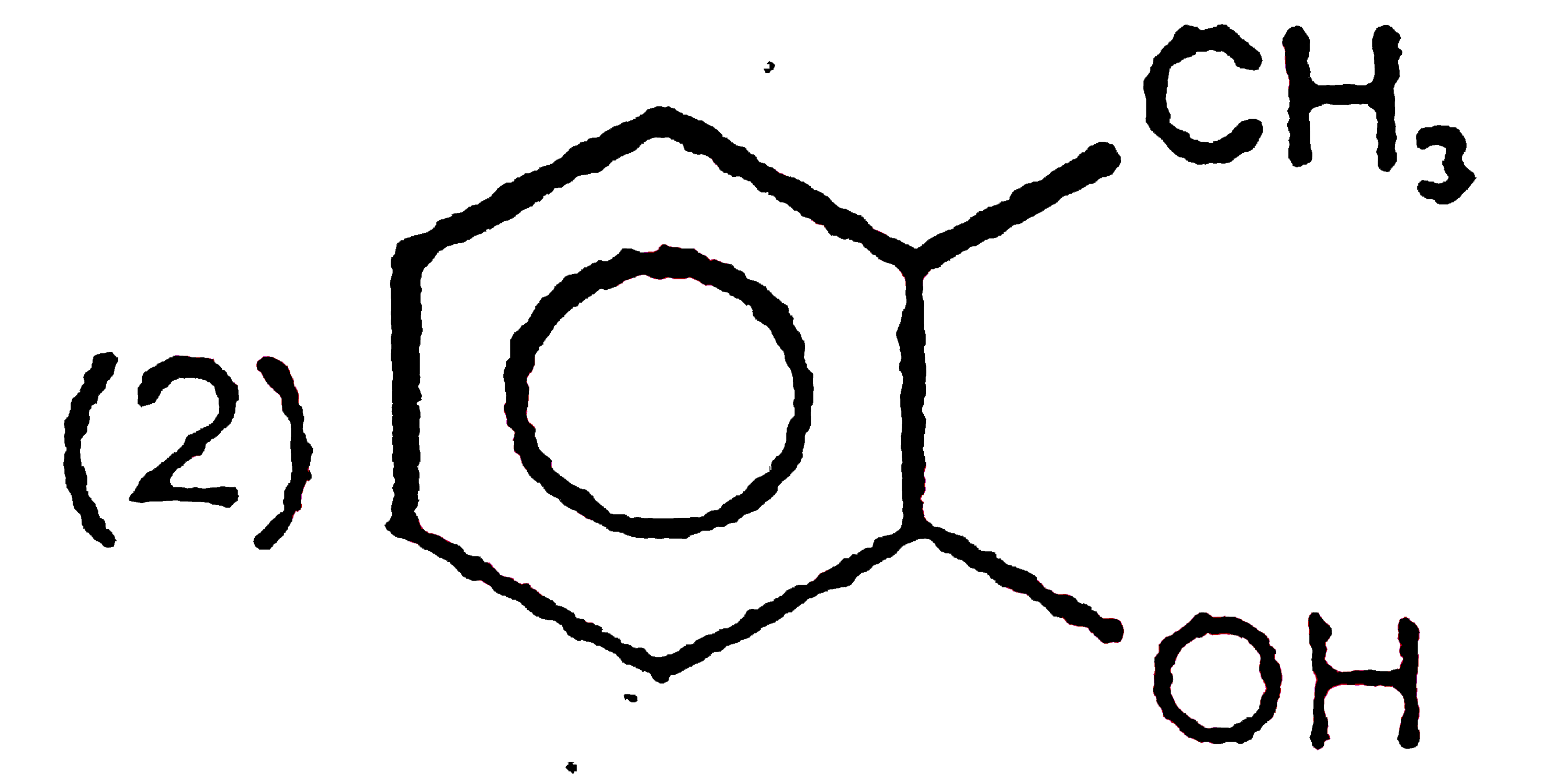
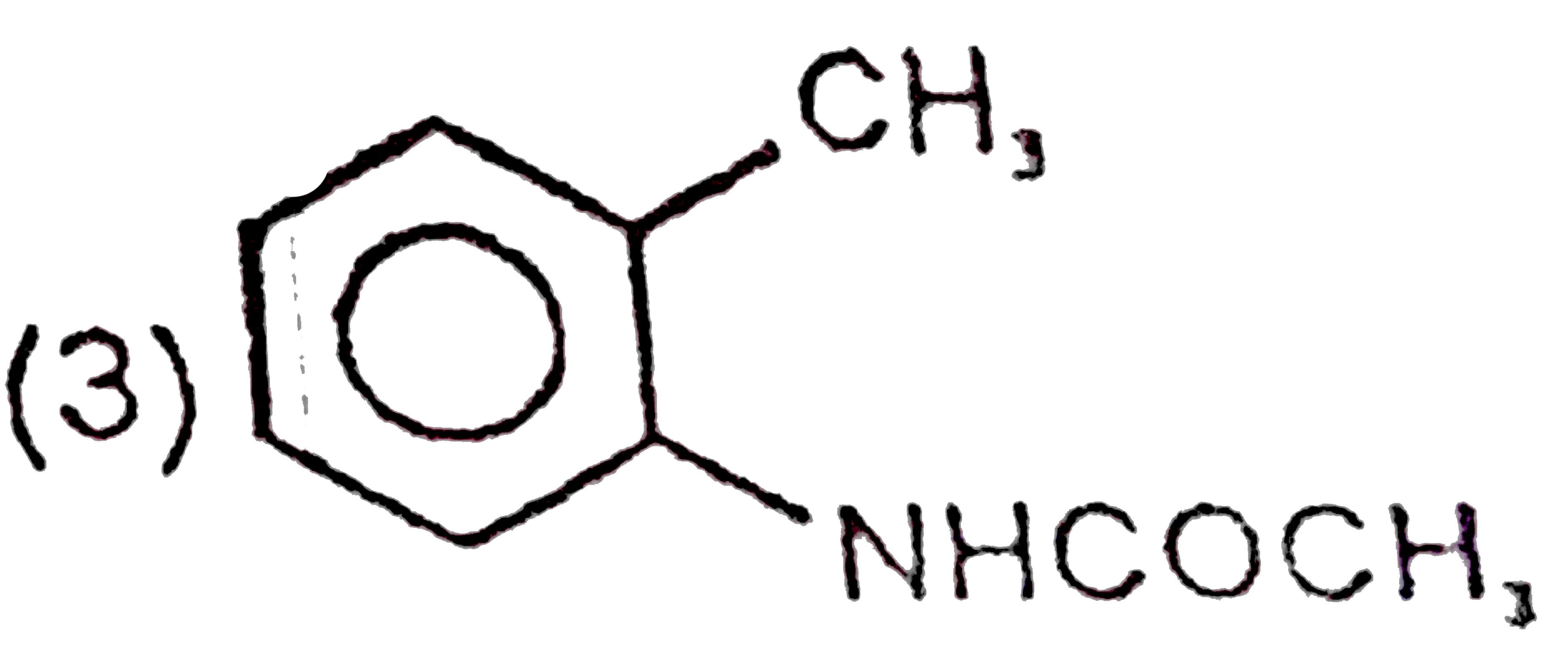
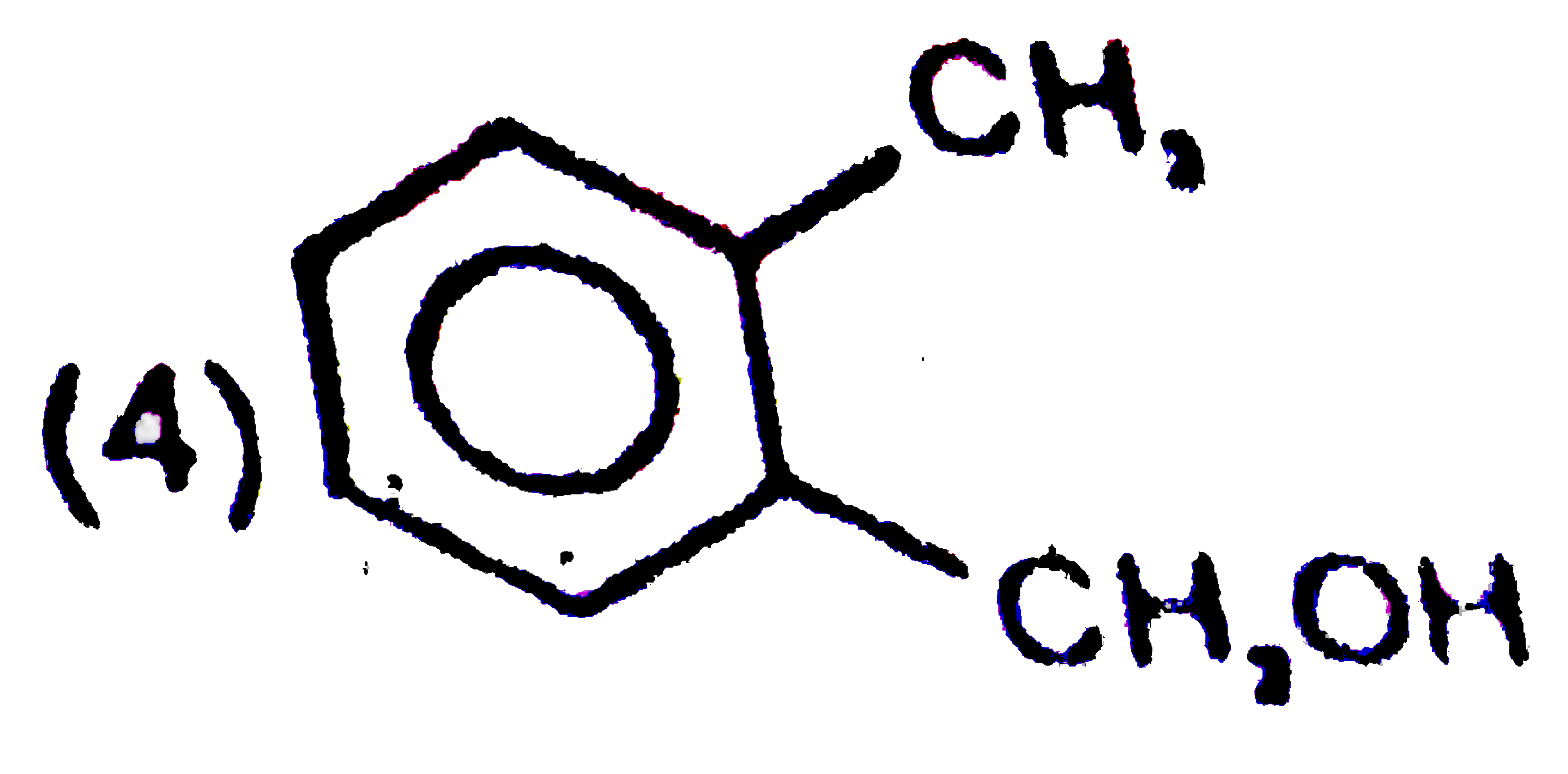
Which one of the following is most reactive towards electrophilic reagent ?

A

B

C

D

Text Solution

AI Generated Solution

The correct Answer is:
To determine which compound is most reactive towards electrophilic reagents, we need to analyze the substituents on the aromatic ring and their effects on reactivity. Here’s a step-by-step solution: ### Step 1: Identify the Compounds Assume we have four aromatic compounds with different substituents in the ortho position relative to a methyl group. The substituents could be -OH, -OCH3, -NH2, and -SH. ### Step 2: Understand Electrophilic Aromatic Substitution Electrophilic aromatic substitution (EAS) is a reaction where an electrophile replaces a hydrogen atom on an aromatic ring. The reactivity of the aromatic compound towards electrophiles is influenced by the nature of the substituents attached to the ring. ### Step 3: Analyze the Effects of Substituents 1. **-OH (Hydroxyl Group)**: This group has a strong +M (mesomeric) effect due to the presence of lone pairs on oxygen, which can donate electron density to the aromatic ring, increasing reactivity. 2. **-OCH3 (Methoxy Group)**: Similar to -OH, this group also exhibits a +M effect but is slightly less strong than -OH. 3. **-NH2 (Amino Group)**: This group also has a +M effect due to the lone pairs on nitrogen, contributing to increased reactivity. 4. **-SH (Thiol Group)**: This group has a weaker +M effect compared to the others. ### Step 4: Compare the +M Effects - The order of +M effect strength is: 1. -OH (strongest) 2. -OCH3 3. -NH2 4. -SH (weakest) ### Step 5: Determine the Most Reactive Compound Since the -OH group has the strongest +M effect, it will increase the electron density on the aromatic ring the most, making it the most reactive towards electrophilic reagents. ### Conclusion The compound with the -OH substituent is the most reactive towards electrophilic reagents. ### Final Answer The answer is the compound with the -OH group. ---

To determine which compound is most reactive towards electrophilic reagents, we need to analyze the substituents on the aromatic ring and their effects on reactivity. Here’s a step-by-step solution: ### Step 1: Identify the Compounds Assume we have four aromatic compounds with different substituents in the ortho position relative to a methyl group. The substituents could be -OH, -OCH3, -NH2, and -SH. ### Step 2: Understand Electrophilic Aromatic Substitution Electrophilic aromatic substitution (EAS) is a reaction where an electrophile replaces a hydrogen atom on an aromatic ring. The reactivity of the aromatic compound towards electrophiles is influenced by the nature of the substituents attached to the ring. ...
Promotional Banner

Topper's Solved these Questions

  • GASEOUS STATE

    RESONANCE|Exercise Exercise-3|1 Videos
  • IONIC EQUILIBRIUM

    RESONANCE|Exercise partIII one or more than one options correct type|7 Videos

Similar Questions

Explore conceptually related problems

Which one of the following is most reactive towards electrophilic attack?

Towards electrophilic reagents

Which one of the following is the most reactive towards electrophilic attack?

Which of the following is most reactive towards H_2 ?

RESONANCE-HYDROCARBON-ORGANIC CHEMISTRY(Hydrocarbon)
  1. Benzene reacts with CH(3)Cl in the presence of anyhydrous AlCl(3) to f...

    Text Solution

    |

  2. Petroleium mainly contains :

    Text Solution

    |

  3. Which one of the following is most reactive towards electrophilic reag...

    Text Solution

    |

  4. CH3C-=C CH3underset(CaCO3 and BaSO4)overset((H2)/(Pd))to P Identifty t...

    Text Solution

    |

  5. The alkyl halides that can be made by free radical halogenation of alk...

    Text Solution

    |

  6. The species which acts as electrophile in the bromination of benzene i...

    Text Solution

    |

  7. Reaction by which Banzaldehyde cannot be prepared?

    Text Solution

    |

  8. Which of the following carbides on treatment with water give methane ...

    Text Solution

    |

  9. Propene, CH(3)-CH = CH(2), can be converted to 1-propanol by oxidation...

    Text Solution

    |

  10. What products are formed when the following compounds are treated with...

    Text Solution

    |

  11. When HCl gas is passed through propene in the presence of benzoyl pero...

    Text Solution

    |

  12. Which of the following is the most reactive towards ring nitration ?

    Text Solution

    |

  13. The treatment of benzene with isobutene in the presence of sulphuric a...

    Text Solution

    |

  14. The product 'Y' in the following reaction sequence is :

    Text Solution

    |

  15. Which of the following has the higest knocking property ?

    Text Solution

    |

  16. C(6)H(5)Cl+CH(3)Cloverset(Na//"dry ether")rarrC(6)H(5)CH(3)+2NaCl Th...

    Text Solution

    |

  17. The reaction CH(3)COCH(3)underset((ii)KOH,"glycol")overset((i)NH(2)-NH...

    Text Solution

    |

  18. Type of reactions shown by alkynes are -

    Text Solution

    |

  19. Which of the following produces one mononitro and three isomeric dinit...

    Text Solution

    |

  20. CH(3)-C equiv C-CH(3)overset(Na//NH(3)(i))rarrPoverset(OH(2)l(2).Zn,De...

    Text Solution

    |