Home
Class 12
CHEMISTRY
An analust is trying to separate a mixtu...

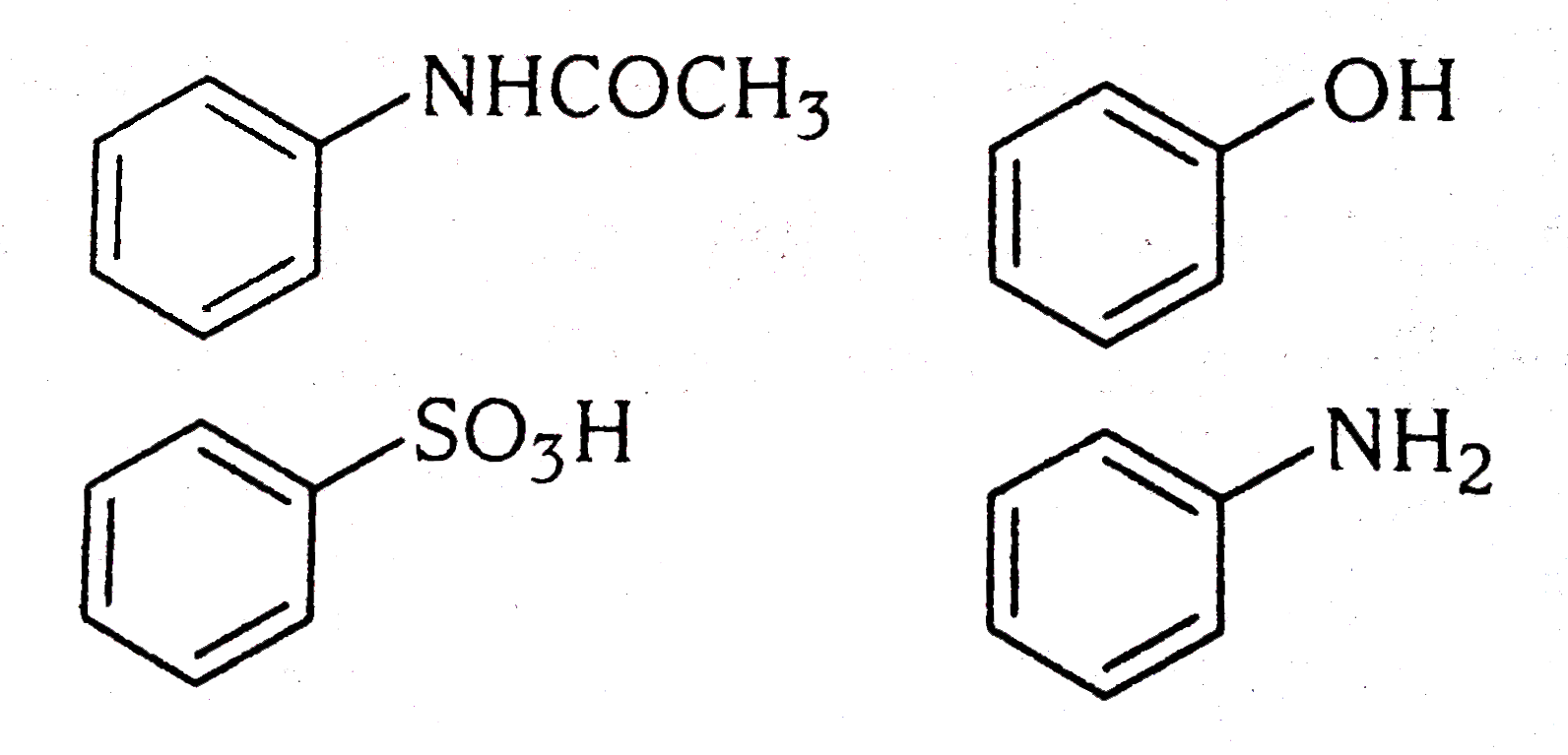
An analust is trying to separate a mixture containing the following four organic compounds

She dissolved the mixture in ether and treated the solution with aqueous `NaOH` solution and finally separated the two fractions: Fraction-I (ether) and Fraction-II (aqueous). Later she acidified Fraction-1 and was able to distill the organic compound(s) into ether to obtain third fraction, Fraction-III. Fraction-III was then treated with aqueous `NaHCO_(3)` and the two layers, ether layer (Fraction-IV) and aqueous layer (Fraction-V) were separated. Also Fraction-I was treated with aqueous `HCl` solution and the two layers, other (Fraction-VI) and aquores layer (Fraction-VII) were seperated. Answer the following three questions based on the above information.
What is true about the species left in fraction-IV?

A

It is stronger acid than carbonic acid

B

It is stronger acid than water

C

It is neutral to moistened litmus paper

D

It cannot be extracted into an aqueous `Ba(OH)_(2)` solution

Text Solution

Verified by Experts

The correct Answer is:

b
Promotional Banner

Topper's Solved these Questions

  • ORGANIC CHEMISTRY BASICS

    IIT-JEE PREVIOUS YEAR (CHEMISTRY)|Exercise Interger Answer Type Questions|1 Videos
  • ORGANIC CHEMISTRY BASICS

    IIT-JEE PREVIOUS YEAR (CHEMISTRY)|Exercise CHAPTER TEST|2 Videos
  • NUCLEAR CHEMISTRY

    IIT-JEE PREVIOUS YEAR (CHEMISTRY)|Exercise CHEMISTRY|2 Videos
  • P BLOCK ELEMENTS

    IIT-JEE PREVIOUS YEAR (CHEMISTRY)|Exercise Topic 2|1 Videos

Similar Questions

Explore conceptually related problems

An analust is trying to separate a mixture containing the following four organic compounds She dissolved the mixture in ether and treated the solution with aqueous NaOH solution and finally separated the two fractions: Fraction-I (ether) and Fraction-II (aqueous). Later she acidified Fraction-1 and was able to distill the organic compound(s) into ether to obtain third fraction, Fraction-III. Fraction-III was then treated with aqueous NaHCO_(3) and the two layers, ether layer (Fraction-IV) and aqueous layer (Fraction-V) were separated. Also Fraction-I was treated with aqueous HCl solution and the two layers, other (Fraction-VI) and aquores layer (Fraction-VII) were seperated. Answer the following three questions based on the above information. The species left in fraction VI is

An analust is trying to separate a mixture containing the following four organic compounds She dissolved the mixture in ether and treated the solution with aqueous NaOH solution and finally separated the two fractions: Fraction-I (ether) and Fraction-II (aqueous). Later she acidified Fraction-1 and was able to distill the organic compound(s) into ether to obtain third fraction, Fraction-III. Fraction-III was then treated with aqueous NaHCO_(3) and the two layers, ether layer (Fraction-IV) and aqueous layer (Fraction-V) were separated. Also Fraction-I was treated with aqueous HCl solution and the two layers, other (Fraction-VI) and aquores layer (Fraction-VII) were seperated. Answer the following three questions based on the above information. Fraction-V on acidification followed by distillation will give

Mole fraction of a solute in 2.5 molal aqueous solution is

The mole fraction of solute in 2.5 m aqueous solution is

What is the mole fraction of urea in a 4.45 m aqueous solution?

Mole fraction of solute in 1 mole aqueous solution is

Mole fraction of the solute in a 1 molal aqueous solution is :

What is the fraction of the solute in a 1.00 m aqueous solution ?
