
Home
Class 12
CHEMISTRY
Ketoxine when heated with certain reagen...

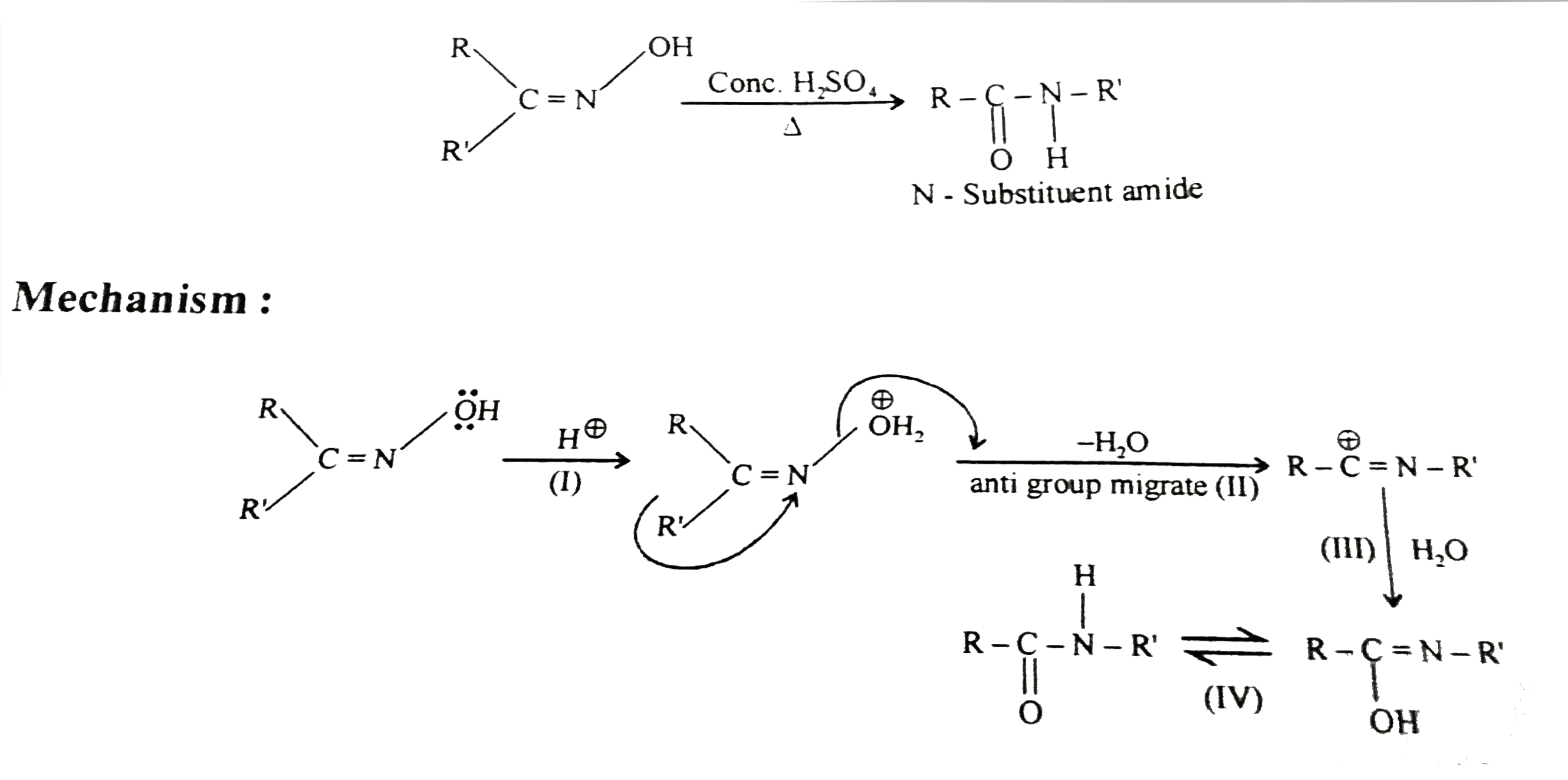
Ketoxine when heated with certain reagents undergoes rearrangement to form amides. This is known as Beckmann's rearrangement.


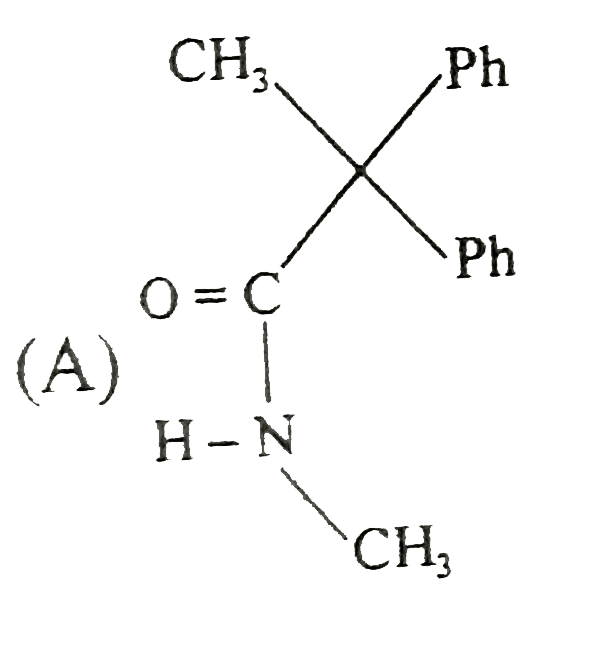
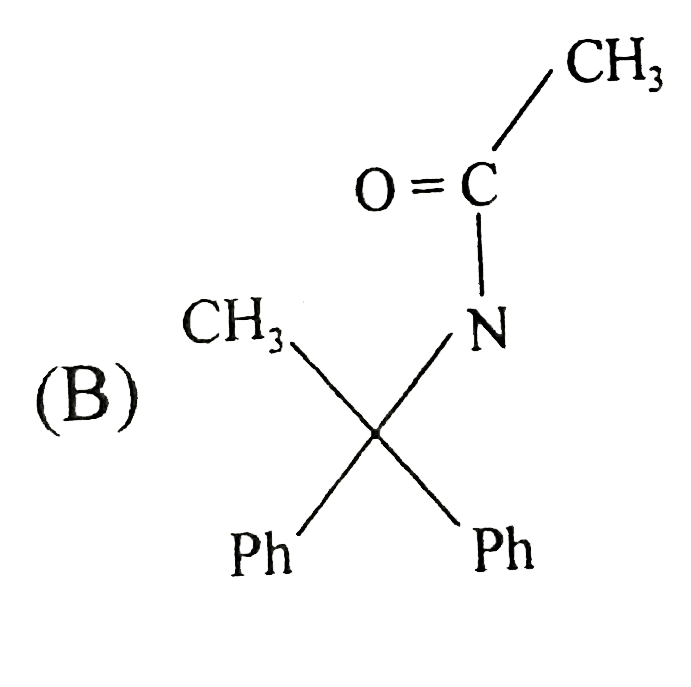
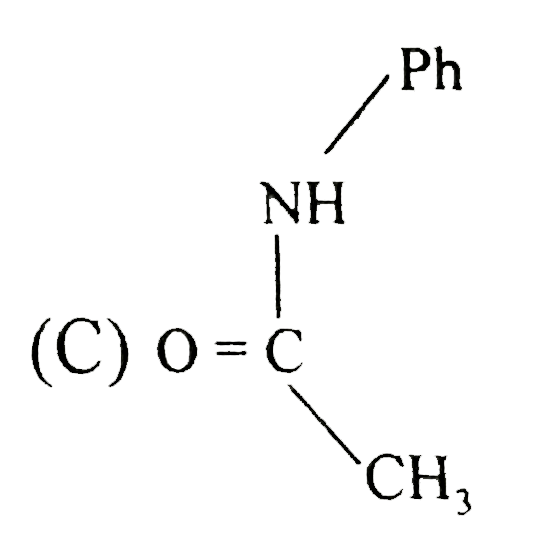
Find out (X) of the reaction:

A

B

C

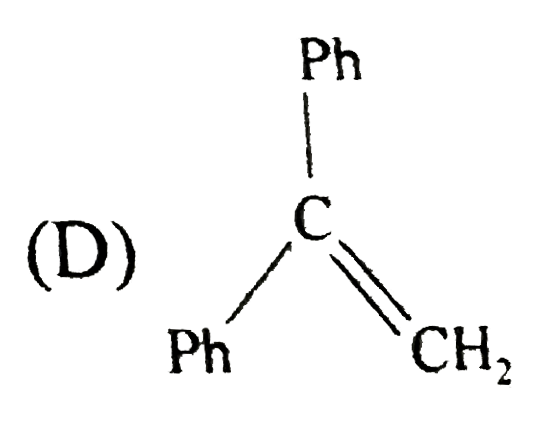
D

Text Solution

Verified by Experts

The correct Answer is:

D
Promotional Banner

Topper's Solved these Questions

  • NITROGEN COMPOUNDS

    BANSAL|Exercise EXERCISE-2 Reasoning Type|3 Videos
  • NITROGEN COMPOUNDS

    BANSAL|Exercise EXERCISE-2 Multiple Correct Choice Type|17 Videos
  • NITROGEN COMPOUNDS

    BANSAL|Exercise EXERCISE 1|30 Videos
  • GENERAL ORGANIC CHEMISTRY

    BANSAL|Exercise Exercise 3|19 Videos
  • P BLOCK ELEMENTS

    BANSAL|Exercise Exercise 3|20 Videos

Similar Questions

Explore conceptually related problems

Ketoxime when heated with certain reagents undergoes rearrangement to form amides. This is known as Backmann's rearrangement. Find out (X) of the reaction:

Ketoxine when heated with certain reagents undergoes rearrangement to form amides. This is known as Beckmann's rearrangement. Find out slowest step of the reation :

Ketoxime when heated with certain reagents undergoes rearrangement to form amides. This is known as Backmann's rearrangement. Find out (X):

Ketoxime when heated with certain reagents undergoes rearrangement to form amides. This is known as Backmann's rearrangement. Find out slowest step of the reaction:

The given is mechanism of Beckmann rearrangment. Product (X) is

In organic chemistry various reactions take place by rearrangements. These rearrangements can be classified on the basis of migratory group and its nature. One of the well-known rearrangement is the formation of N-substituted amides by rearrangement of aldoximes or ketoximes. This is known as Beckmann rearrangement. It is catalysed by various acidic reagents. The mechanism of this reaction is given as product, The product formed is :

In organic chemistry various reactions take place by rearrangements. These rearrangements can be classified on the basis of migratory group and its nature. One of the well-known rearrangement is the formation of N-substituted amides by rearrangement of aldoximes or ketoximes. This is known as Beckmann rearrangement. It is catalysed by various acidic reagents. The mechanism of this reaction is given as Product, The final product is :

In organic chemistry various reactions take place by rearrangements. These rearrangements can be classified on the basis of migratory group and its nature. One of the well-known rearrangement is the formation of N-substituted amides by rearrangement of aldoximes or ketoximes. This is known as Beckmann rearrangement. It is catalysed by various acidic reagents. The mechanism of this reaction is given as (CH_(3))(C_(2)H_(5))C=NOH overset(C_(6)H_(5)SO_(2)Cl)to (A)overset(H_(2)O //H^(o+))to CH_(3)NH_(2)+C_(2)H_(5)COOH The formation of final product suggest the migration of :

The given is mechanism of Beckmann rearrangment. Reagent cannot be used in Beckmann rearrangement is
