A
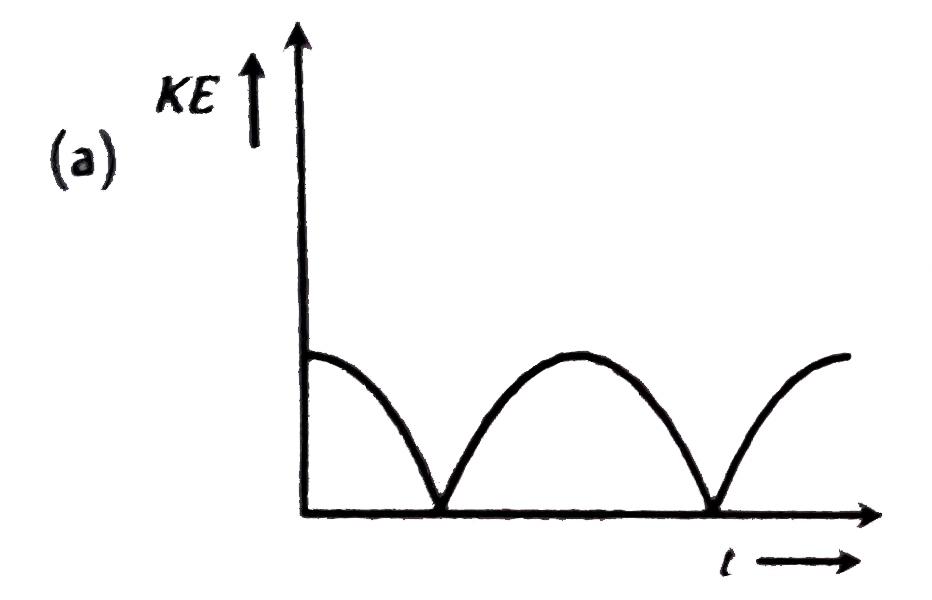
B
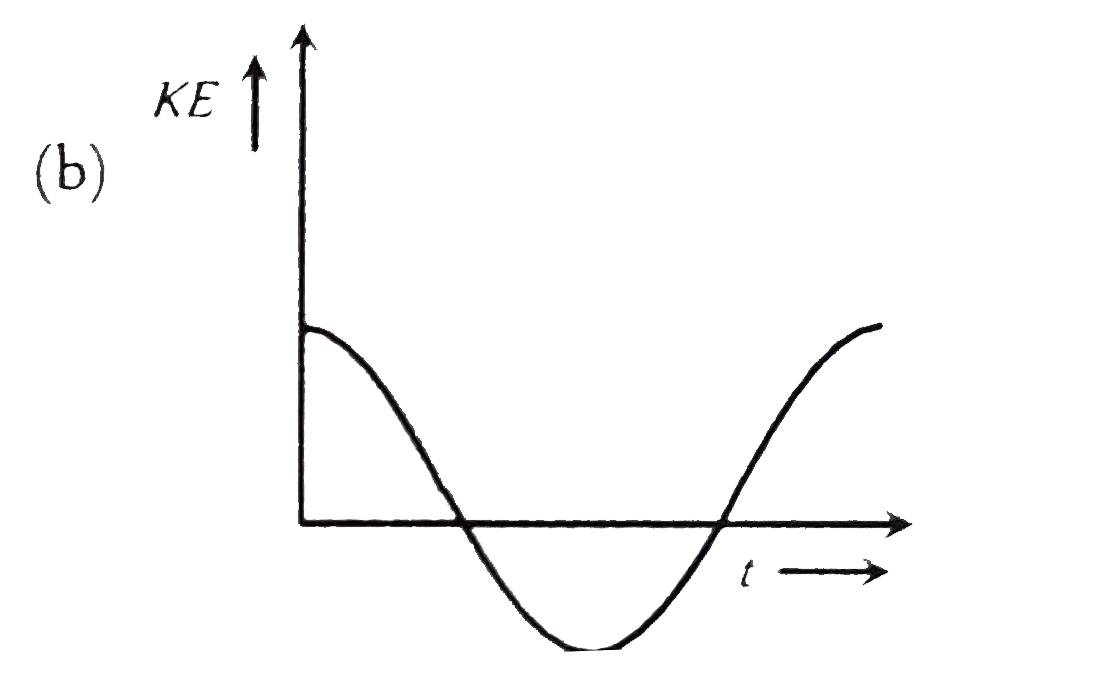
C
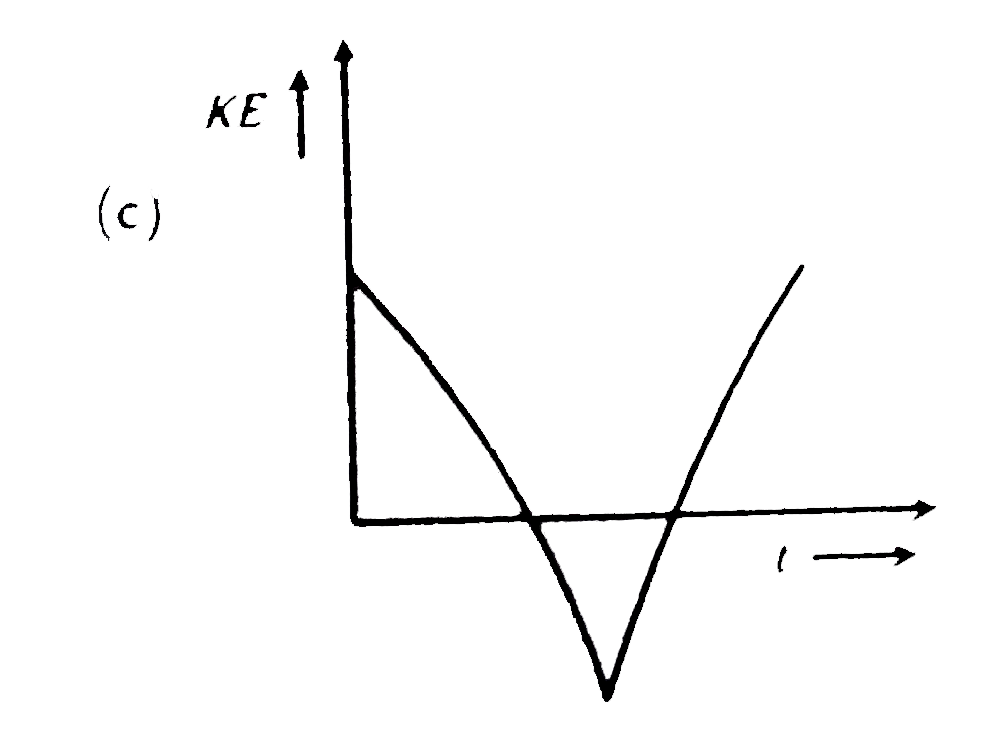
D
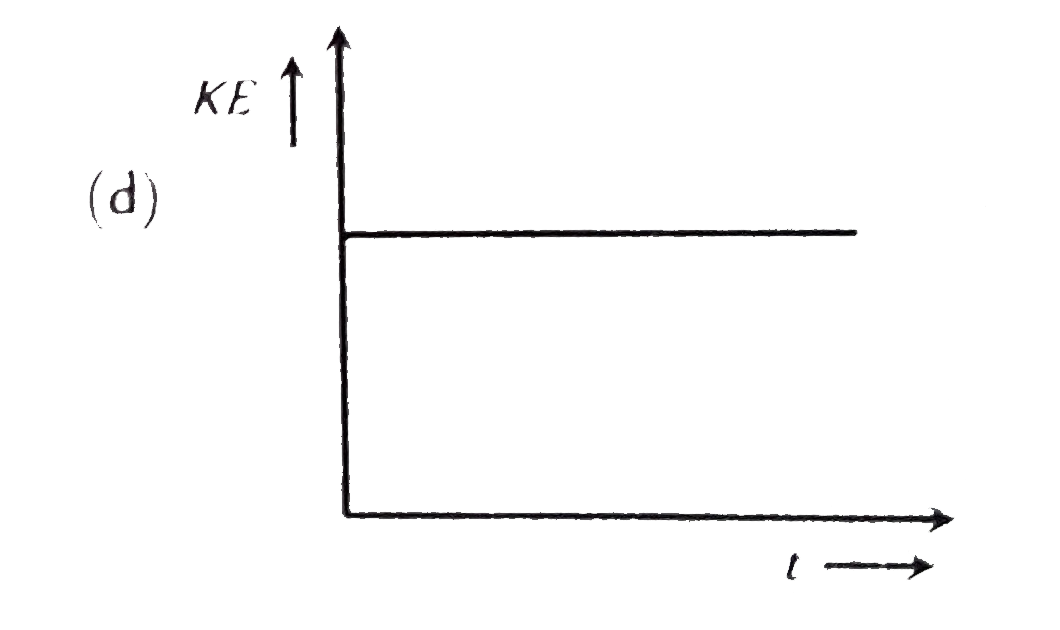
Text Solution
Verified by Experts
The correct Answer is:



Topper's Solved these Questions
SIMPLE HARMONIC MOTION
ERRORLESS |Exercise Assertion & Reason|23 VideosSIMPLE HARMONIC MOTION
ERRORLESS |Exercise simple Harmonic Motion|21 VideosSIMPLE HARMONIC MOTION
ERRORLESS |Exercise Superposition of S.H. M and Resonance|14 VideosROTATIONAL MOTION
ERRORLESS |Exercise Practice Problems (Problems based on motion of connected mass)|10 VideosSURFACE TENSION
ERRORLESS |Exercise Exercise|214 Videos
Similar Questions
Explore conceptually related problems
ERRORLESS -SIMPLE HARMONIC MOTION-Graphical Questions
- A particle is executing SHM. Then the graph of acceleration as a funct...
Text Solution
|
- The acceleration a of a particle undergoing S.H.M. is shown in the fig...
Text Solution
|
- The displacement time graph of a particle executing S.H.M. is as shown...
Text Solution
|
- The displacement time graph of a particle executing S.H.M. (in straigh...
Text Solution
|
- In S.H.M., potential energy (U) vs time (t) graph is
Text Solution
|
- A particle of mass m oscillates with simple harmonic motion between po...
Text Solution
|
- For a particle executing S.H.M. the displacement x is given by x= A c...
Text Solution
|
- The velocity-time diagram of a harmonic oscillator is shown in the adj...
Text Solution
|
- A body of mass 0.01 kg executes simple harmonic motion about x = 0 und...
Text Solution
|
- For a simple pendulum the graph between length and time period will be
Text Solution
|
- In case of a simple pendulum, time period versus length is depicted by
Text Solution
|
- Graph between velocity and displacement of a particle, executing S.H.M...
Text Solution
|
- The variation of the acceleration (f) of the particle executing S.H.M....
Text Solution
|
- Acceleration A and time period T of a body in S.H.M. is given by a cur...
Text Solution
|
- The variation of potential energy of harmonic oscillator is as shown i...
Text Solution
|
- A body performs S.H.M. Its kinetic energy K varies with time t as ind...
Text Solution
|