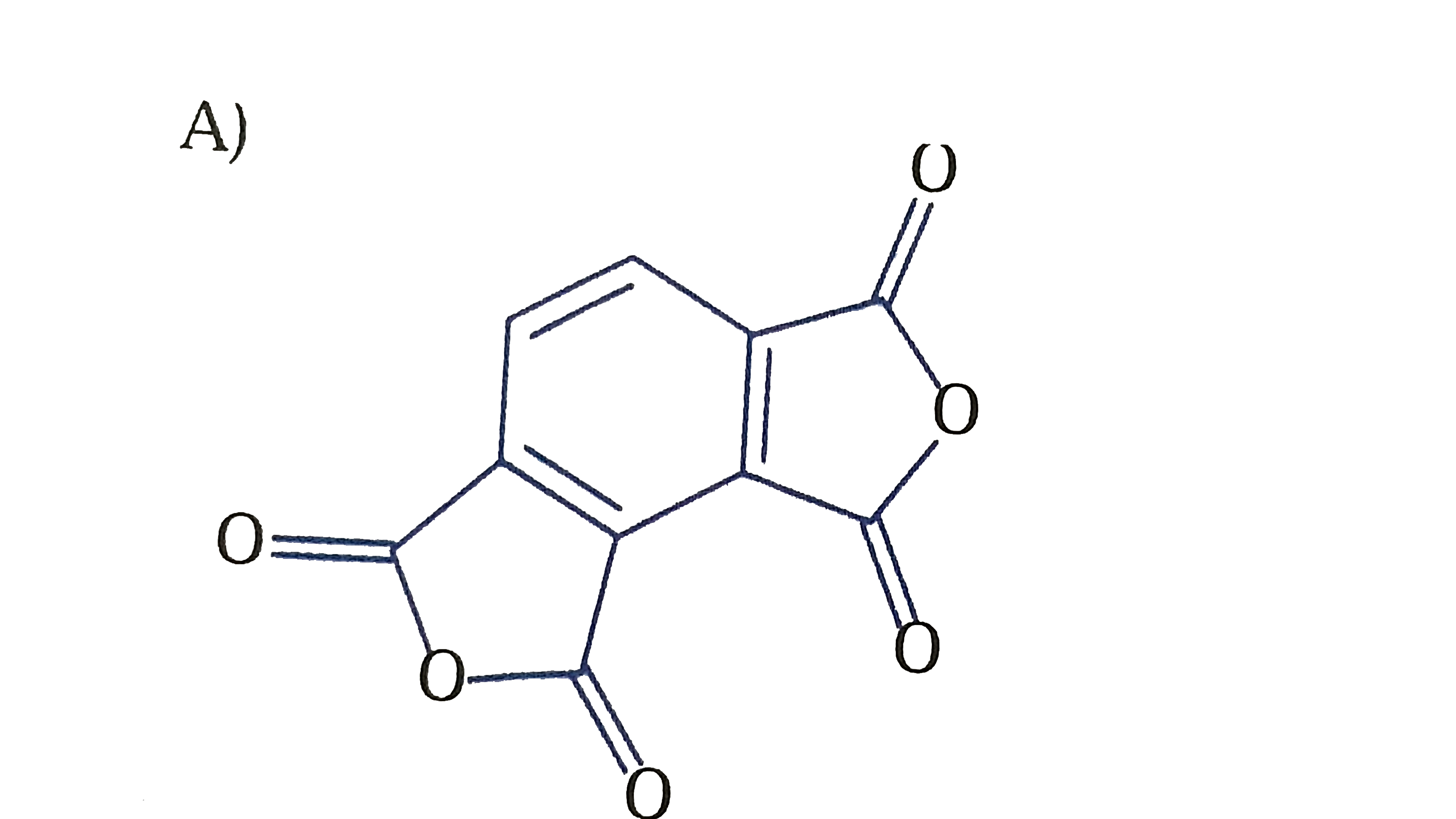
A
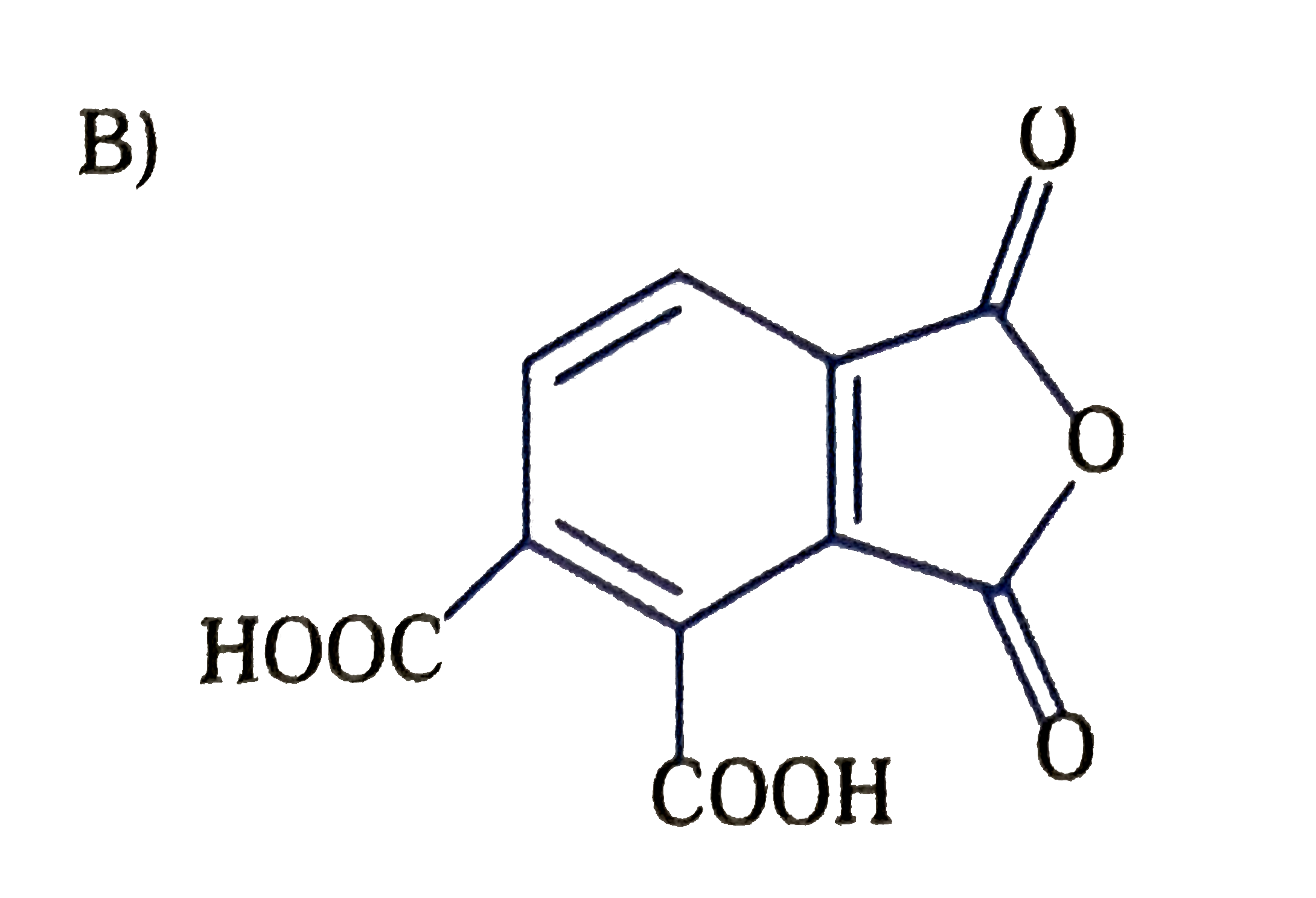
B
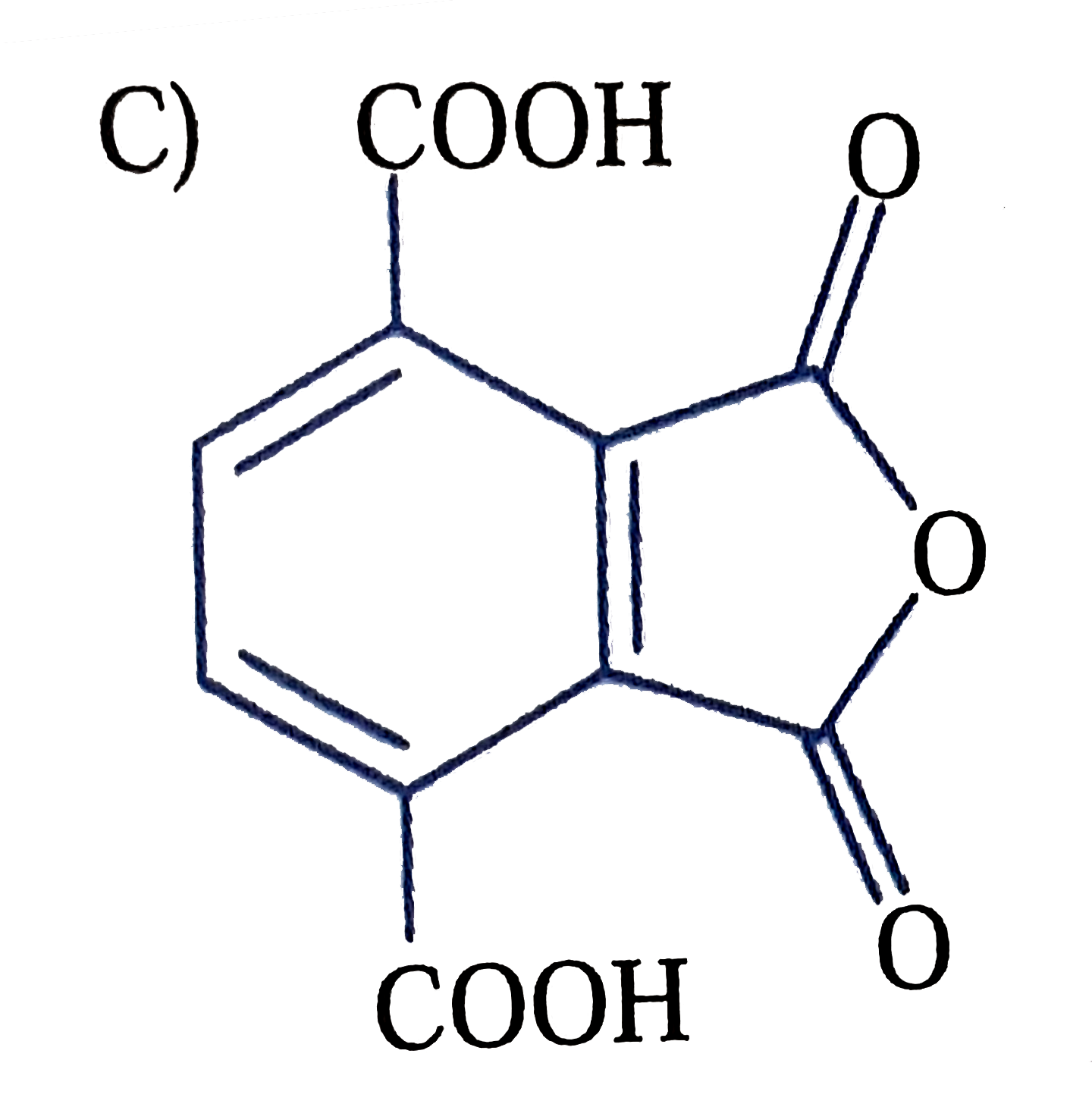
C
D
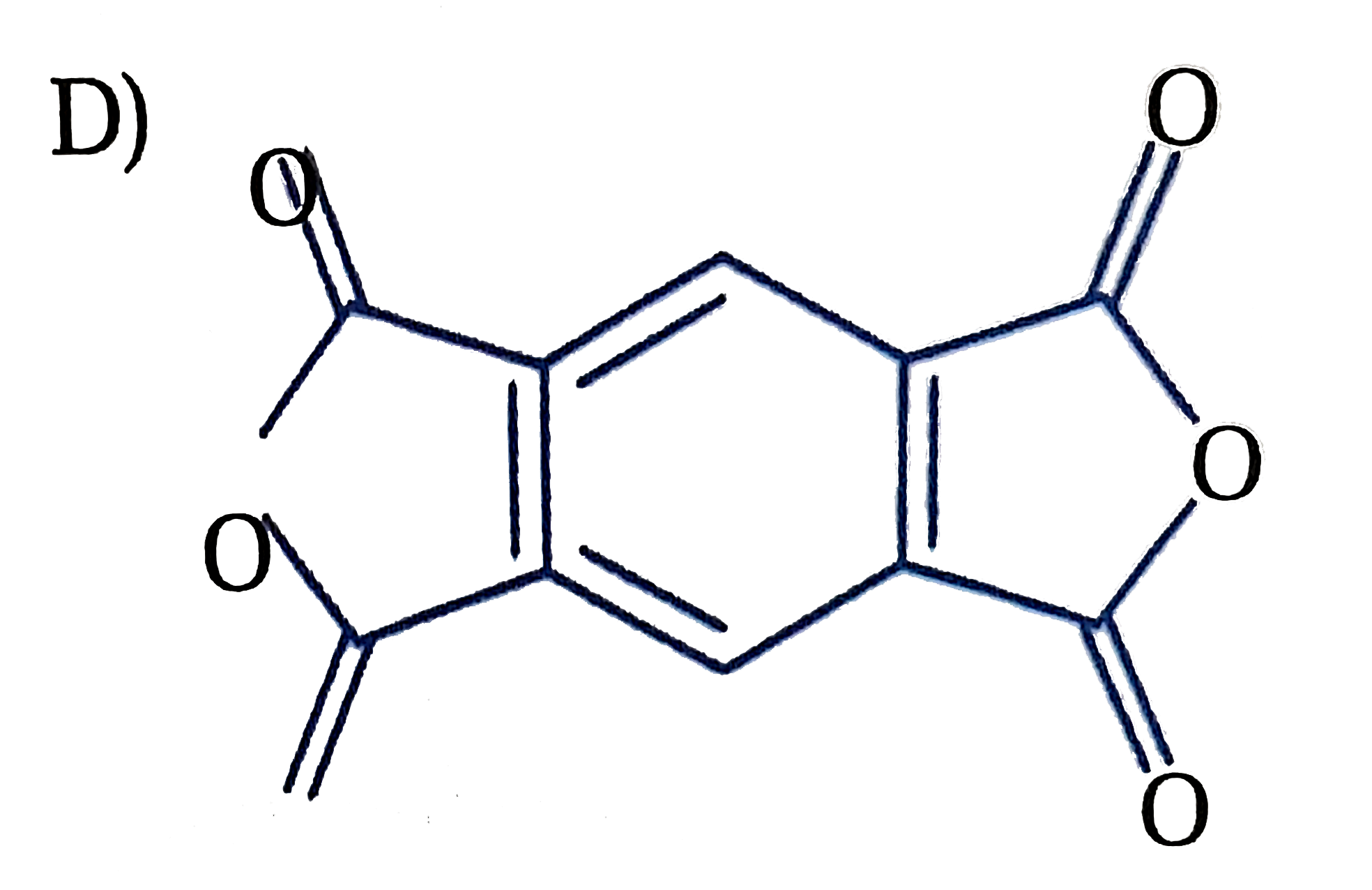
Text Solution
Verified by Experts
The correct Answer is:



Topper's Solved these Questions
Similar Questions
Explore conceptually related problems
NARAYNA-CARBOXYLIC ACID-All Questions
- Correct statement (s) regarding the following reaction scheme is/are ...
Text Solution
|
- Correct statement (s) regarding the following reaction scheme is/are
Text Solution
|
- The probable product(s) of the following reaction is/are
Text Solution
|
- Amides undergo hydrolysis to yield carboxylic acid plus amine on heati...
Text Solution
|
- Amides undergo hydrolysis to yield carboxylic acid plus amine on heati...
Text Solution
|
- Amides undergo hydrolysis to yield carboxylic acid plus amine on heati...
Text Solution
|
- Amides undergo hydrolysis to yield carboxylic acid plus amine on heati...
Text Solution
|
- An organic lactum (A) on acid hydrolysis produces an amino acid (B) wh...
Text Solution
|
- An organic lactum (A) on acid hydrolysis produces an amino acid (B) wh...
Text Solution
|
- An organic lactum (A) on acid hydrolysis produces an amino acid (B) wh...
Text Solution
|
- Which reagent (X) is used to convert to I to II?
Text Solution
|
- Which is true for the above reaction?
Text Solution
|
- Under Hoffman's condition above compounds give respectively:
Text Solution
|
- Match the column {:("Column I","Column II"),("(A) acid chloride","(...
Text Solution
|
- Match each of the compounds given in compounds gives in Column I with ...
Text Solution
|
- Statement 1 : Use of Br2 and PCl3 on Carboxylic acid results in alpha-...
Text Solution
|
- Statement 1 : Maleic acid is more acidic than fumaric acid Statement...
Text Solution
|
- How many moles of Lithium di isopropylamide (LDA) react with one mole ...
Text Solution
|
- An organic compound A ( mol wt = 180) is acylated with CH3 COCl to get...
Text Solution
|
- Lactic acid gives n number of geometrical isomeric products on strong ...
Text Solution
|