


Similar Questions
Explore conceptually related problems
Recommended Questions
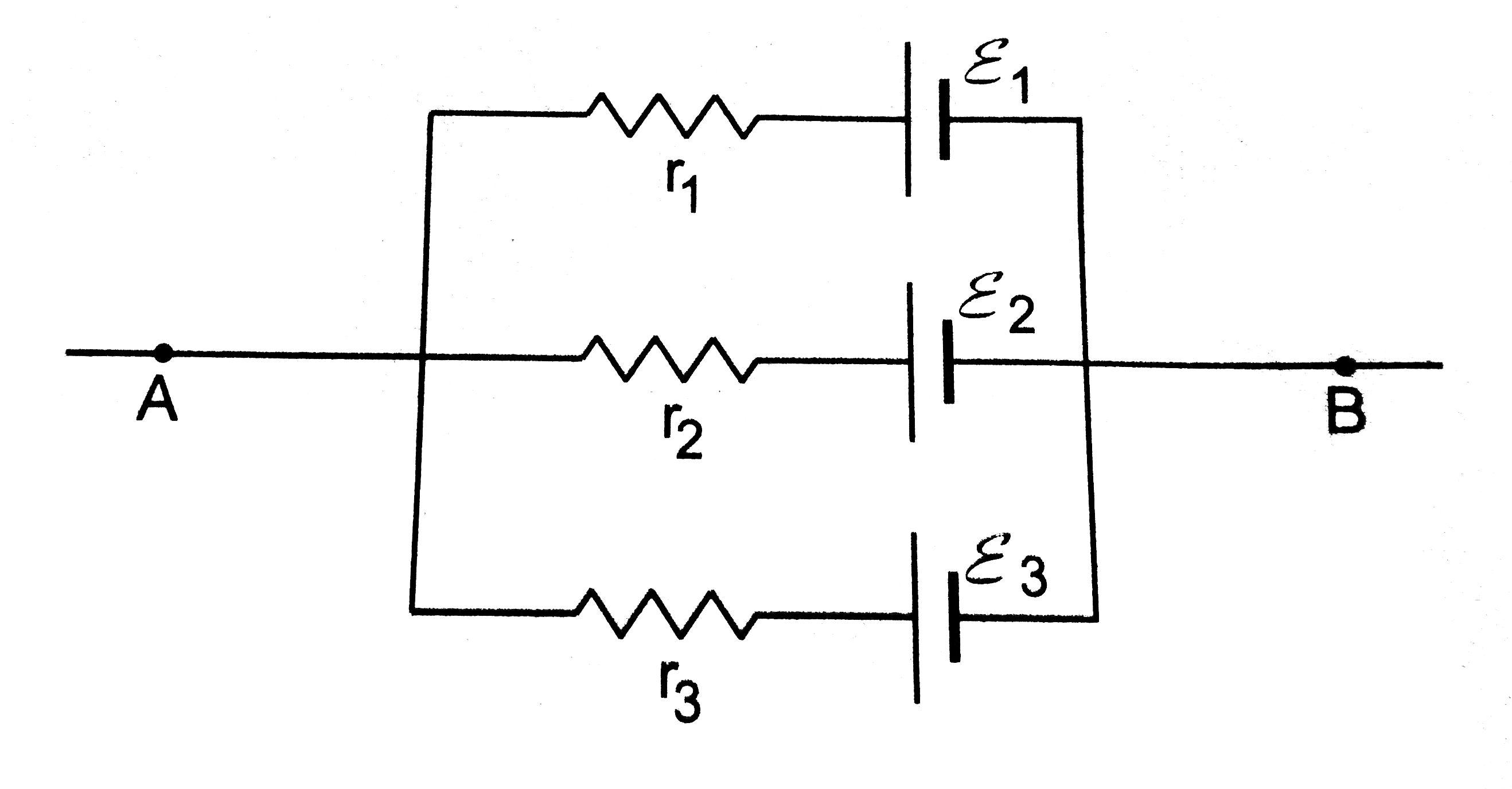
- In the circuit shown in figure ,(epsilon)(1)=3V,(epsilon)(2)=2V,(epsil...
Text Solution
|
- In the circuit shown in figure ,(epsilon)(1)=3V,(epsilon)(2)=2V,(epsil...
Text Solution
|
- In the given cirucit, determine current through branch having indicate...
Text Solution
|
- In the network shown the potential difference between A and B is (R = ...
Text Solution
|
- Find the current flowing through the resistance R(1) of the circuit sh...
Text Solution
|
- In the circuit shown in the figure R(1) =3 Omega,R(2) = 2 Omega and R(...
Text Solution
|
- In the circuit as shown in figure, E(1)=2V , E(2)=2V, E(3)=1V, and R=r...
Text Solution
|
- दर्शाए गए परिपथ में R(1)=4Omega,R(2)=R(3)=5Omega,R(4)=10Omega तथा epsi...
Text Solution
|
- दिए गए परिपथ में प्रतिरोध R(1) के सिरों पर वोल्टता पात ज्ञात कीजिए, जह...
Text Solution
|