Home
Class 12
CHEMISTRY
Carbon oxygen double bond are easily red...

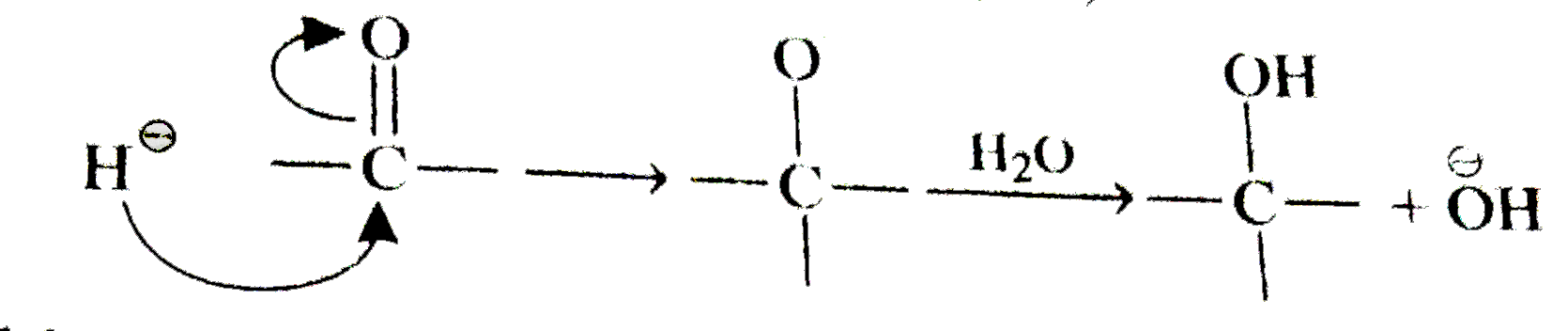
Carbon oxygen double bond are easily reduced by `NaBH_(4) or LiAlH_(4)`. The actual reducing agent in these reduction is hrdride ion `(H^(-))`

The metal hydrogen bond in `LiAlH_(4)` is more than polar than metal hydrogen bond in `NaBH_(4)`. As a result `LiAlH_(4)` is strong reducing agent than `NaBH_(4)`. Esters, carboxylic acids, amides cannot be reduced by `NaBH_(4)`
The carbonyl group of amide of reduced to methylene group by `LiAlH_(4)`
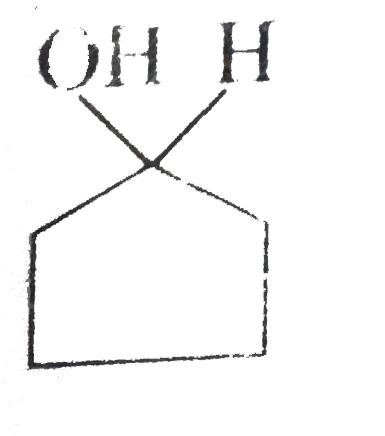
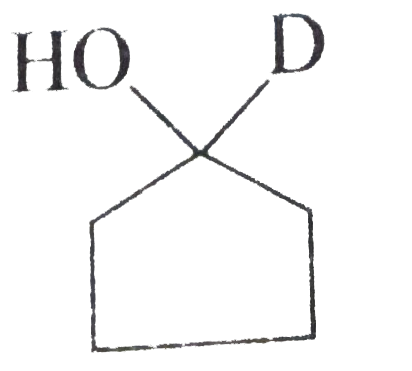
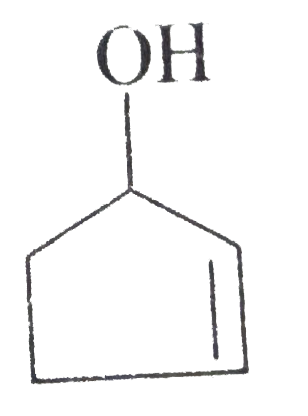
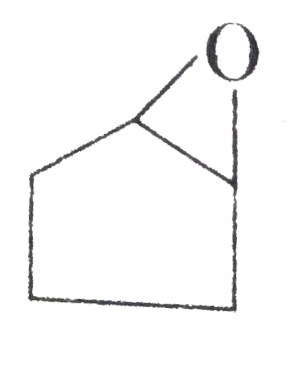
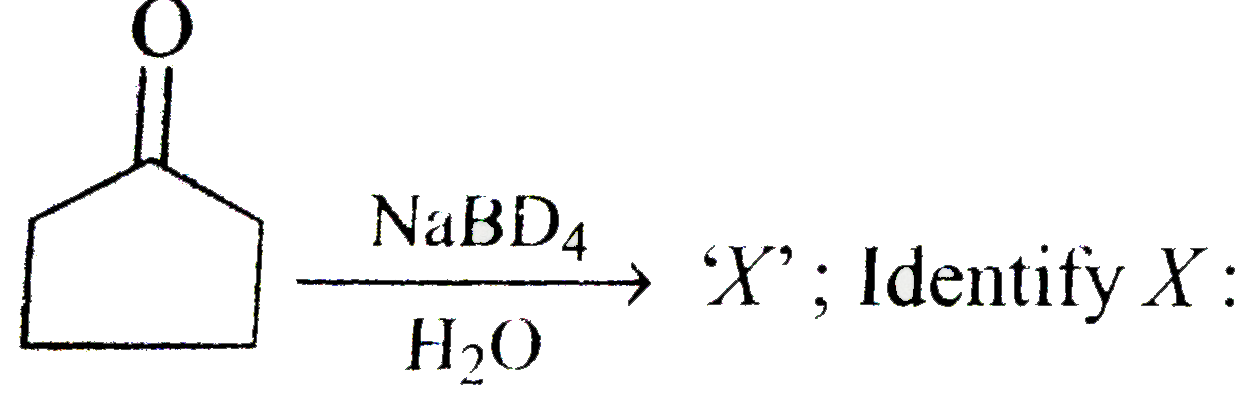
, Identify X:

A

B

C

D

Text Solution

Verified by Experts

The correct Answer is:

B
Promotional Banner

Similar Questions

Explore conceptually related problems

Carbon oxygen double bond are easily reduced by NaBH_(4) or LiAlH_(4) . The actual reducing agent in these reduction is hrdride ion (H^(-)) The metal hydrogen bond in LiAlH_(4) is more than polar than metal hydrogen bond in NaBH_(4) . As a result LiAlH_(4) is strong reducing agent than NaBH_(4) . Esters, carboxylic acids, amides cannot be reduced by NaBH_(4) The carbonyl group of amide of reduced to methylene group by LiAlH_(4) Find the correct product of the following reaction:

Carbon-oxygen double bond are easily reduced by NaBH_(4) or LiAlH_(4) . The actual reducing agent in these reduction is hydride ion (H^(-)) . The metal-hydrogen bond in LiAlH_(4) is more polar than metal-hydrogen bond in NaBH_(4) . As a result LiAlH_(4) is strong reducing agent than NaBH_(4) . Esters, carboxylic acids, amides cannot be reducted by NaBH_(4) . The carbonyl group of amide to methylene group by LiAlH_(4) . Find the correct product of the following reaction :

Carbon-oxygen double bond are easily reduced by NaBH_(4) or LiAlH_(4) . The actual reducing agent in these reduction is hydride ion (H^(-)) . The metal-hydrogen bond in LiAlH_(4) is more polar than metal-hydrogen bond in NaBH_(4) . As a result LiAlH_(4) is strong reducing agent than NaBH_(4) . Esters, carboxylic acids, amides cannot be reducted by NaBH_(4) . The carbonyl group of amide to methylene group by LiAlH_(4) . underset(D_(2)O)overset(LiAlH_(4))(rarr)'Y' , Identify 'Y' :