

Home
Class 12
CHEMISTRY
Acid catalysed conversation of 1,2-diol ...

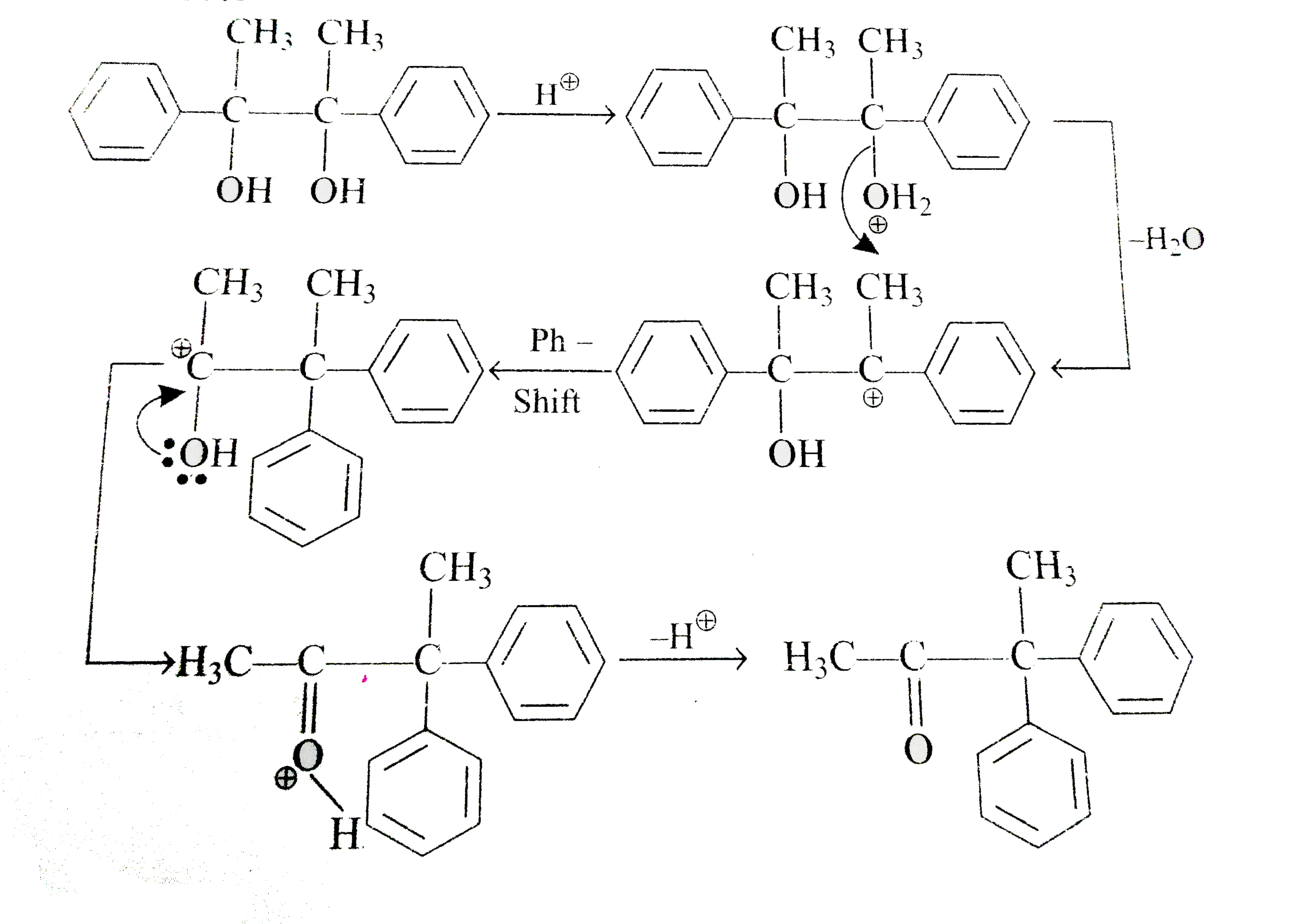
Acid catalysed conversation of 1,2-diol or vicinal, into carbonyl compound known as pinocaol-pinacolone rearrangement.

Generally more electron donating group migrate during mechanism, migration of H is faster because of its smaller size.

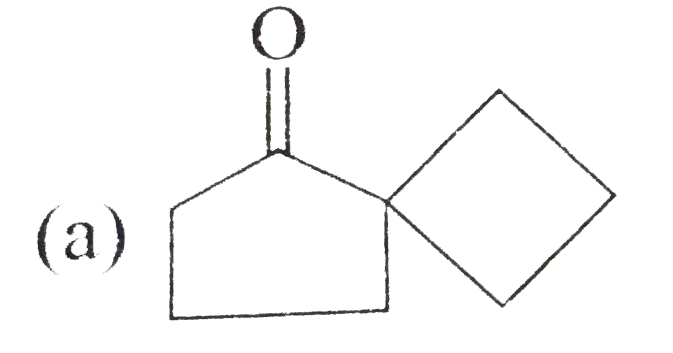
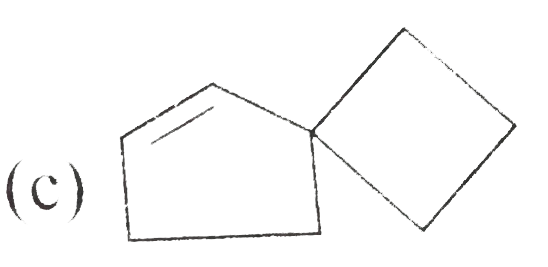
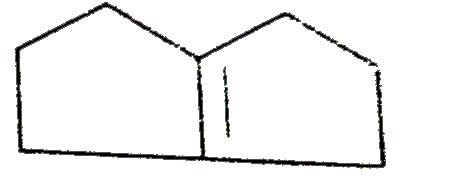
In this sequence of reaction final product is"

A

B

C

D

Text Solution

Verified by Experts

The correct Answer is:

D
Promotional Banner

Similar Questions

Explore conceptually related problems

Acid catalysed conversation of 1,2-diol or vicinal, into carbonyl compound known as pinocaol-pinacolone rearrangement. Generally more electron donating group migrate during mechanism, migration of H is faster because of its smaller size. What would be the major product of reaction?

Acid catalysed conversation of 1,2-diol or vicinal, into carbonyl compound known as pinocaol-pinacolone rearrangement. Generally more electron donating group migrate during mechanism, migration of H is faster because of its smaller size. Which of the following is not correct about this rearrangement?

Acid catalysed conversation of 1,2-diol or vicinal, into carbonyl compound known as pinocaol-pinacolone rearrangement. Generally more electron donating group migrate during mechanism, migration of H is faster because of its smaller size. Which of the following is not correct about this rearrangement?

The base catalysed reaction of 1,2-diketone to a salt of 2-hydroxy carbonxylic acid is known as benzile acid rearrangement . The reaction is not application to 1,2-diketones containing alpha- methylene group because of competing aldol condensation .

The base catalysed reaction of 1,2-diketone to a salt of 2-hydroxy carbonxylic acid is known as benzile acid rearrangement . The reaction is not application to 1,2-diketones containing alpha- methylene group because of competing aldol condensation . Find out product of following reaction :

The base catalysed reaction of 1,2-diketone to a salt of 2-hydroxy carbonxylic acid is known as benzile acid rearrangement . The reaction is not application to 1,2-diketones containing alpha- methylene group because of competing aldol condensation . Find 'P' :

Di-tert-glycols rearrange in the presence of acid to give alpha -trtiary ketones. The trivial name of the simplest glycol of this type is pinacol, and this type of reaction therefore is named pinacol rearrangement (in this specific case, the reaction is called a pinacol-pinacolone rearrangement). The rearrangement involves 4 steps. one of the hydroxyl group is protonated in the first step. A molecule of water is eliminated in the second step and a tertiary carbocation is formed. the carbocation rearranges in the third step into a more stable carboxonium ion via a [1, 2] rearrangement. In the last step, the carboxonium ion is deprotonated and the product ketone is obtained. What is R.D.S. of pinacol-pinacolone rearrangement ?
