Home
Class 12
CHEMISTRY
A line which bisects a compound in two e...

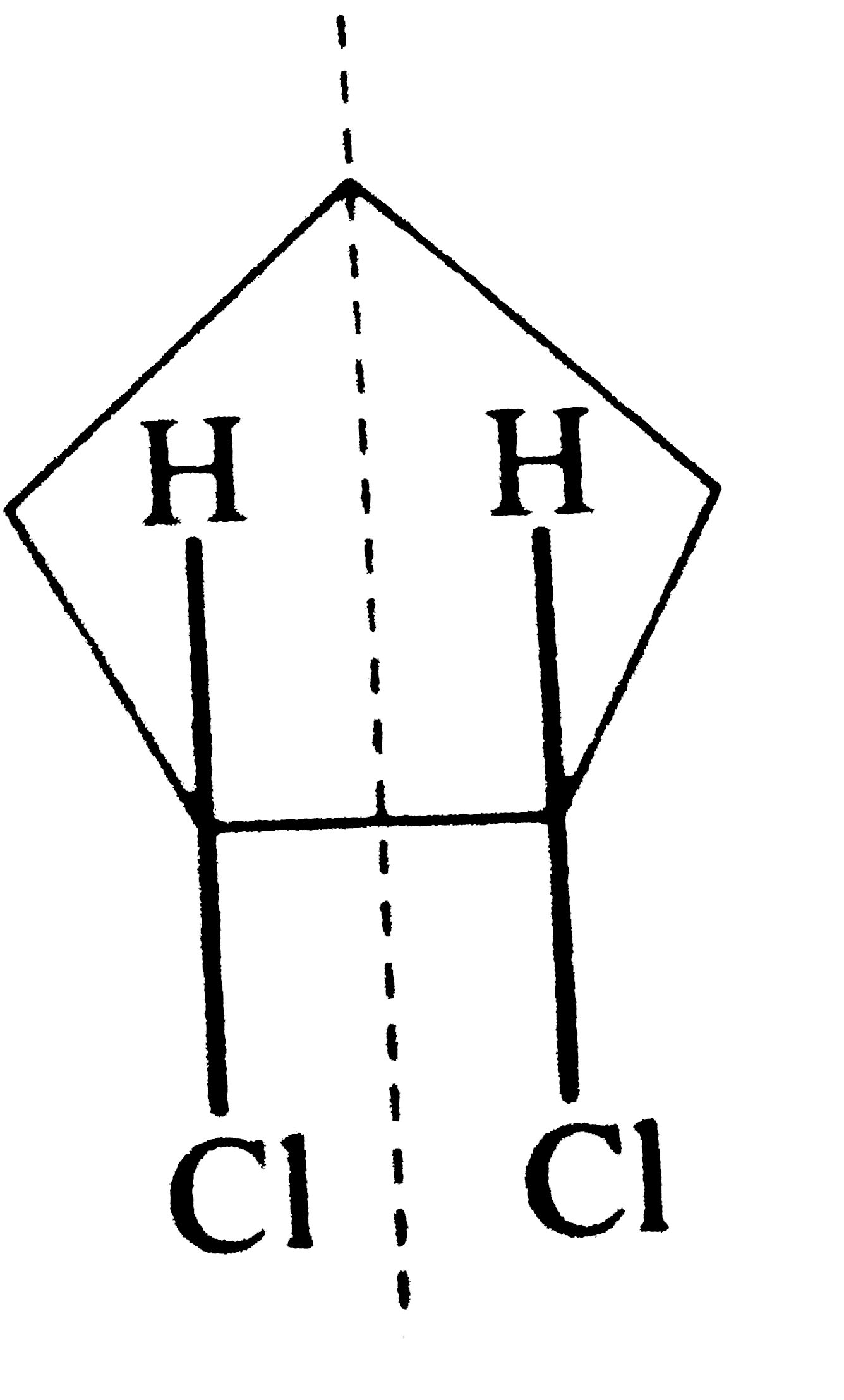
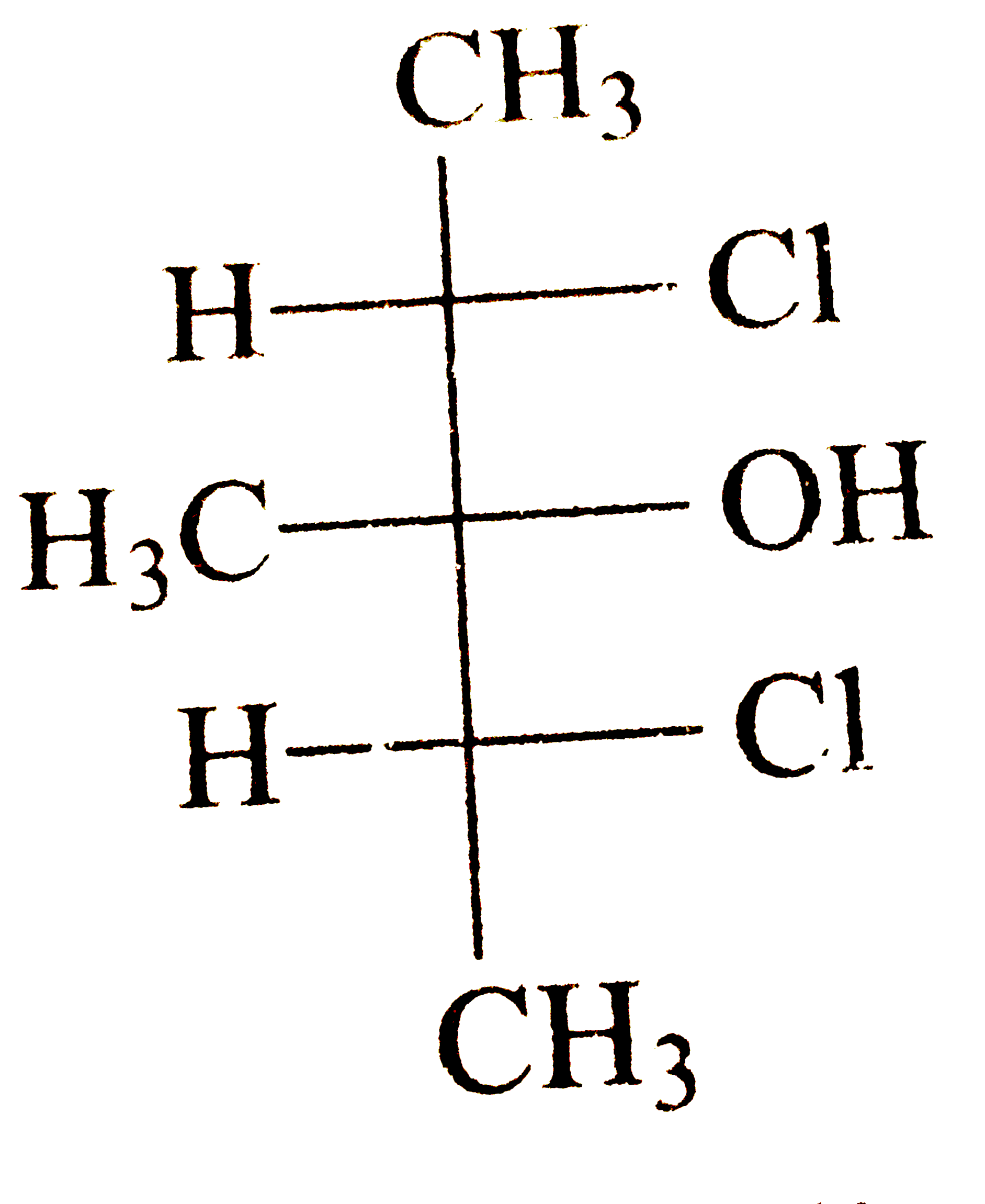
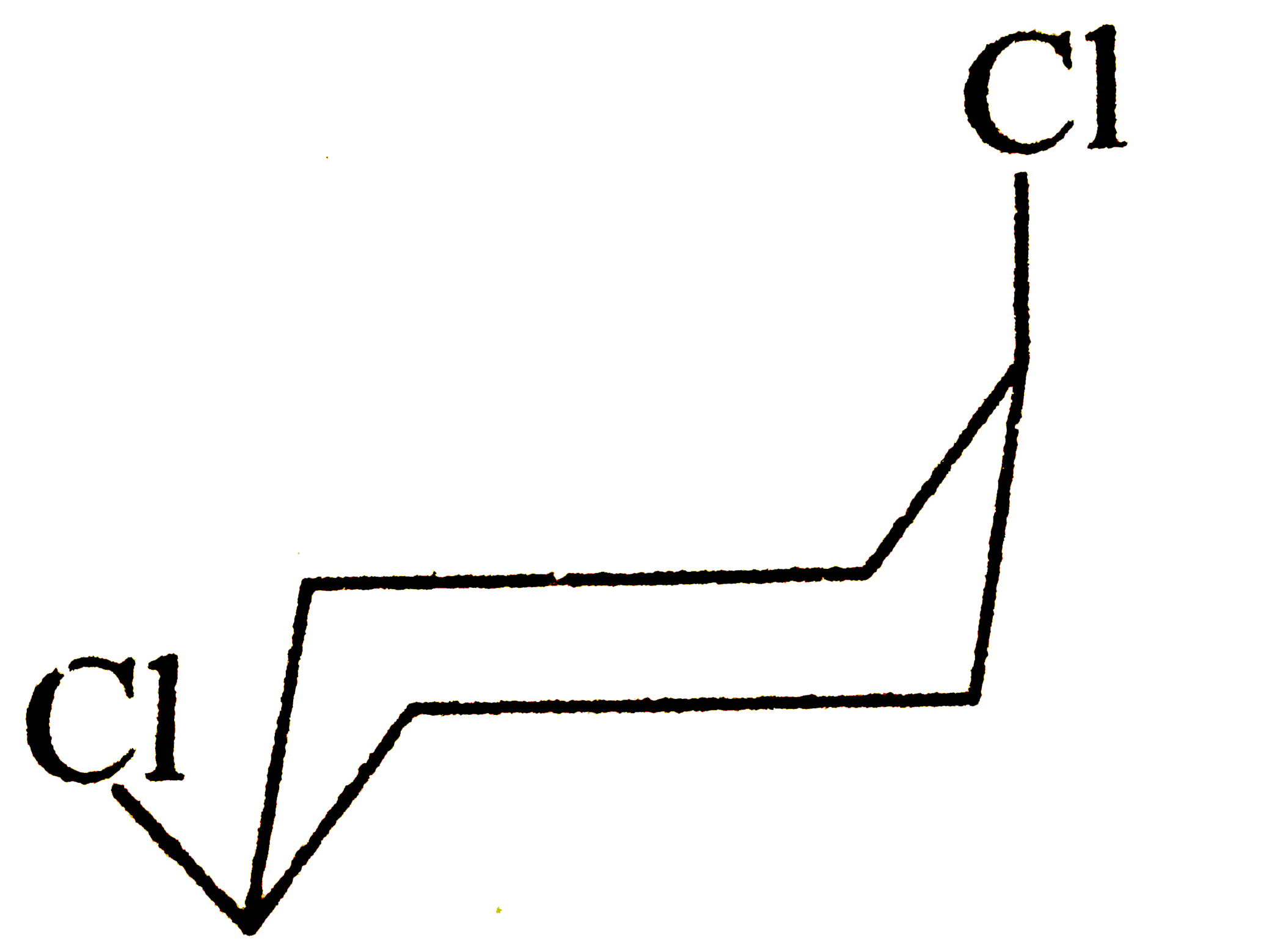
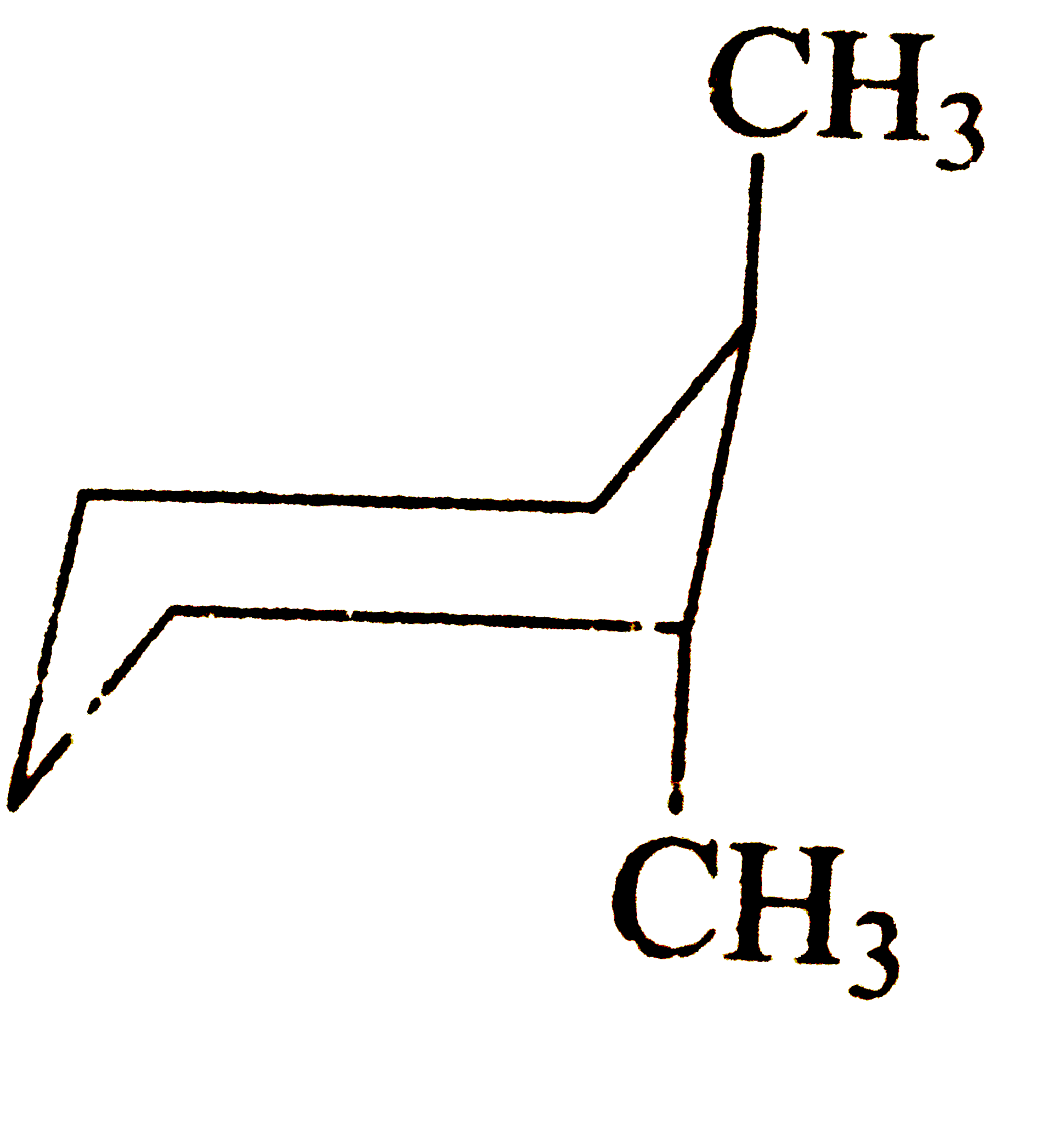
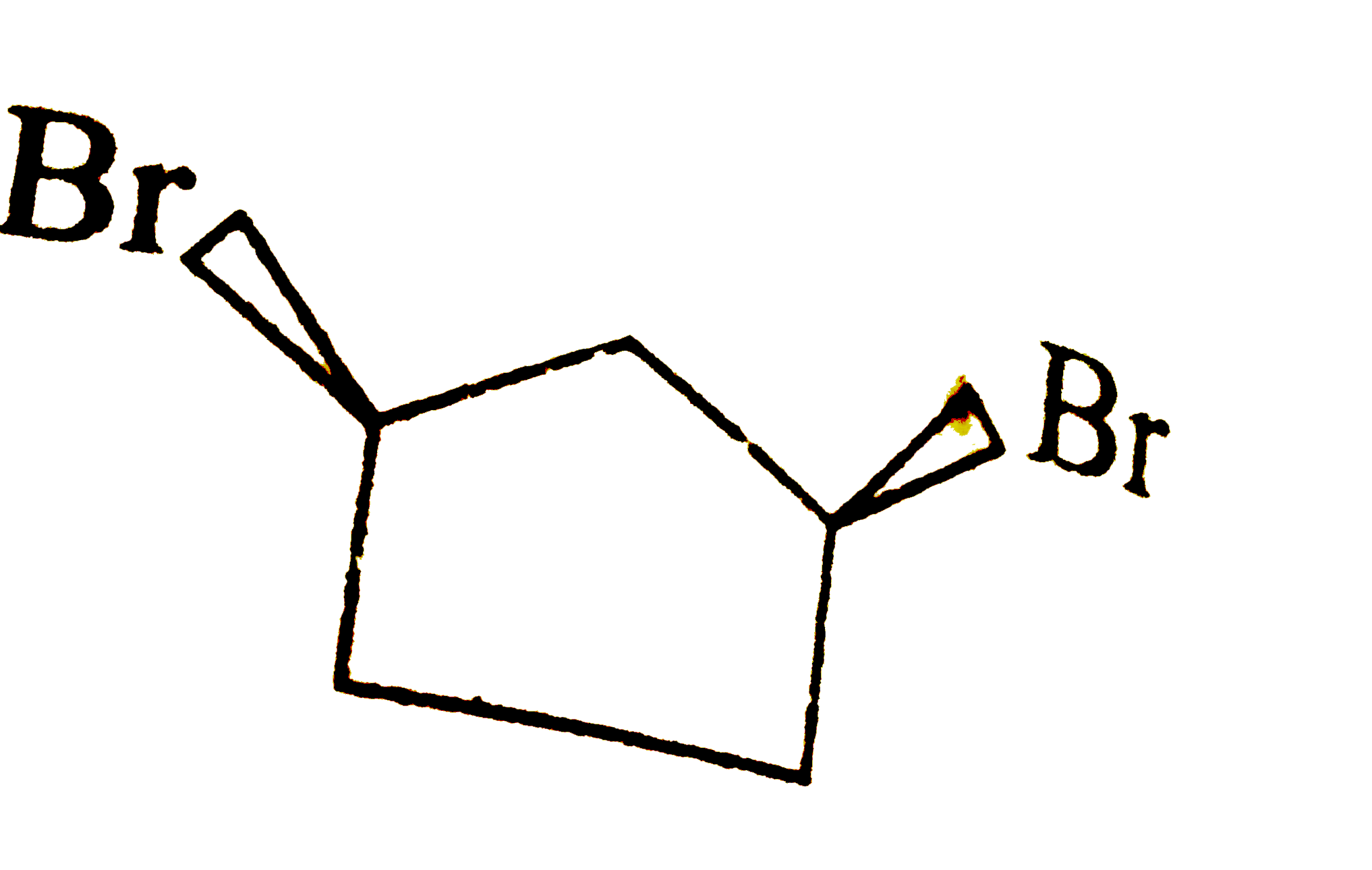
A line which bisects a compound in two equal parts and both parts appear to be the mirror image of each other, such kind of symmetry is known as plane of symmetry

Any molecule that has a internald mirror palne of symmetry cannot be chiral, even thought it may contain asymmetric carbon atoms.
Which of the following compound optically active?

A

B

C

D

Text Solution

Verified by Experts

The correct Answer is:

C
Promotional Banner

Topper's Solved these Questions

  • ISOMERISM

    HIMANSHU PANDEY|Exercise Match The Column|5 Videos
  • ISOMERISM

    HIMANSHU PANDEY|Exercise Integer Answer Type Problems|12 Videos
  • ISOMERISM

    HIMANSHU PANDEY|Exercise More Than One Correct (Q.26 To Q.45)|20 Videos
  • HALIDES

    HIMANSHU PANDEY|Exercise Subjective Type Problems|10 Videos
  • NOMENCLATURE

    HIMANSHU PANDEY|Exercise Section Iv (Q.26 To Q.26)|1 Videos

Similar Questions

Explore conceptually related problems

A line which bisects a compound in two equal parts and both parts appear to be the mirror image of each other, such kind of symmetry is known as plane of symmetry Any molecule that has a internald mirror palne of symmetry cannot be chiral, even thought it may contain asymmetric carbon atoms. Which of the following compounds is not chiral?

A line which bisects a compound in two equal parts and both parts appear to be the mirror image of each other, such kind of symmetry is known as plane of symmetry Any molecule that has a internald mirror palne of symmetry cannot be chiral, even thought it may contain asymmetric carbon atoms. Which of the following compounds does not contain plane of symmetry?

Presence of chiral center is not an essential condition to show optical isomerism. Essential condition is, compound should show non-superimposable mirror image. Allenes do not contain chiral center but show optical isomerism when different groups are attached on double bonded carbonds. Biphenyls alos show optical isomerism when both rings are perpendicular to each other and any ring should not contain plane of symmetry. Which of the following biphenyl compounds is optically active?

Presence of chiral center is not an essential condition to show optical isomerism. Essential condition is, compound should show non-superimposable mirror image. Allenes do not contain chiral center but show optical isomerism when different groups are attached on double bonded carbonds. Biphenyls alos show optical isomerism when both rings are perpendicular to each other and any ring should not contain plane of symmetry. Which of the following compounds is optically inactive?

An organic compound having a carbon attached to four different group is optically actve, But is it that opposite is also true? That is, do all optically active organic compounds have chiral carbons? Not necessarily. Presence or absence of chiral centre is not the sufficiet criterion for optical activity. The ultimate criterion is presence or abosence of either plane or centre of symmtry. Two compounds which are non super im[osabble mirror images of each other are called enantiomers. If a compound contains more than one chiral carbon, new words are required to describe the relationship between various stereo isomers of the compounds. Those words are diastereomers and mesomers. Which of the following statements is/are correct regarding the above compound.

An organic compound having a carbon attached to four different group is optically actve, But is it that opposite is also true? That is, do all optically active organic compounds have chiral carbons? Not necessarily. Presence or absence of chiral centre is not the sufficiet criterion for optical activity. The ultimate criterion is presence or abosence of either plane or centre of symmtry. Two compounds which are non super im[osabble mirror images of each other are called enantiomers. If a compound contains more than one chiral carbon, new words are required to describe the relationship between various stereo isomers of the compounds. Those words are diastereomers and mesomers. Optically active compounds among the following is
