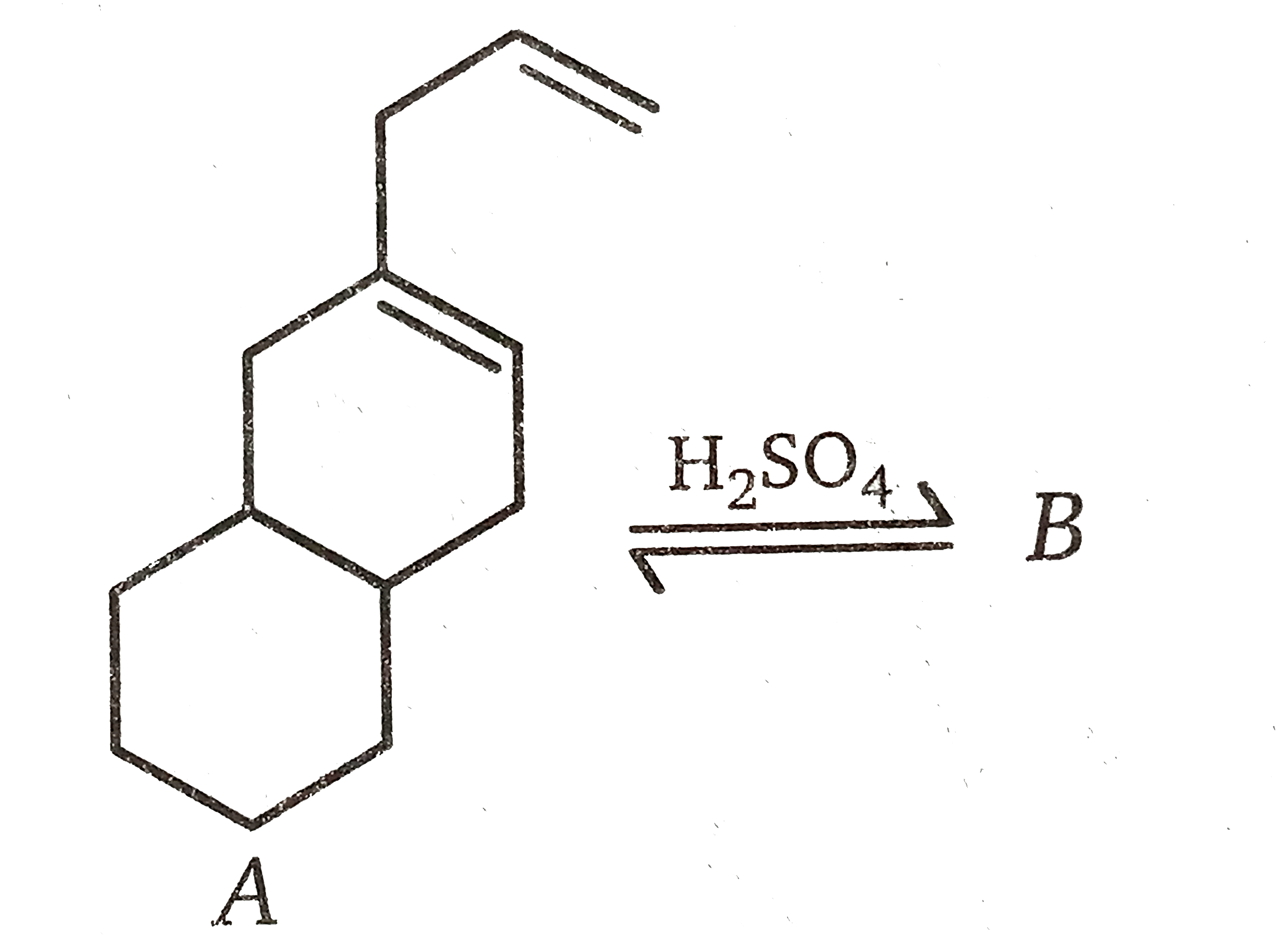
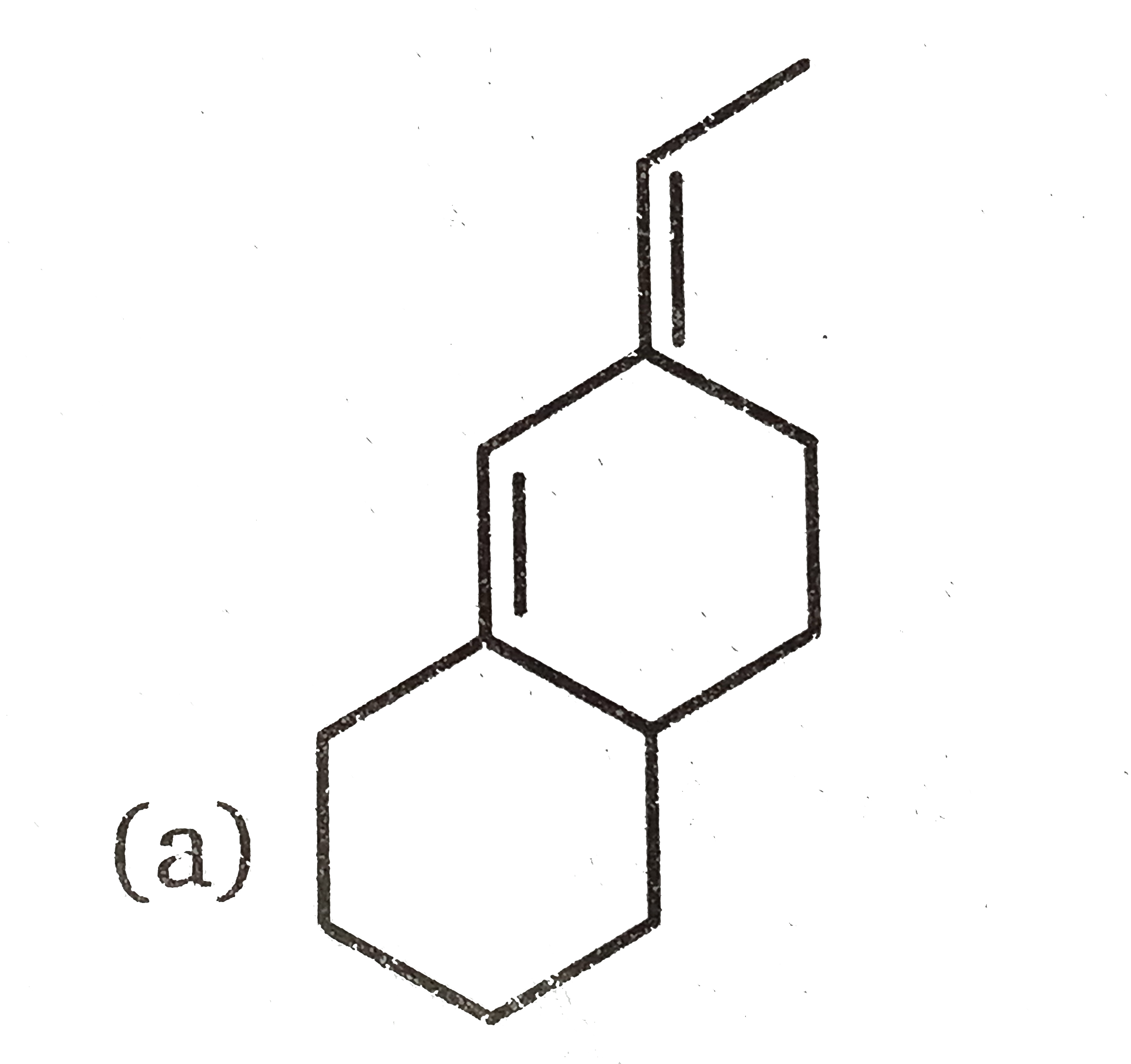
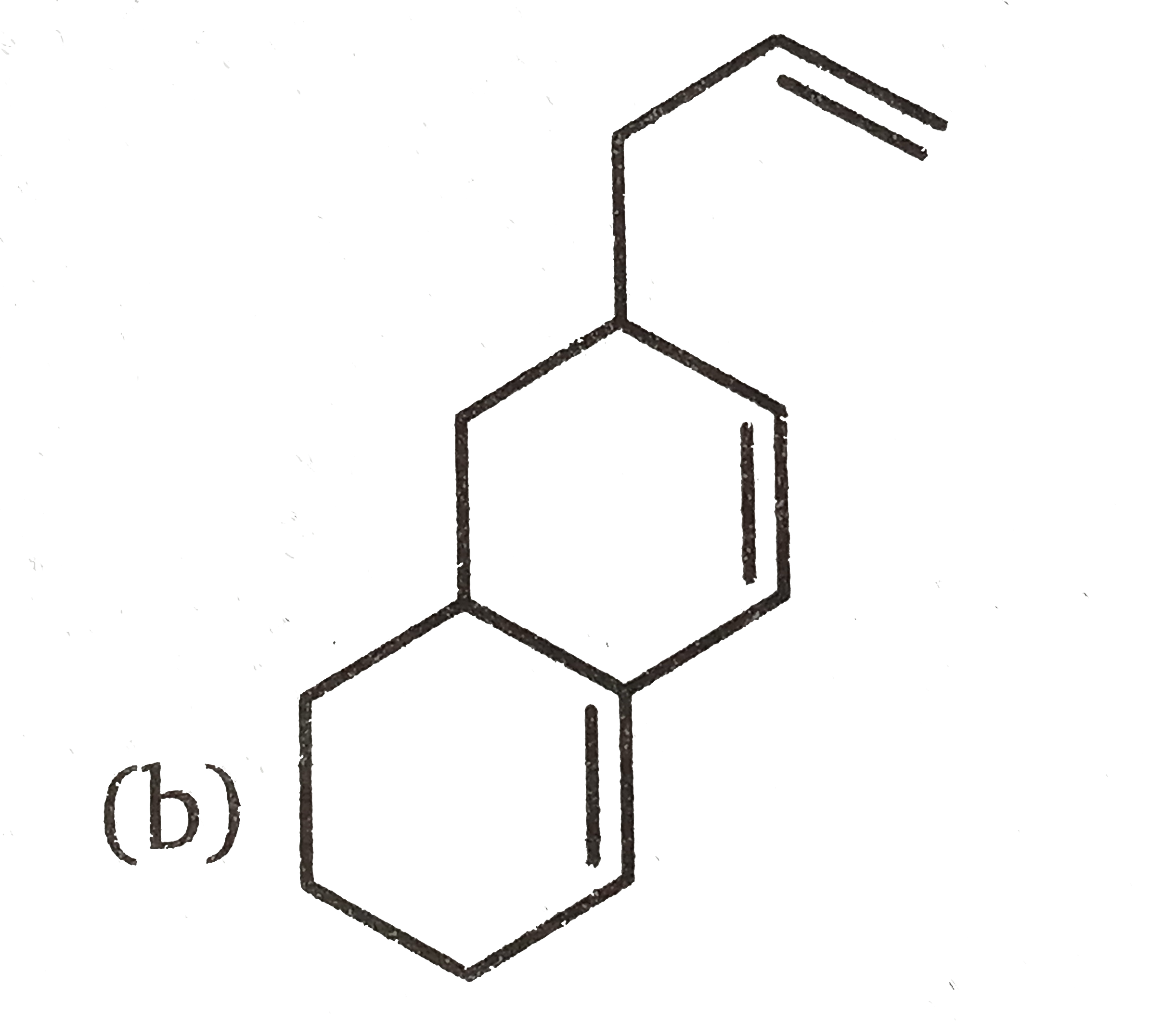
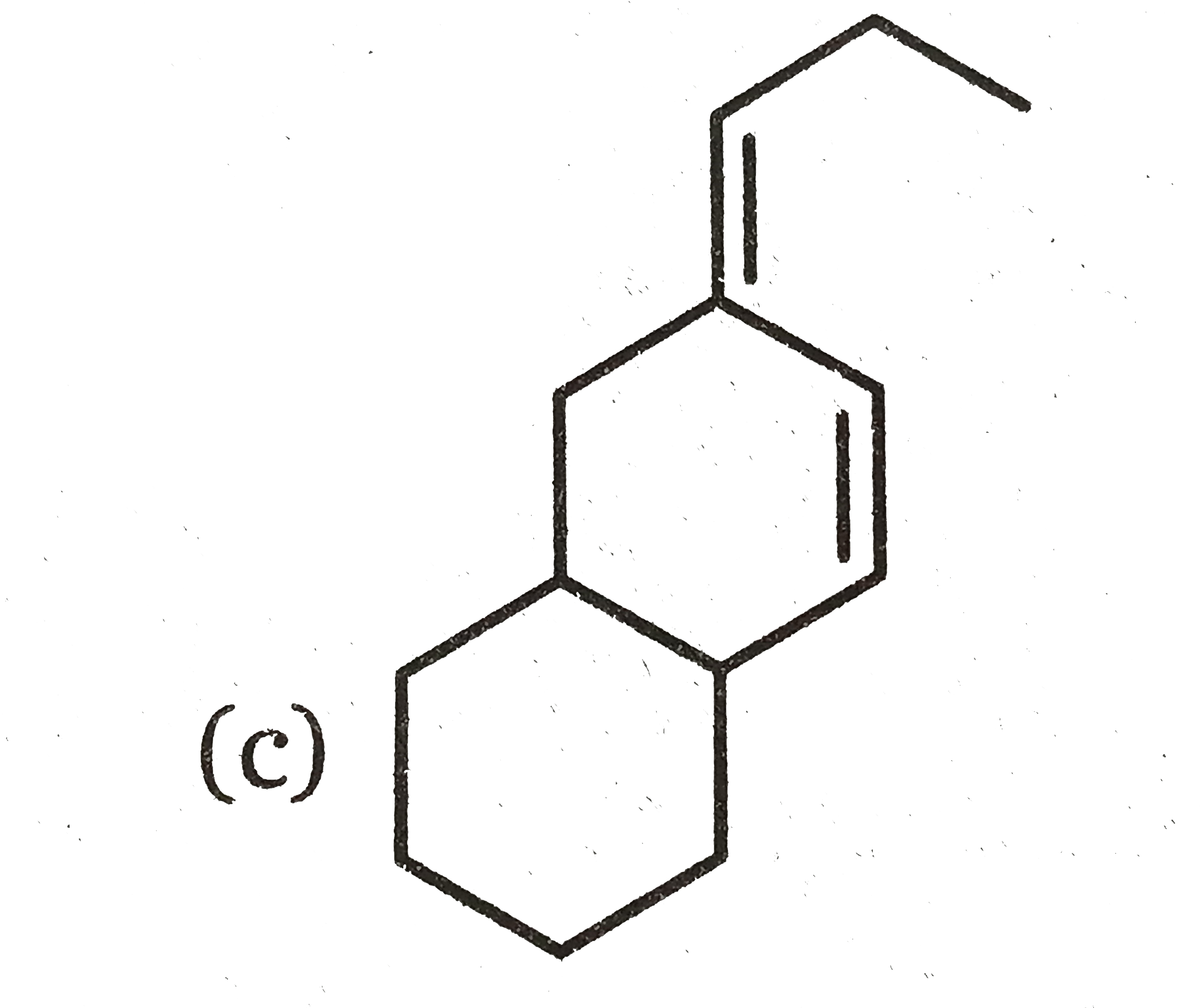
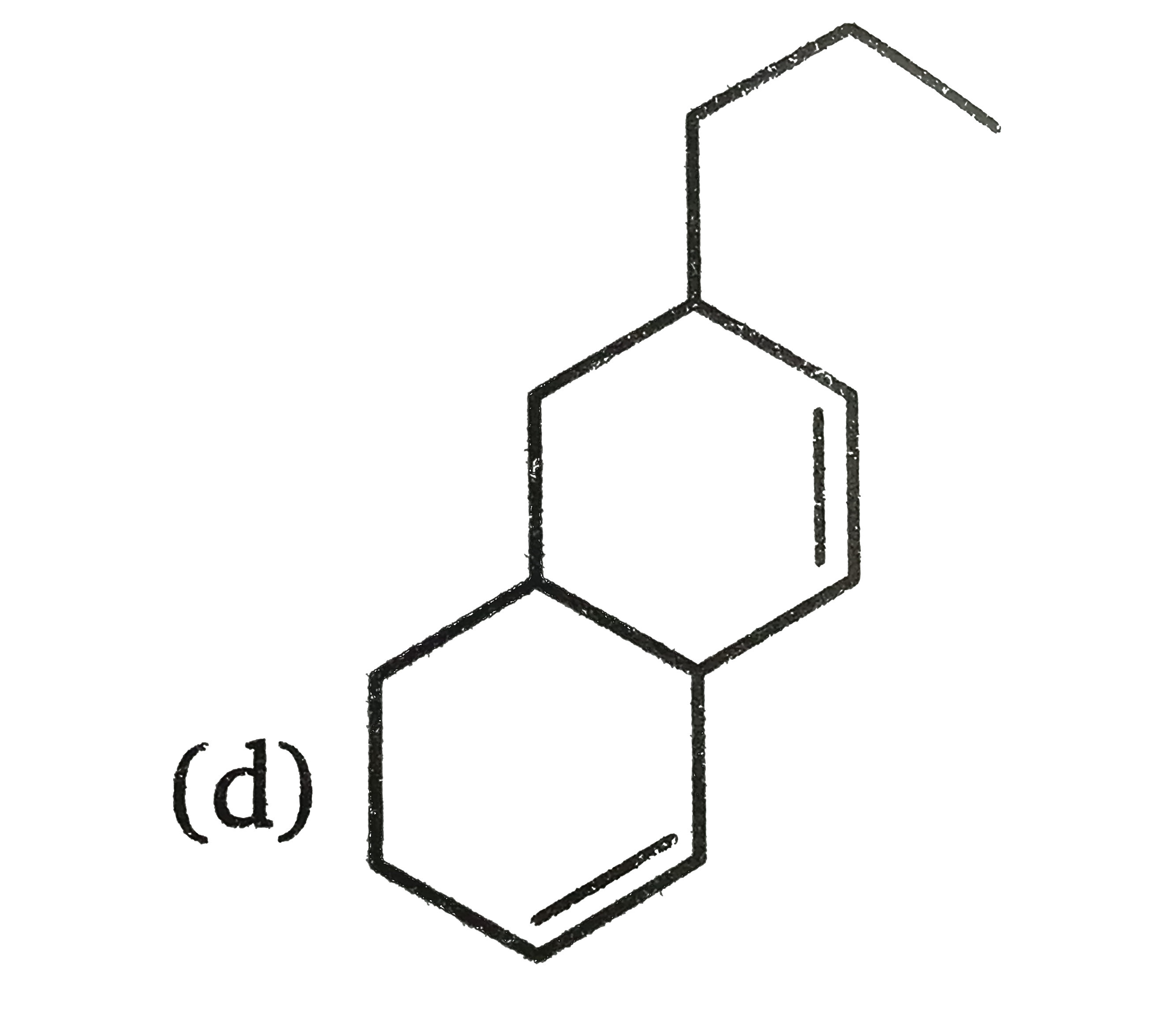
A isomerism to B on addition of traces of acid `H_(2)SO_(4)`. Compound (B) is:
A
B
C
D
Text Solution
Verified by Experts
The correct Answer is:
c
Isomerization of less stable diene into a more stable diene.
Topper's Solved these Questions
HYDROCARBONS (ALKENES)
MS CHOUHAN|Exercise Level 1 (Q.1 To Q.30)|1 Videos
HYDROCARBONS (ALKENES)
MS CHOUHAN|Exercise Level 1 (Q.61 To Q.90)|2 Videos
HYDROCARBONS (ALKANES)
MS CHOUHAN|Exercise Level 1 (Q.31 To Q.50)|1 Videos
HYDROCARBONS (ALKYNES)
MS CHOUHAN|Exercise Level 1 (Q.1 To Q.30)|2 Videos
Similar Questions
Explore conceptually related problems
Addition of Conc. H_(2)SO_(4) to water is
An compound (A) which undergo halogorm reaction give compound (B) on reduction . Compound (B) on dehydration with conc. H_(2)SO_(4) gives compound ( C ) which forms secondary butylbromide with HBr. Identify (A).
An organic compound A on heating with concentrated H_(2)SO_(4) forms a compound B which on addition of one mole of hydrogen in presence of Ni forms a compounds C. One mole od compound C on combustion form two moles of CO_(2) and three moles of H_(2)O . Identify the compounds A,B and C write the chemical equation of the reactions involved.
Black solid underset(Delta)overset(KOH+Air)to underset(("green"))((A))overset(H_(2)SO_(4))to underset(("purple"))((B))+(C) (i) KI on reaction with alkali solution of (B) changes into a compound (D). (ii) The colour of the compound (B) disappears on treatment with the acidic solution of FeSO_(4) (iii) With cold conc. H_(2)SO_(4) compound (B) gives (E), which being explosive decomposes to yield (F) and oxygen. ltBrgt Q. Type of hybridization in compound (D) is: