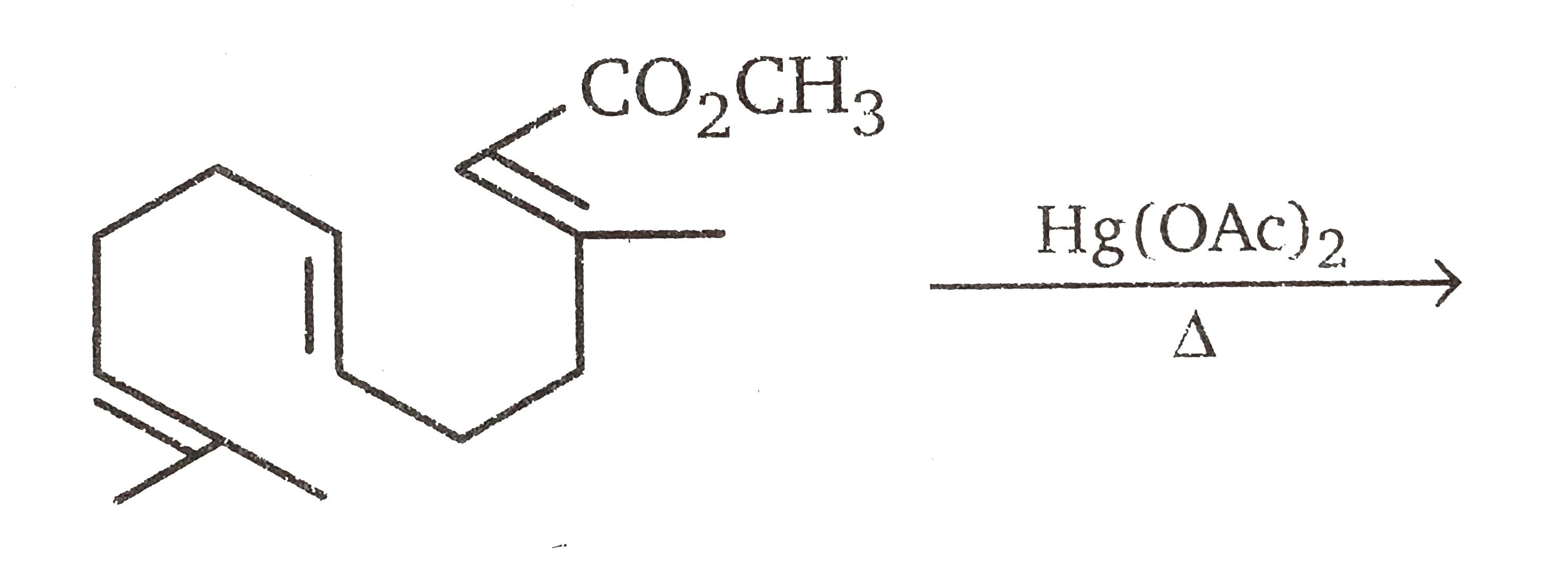
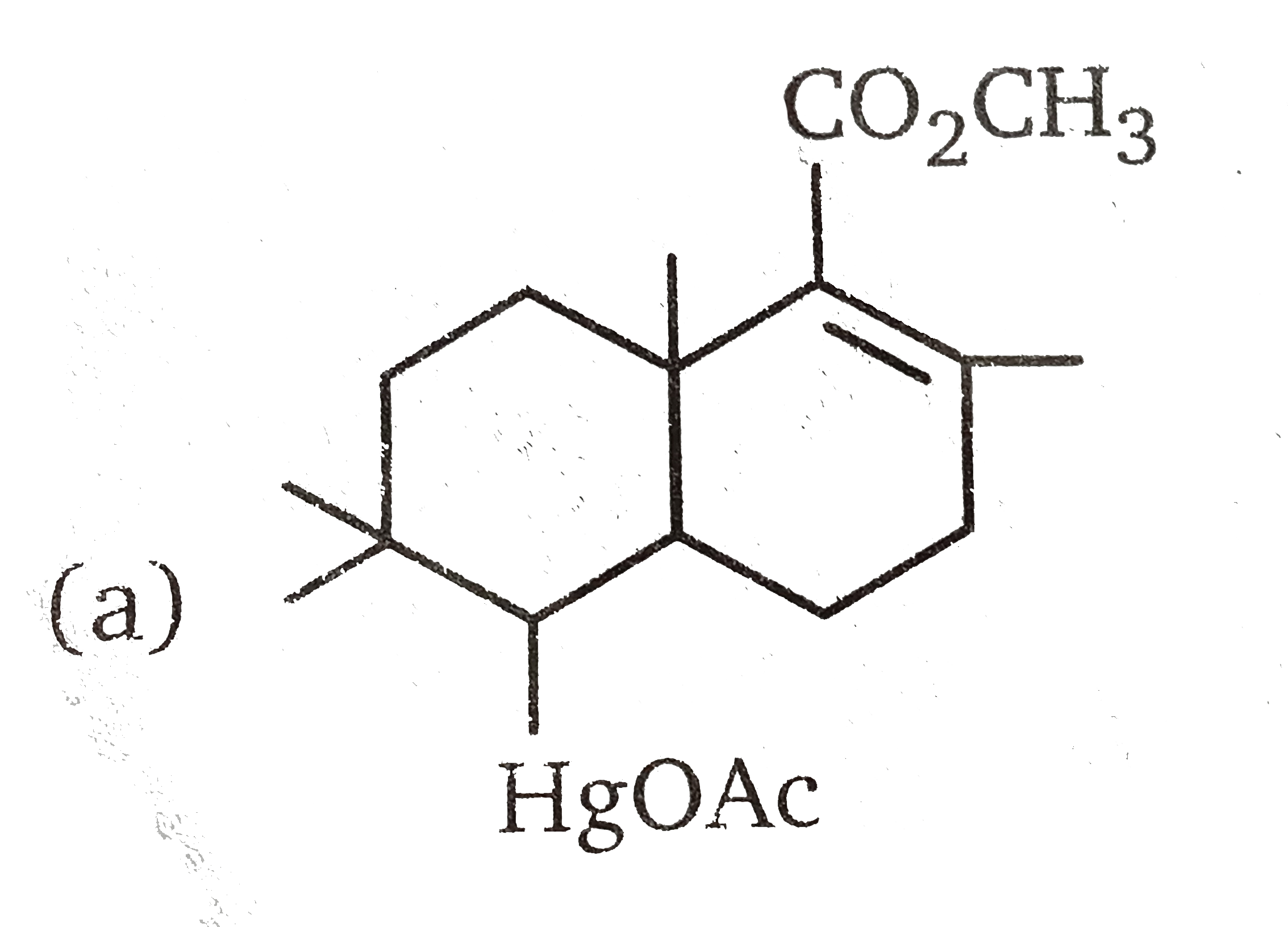
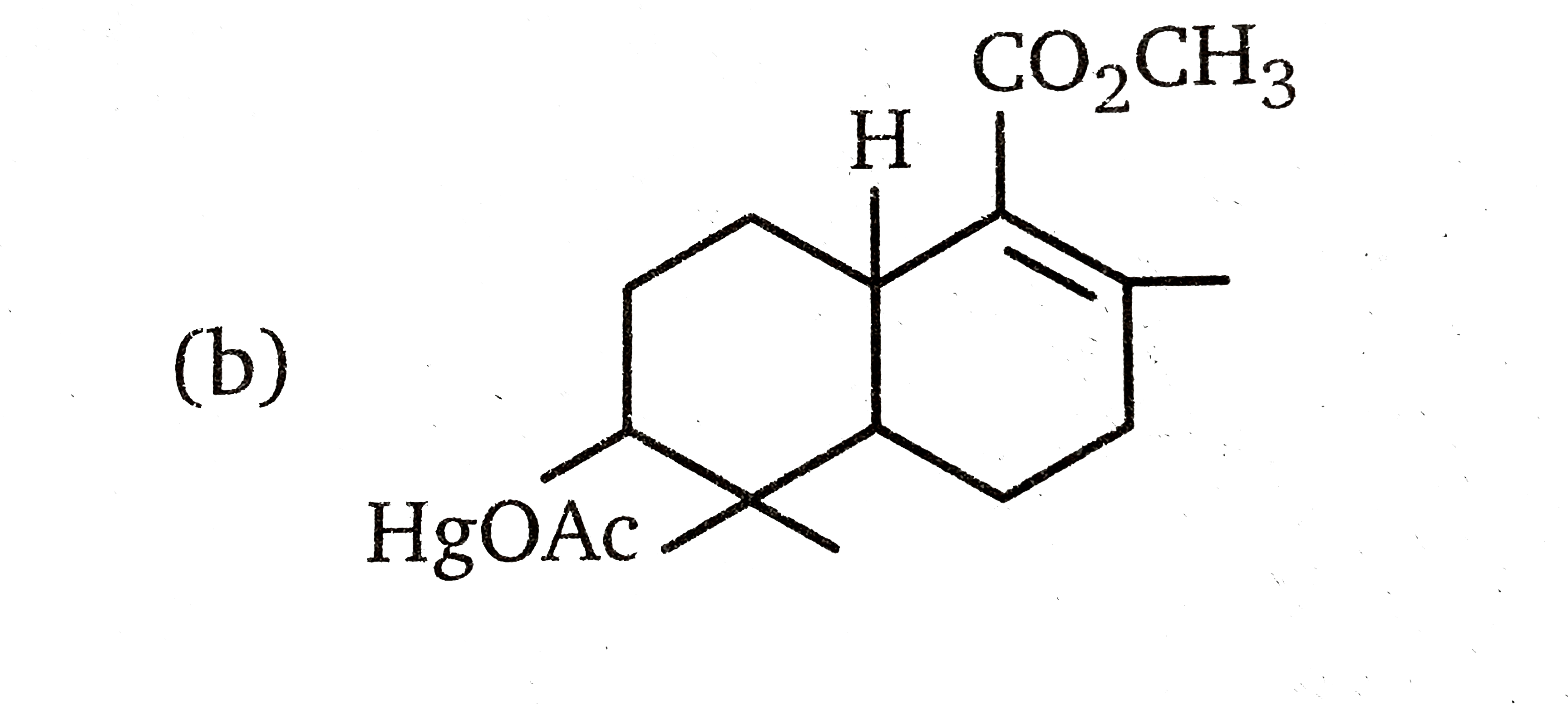
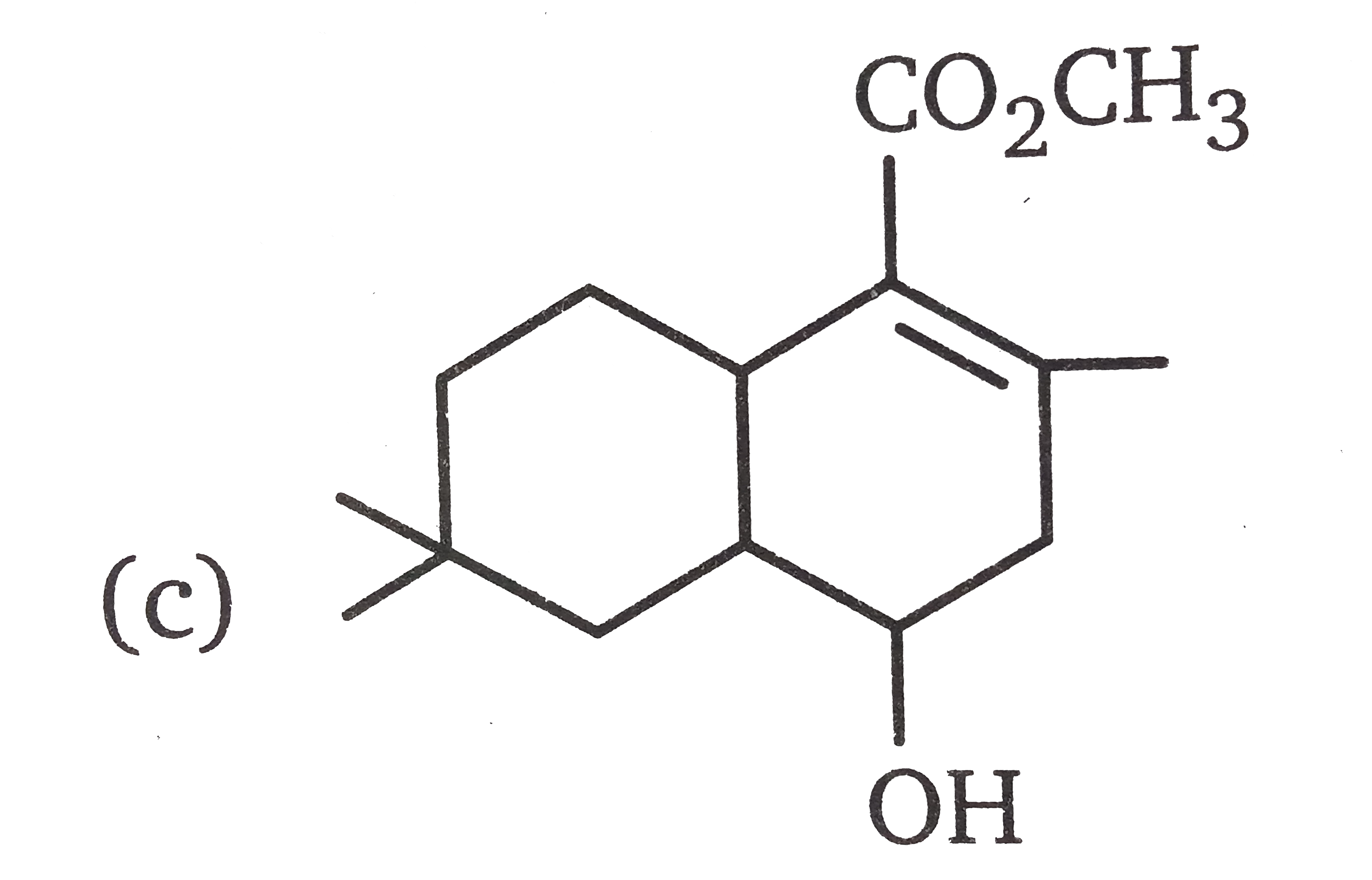
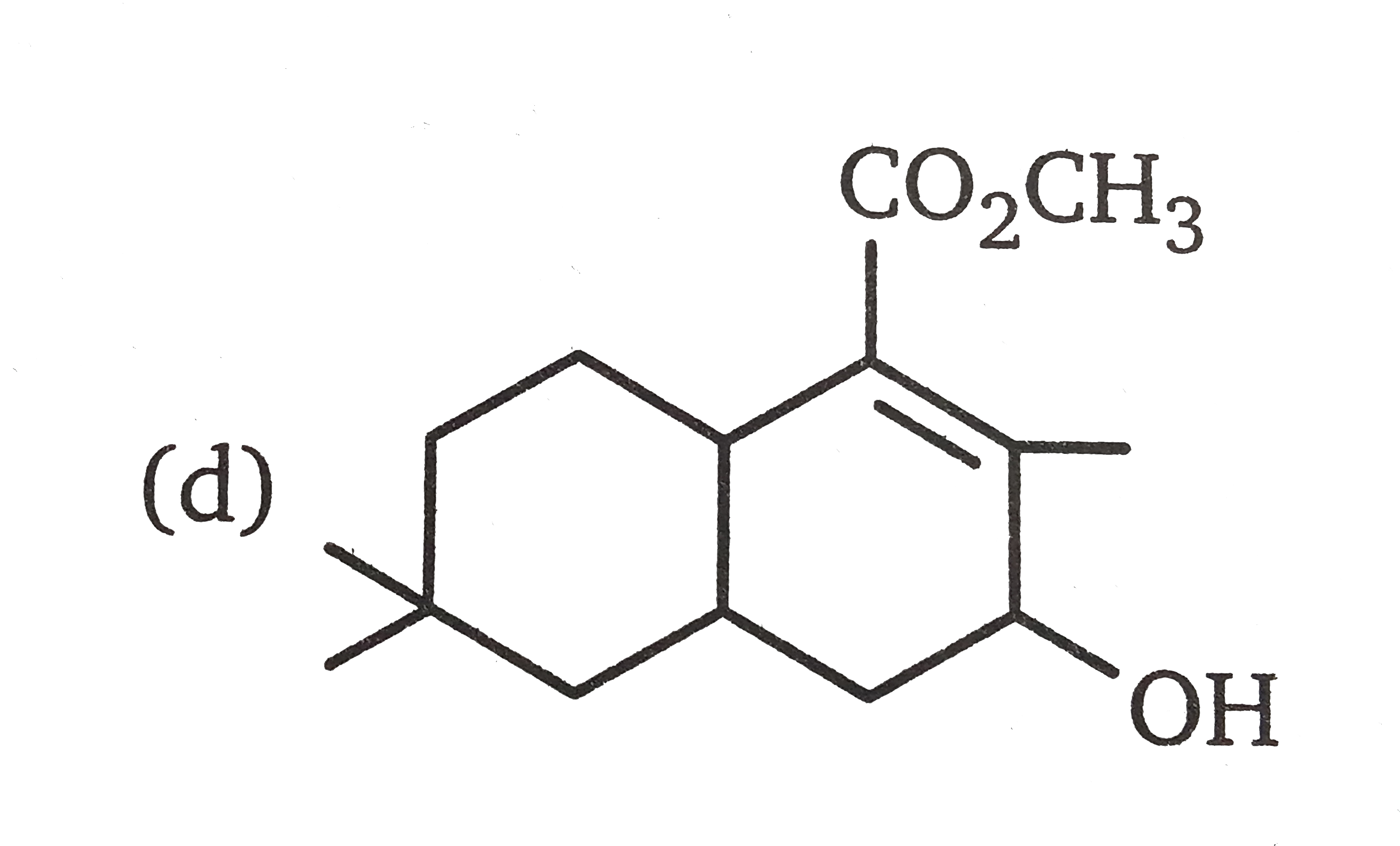
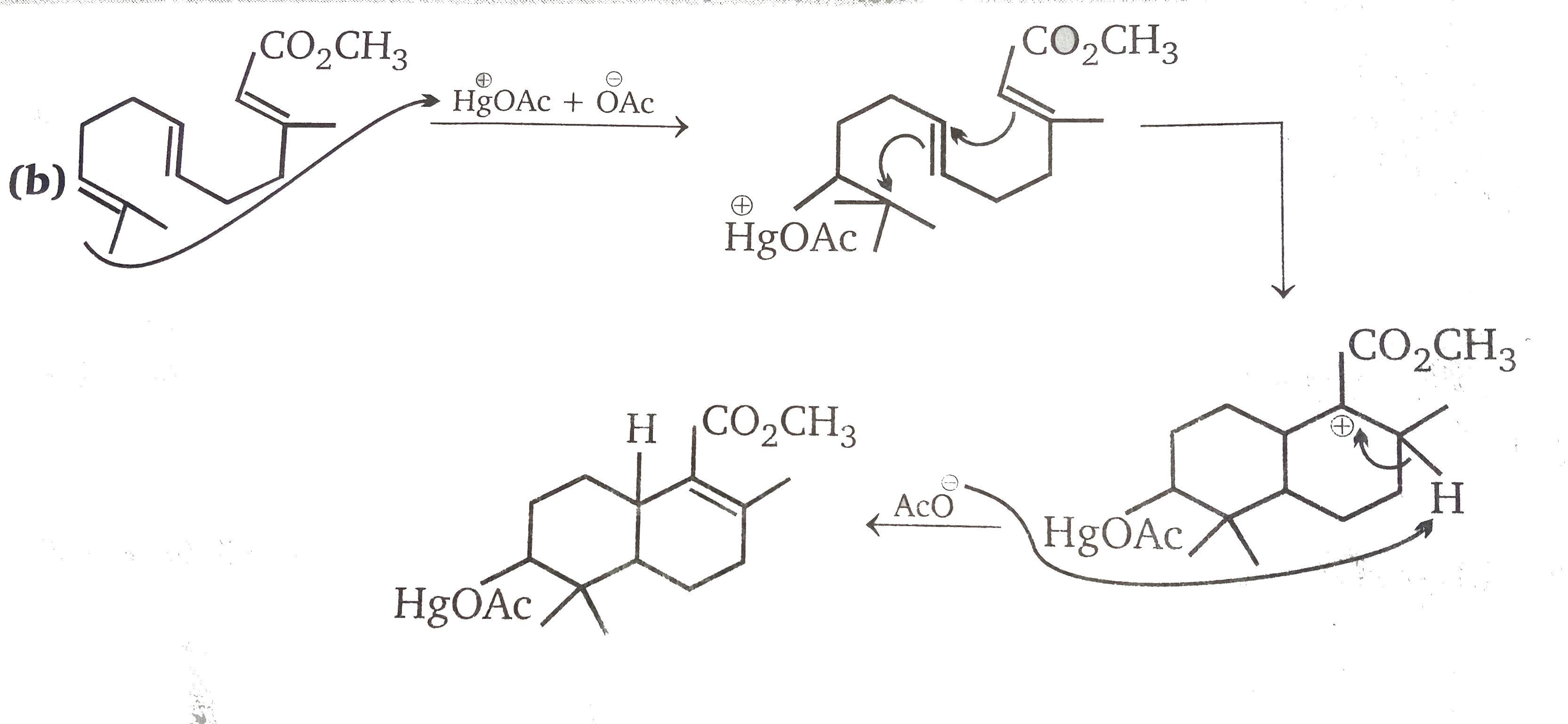
The following reaction take place in high yields. Use your knowledge of alkene chemistry to predict a product even through you have never seen this reaction before
A
B
C
D
Text Solution
Verified by Experts
The correct Answer is:
b
Topper's Solved these Questions
HYDROCARBONS (ALKENES)
MS CHOUHAN|Exercise Level 1 (Q.1 To Q.30)|1 Videos
HYDROCARBONS (ALKENES)
MS CHOUHAN|Exercise Level 1 (Q.61 To Q.90)|2 Videos
HYDROCARBONS (ALKANES)
MS CHOUHAN|Exercise Level 1 (Q.31 To Q.50)|1 Videos
HYDROCARBONS (ALKYNES)
MS CHOUHAN|Exercise Level 1 (Q.1 To Q.30)|2 Videos
Similar Questions
Explore conceptually related problems
Consider the follwing reaction Which of the following bases will give the best yield of alkene (II) as the major product ?
Consider the following reaction. Which of the following base will give the best yield of the alkene II as the major product?
Aniline yields a coloured product Y through the following series of reaction: The structure of Y is
Which of the following reactions will take place at anode during the electrolysis of copper sulphate using copper electrodes ?
No chemical reaction takes place when granules of a rusty brown solid A re mixed with the powder of another solid B. however, when the mixture is heated, a reaction takes place between its components. One of the products C is a metal and settles down in the molten state while the other product D floats over it. it was observed that the reaction is highly exothermic. (a) What could the solids A and B be? (b) What are the products C and D most likely to be? (c) Write the chemical equation for the reaction between A and B leading to the formation of C and D. Mention the physical states of all the reactants and products in this equation and indicate tthe heat change which takes place. (d) What is the special name of such a reaction? State one use of such a reaction. (e) Name any two types of chemical reaction under which the above reaction can be classified.
Write the chemical equation for the reaction that takes place when ethanol is mixed with ethanoic acid in presence of an acid. What is the name given to such reactions? Write any two uses of the product formed in these reactions.
Alkylation of aromatic compounds with aliphatic compounds like halides in presence of Lewis acid catalyst is known as Friedel-Crafts alkylation. It is an exapmle of electrophilic substitution. In the process of acylation, R-overset(O)overset(||)C- group is introduced to the ring. Compounds having ( + mesomeric groups) like -NH_(2) do not give Friedel-Crafts reaction because these compounds undergo conjugation with the catalyst. In the alkylation process, most branched alkyl group is substituted because isomerisation of carbonium ion takes place. In some Friedel-Crafts reactions, the nature of product changes with the solvent used in the reaction. Predict whether the following statements are ture or false: Carbocations undergo isomerisation in Frieded-Crafts reaction. In each of the following alkyl halides the isomerisation takes place: CH_(3)-CH_(2)-CH_(2)-Cl , CH_(3)-CH_(2)-CH_(2)-CH_(2)-Cl (a) True (b) False
Alkylation of aromatic compounds with aliphatic compounds like halides in presence of Lewis acid catalyst is known as Friedel-Crafts alkylation. It is an exapmle of electrophilic substitution. In the process of acylation, R-overset(O)overset(||)C- group is introduced to the ring. Compounds having ( + mesomeric groups) like -NH_(2) do not give Friedel-Crafts reaction because these compounds undergo conjugation with the catalyst. In the alkylation process, most branched alkyl group is substituted because isomerisation of carbonium ion takes place. In some Friedel-Crafts reactions, the nature of product changes with the solvent used in the reaction. Predict whether the following statements are ture or false: When benzene is treated with CHCl_(3) in presence of AlCl_(3) catalyst, the following reaction takes place: (a) True (b) False