Home
Class 12
CHEMISTRY
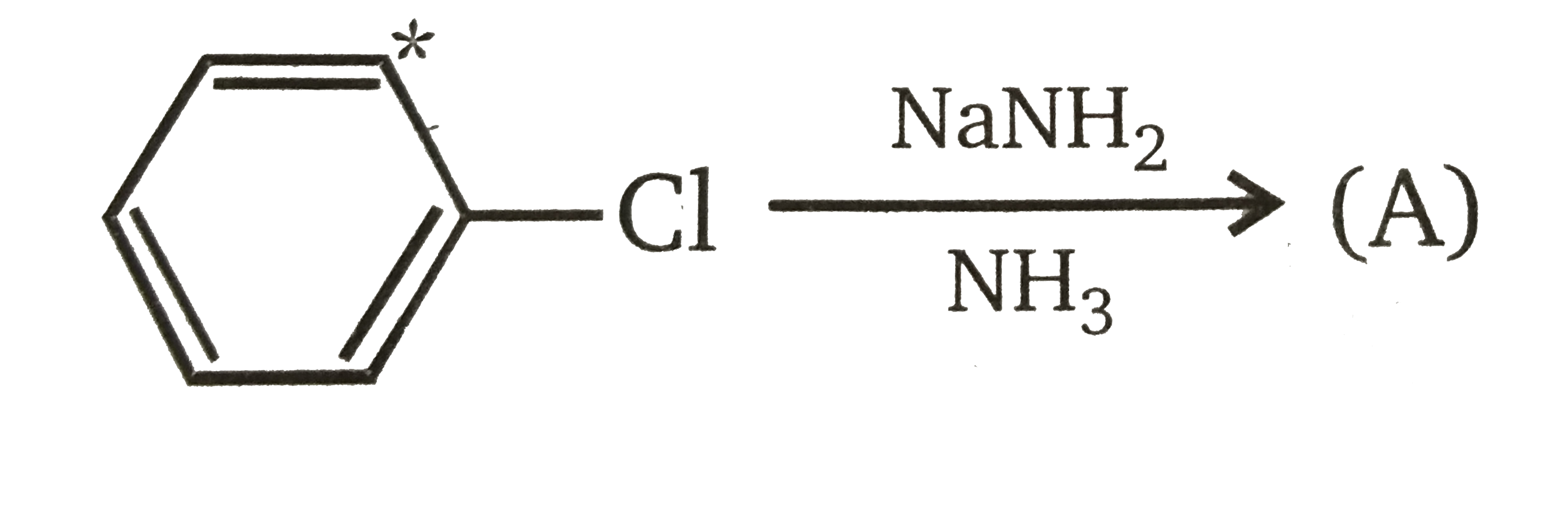
Two benzyne intermediates are likely to ...

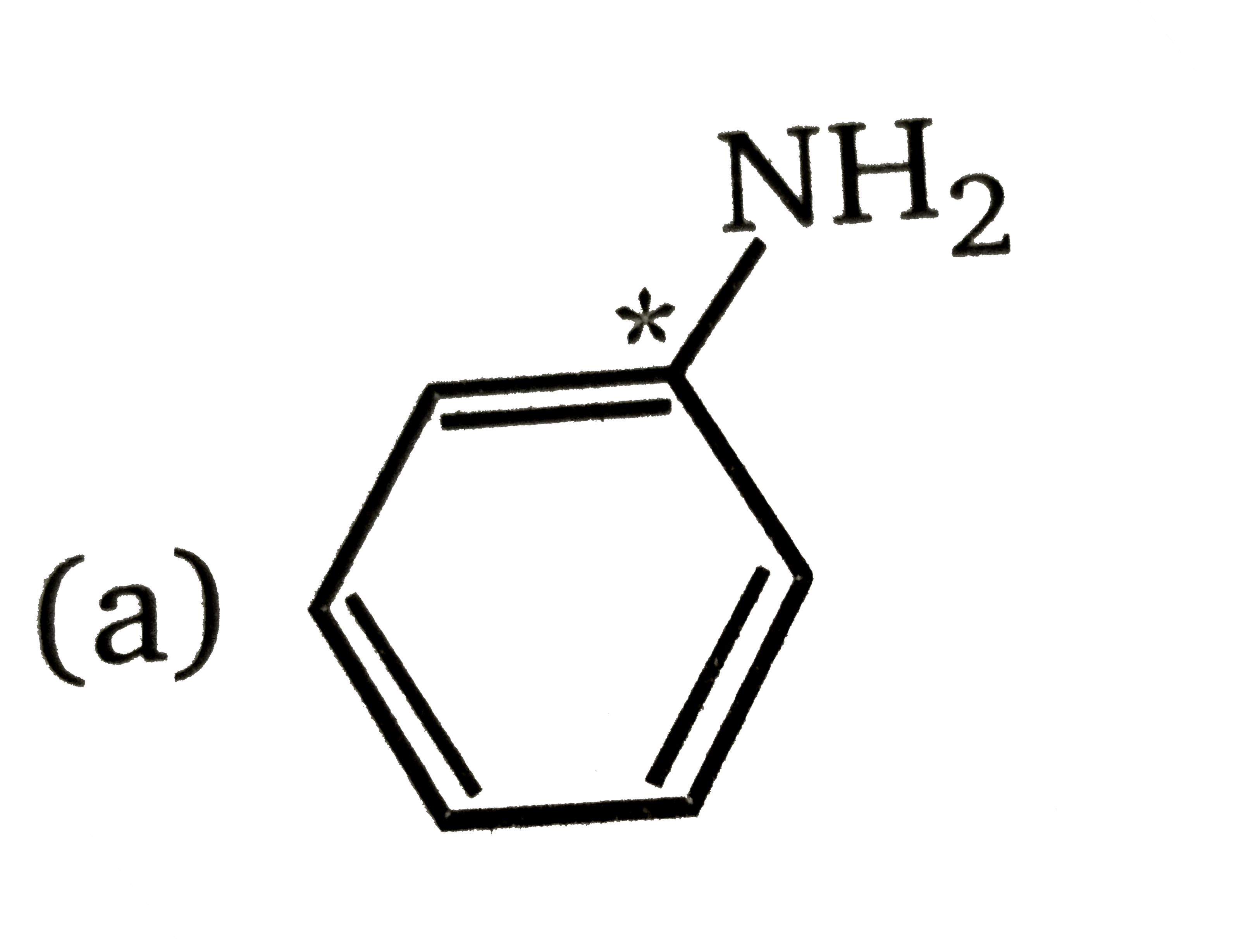
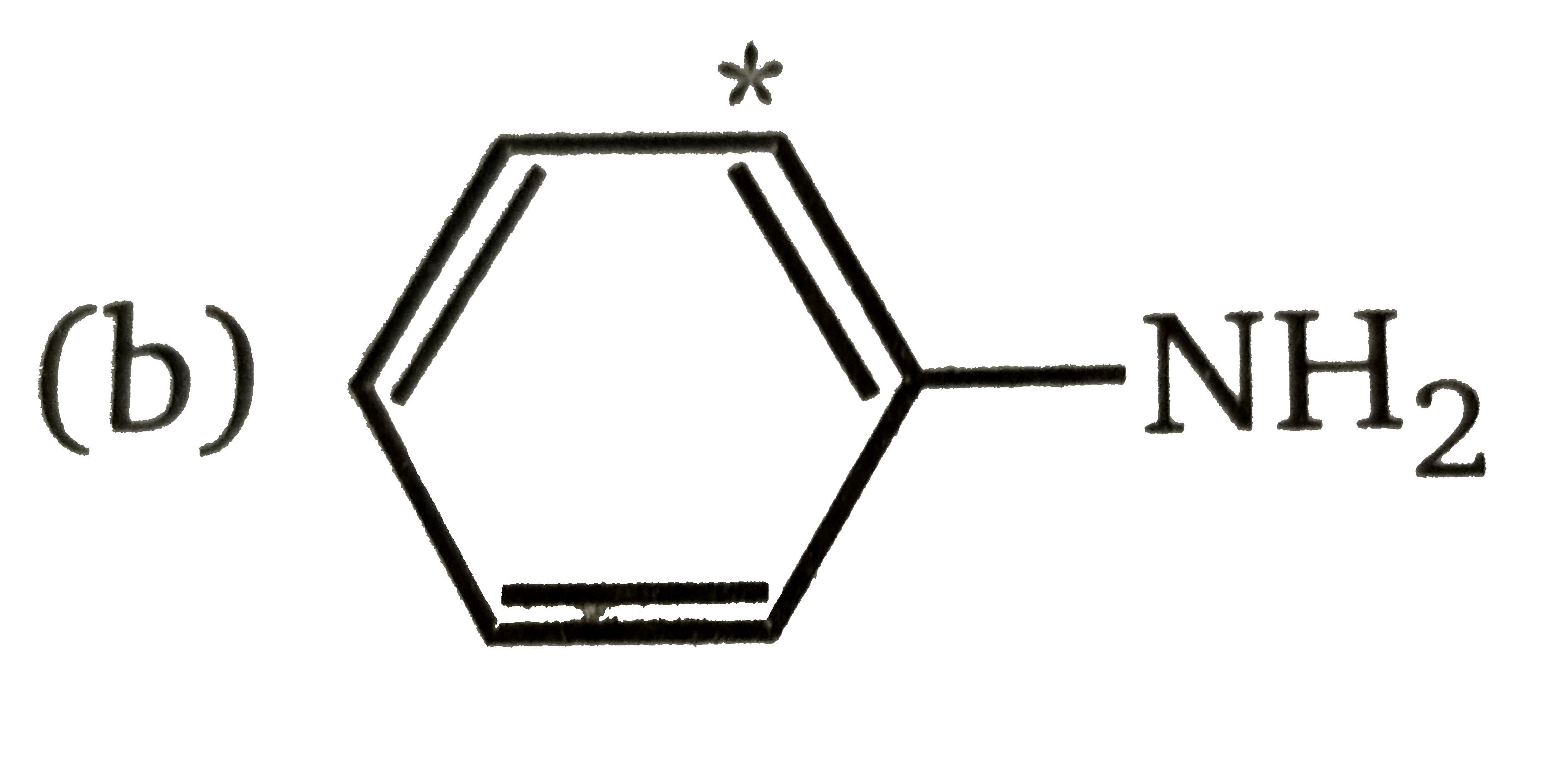
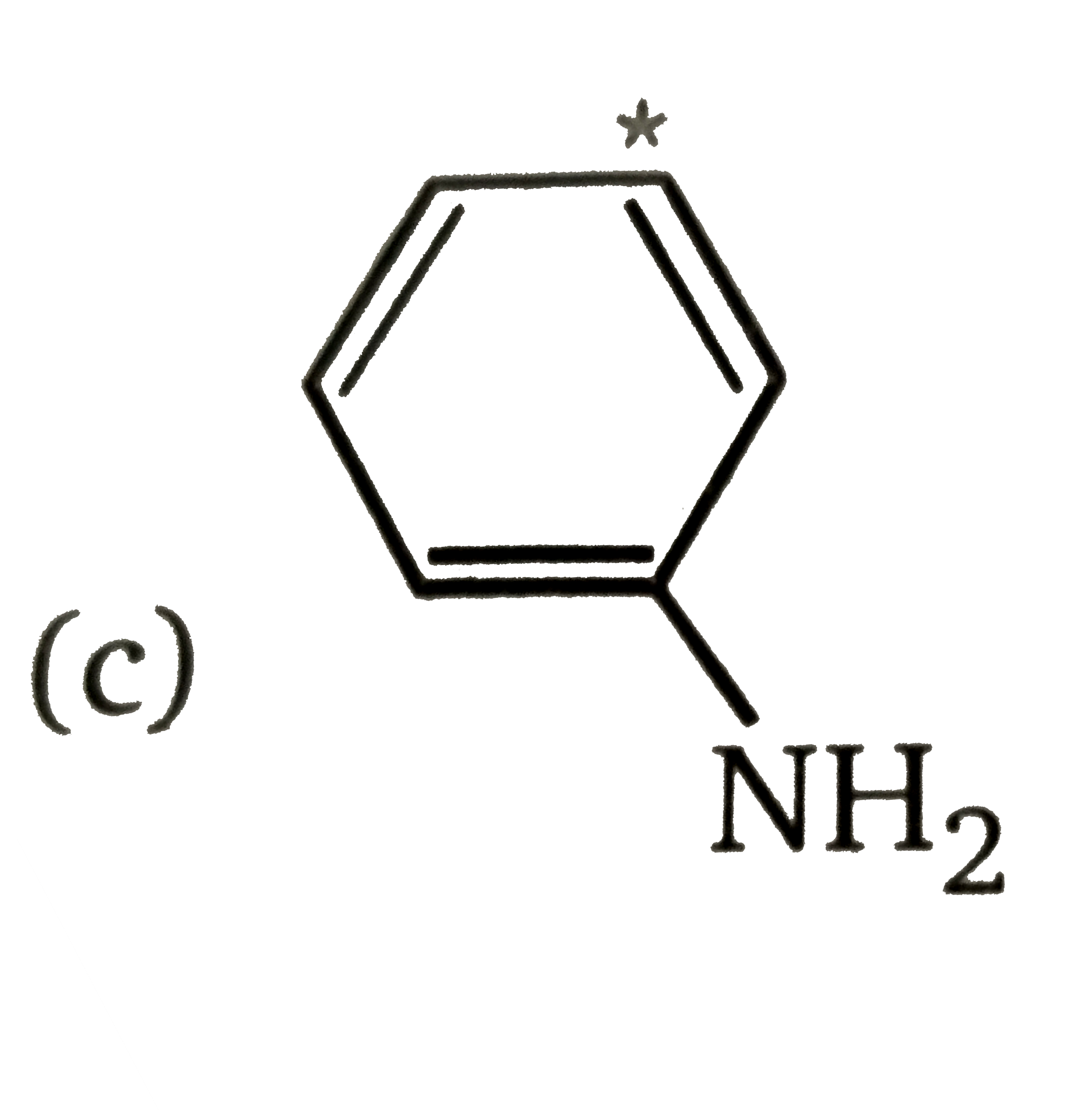
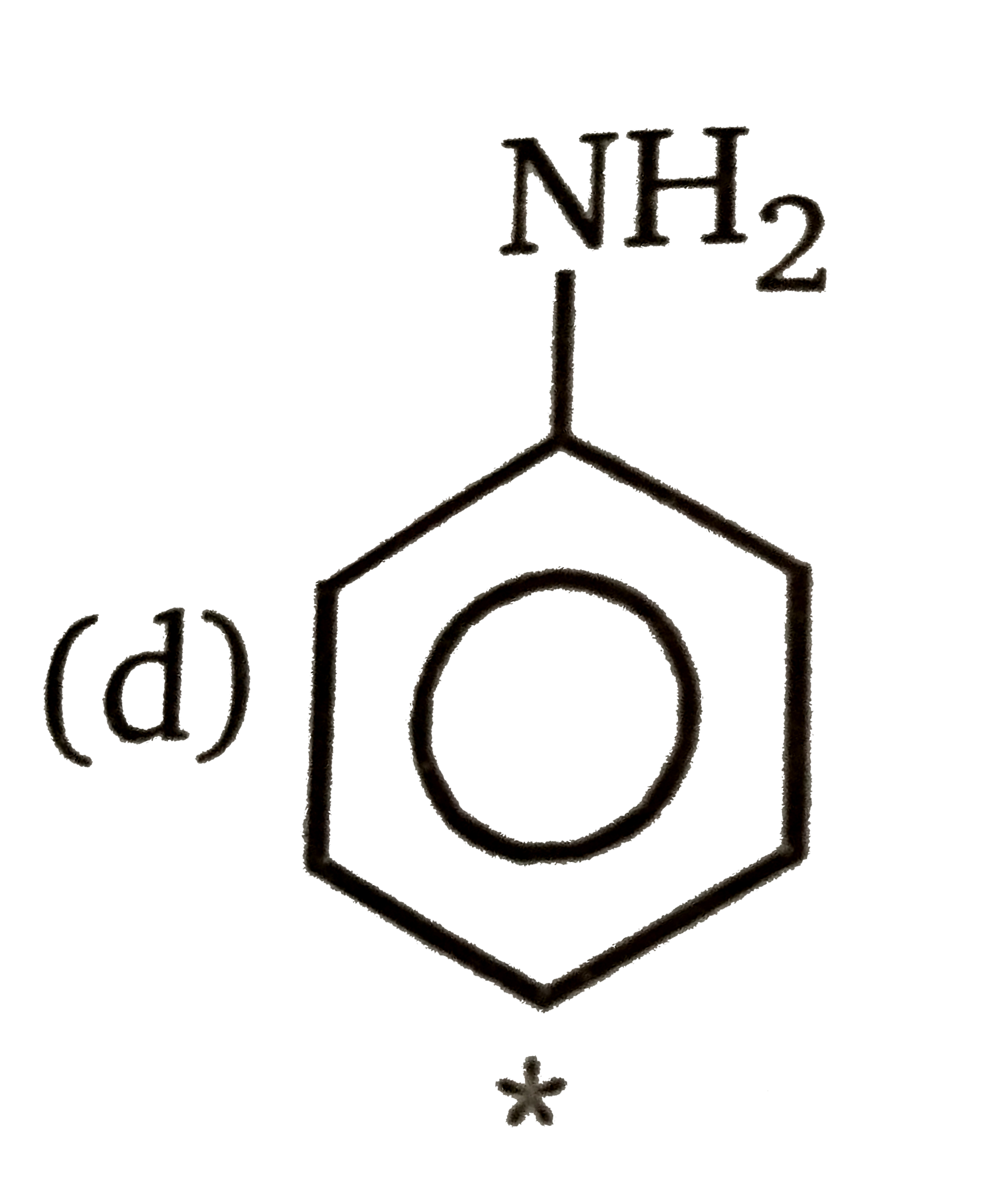
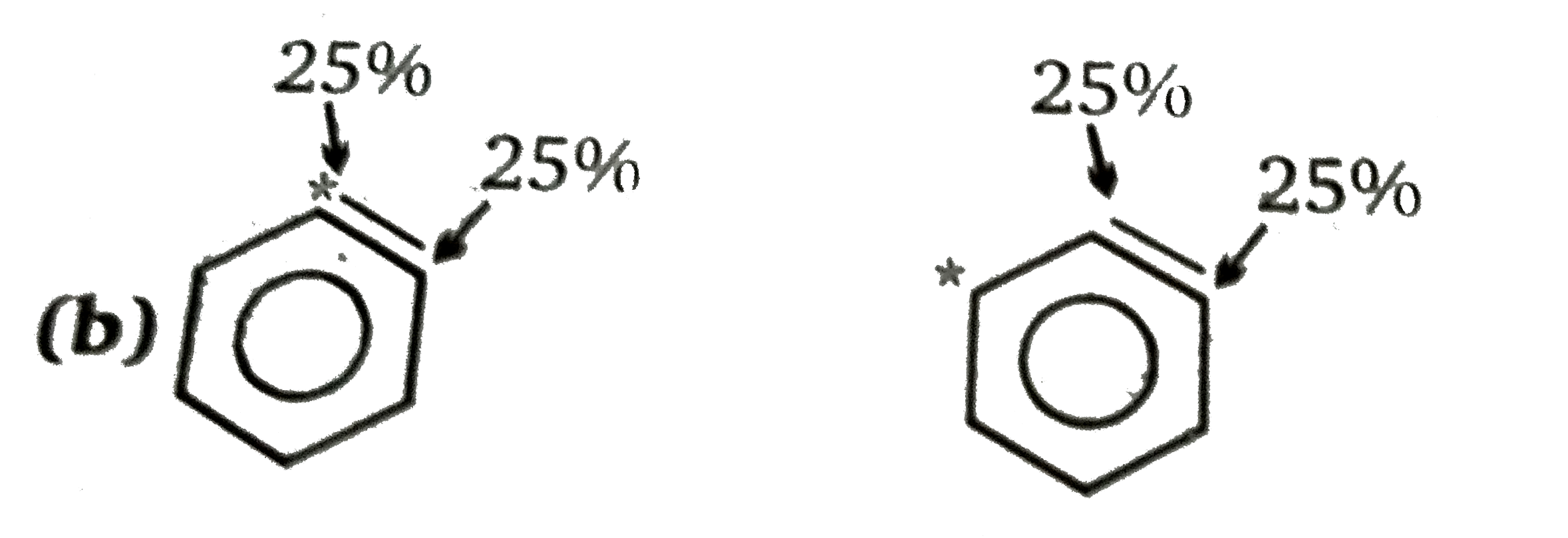
Two benzyne intermediates are likely to be formed equally. Reaction with amide ion can occur in two different directions with each benzyne, giving three possible products. They are formed in a `1 : 2 : 1` ratio. Asterisk (*) refers to `.^(14)C`.
Major product (A) is:

A

B

C

D

Text Solution

Verified by Experts

The correct Answer is:
B

Promotional Banner

Topper's Solved these Questions

  • AROMATIC COMPOUNDS

    MS CHOUHAN|Exercise Level 1 (Q.31 To Q.60)|1 Videos
  • AROMATIC COMPOUNDS

    MS CHOUHAN|Exercise Level 1 (Q.121 To Q.150)|3 Videos
  • AN INTRODUCTION TO ORGANIC REACTIONS AND THEIR MECHANISMS ACIDS AND BASES

    MS CHOUHAN|Exercise ADDITIONAL QUESTION (SINGLE CORRECT CHOICE TYPE )|32 Videos
  • BIOMOLECULES

    MS CHOUHAN|Exercise Level 2|1 Videos

Similar Questions

Explore conceptually related problems

When two possible alkenes can be formed in a reaction the most stable alkene is the preferred product This generation is known as

(a) Explain the free radical polymerisation of styrene. (b) The following two possible products can be formed in this reaction:(I) Which product is formed and why?

Schemes 1 and 2 describe sequential transformation of alkynes M and N. Consider only the major products formed in each step for both the schemes. The correct statement with respect to product Y is

Which can not be the major product formed upon addition of 1 mole of HBr in the following reactions is: overset(HBr)(1mol))to major select?

Nucleophilic aliphatic substitution reaction is mainly of two types: S_(N)1 and S_(N)2 . The S_(N)1 mechanism is a two step process. Reaction velocity of S_(N)1 reaction depends only on the concentration of the substrate. Since product formation takes place by the formation of carbocation, optically active substrate gives (+) and (-) forms of the product. In most of the cases the product usually consits of 5-20% inverted product and 80-95% racemised species. The more stable the carbocation, the greater is the proportion of racemisation. In solvolysis reaction, the more nucleophilic the solvent, the greater is the proportion of inversion. For the gives reaction, Which substrate will give maximum racemisation?