

Home
Class 12
CHEMISTRY
Which one of the following compounds und...

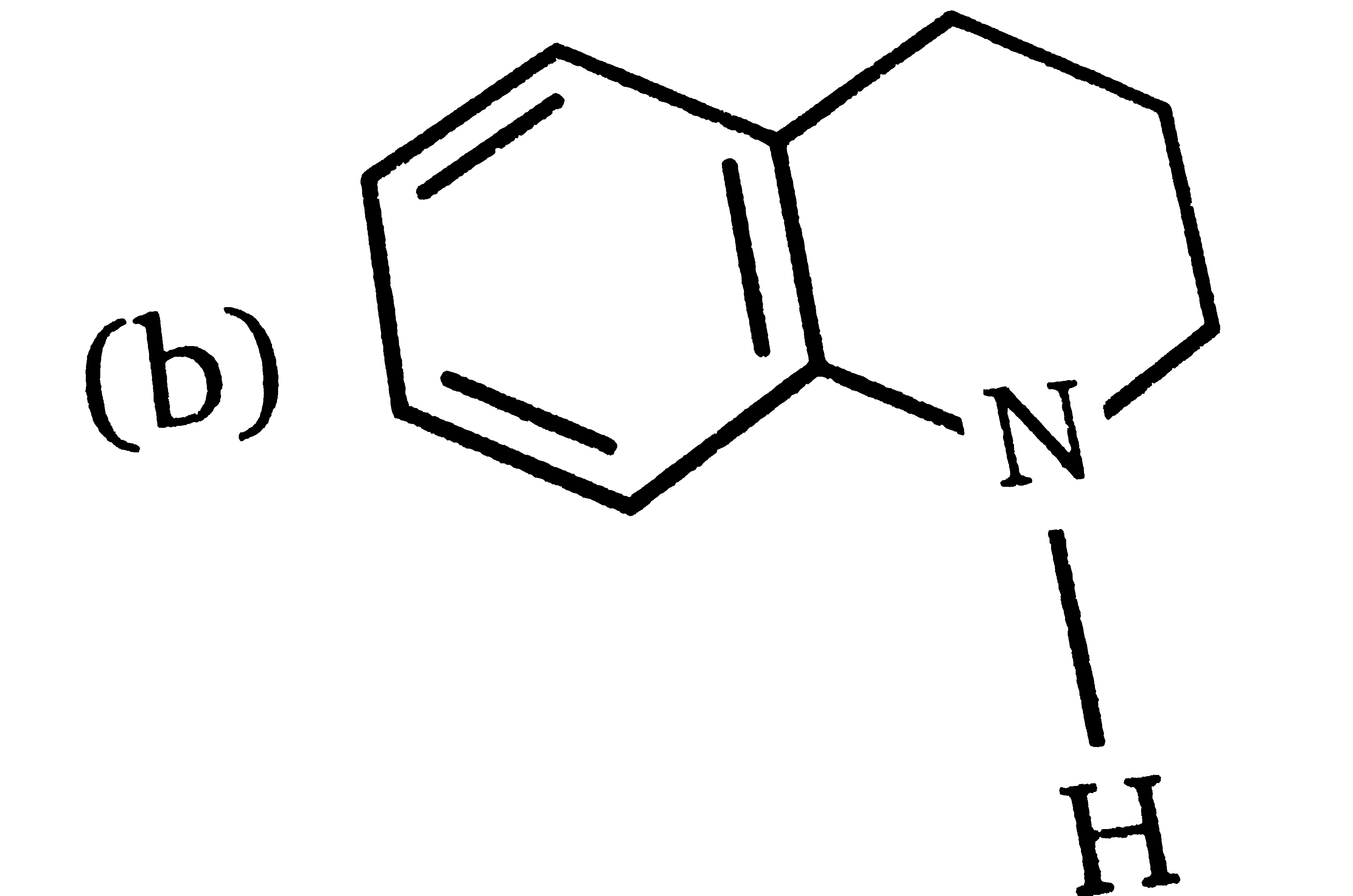
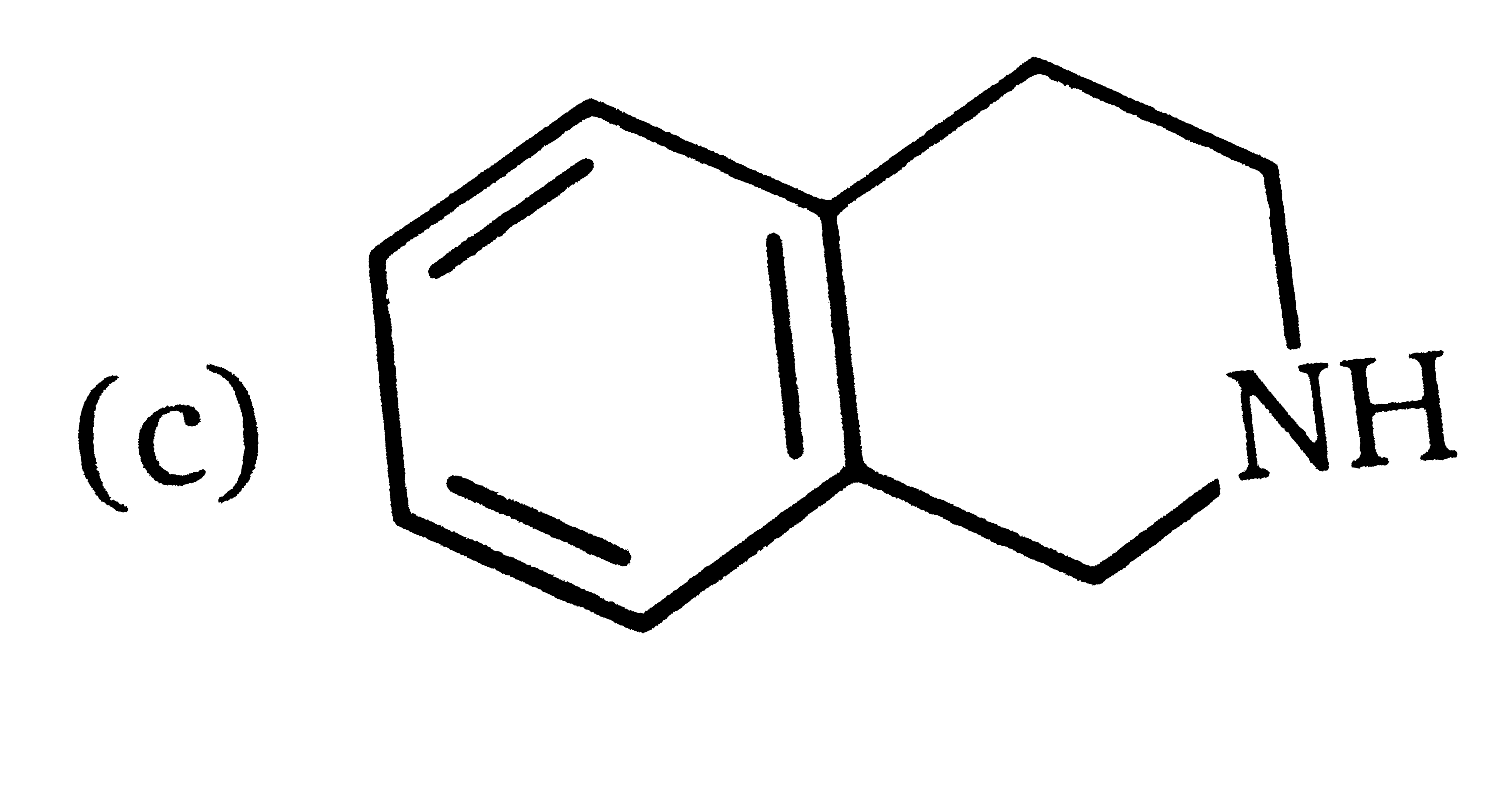
Which one of the following compounds undergoes bromination of its aromatic ring (electrophilic aromatic substitution) at the fastest rate ?

A

B

C

D

Text Solution

AI Generated Solution

The correct Answer is:

To determine which compound undergoes bromination of its aromatic ring at the fastest rate, we need to analyze the substituents on the aromatic rings in terms of their electronic effects, specifically the +M (mesomeric or resonance donating) and -M (mesomeric or resonance withdrawing) effects. ### Step-by-Step Solution: 1. **Understanding Electrophilic Aromatic Substitution (EAS)**: - EAS is a reaction where an electrophile substitutes a hydrogen atom on an aromatic ring. The rate of this reaction depends on the electron density of the aromatic ring. **Hint**: Remember that a higher electron density on the aromatic ring makes it more reactive towards electrophiles. 2. **Identifying the Effects of Substituents**: - Substituents can either donate electron density (+M effect) or withdraw electron density (-M effect) from the aromatic ring. - +M groups increase the electron density on the ring, making it more reactive towards electrophiles like bromine. - -M groups decrease the electron density, making the ring less reactive. **Hint**: Focus on how each substituent affects the electron density of the aromatic ring. 3. **Analyzing Each Compound**: - **Compound A**: A cyclic hydrocarbon group attached to a benzene ring. This does not have a +M effect and may not enhance the reactivity significantly. - **Compound B**: Contains a nitrogen atom with a lone pair directly attached to the benzene ring. The lone pair can delocalize into the ring, increasing electron density (+M effect). - **Compound C**: Has a carbon atom that does not provide a resonance effect with the benzene ring, so it does not enhance reactivity. - **Compound D**: Contains a group that pulls electron density away from the ring (-M effect), making it less reactive. **Hint**: Compare the ability of each substituent to either donate or withdraw electron density. 4. **Determining the Fastest Rate of Bromination**: - Based on the analysis, **Compound B** has the strongest +M effect due to the lone pair on nitrogen, which increases the electron density of the aromatic ring the most. Therefore, it will undergo bromination at the fastest rate. **Hint**: The compound with the strongest +M effect will react the fastest with electrophiles. ### Conclusion: The compound that undergoes bromination of its aromatic ring at the fastest rate is **Compound B** due to its strong +M effect from the nitrogen atom.

To determine which compound undergoes bromination of its aromatic ring at the fastest rate, we need to analyze the substituents on the aromatic rings in terms of their electronic effects, specifically the +M (mesomeric or resonance donating) and -M (mesomeric or resonance withdrawing) effects. ### Step-by-Step Solution: 1. **Understanding Electrophilic Aromatic Substitution (EAS)**: - EAS is a reaction where an electrophile substitutes a hydrogen atom on an aromatic ring. The rate of this reaction depends on the electron density of the aromatic ring. **Hint**: Remember that a higher electron density on the aromatic ring makes it more reactive towards electrophiles. ...
Promotional Banner

Topper's Solved these Questions

  • AROMATIC COMPOUNDS

    MS CHOUHAN|Exercise Level 1 (Q.31 To Q.60)|1 Videos
  • AROMATIC COMPOUNDS

    MS CHOUHAN|Exercise Level 1 (Q.121 To Q.150)|3 Videos
  • AN INTRODUCTION TO ORGANIC REACTIONS AND THEIR MECHANISMS ACIDS AND BASES

    MS CHOUHAN|Exercise ADDITIONAL QUESTION (SINGLE CORRECT CHOICE TYPE )|32 Videos
  • BIOMOLECULES

    MS CHOUHAN|Exercise Level 2|1 Videos

Similar Questions

Explore conceptually related problems

Which one of following compound undergoes bromination of its aromatic ring (electrophilic aromatic substitution) at the faster rate ?

Which one of the following compounds undergoes bromination of its aromatic ring at the fastest rate ?

SeAr (Electrophilic Aromatic Substitution)

Which one of the following compounds in not aromatic?

Which one of the following compounds is not aromatic?

Which one of the following compounds is not aromatic ?

For an electrophilic aromatic substitution reaction

Which of the following compounds undergoes nitration at fastest rate ?
