To determine which of the given compounds is the most polar, we need to analyze the stability of the positive and negative charges generated when bonds are broken in each compound. Here’s a step-by-step solution:
### Step 1: Identify the Compounds
We need to look at the four compounds provided in the question. For this explanation, let's denote them as A, B, C, and D.
### Step 2: Analyze Compound A
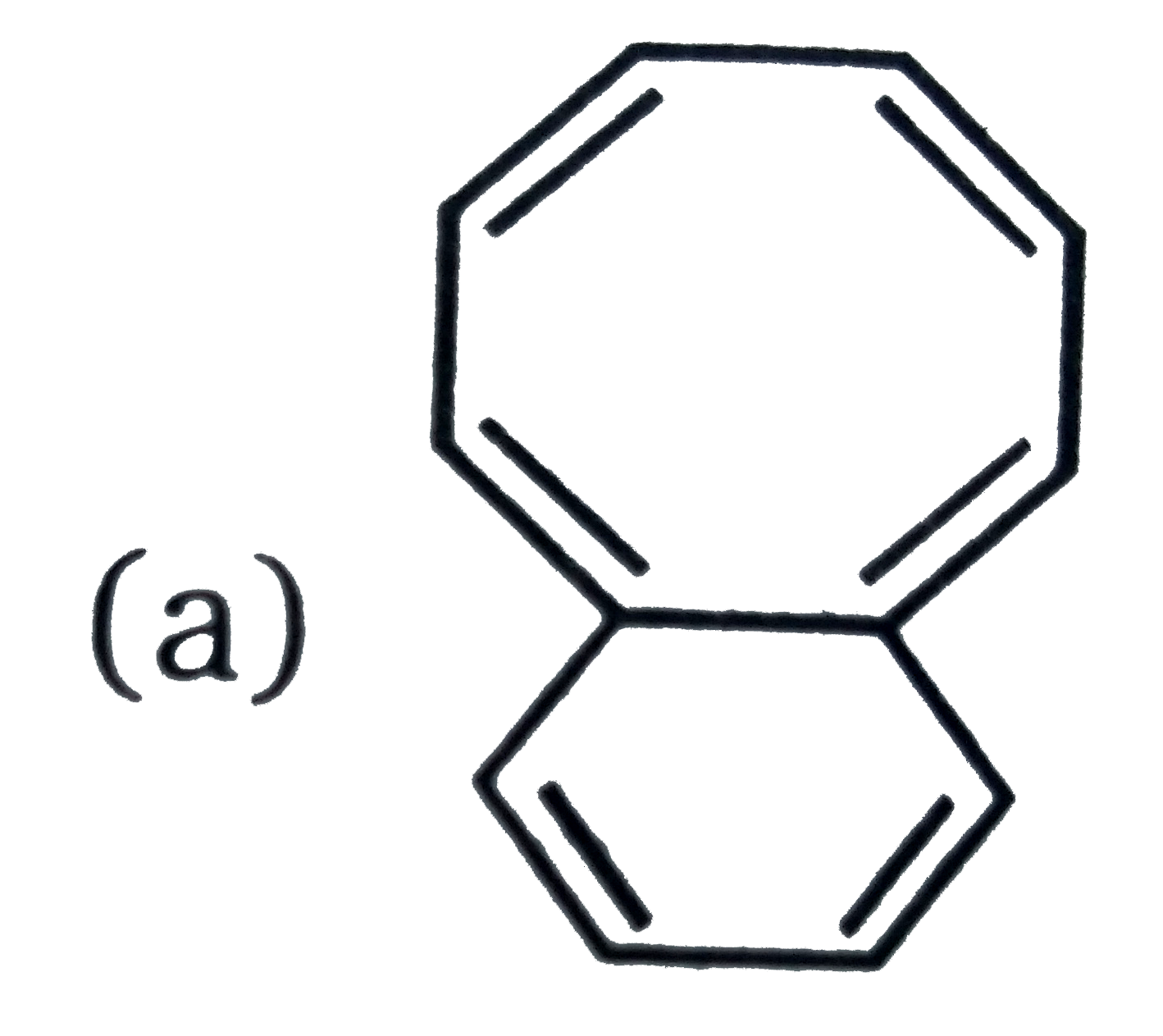
- **Structure**: Compound A has 12 π electrons (4N = 12, N = 3).
- **Polarity**: Since it has 4N π electrons, it is anti-aromatic. Anti-aromatic compounds are less stable and can generate positive and negative charges when bonds are broken.
- **Conclusion**: This compound is not the most polar because it is anti-aromatic and does not stabilize charges well.
### Step 3: Analyze Compound B
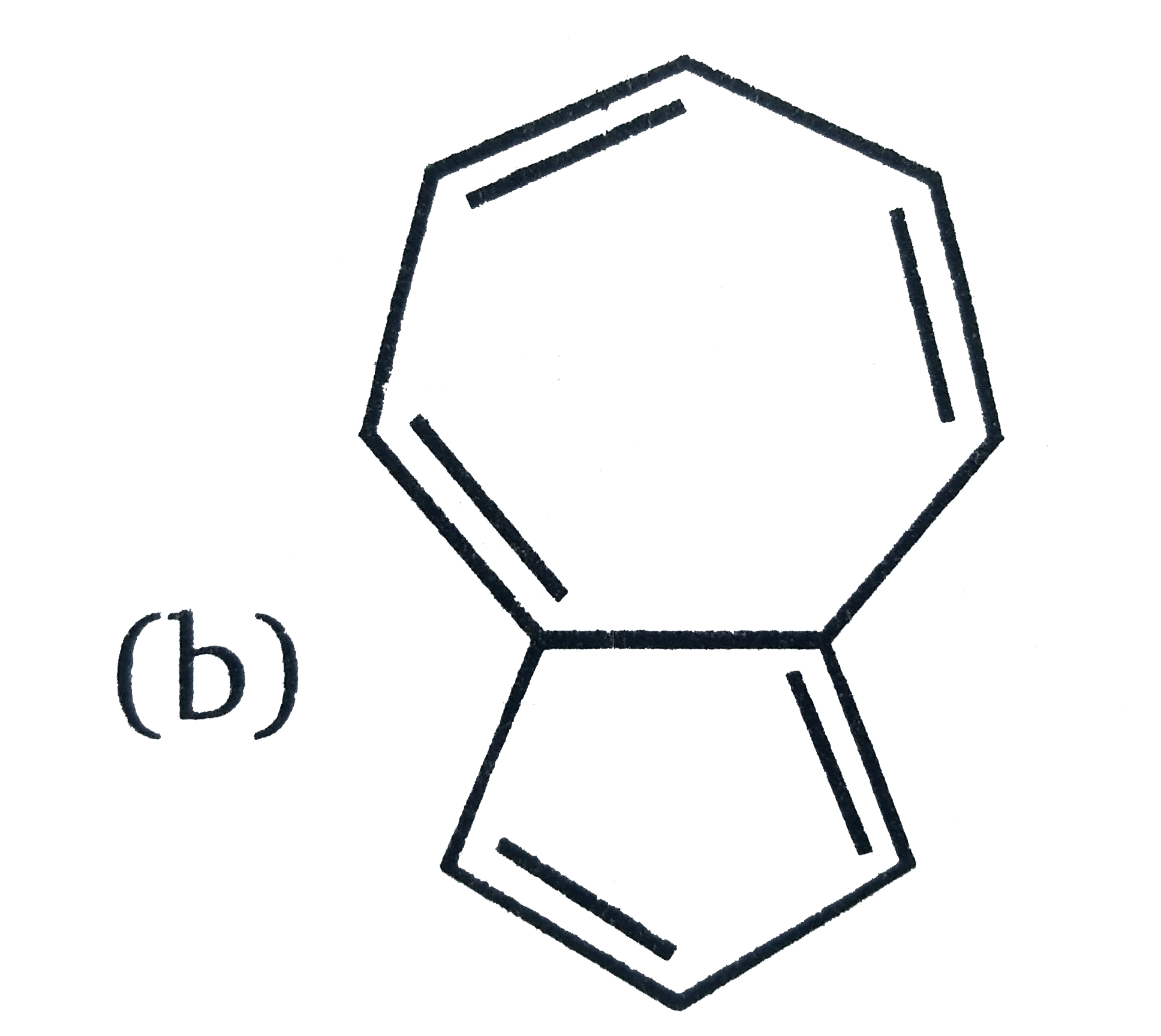
- **Structure**: Compound B can be visualized as having a 7-membered ring and a 5-membered ring.
- **Polarity**: When a bond is broken, a positive charge can be generated on one ring and a negative charge on the other. Both rings can achieve aromaticity, making them quasi-aromatic.
- **Conclusion**: This compound is relatively stable due to aromaticity, which suggests it can stabilize charges, making it polar.
### Step 4: Analyze Compound C
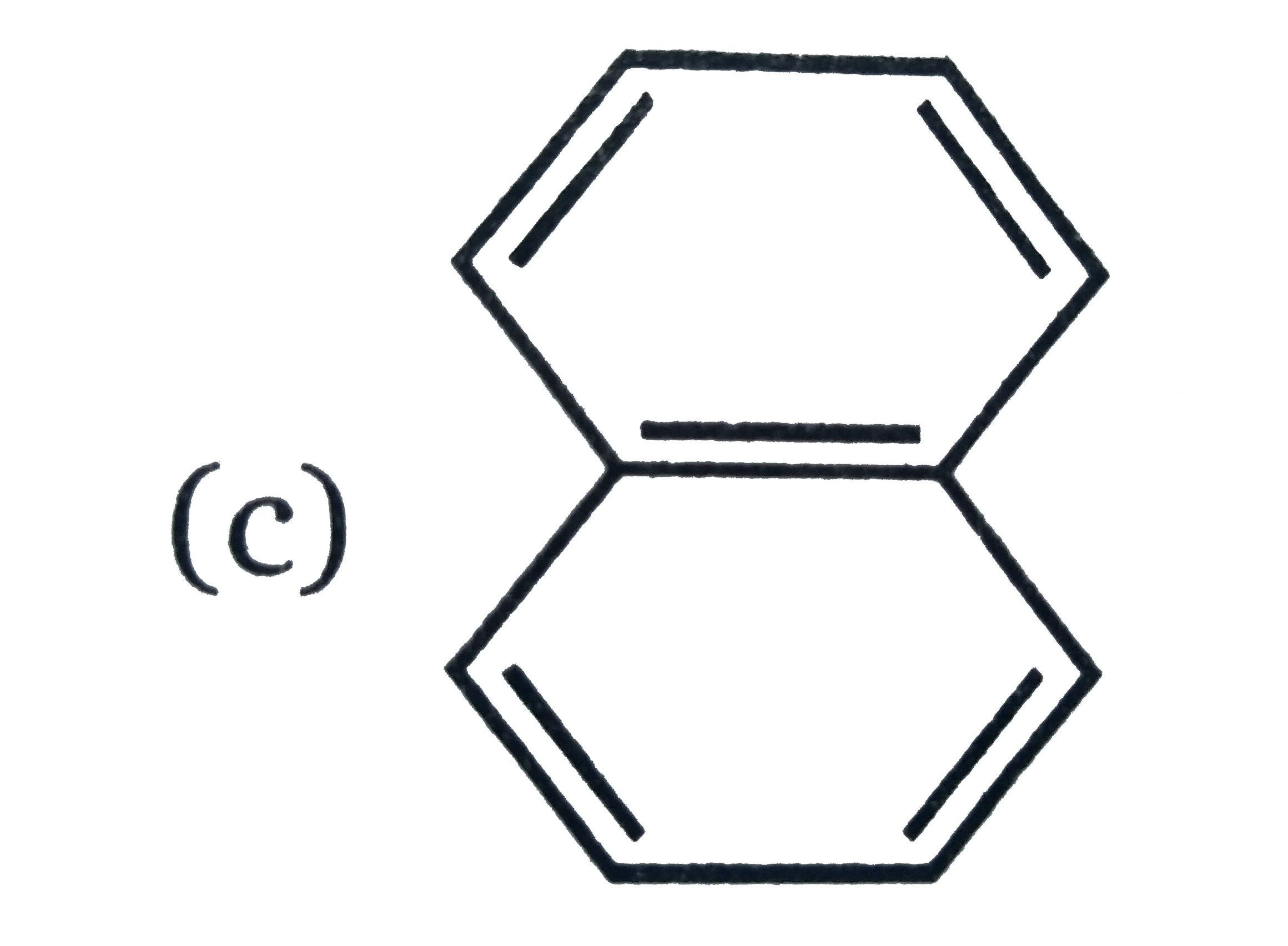
- **Structure**: Compound C has two rings, both of which are aromatic.
- **Polarity**: Since both rings are aromatic, breaking bonds would not generate charges as the system is already stable.
- **Conclusion**: This compound is not polar because it does not generate any charges.
### Step 5: Analyze Compound D
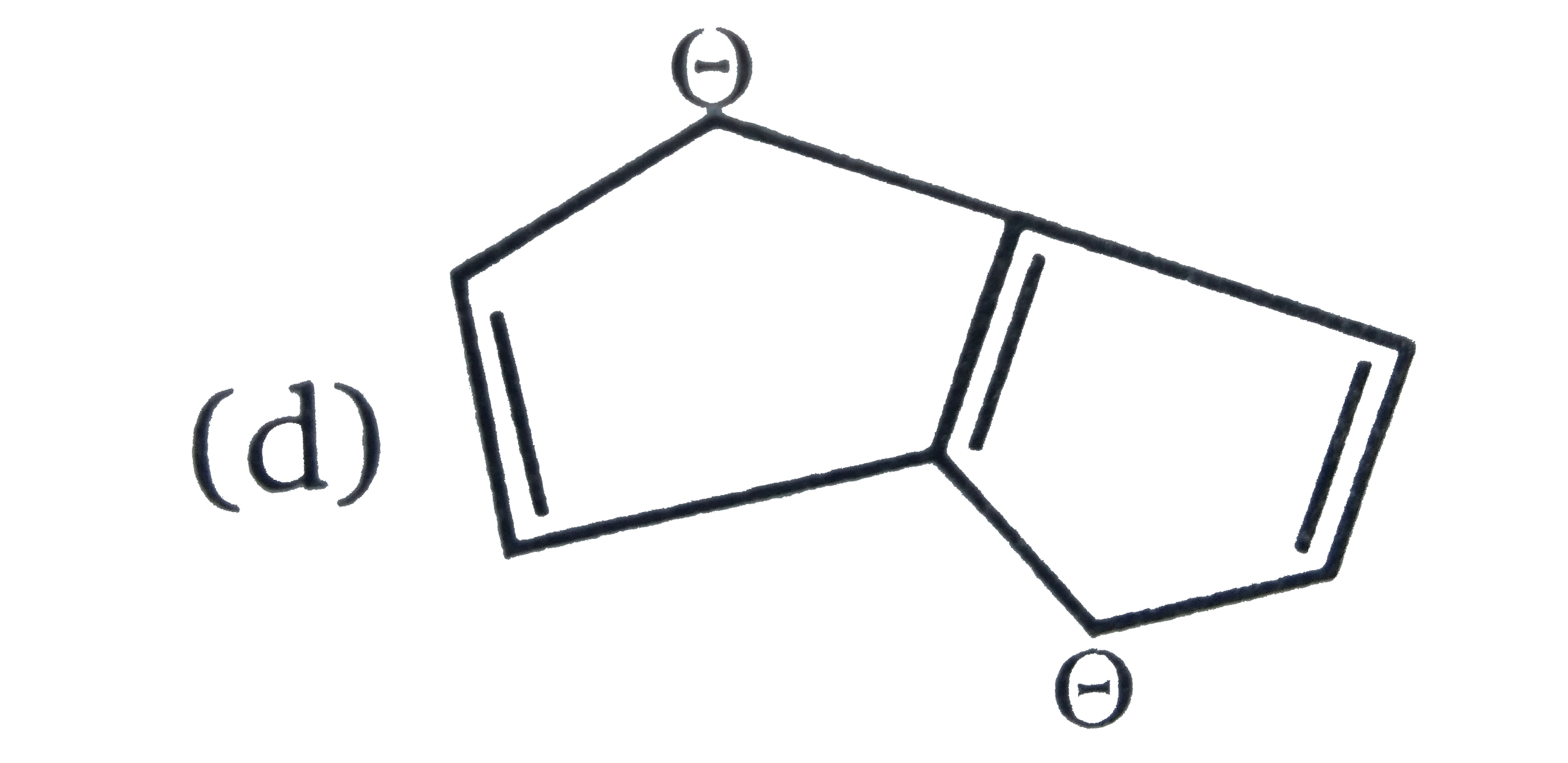
- **Structure**: Similar to Compound C, Compound D also has two aromatic rings.
- **Polarity**: Like Compound C, breaking bonds in this compound does not lead to the generation of charges.
- **Conclusion**: This compound is also not polar.
### Step 6: Compare the Results
After analyzing all four compounds:
- Compound A is anti-aromatic and not polar.
- Compound B is quasi-aromatic and can stabilize charges, making it polar.
- Compounds C and D are both aromatic and do not generate charges, making them non-polar.
### Final Conclusion
The most polar compound among the given options is **Compound B**.
---
To determine which of the given compounds is the most polar, we need to analyze the stability of the positive and negative charges generated when bonds are broken in each compound. Here’s a step-by-step solution:
### Step 1: Identify the Compounds
We need to look at the four compounds provided in the question. For this explanation, let's denote them as A, B, C, and D.
### Step 2: Analyze Compound A
- **Structure**: Compound A has 12 π electrons (4N = 12, N = 3).
- **Polarity**: Since it has 4N π electrons, it is anti-aromatic. Anti-aromatic compounds are less stable and can generate positive and negative charges when bonds are broken.
...
Topper's Solved these Questions
GENERAL ORGANIC CHEMISTRY
MS CHOUHAN|Exercise LEVEL- 1|1 Videos
FAMILIES OF CARBON COMPOUNDS: FUNCTIONAL GROUPS AND INTERMOLECULAR FORCES
MS CHOUHAN|Exercise ADDITIONAL OBJECTIVE QUESTIONS ( Matrix Match Type ) |4 Videos
GRIGNARD REAGENTS
MS CHOUHAN|Exercise Level 1 (Q.61 To Q.66)|1 Videos
Similar Questions
Explore conceptually related problems
Which of the following is least polar ?
Which of the following is the most polar?
Which of the following is the most polar bond
The electronegativity values of C, H, O and N are 2.5, 1.0, 3.0 and 3.5 respectively: Which of the following is the most polar bond?
The electronegativity values of C,H,O,N and S are 2.5, 2.1, 3.5, 3.0 and 2.5 respectively. Which of the following is the most polar?