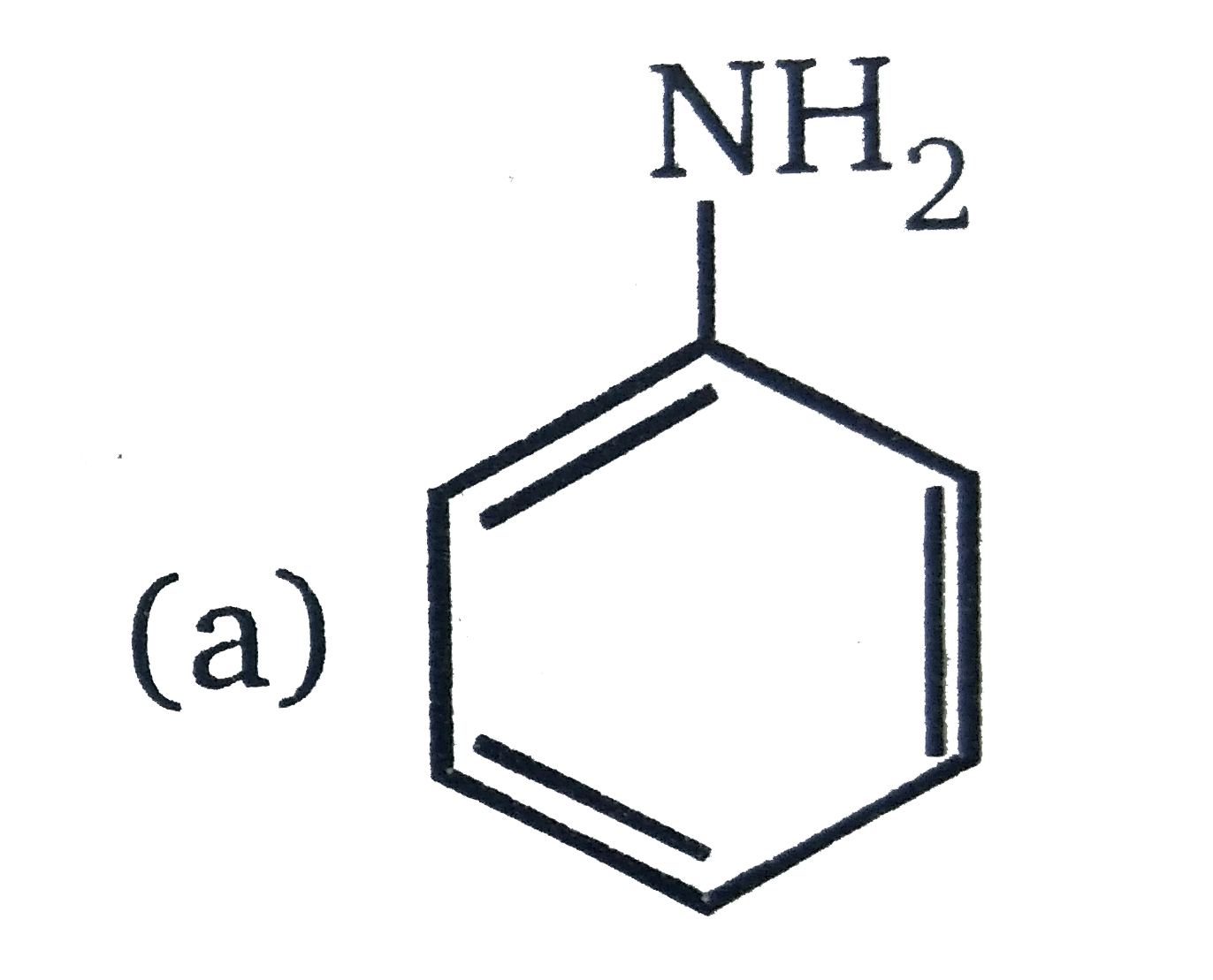
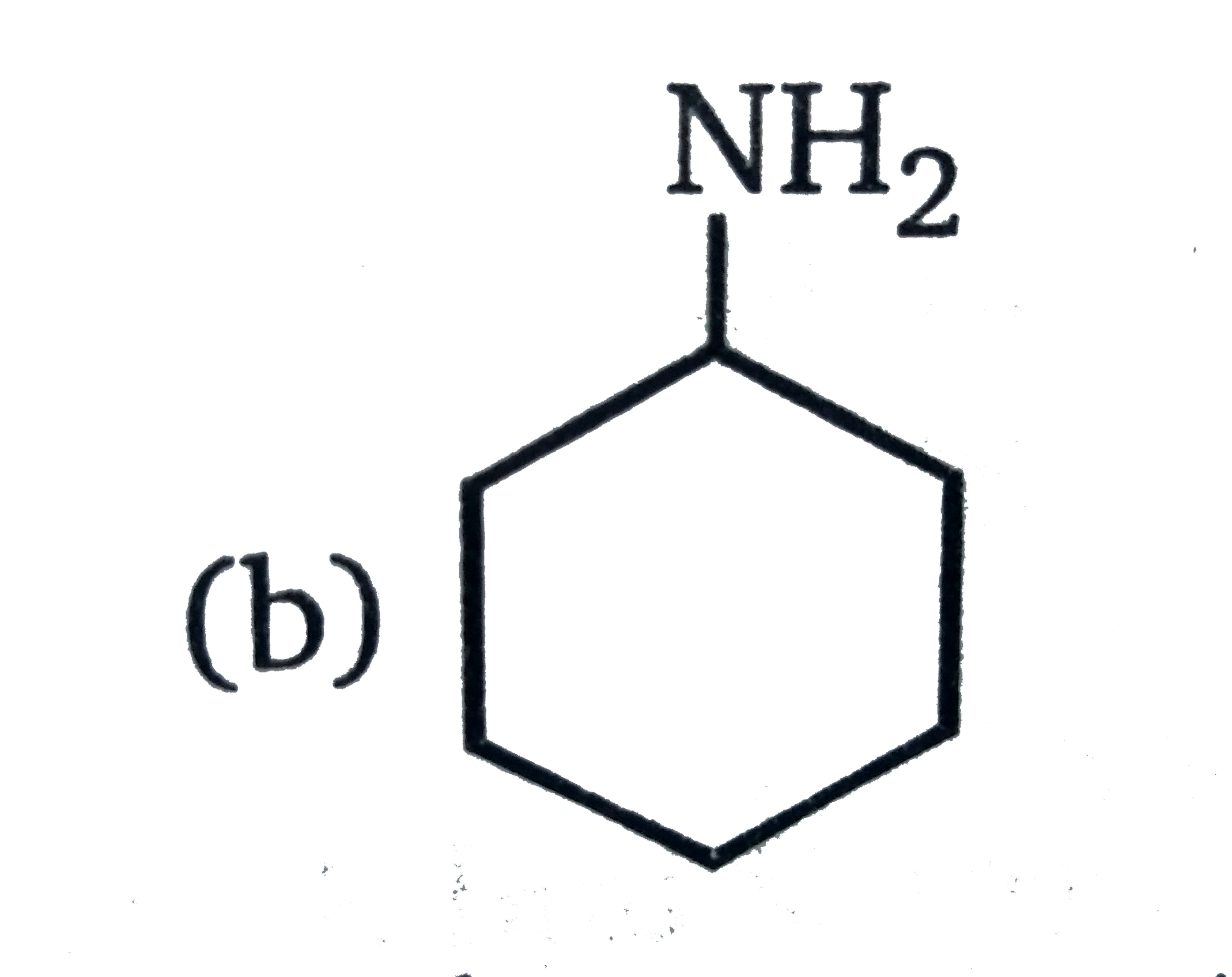
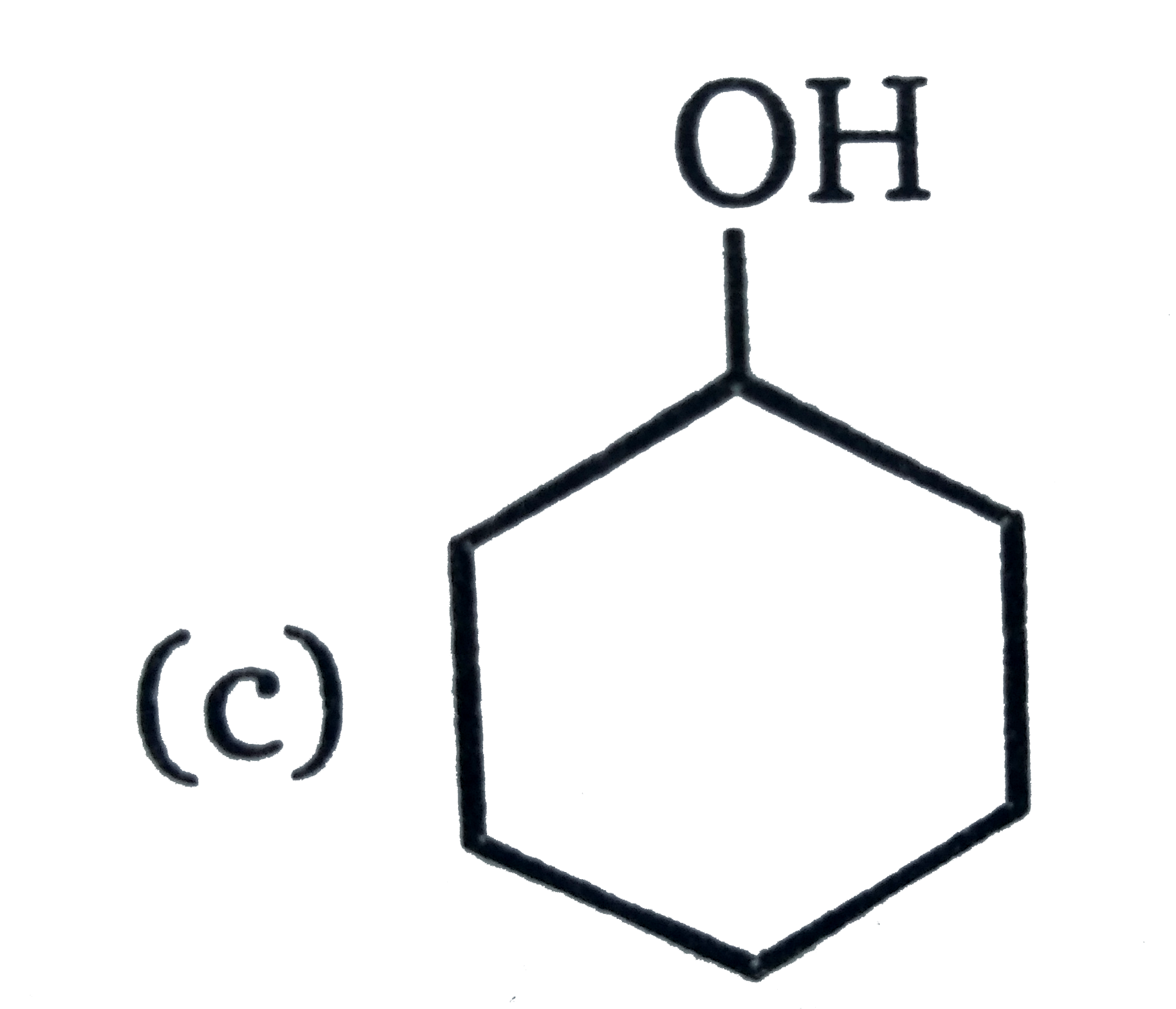
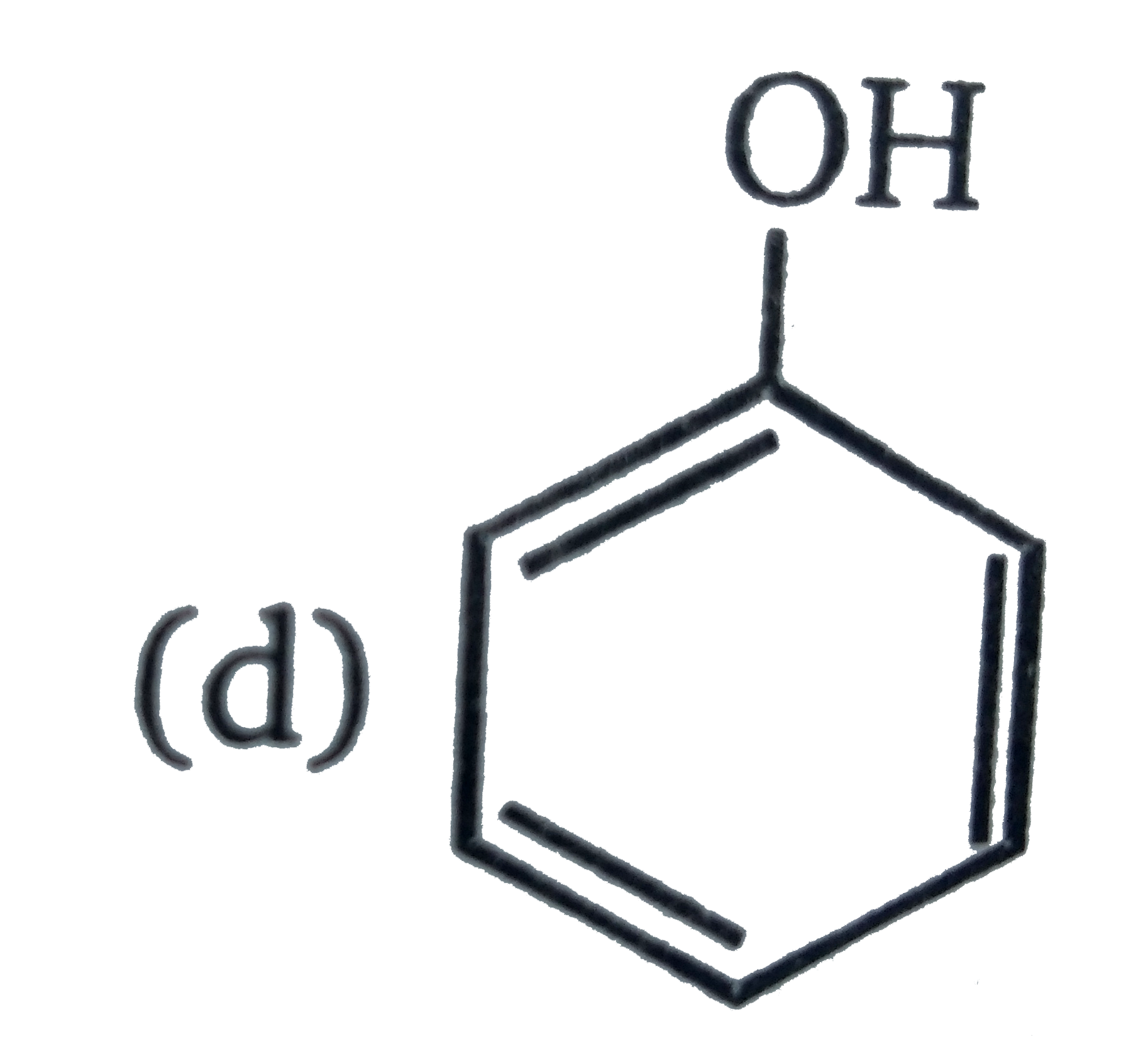
Which of the following is the strongest Bronsted base ?
A
B
C
D
Text Solution
AI Generated Solution
The correct Answer is:
To determine which of the given compounds is the strongest Bronsted base, we need to analyze the availability of lone pairs of electrons in each option. A stronger Bronsted base is one that can readily accept protons (H⁺ ions), which is often related to the availability of free lone pairs of electrons.
### Step-by-Step Solution:
1. **Identify the Compounds**:
Let's assume the compounds are:
- A: Aniline (C6H5NH2)
- B: Ammonia (NH3)
- C: Pyridine (C5H5N)
- D: A compound with a nitrogen atom bonded to two CH2 groups (e.g., N(CH2)2)
2. **Analyze Compound A (Aniline)**:
- In aniline, the lone pair on nitrogen is involved in resonance with the benzene ring. This delocalization reduces the availability of the lone pair for protonation, making aniline a weaker base.
**Hint**: Look for resonance structures that can delocalize lone pairs.
3. **Analyze Compound B (Ammonia)**:
- Ammonia has a lone pair of electrons on nitrogen that is not involved in resonance. Therefore, the lone pair is free and available for protonation, making ammonia a relatively strong base.
**Hint**: Check if the lone pair is involved in resonance or is free.
4. **Analyze Compound C (Pyridine)**:
- In pyridine, the lone pair on nitrogen is part of the aromatic system and is delocalized. This delocalization reduces the availability of the lone pair for protonation, making pyridine a weaker base than ammonia.
**Hint**: Consider the effects of aromaticity on lone pair availability.
5. **Analyze Compound D**:
- The compound with nitrogen bonded to two CH2 groups has a free lone pair on nitrogen. Additionally, the CH2 groups exert a +I (inductive) effect, which increases the electron density on nitrogen, enhancing its basicity.
**Hint**: Look for electron-donating groups that can increase basicity.
6. **Comparison of Basicity**:
- Based on the analysis:
- Aniline (A) is the weakest due to resonance.
- Pyridine (C) is weaker than ammonia (B) due to aromaticity.
- Ammonia (B) has a free lone pair but is not enhanced by any electron-donating groups.
- The compound D has a free lone pair and is enhanced by the +I effect from the CH2 groups.
7. **Conclusion**:
- Therefore, the strongest Bronsted base among the options is **Compound D**.
### Final Answer:
The strongest Bronsted base is **Option D**.
To determine which of the given compounds is the strongest Bronsted base, we need to analyze the availability of lone pairs of electrons in each option. A stronger Bronsted base is one that can readily accept protons (H⁺ ions), which is often related to the availability of free lone pairs of electrons.
### Step-by-Step Solution:
1. **Identify the Compounds**:
Let's assume the compounds are:
- A: Aniline (C6H5NH2)
- B: Ammonia (NH3)
...
Topper's Solved these Questions
GENERAL ORGANIC CHEMISTRY
MS CHOUHAN|Exercise LEVEL- 1|1 Videos
FAMILIES OF CARBON COMPOUNDS: FUNCTIONAL GROUPS AND INTERMOLECULAR FORCES
MS CHOUHAN|Exercise ADDITIONAL OBJECTIVE QUESTIONS ( Matrix Match Type ) |4 Videos
GRIGNARD REAGENTS
MS CHOUHAN|Exercise Level 1 (Q.61 To Q.66)|1 Videos