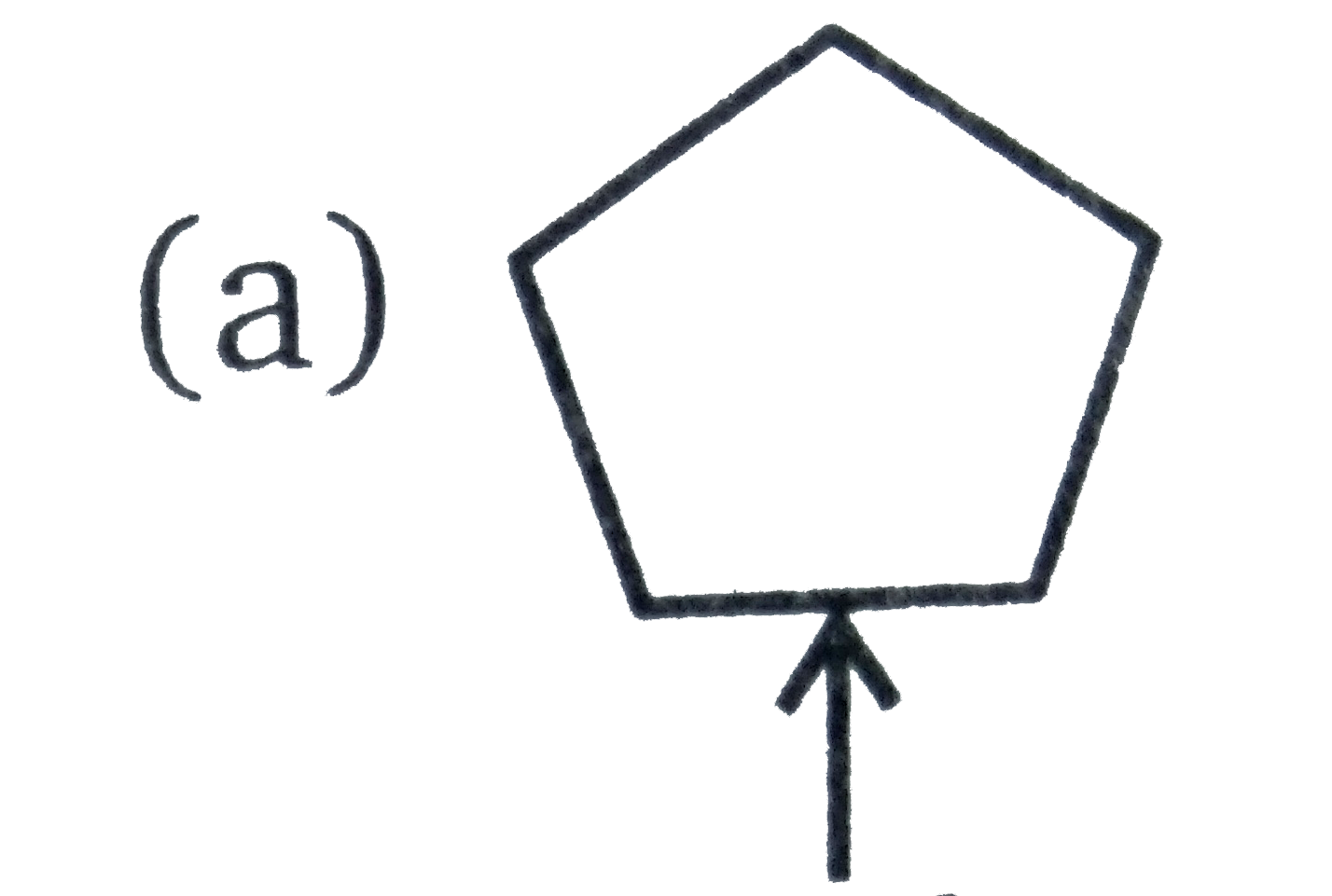
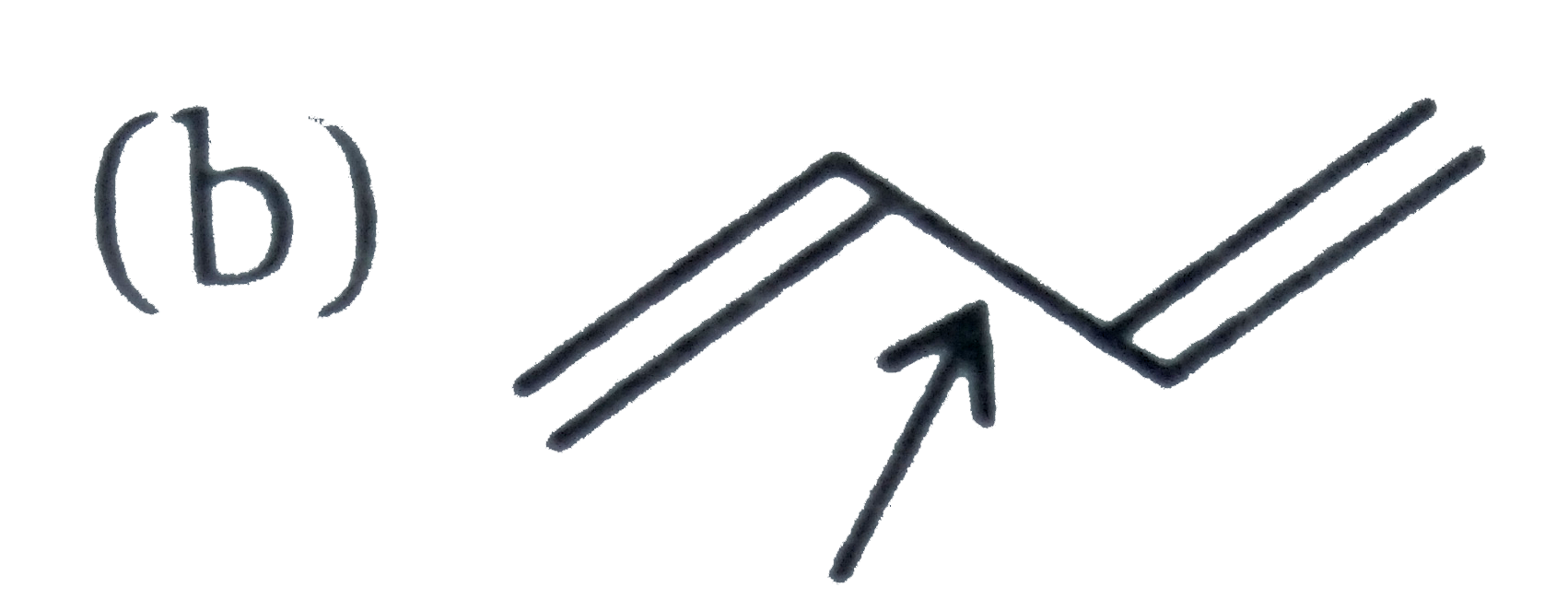
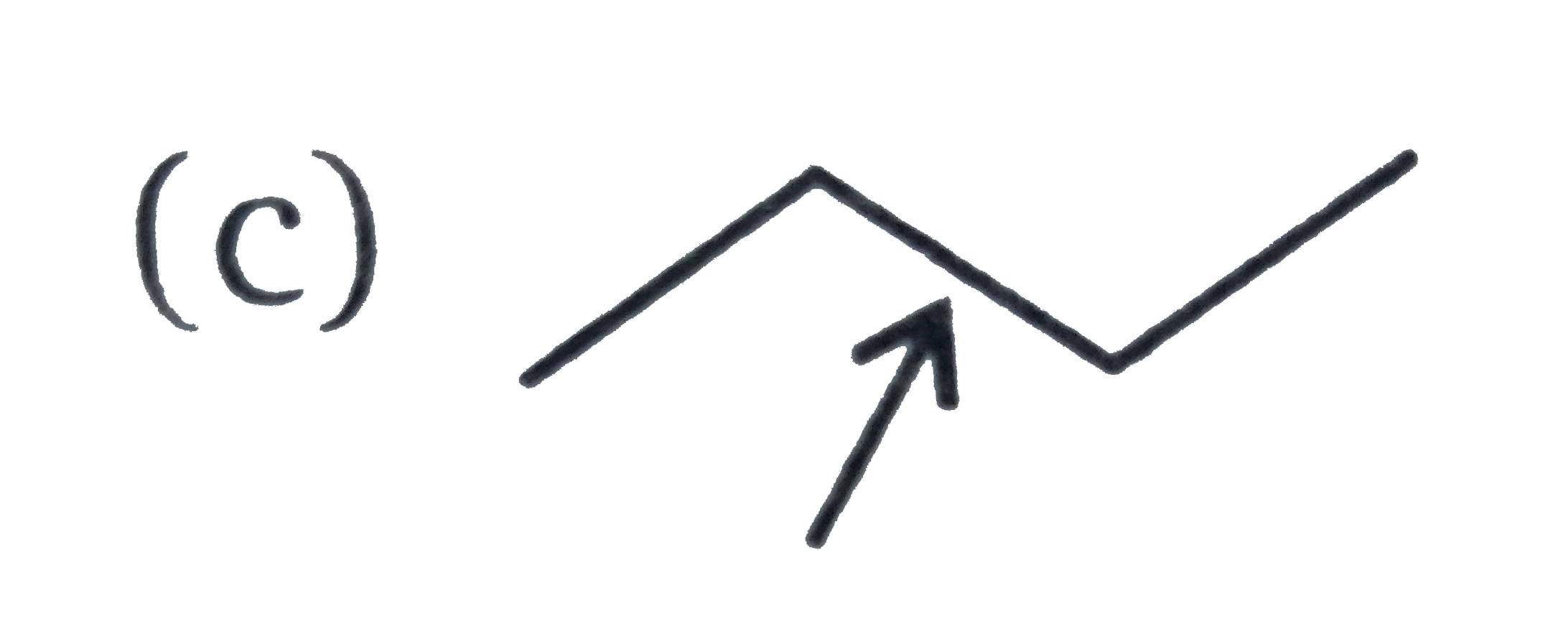
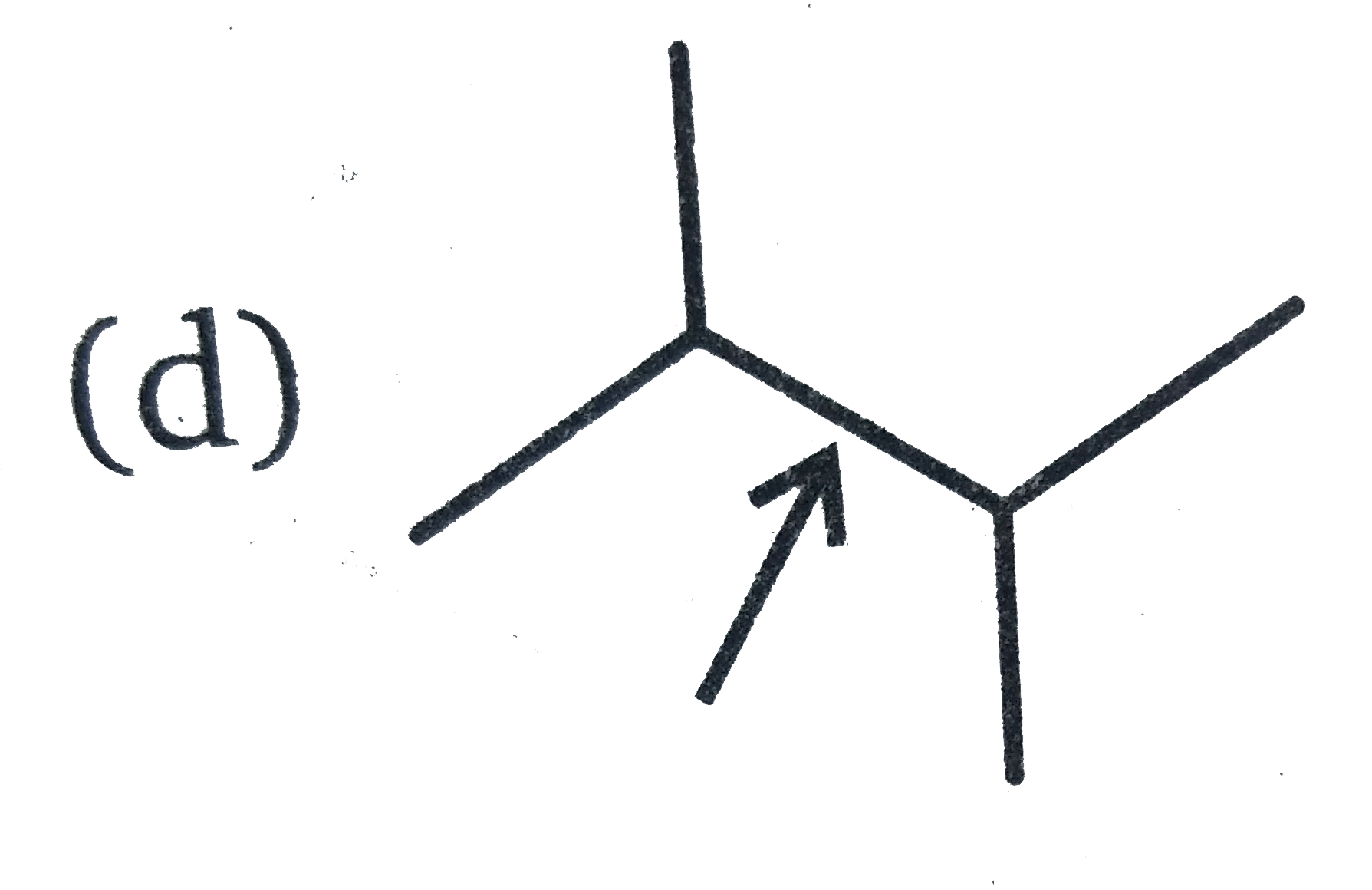
Which of the following has the lowest barrier to rotation about the indicated bond ?
A
B
C
D
Text Solution
AI Generated Solution
The correct Answer is:
To determine which of the given options has the lowest barrier to rotation about the indicated bond, we need to analyze the nature of the bonds in each option and the factors that affect rotation. Here’s a step-by-step solution:
### Step 1: Identify the Bond Type
- **Single Bonds**: These bonds allow free rotation because they have no restrictions.
- **Double Bonds**: These bonds have restricted rotation due to the presence of a π bond, which does not allow for rotation without breaking the bond.
- **Steric Hindrance**: In cases where bulky groups are present near a bond, even a single bond may have restricted rotation due to steric crowding.
### Step 2: Analyze Each Option
1. **Option A**: Contains a single bond in an acyclic system. This bond allows for rotation but may have some restrictions depending on the molecular structure.
2. **Option B**: Contains a double bond or resonance structure. This bond has a higher barrier to rotation due to the partial double bond character.
3. **Option C**: Contains a single bond in a straight-chain system. This bond allows for free rotation without any steric hindrance.
4. **Option D**: Contains a single bond but has bulky groups on either side, leading to steric hindrance which restricts rotation.
### Step 3: Compare the Barriers to Rotation
- **Option A**: Moderate barrier due to acyclic structure.
- **Option B**: High barrier due to double bond character.
- **Option C**: Lowest barrier due to single bond in a straight-chain structure.
- **Option D**: Higher barrier due to steric hindrance despite being a single bond.
### Conclusion
Based on the analysis, **Option C** has the lowest barrier to rotation about the indicated bond because it is a single bond in a straight-chain system, allowing for free rotation without steric hindrance.
### Final Answer
**Option C** has the lowest barrier to rotation about the indicated bond.
---
To determine which of the given options has the lowest barrier to rotation about the indicated bond, we need to analyze the nature of the bonds in each option and the factors that affect rotation. Here’s a step-by-step solution:
### Step 1: Identify the Bond Type
- **Single Bonds**: These bonds allow free rotation because they have no restrictions.
- **Double Bonds**: These bonds have restricted rotation due to the presence of a π bond, which does not allow for rotation without breaking the bond.
- **Steric Hindrance**: In cases where bulky groups are present near a bond, even a single bond may have restricted rotation due to steric crowding.
### Step 2: Analyze Each Option
...
Topper's Solved these Questions
GENERAL ORGANIC CHEMISTRY
MS CHOUHAN|Exercise LEVEL- 1|1 Videos
FAMILIES OF CARBON COMPOUNDS: FUNCTIONAL GROUPS AND INTERMOLECULAR FORCES
MS CHOUHAN|Exercise ADDITIONAL OBJECTIVE QUESTIONS ( Matrix Match Type ) |4 Videos
GRIGNARD REAGENTS
MS CHOUHAN|Exercise Level 1 (Q.61 To Q.66)|1 Videos