
Home
Class 12
CHEMISTRY
Which of the following will not react wi...

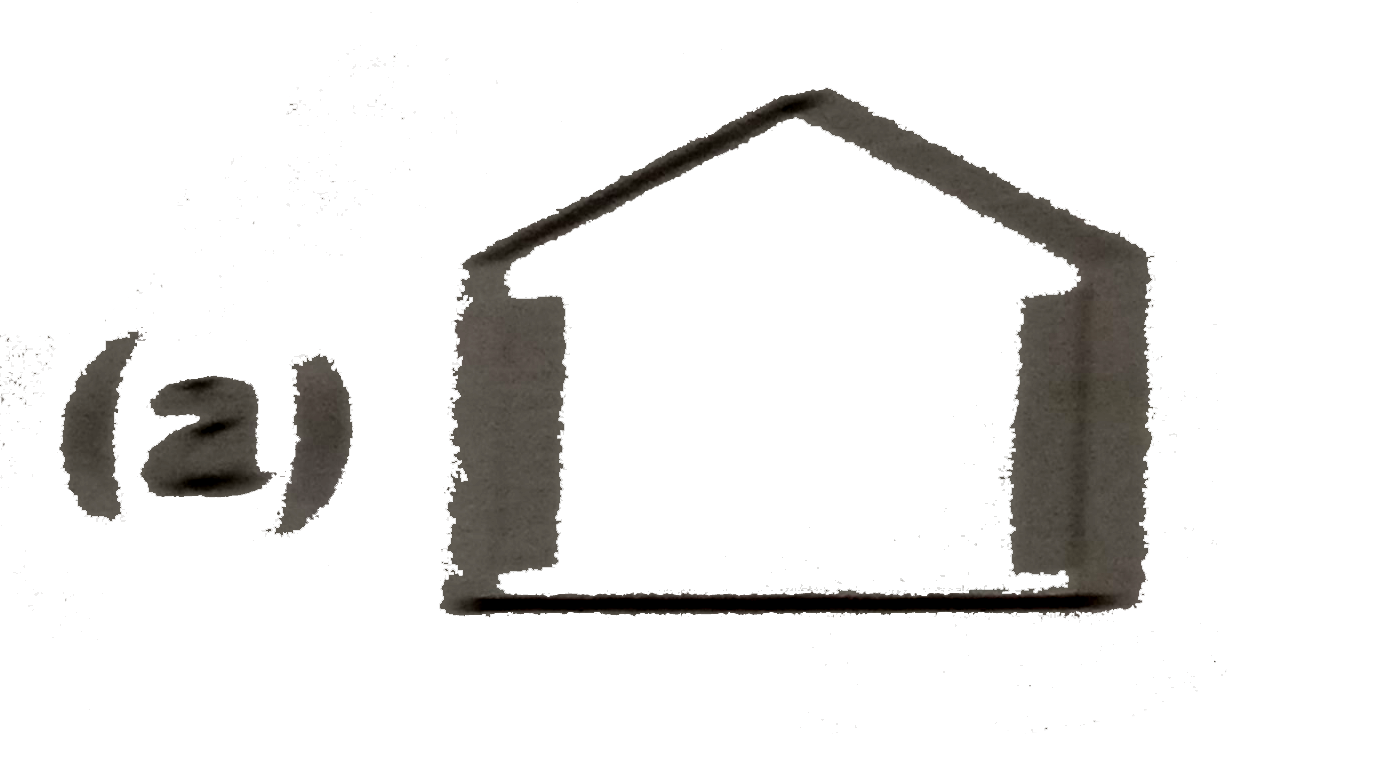
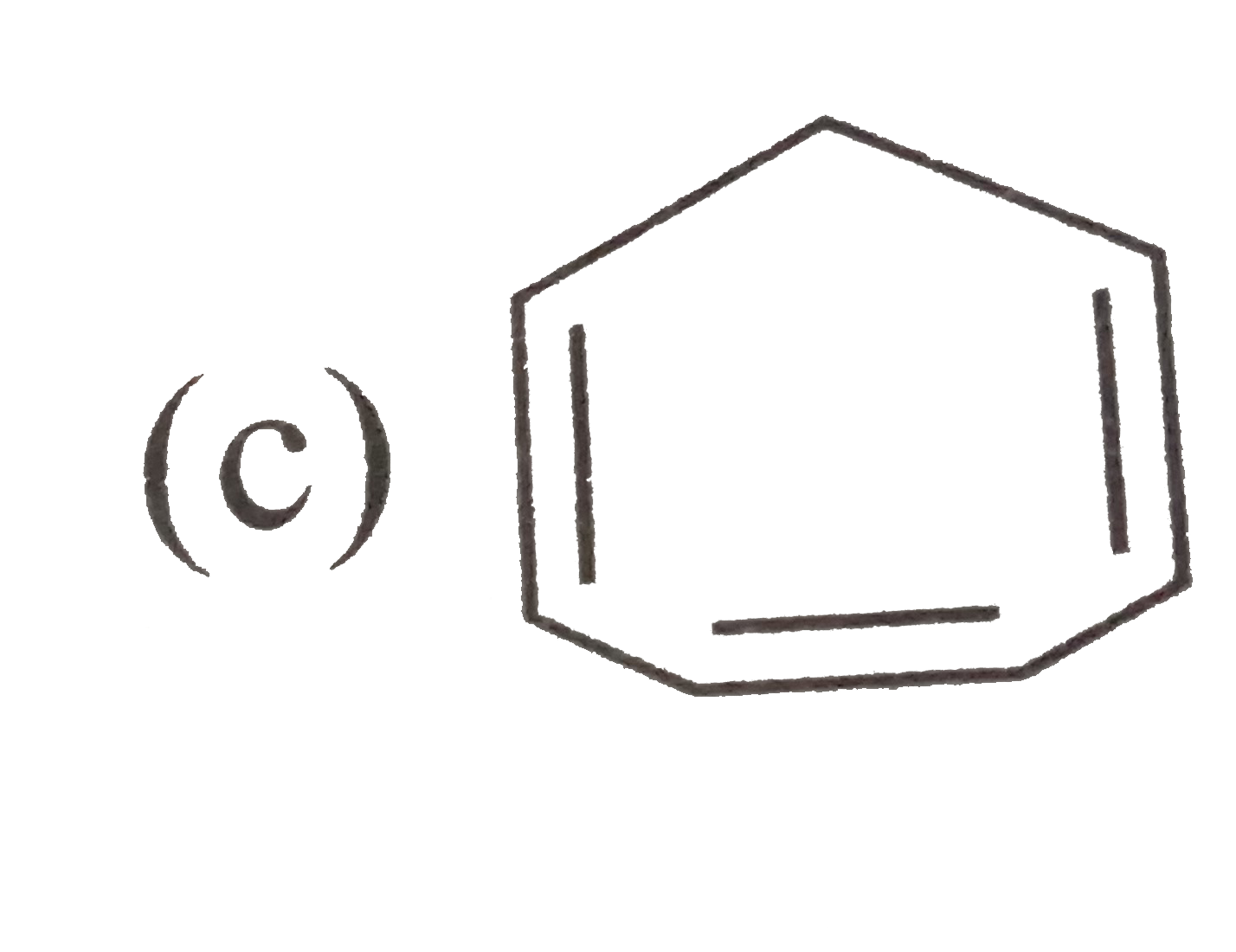
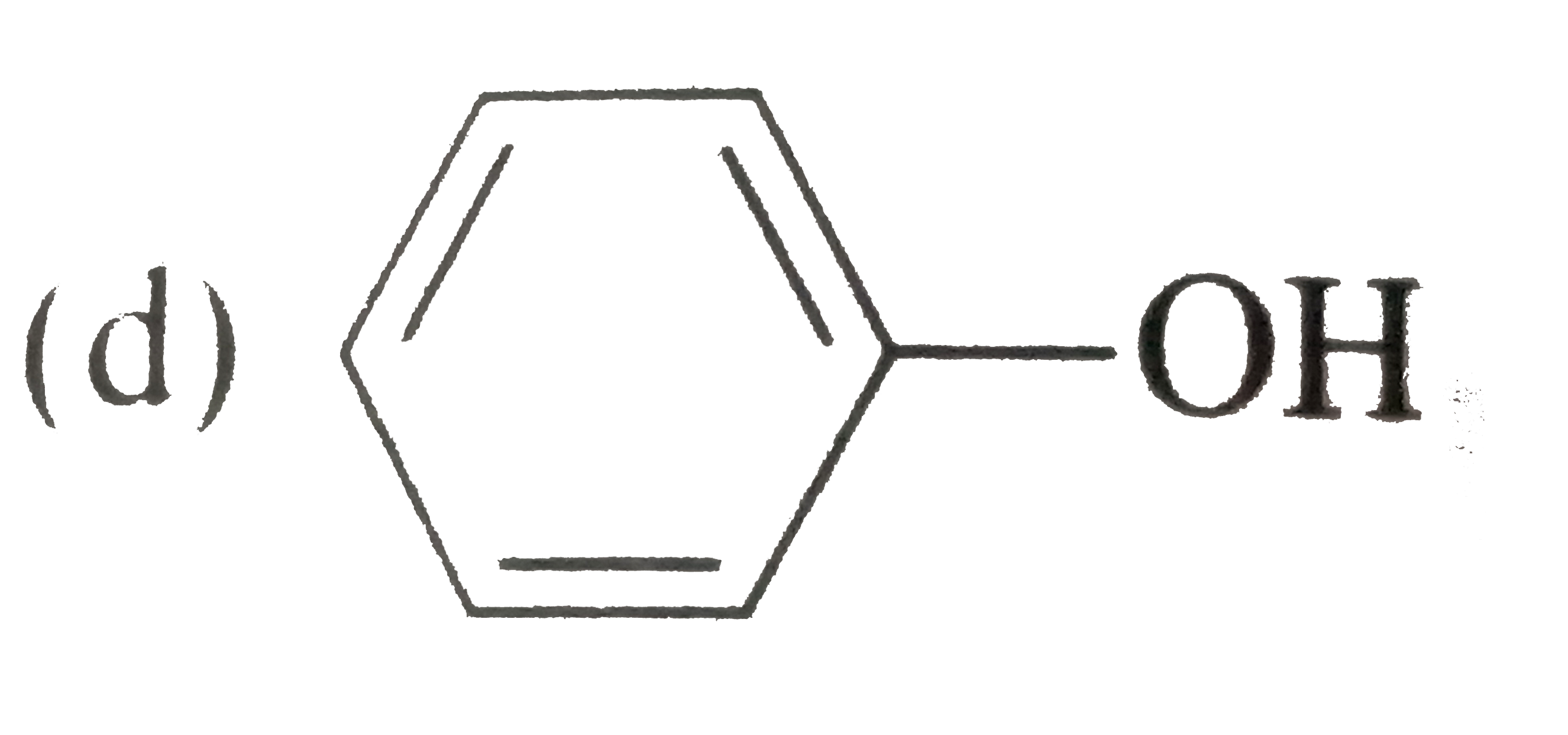
Which of the following will not react with Na metal?

A

B

C

D

Text Solution

AI Generated Solution

The correct Answer is:

To determine which of the given compounds will not react with sodium metal, we need to analyze the acidic character of each compound. Sodium metal reacts with compounds that have acidic protons, leading to the formation of sodium salts and the release of hydrogen gas. ### Step-by-Step Solution: 1. **Identify the Compounds**: Let's denote the compounds as A, B, C, and D. We need to analyze each compound's ability to lose a proton (H⁺) and thus determine its acidic character. 2. **Analyze Compound A**: - Compound A is likely an alcohol or a phenolic compound. - Alcohols have an acidic hydrogen that can react with sodium to form an alkoxide (R-O⁻Na⁺) and release hydrogen gas (H₂). - **Conclusion**: Compound A will react with sodium. 3. **Analyze Compound B**: - Compound B is likely an aromatic compound with acidic protons. - Similar to Compound A, it can lose protons to form a stable aromatic anion, thus exhibiting acidic behavior. - **Conclusion**: Compound B will react with sodium. 4. **Analyze Compound C**: - Compound C is identified as an anti-aromatic compound. - Anti-aromatic compounds are destabilized by the presence of certain pi electrons, leading to a lack of acidic character. - Since it does not want to lose protons due to destabilization, it will not react with sodium. - **Conclusion**: Compound C will NOT react with sodium. 5. **Analyze Compound D**: - Compound D is phenol, which is known to be acidic. - It can lose a proton to form a phenoxide ion (C₆H₅O⁻), which is stabilized by resonance. - **Conclusion**: Compound D will react with sodium. ### Final Conclusion: Among the compounds A, B, C, and D, **Compound C** will not react with sodium metal due to its anti-aromatic nature, which prevents it from losing protons.

To determine which of the given compounds will not react with sodium metal, we need to analyze the acidic character of each compound. Sodium metal reacts with compounds that have acidic protons, leading to the formation of sodium salts and the release of hydrogen gas. ### Step-by-Step Solution: 1. **Identify the Compounds**: Let's denote the compounds as A, B, C, and D. We need to analyze each compound's ability to lose a proton (H⁺) and thus determine its acidic character. 2. **Analyze Compound A**: - Compound A is likely an alcohol or a phenolic compound. ...
Promotional Banner

Topper's Solved these Questions

  • GENERAL ORGANIC CHEMISTRY

    HIMANSHU PANDEY|Exercise More Than One Correct (Q.1 To Q.25)|25 Videos
  • GENERAL ORGANIC CHEMISTRY

    HIMANSHU PANDEY|Exercise More Than One Correct (Q.26 To Q.50)|25 Videos
  • GENERAL ORGANIC CHEMISTRY

    HIMANSHU PANDEY|Exercise Level 2 (Q.176 To Q.200)|25 Videos
  • CHEMISTRY IN DAILY LIFE

    HIMANSHU PANDEY|Exercise Integer Answer Type Problems|7 Videos
  • HALIDES

    HIMANSHU PANDEY|Exercise Subjective Type Problems|10 Videos

Similar Questions

Explore conceptually related problems

Which of the following acid does not react with metals?

Which of the following does not react with sodium metal ?

Which of the following metals will react with NaOH and KOH to liberate hydrogen gas?

Which of the following metals does not react with water at all?

Which of the following metals does not react with cold or hot water but reacts with steam?
