Home
Class 11
CHEMISTRY
Which of the following reactions is expe...

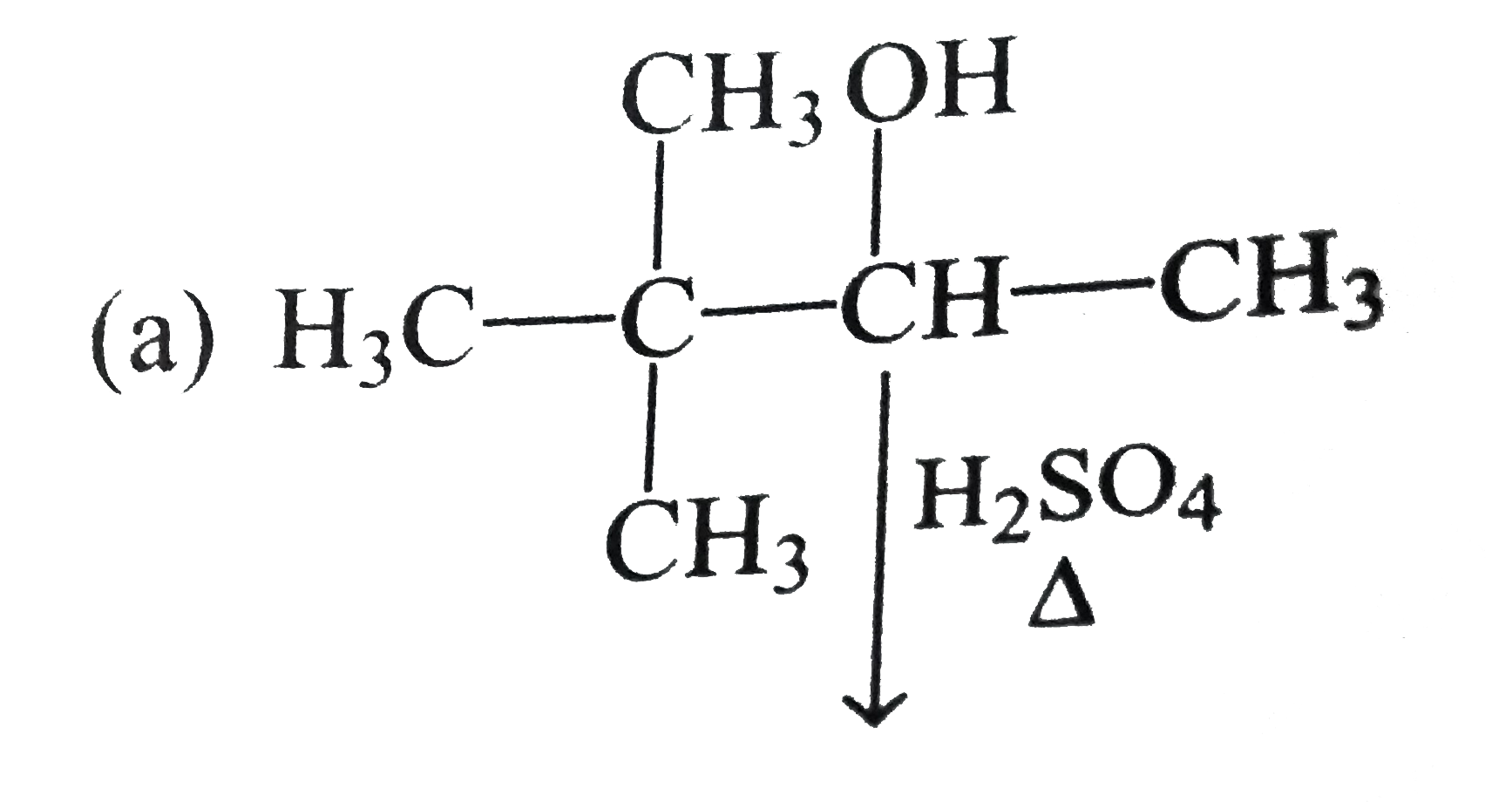
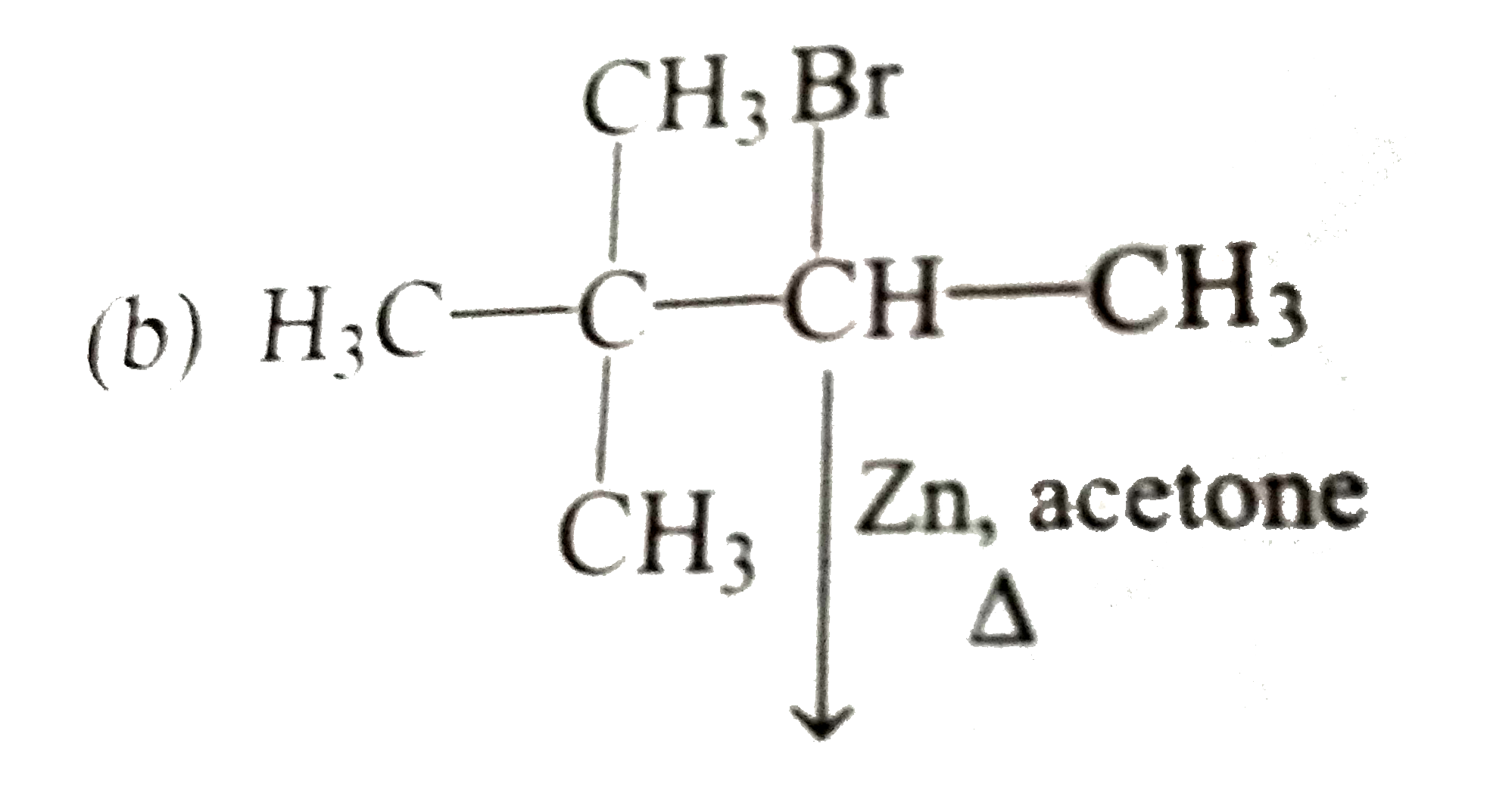
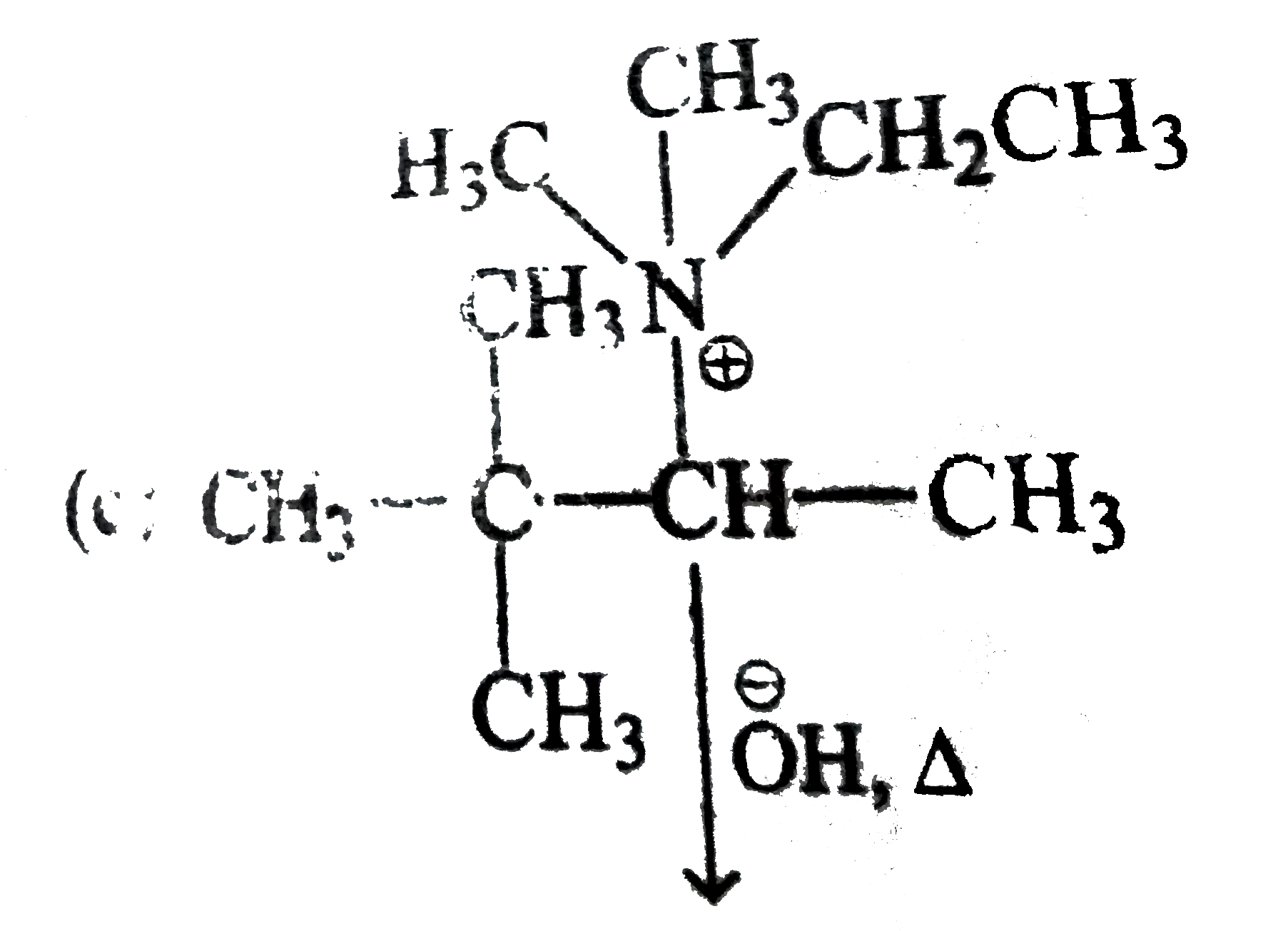
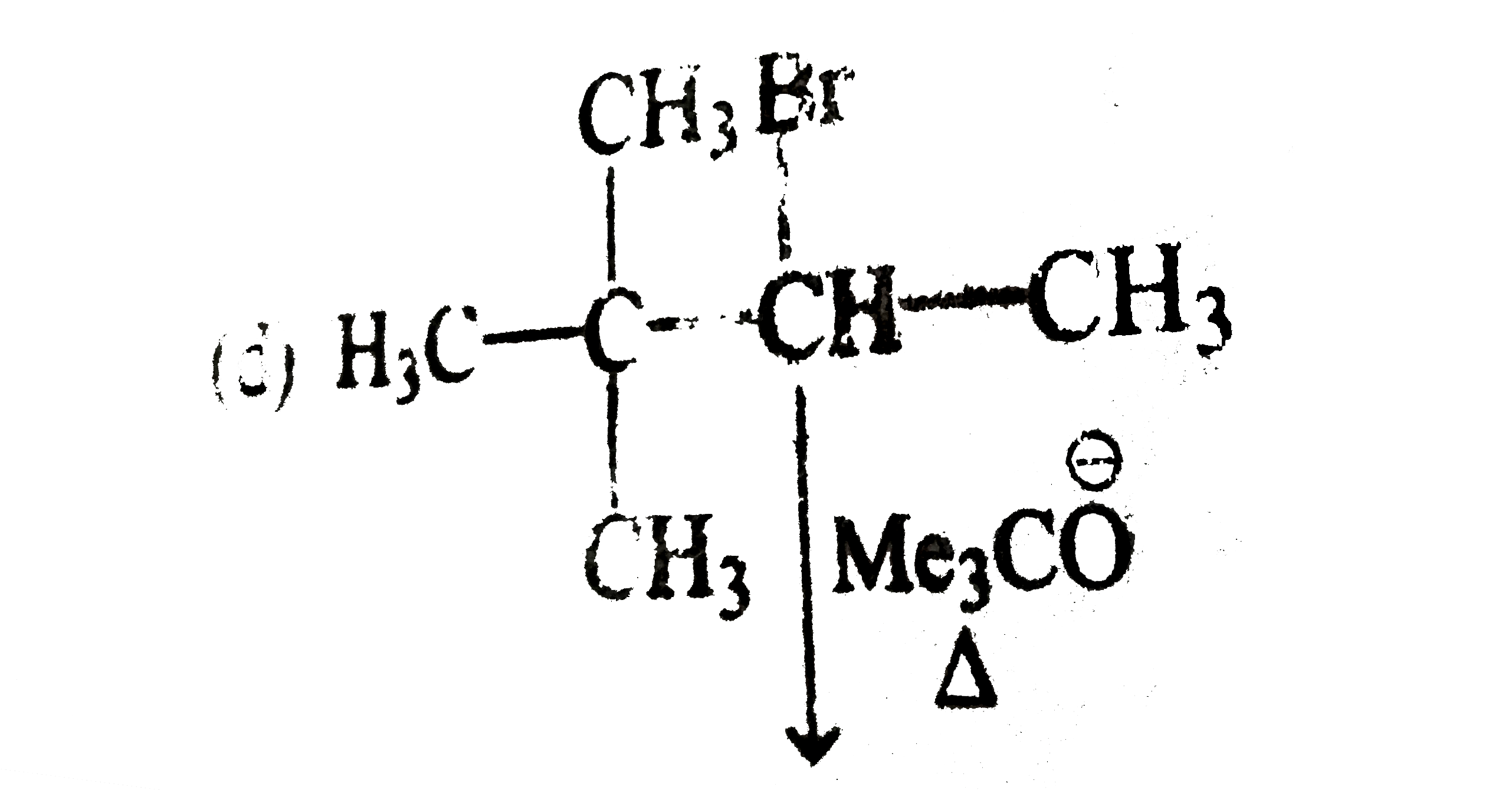
Which of the following reactions is expected to give a fairalyt good yield of `(CH_(3))_(3)C-CH=CH_(2)?

A

B

C

D

Text Solution

AI Generated Solution

The correct Answer is:

To determine which reaction is expected to give a fairly good yield of the alkene `(CH₃)₃C-CH=CH₂`, we need to analyze the given options step by step. ### Step-by-Step Solution: 1. **Identify the Alkene Structure**: The target alkene is `(CH₃)₃C-CH=CH₂`, which is a branched alkene with a double bond between the last two carbon atoms. 2. **Evaluate Each Option**: We have four options (A, B, C, and D) to analyze. - **Option A**: - The reaction involves protonation of an alcohol followed by carbocation formation. - The carbocation formed is a secondary carbocation, which can rearrange to a more stable tertiary carbocation. - However, the final product after deprotonation leads to a more stable alkene, which does not match our target alkene. - **Conclusion**: Option A does not yield the desired alkene. - **Option B**: - This option also involves a similar mechanism where a bromine atom leaves, forming a carbocation. - The carbocation can rearrange to a more stable tertiary carbocation. - The final product after deprotonation is again a more stable alkene, which is not the target alkene. - **Conclusion**: Option B does not yield the desired alkene. - **Option C**: - This reaction involves a nitrogen-containing compound that can also form a carbocation. - Similar to the previous options, the carbocation rearranges to a more stable tertiary carbocation. - The product after deprotonation is again a more stable alkene, which does not match the target alkene. - **Conclusion**: Option C does not yield the desired alkene. - **Option D**: - The reaction involves a bulky base (Me₃CO⁻) reacting with a suitable substrate. - The bulky base abstracts a proton from the less hindered carbon, leading to the formation of the desired alkene. - The final product after this reaction matches our target alkene `(CH₃)₃C-CH=CH₂`. - **Conclusion**: Option D yields the desired alkene. 3. **Final Answer**: The reaction expected to give a fairly good yield of `(CH₃)₃C-CH=CH₂` is **Option D**.

To determine which reaction is expected to give a fairly good yield of the alkene `(CH₃)₃C-CH=CH₂`, we need to analyze the given options step by step. ### Step-by-Step Solution: 1. **Identify the Alkene Structure**: The target alkene is `(CH₃)₃C-CH=CH₂`, which is a branched alkene with a double bond between the last two carbon atoms. 2. **Evaluate Each Option**: ...
Promotional Banner

Topper's Solved these Questions

  • HYDROCARBONS (ALKANE, ALKENE and ALKYNE)

    HIMANSHU PANDEY|Exercise Level 2 (Q.101 To Q.125)|25 Videos
  • HYDROCARBONS (ALKANE, ALKENE and ALKYNE)

    HIMANSHU PANDEY|Exercise Level 2 (Q.126 To Q.150)|24 Videos
  • HYDROCARBONS (ALKANE, ALKENE and ALKYNE)

    HIMANSHU PANDEY|Exercise Level 2 (Q.51 To Q.75)|25 Videos

Similar Questions

Explore conceptually related problems

Which of the following reactions is expected to given a fairly good yield of (CH_(3))_(3)C CH=CH_(2) ?

Which of the following reactions are expected to give CH_(3)-underset(CH_(3))underset(|)overset(CH_(3))overset(|)C-CH=CH_(2) in yeilds of more than 50% ?

Which of the following pairs is expected to exhibit H-bonding (a) CH_(3)CH_(2)OH and CH_(3)OCH_(3) (b) CH_(3)NH_(2) and CH_(3)SH (c ) CH_(3)OH and (CH_(3))_(3)N .

Which of the following graphs is correct for the following reaction? CH_(3)-CH_(2)CH=CH_(2)underset(300^(@)C)overset(H_(2)//Ni)rarrCH_(3)-CH_(2)-CH_(2)-CH_(3)

Which of the following statement is correct for the given compounds ? CH_(3) - CH = CH_(2) (b) CH_(3) - C -= CH

Which one in each of the following pairs is expected to exhibit hydrogen bonding together ? (a) CH_3 - CH_2 - OH and CH_3 - O - CH_3 (b) CH_3 NH_2 and CH_3 SH (c ) CH_3OCH_3 and (CH_3)_3 N

Give the products of the following reactions : – CH_(3)-underset(CH_(3))underset(|)overset(CH_(3))overset(|)(C)-CH=CH_(2)overset(HBr)rarr 3, 3-dimethyl - 1 - butene
