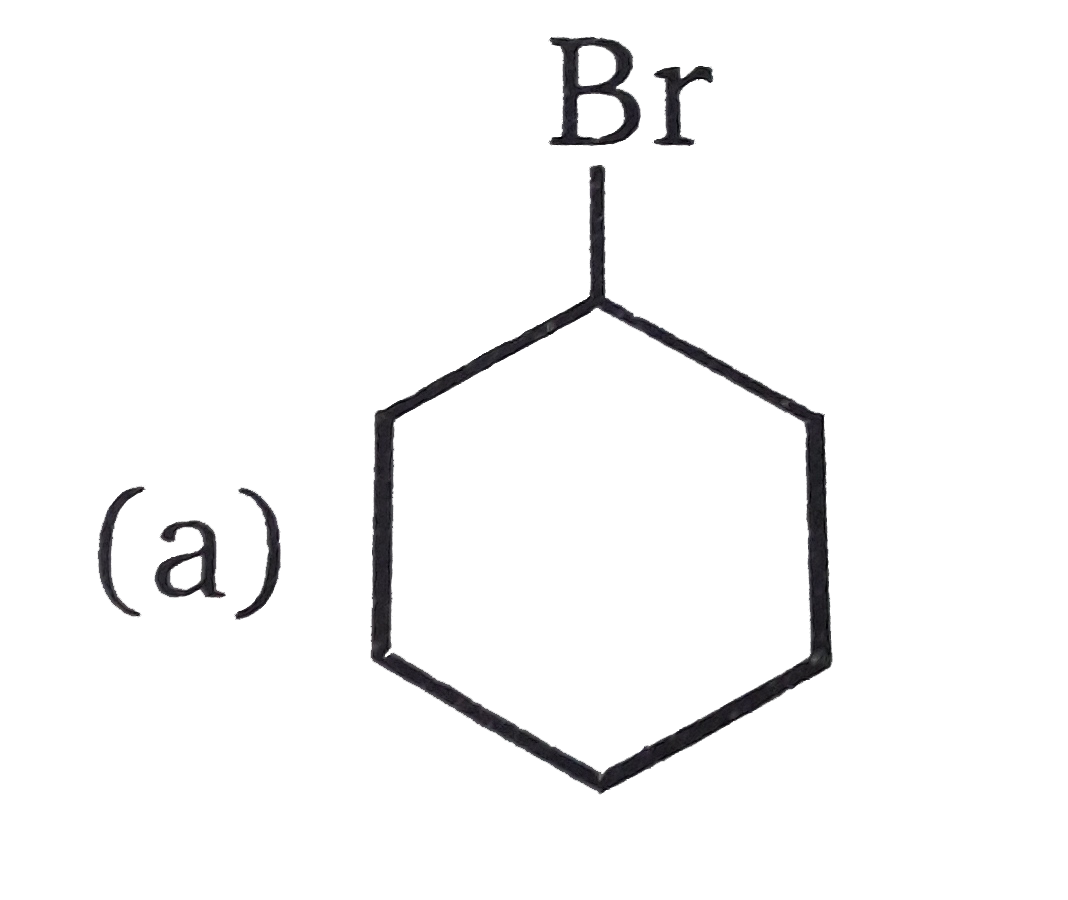
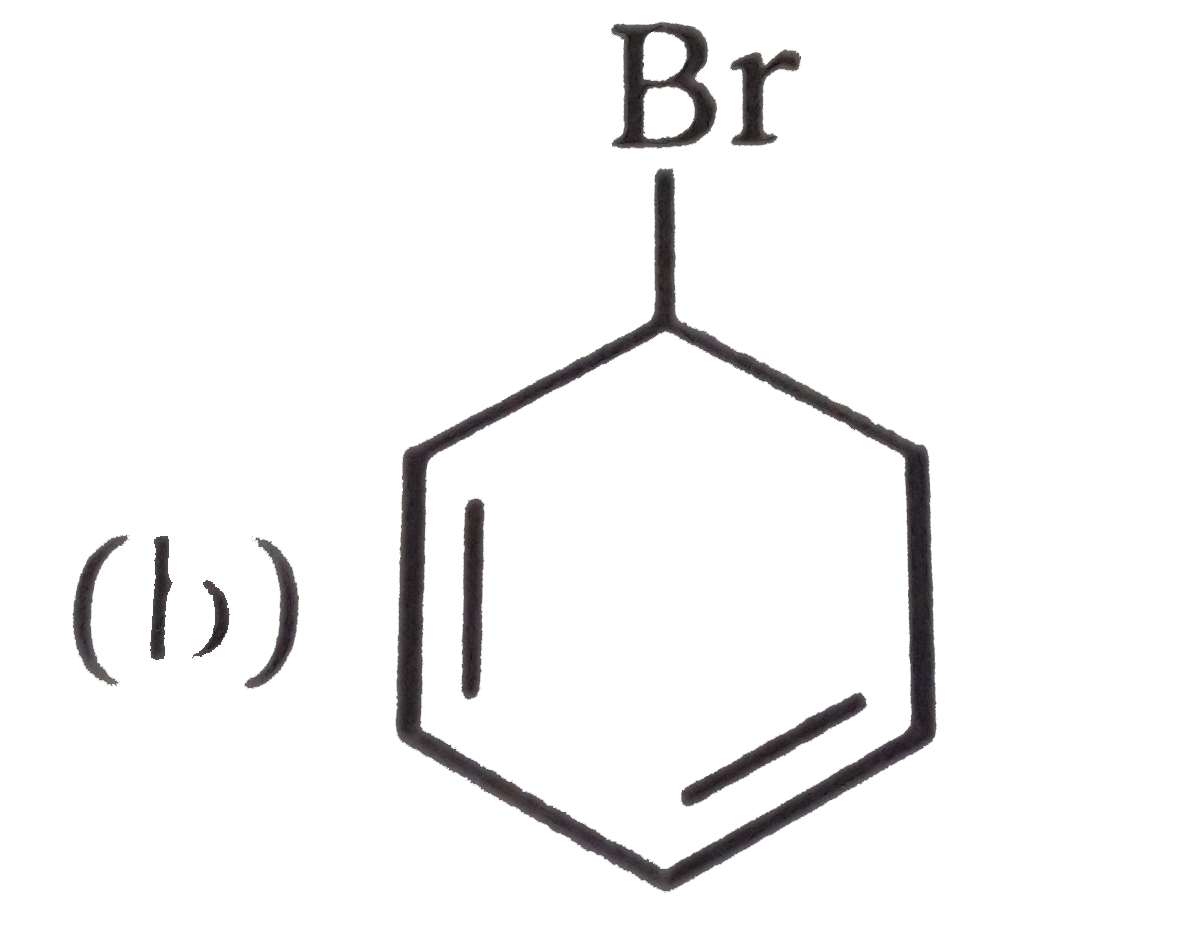
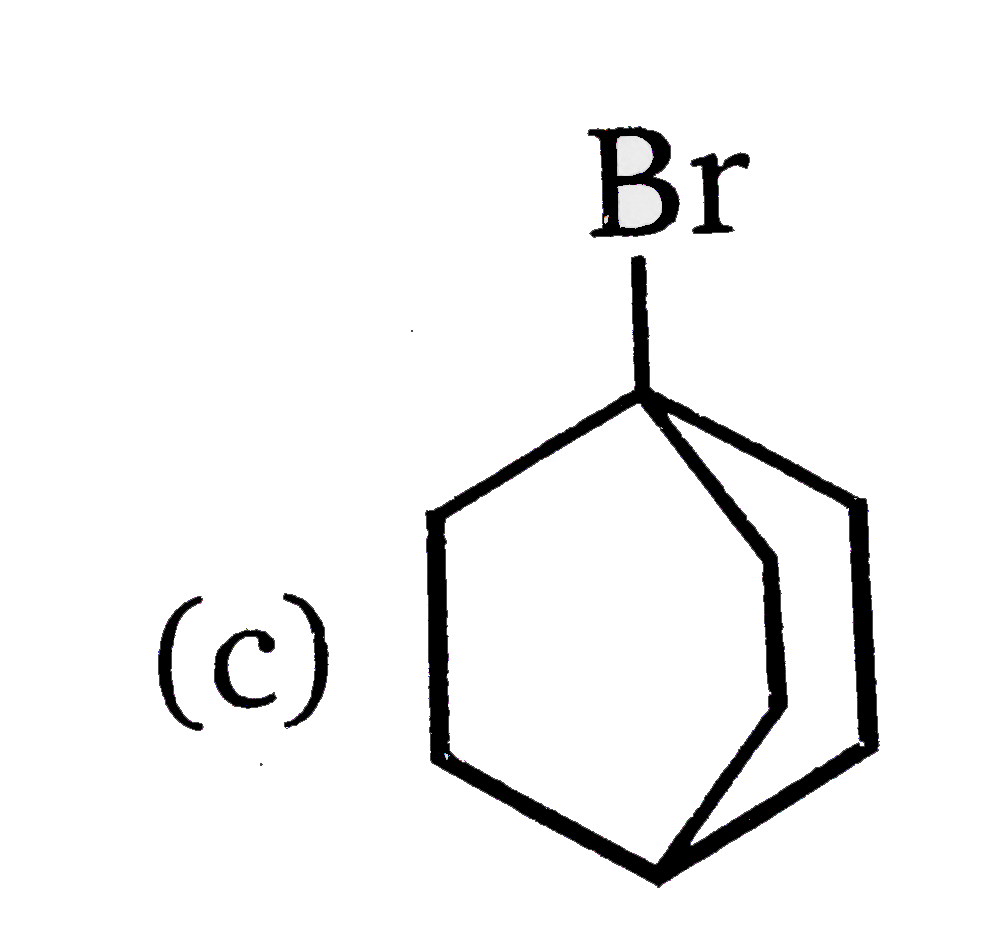
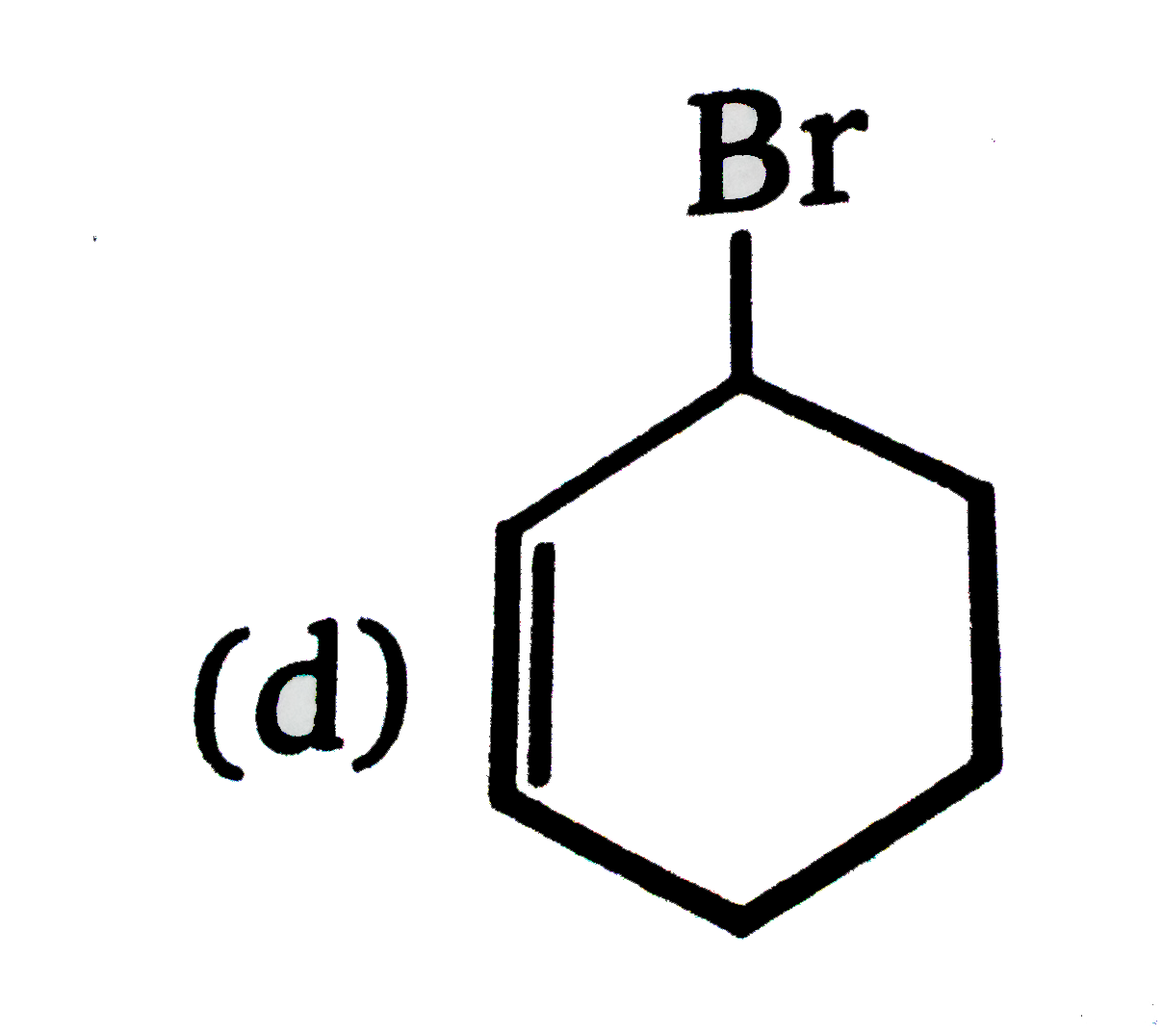
(c ) At bridage head position `S_(N^(1)) and S_N^(2))` do not takes place .
Topper's Solved these Questions
ALKYL HALIDES
MS CHOUHAN|Exercise Level 2 (Q.1 To Q.10)|11 Videos
ALKYL HALIDES
MS CHOUHAN|Exercise Level-2|30 Videos
HYDROCARBONS (ALKANES)
MS CHOUHAN|Exercise Level 1 (Q.31 To Q.50)|1 Videos
Similar Questions
Explore conceptually related problems
Rate of S_(N^(1)) reaction is :
rate of S_(N^(2)) reaction is:
When the concentration of alkyl halide is triple and concentration of overset(Θ)OH is reduced to half, the rate of S_(N^(2)) reaction increased by :
The rate of S_(N^(1)) reaction is fastest with :
Increasing rate of S_(N^(1)) reaction in the following compounds is
When the concentration of nucleophile is reduced to half, the rate of S_(N^(2)) reaction is decreased by
(a) Which has faster rate of S_(N^(1)) ? (b) Which has faster rate of S_(N^(2)) ?
Rate of S_(N)1 reactin for the following compounds is: (a). (b). (c). (d).
The thermal decomposition of N_(2)O_(5) occues as: 2N_(2)O_(5) rarr 4NO_(2)+O_(2) Experimental studies suggest that rate of decomposition of N_(2)O_(5) rate of formation of NO_(2) or rate of formation of O_(2) all becomes double if concentration of N_(2)O_(5) is doubled. If rate of formation of O_(2) is 16 g//hr then rate of decomposition of N_(2)O_(5) and rate of formation of NO_(2) respectively is