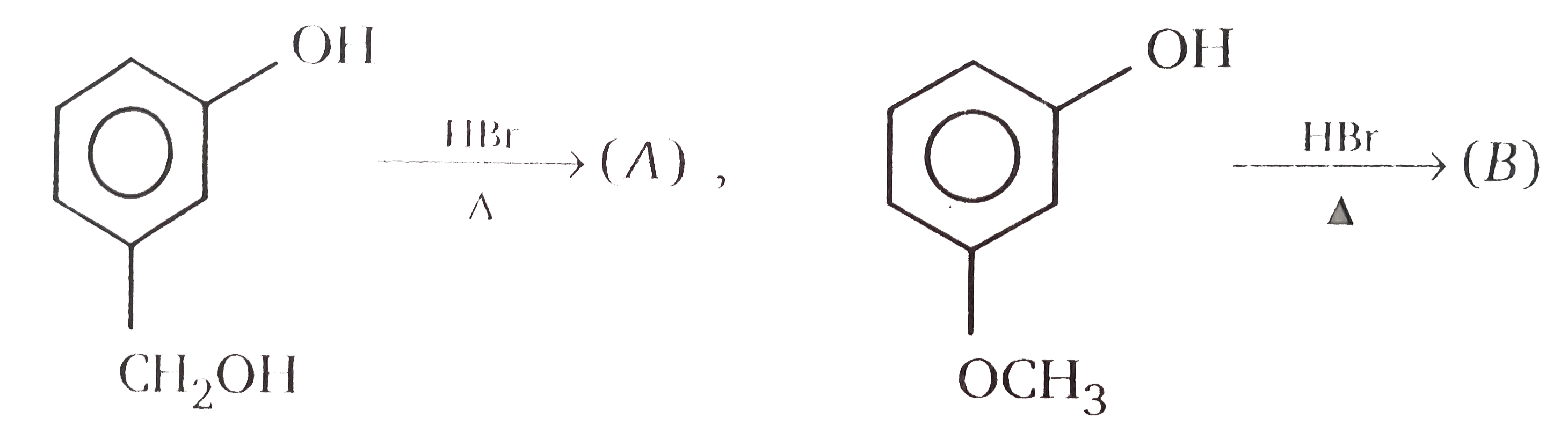
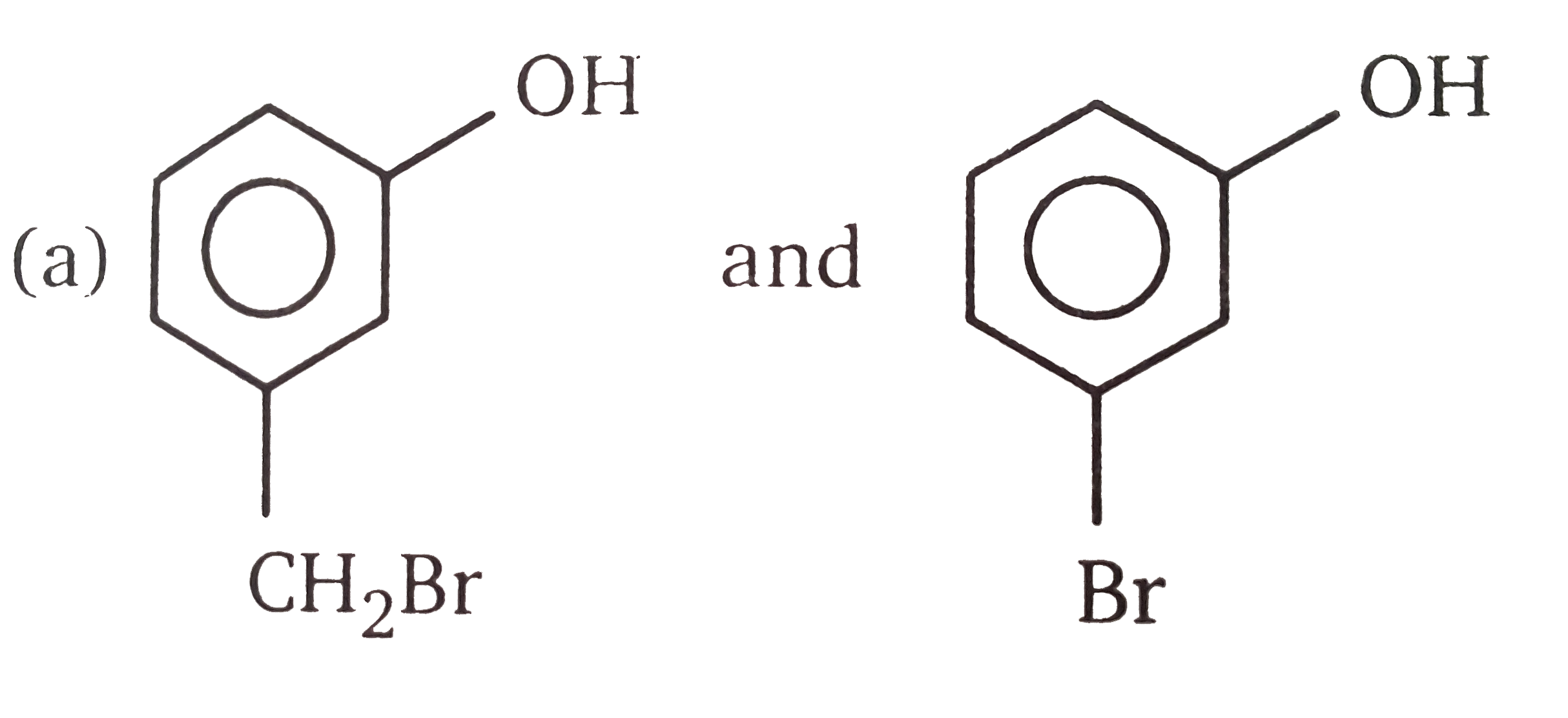
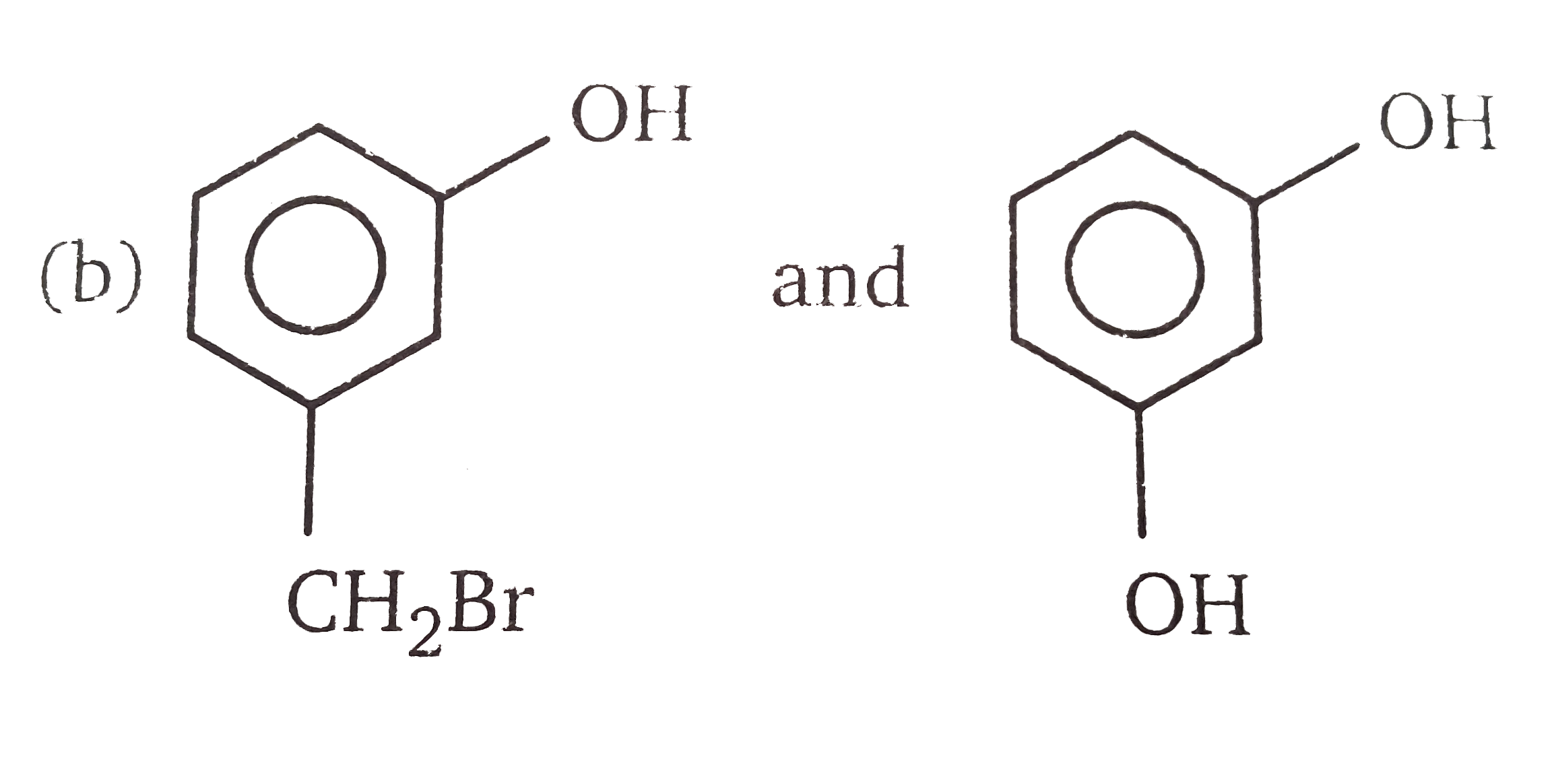
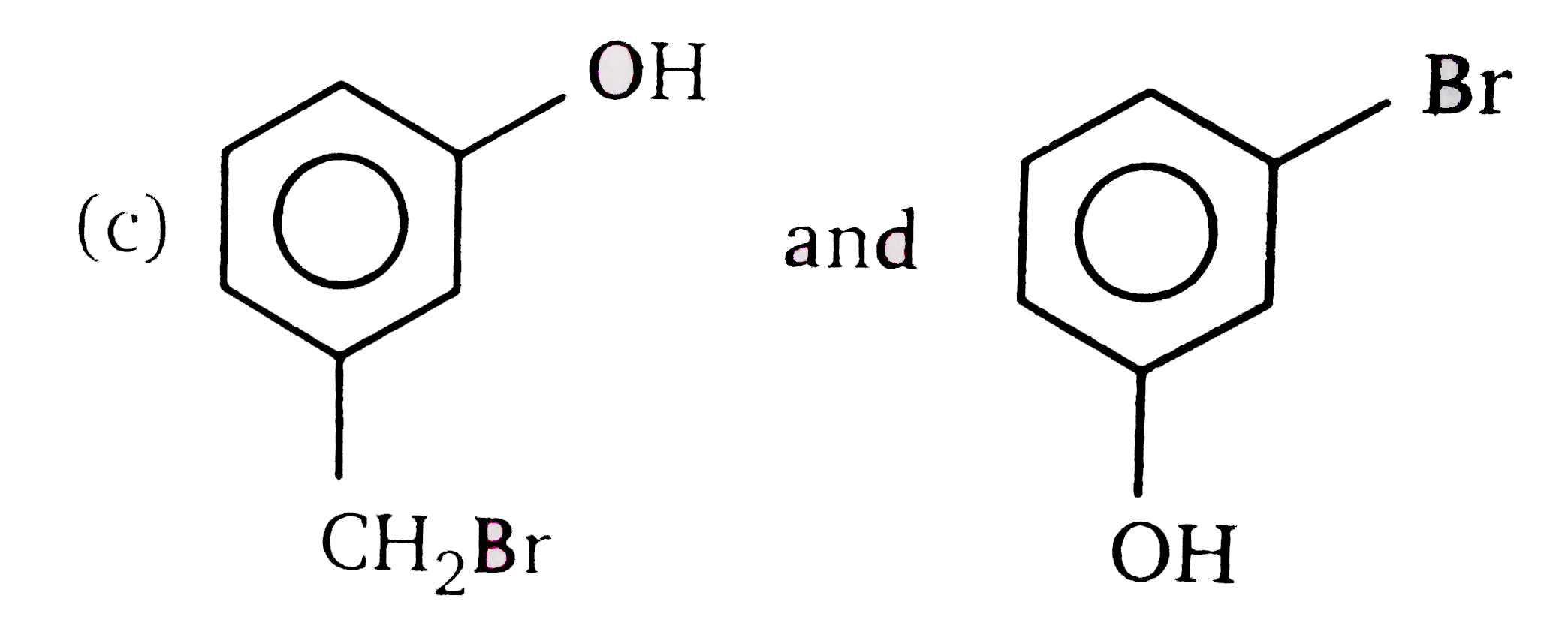
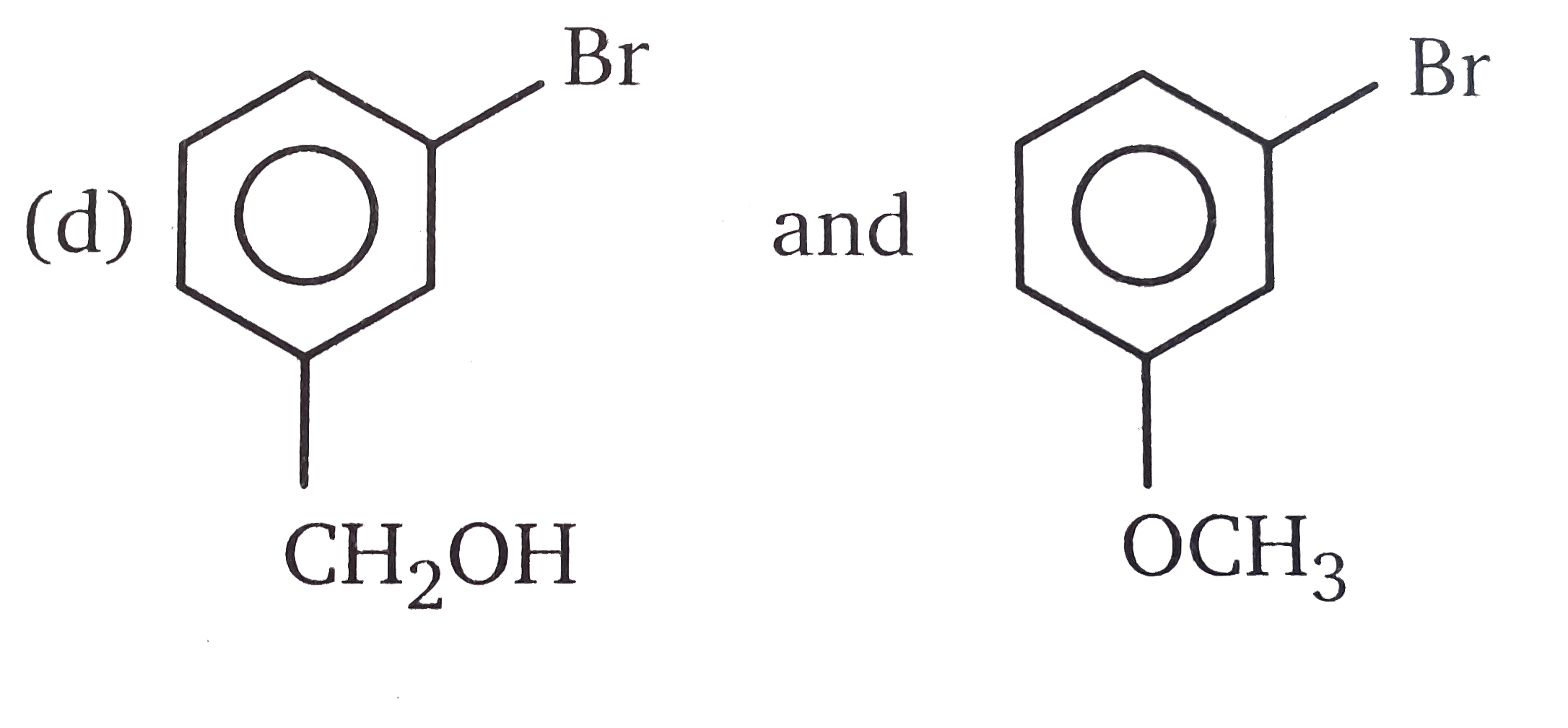
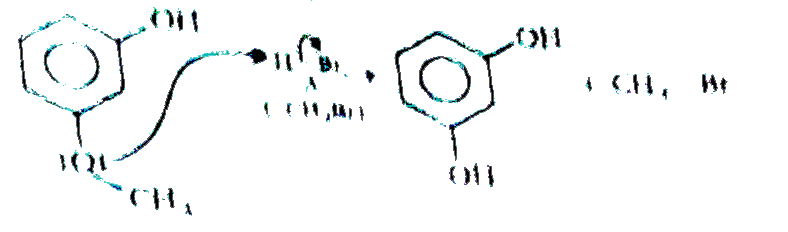
`(A) to S_(N^(1))(B) to S_(N^(2))` `(A) to S_(N^(1))` because highty stable `C^(o+)` is formed. No L.G Hence i.P on Oxygen will act as `Nu^(Theta)`
Topper's Solved these Questions
ALKYL HALIDES
MS CHOUHAN|Exercise Level 2 (Q.1 To Q.10)|11 Videos
ALKYL HALIDES
MS CHOUHAN|Exercise Level-2|30 Videos
HYDROCARBONS (ALKANES)
MS CHOUHAN|Exercise Level 1 (Q.31 To Q.50)|1 Videos
Similar Questions
Explore conceptually related problems
The relative reactivity of 1^(@)H,2^(@)H and 3^(@)H in bromination reaction has been found to be : 82: 1600 respectively. In the reaction. The percentage yields of the products (A) and (B) respectively are expected to be
C_(6)H_(5)COOCH_(3)+.^(18)OH^(-)rarrA+B In the above reaction, products A and B respectively are:
The product A and B respectively:
The product A and B respectively:
The products (B) and (C ), respectively, are:
Consider the following sequence of reactions The product (A) and (B) are, respectively :