Home
Class 12
PHYSICS
A conducting bar is slid at a constant v...

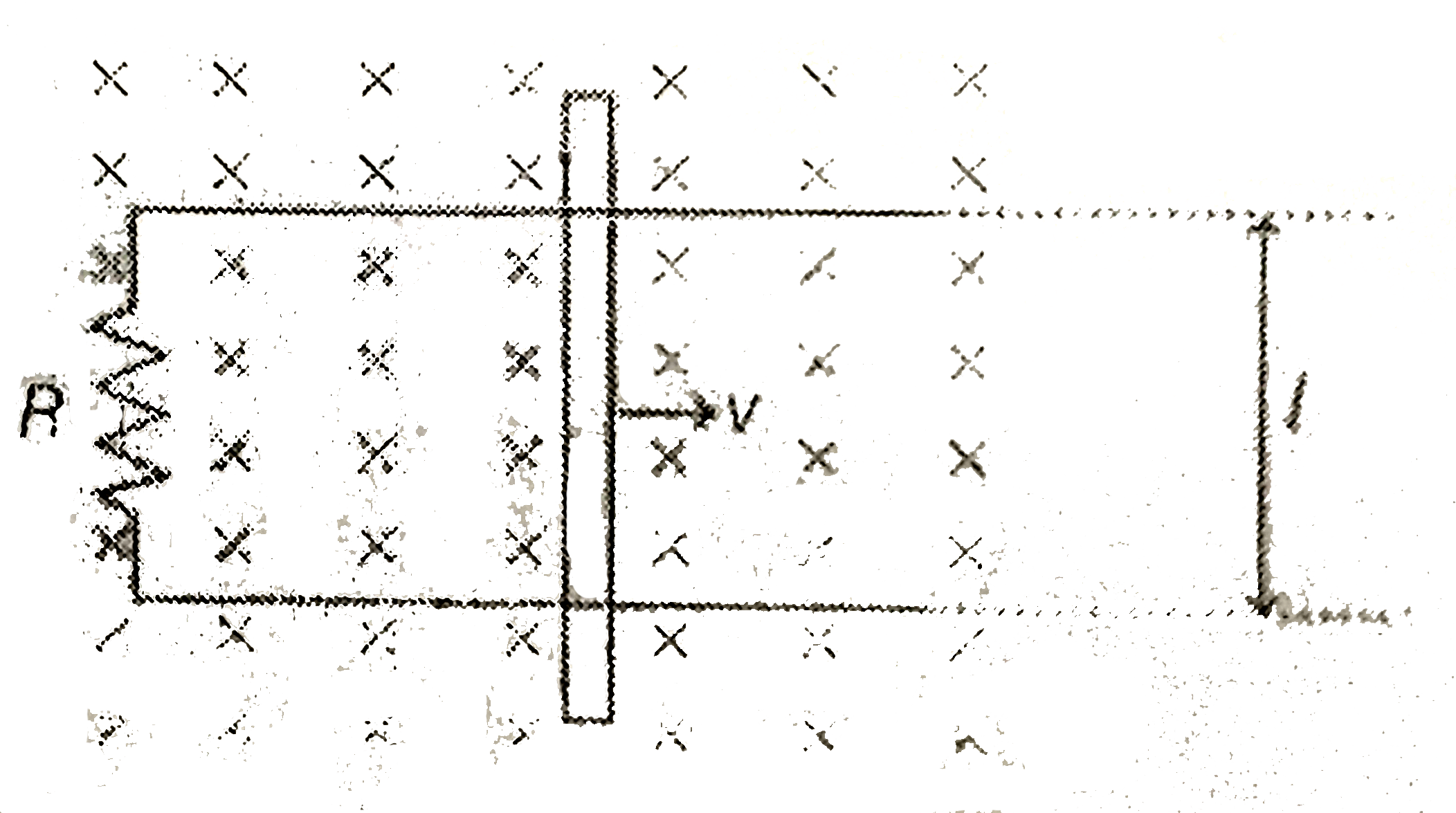
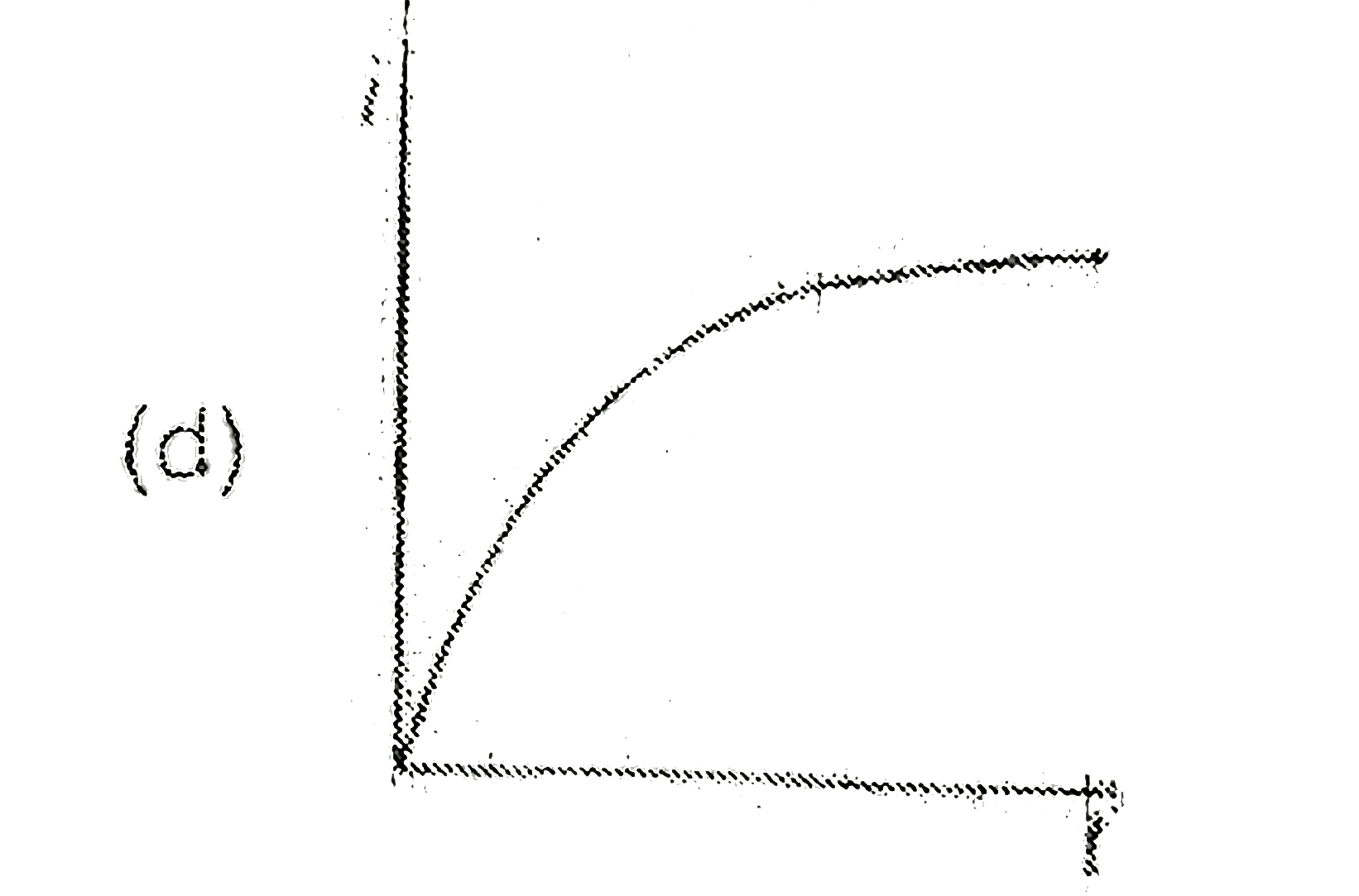
A conducting bar is slid at a constant velocity v along two conducting rods. The rods ar seprated by a distance l and connected across a resistor R. The entire apparatus is placed in an external magnetic field B directed into the page

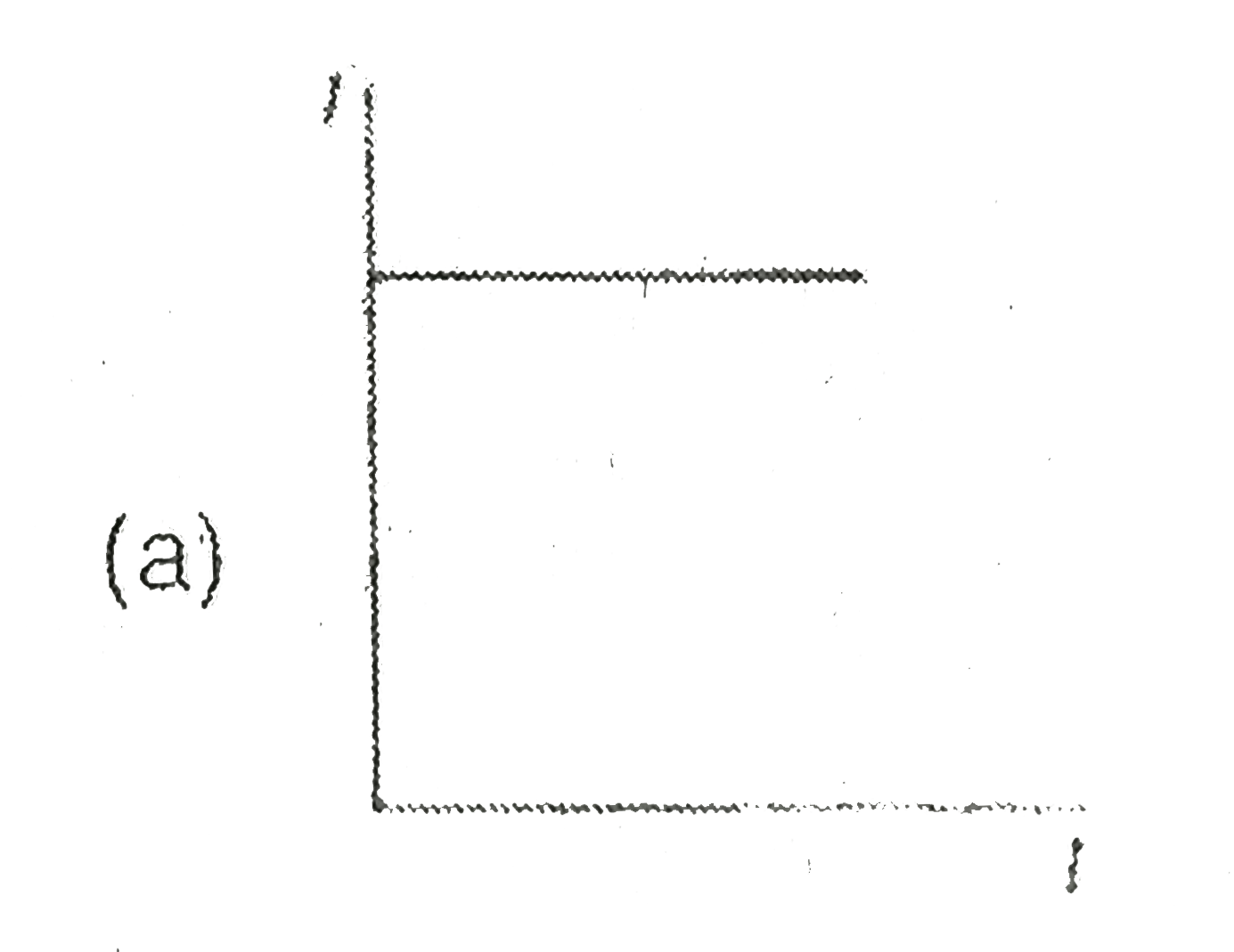
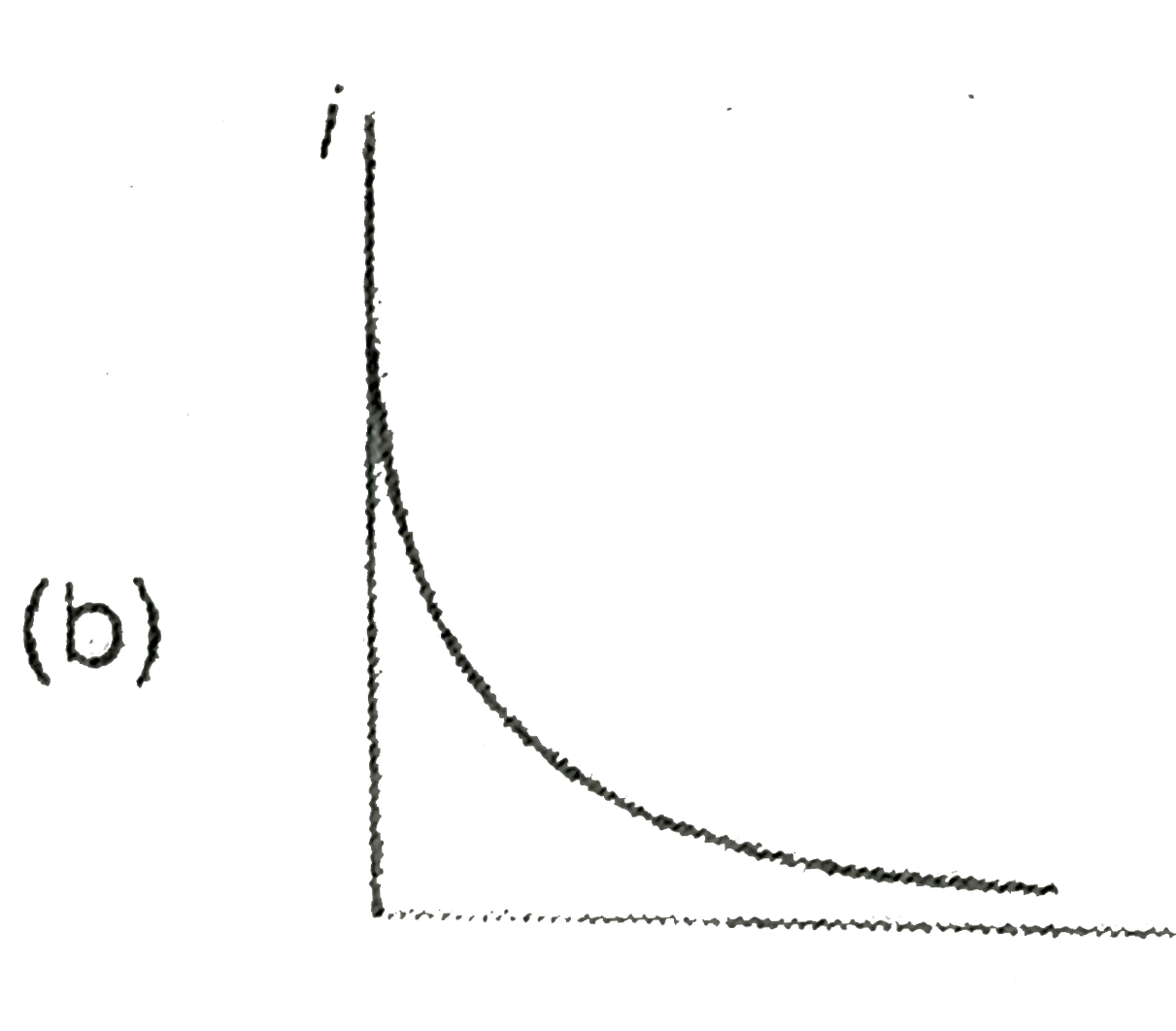
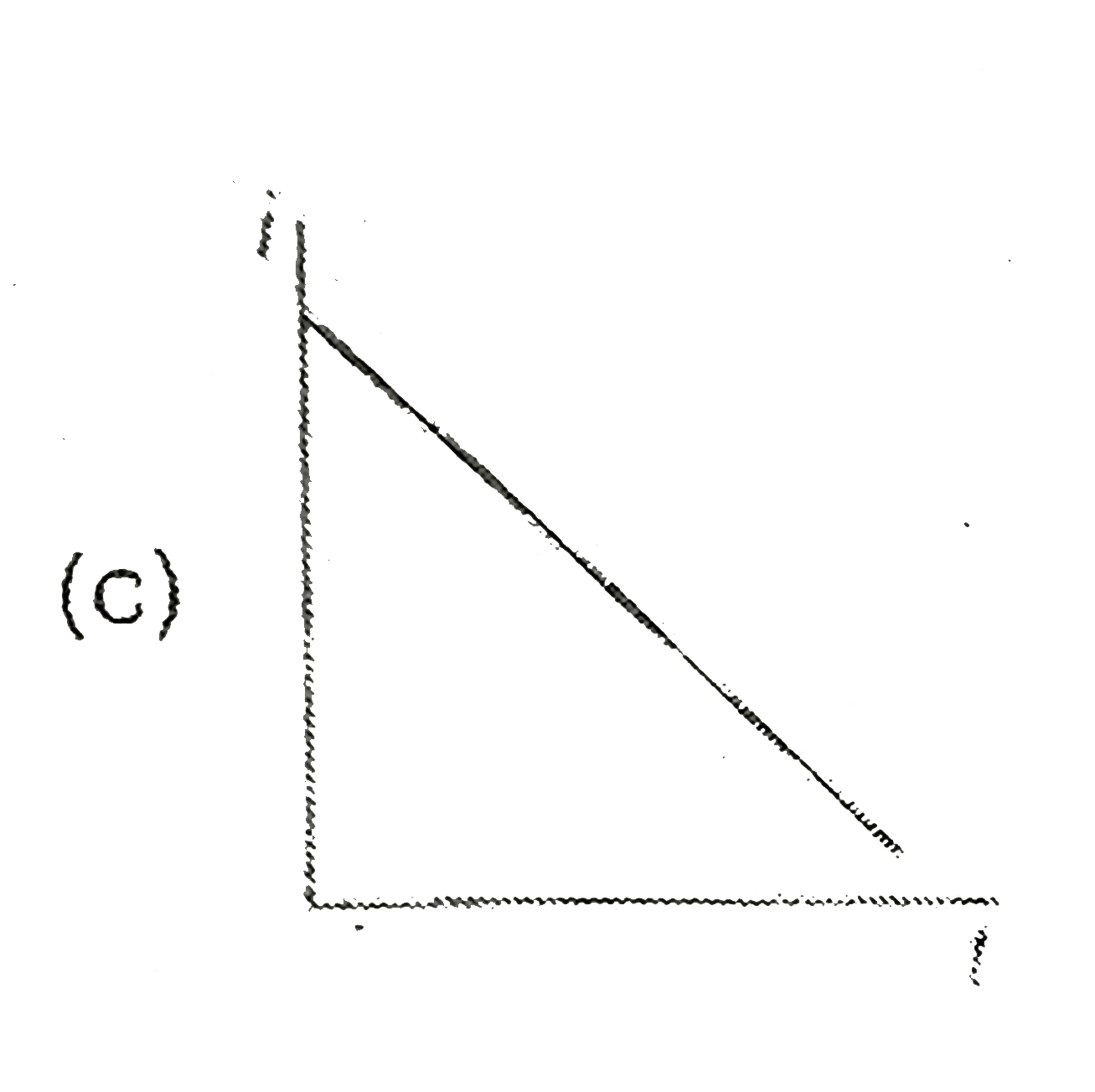
Which of the following represents the current i generated by the apparantus?

A

B

C

D

Text Solution

Verified by Experts

The correct Answer is:

A
Promotional Banner

Similar Questions

Explore conceptually related problems

A conducting bar is slid at a constant velocity v along two conducting rods. The rods ar seprated by a distance l and connected across a resistor R. The entire apparatus is placed in an external magnetic field B directed into the page An increase in which of the following would NOT increase the current generated by the apparatus?

A conducting bar is slid at a constant velocity v along two conducting rods. The rods ar seprated by a distance l and connected across a resistor R. The entire apparatus is placed in an external magnetic field B directed into the page The induced current in the above circuit is:

A conducting rod is moving with a constant velocity v over the parallel conducting rails which are connected at the ends through a resistor R and capacitor C as shown in the figure. Magnetic field B is into the plane. Consider the following statements. i. Current in loop AEFBA is anti clockwise, ii. Current in loop AEFBA is clockwise iii Current through the capacitor is zero iv Energy stored in the caspacitor is 1/2 CB^2L^2v^2 Which is the following options in correct?

A conducting rod is moved with a constant velocity v n a magnetic field. A potential difference appears across the two ends

A conducting bar of length L is free to slide on two parallel conducting rails as shown in the figure Two resistors R_(1) and R_(2) are connected across the ends of the rails. There is a uniform magnetic field vecB pointing into the page. An external agent pulls the bar to the left at a constant speed v. The correct statement about the directions of induced currents I_(1) and l_(2) flowing through R_(1) and R_(2) respectively is:

A conducting rod PQ of mass m and length l is placed on two long parallel (smooth and conducting) rails connected to a capacitor as shown. The rod PQ is connected to a non conducting spring of spring constant k , which is initially in relaxed state. The entire arrangement is placed in a magnetic feild perpendicular to the plane of figure. Neglect the resistance of the rails and rod. Now, the rod is imparted a velocity v_(0) towards right, then acceleration of the rod as a function of its displacement x given by

A conducting rod of length is moved at constant velocity v_(0) on two parallel, conducting, smooth, fixed rails, that are placed in a uniform constant magnetic field B perpendicular to the plane for the rails as shown in Fig. A resistance R is connected between the two ends of the rails. Then which of the following is/are correct:

Two straight conducting rails form a right angle where their ends are joined. A conducting bar in contact with the rails starts at the vertex at time t = 0 and moves with constant velocity v along them as shown in Fig. A magnetic field vec(B) is directed into the page. the induced emf in the circuit at any time t is proportional to

A conducting rod, with a resistor of resistance R. is pulled with constant speed v on a smooth conducting rail as shown in figure. A constant magnetic field vecB is directed into the page. If the speed of the bar is doubled, by what factor does the rate of heat dissipation across the resistance R change?
