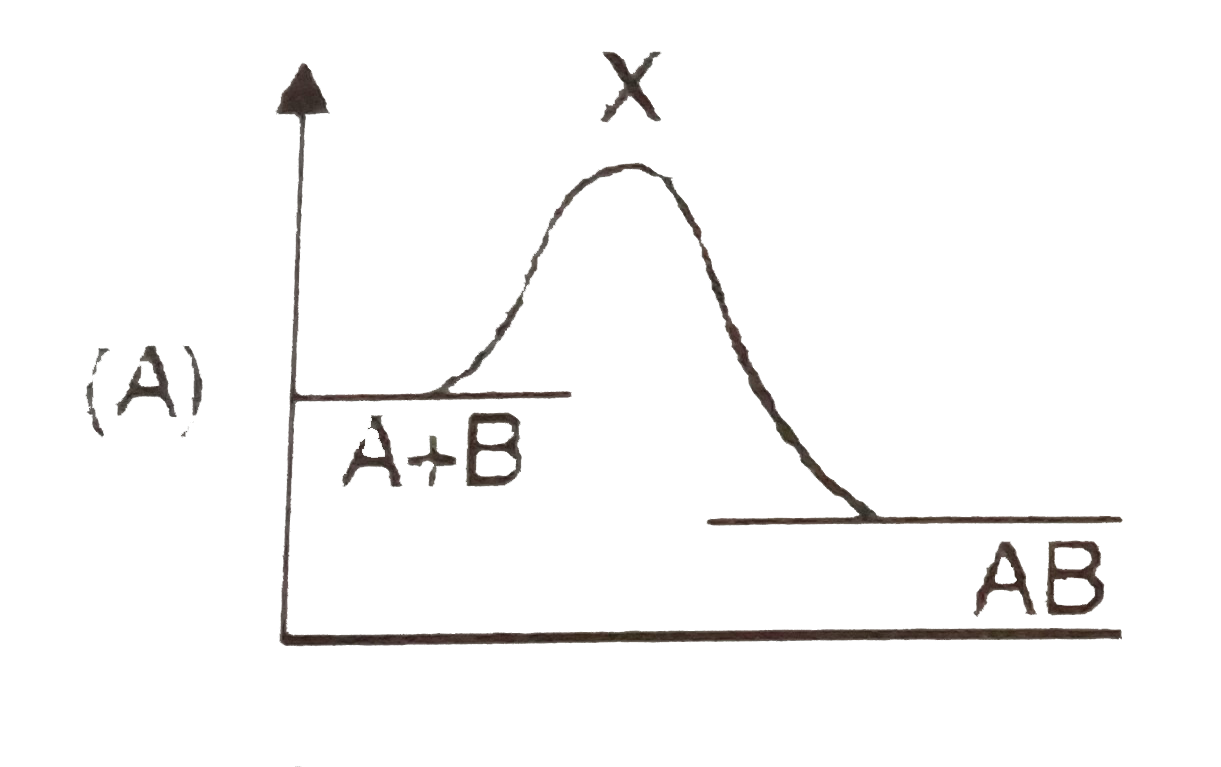
A
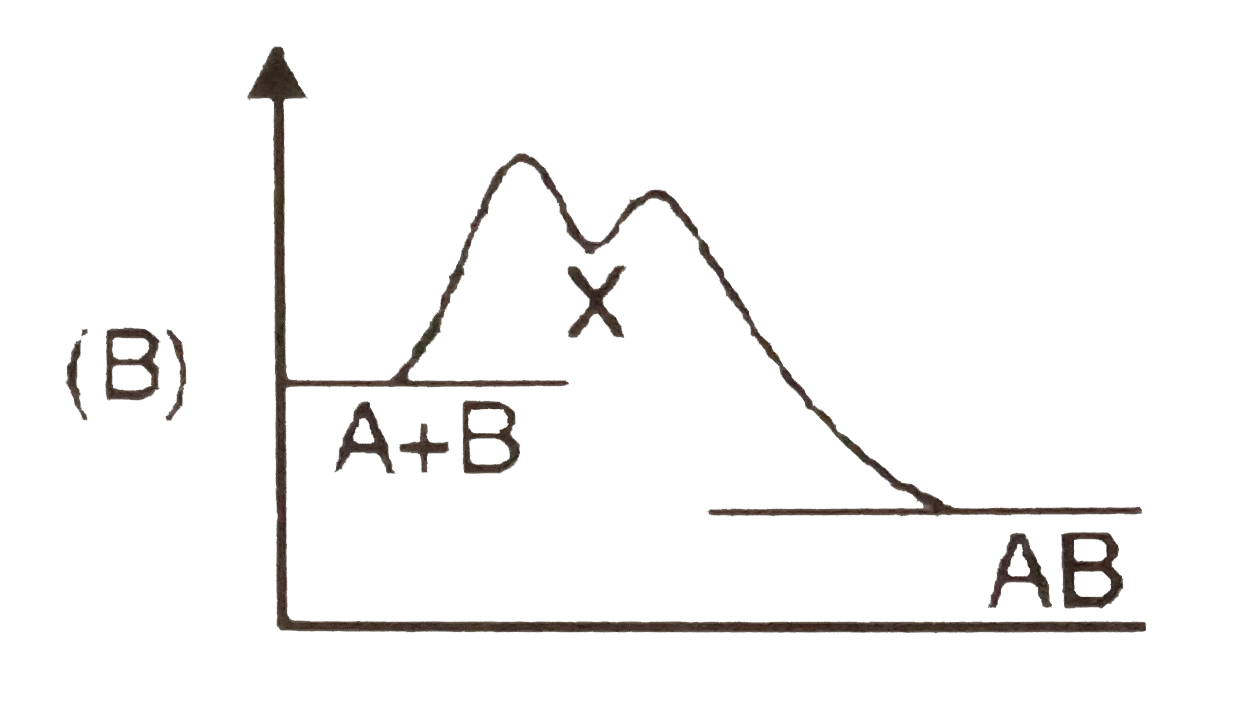
B
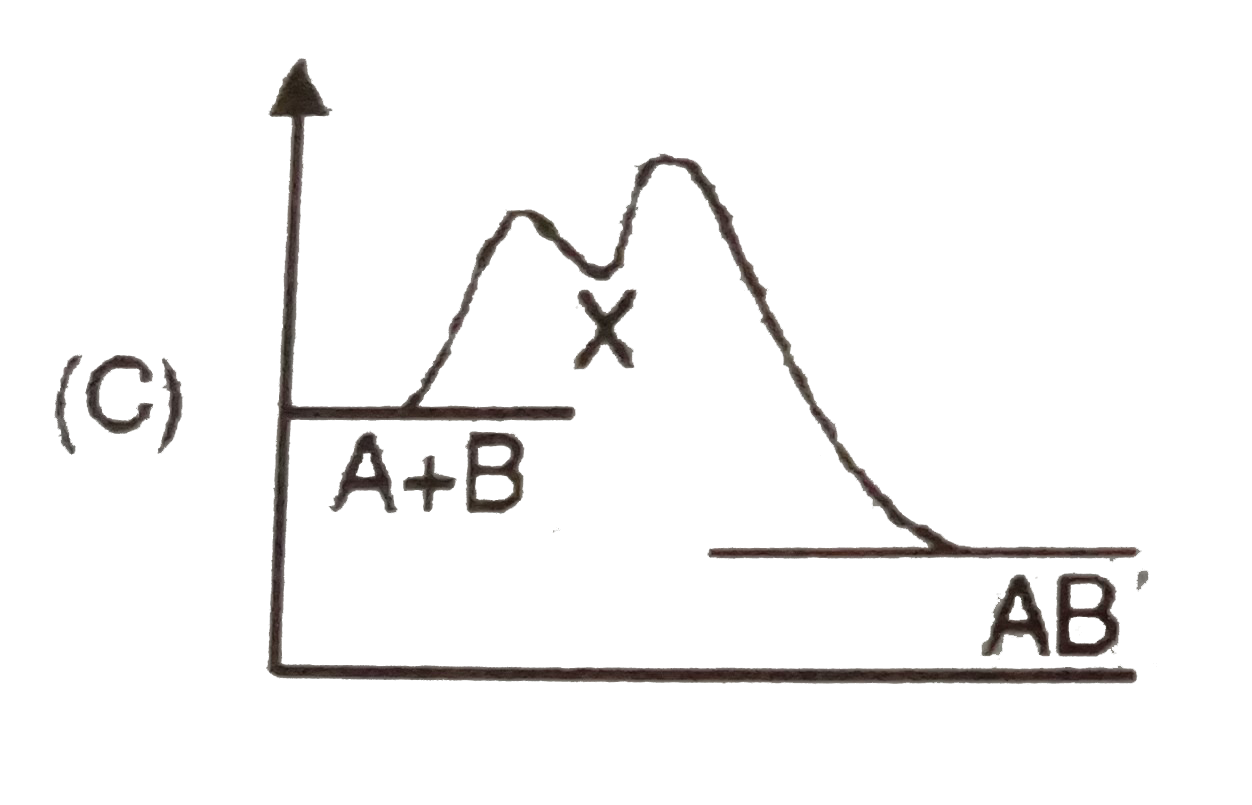
C
D
Text Solution
Verified by Experts
The correct Answer is:



Topper's Solved these Questions
RATES OF REACTIONS AND CHEMICAL KINETICS
DINESH PUBLICATION|Exercise Revision Question|168 VideosRATES OF REACTIONS AND CHEMICAL KINETICS
DINESH PUBLICATION|Exercise Selected Straight|49 VideosPHYSICAL AND CHEMICAL EQUILIBRIA
DINESH PUBLICATION|Exercise ULTIMATE PREPARATORY PACKAGE|13 VideosREDOX REACTIONS
DINESH PUBLICATION|Exercise Reasoning Type Questions|4 Videos
Similar Questions
Explore conceptually related problems
DINESH PUBLICATION-RATES OF REACTIONS AND CHEMICAL KINETICS-Ultimate Preparatory Package
- For an exothermic chemical process occurring in two as (i) A + B rar...
Text Solution
|
- The general expression for half life period of an nth order reaction ...
Text Solution
|
- The general expression for rate constant k for an nth order reaction ...
Text Solution
|
- Which of the following will react faster (i.e., produce more product m...
Text Solution
|
- The hydrolysis of methyl acetate in alkaline solution CH(3)COOH(3)+O...
Text Solution
|
- A viral preparation was inactivated in a chemical bath. The inactivate...
Text Solution
|
- If initial concentration of ethyl acetate is 0.50 M it is hydrolysed w...
Text Solution
|
- The hypothetical reaction A+B rarr C is first order with respect to ea...
Text Solution
|
- A certain reaction A+B rarr C is first order with respect to each reac...
Text Solution
|
- The decomposition of N(2)O into N(2) and O in the presence of gaseous ...
Text Solution
|
- The rate constant for the first order decomposition of ethylene oxide ...
Text Solution
|
- A substance X decomposes in solution following the first order kinetic...
Text Solution
|
- In a second order reaction, first order in each reactant A and B, whic...
Text Solution
|
- For a first order reaction, the ratio of time for the completion of 99...
Text Solution
|
- For the reaction R rarr P when concentration of R is made double the r...
Text Solution
|
- The chemical reaction 2O(3) overset(k(1))rarr 3O(2) proceeds as follow...
Text Solution
|
- The concentration of a reactant in solution falls from (i) 0.5 M to 0....
Text Solution
|
- In a particular reaction t(1//2) was found to increase 16 times when i...
Text Solution
|
- For a zero order reaction a graph of conc. (along Y axis) and time (al...
Text Solution
|
- The rate constant of a zero order reaction is 0.2 mol dm^(-3) "min"^(-...
Text Solution
|
- For a hypothetical reaction R rarr P the rate constant is 2944.06 s^(-...
Text Solution
|