Home
Class 12
CHEMISTRY
Plots showing the variation of the rate ...

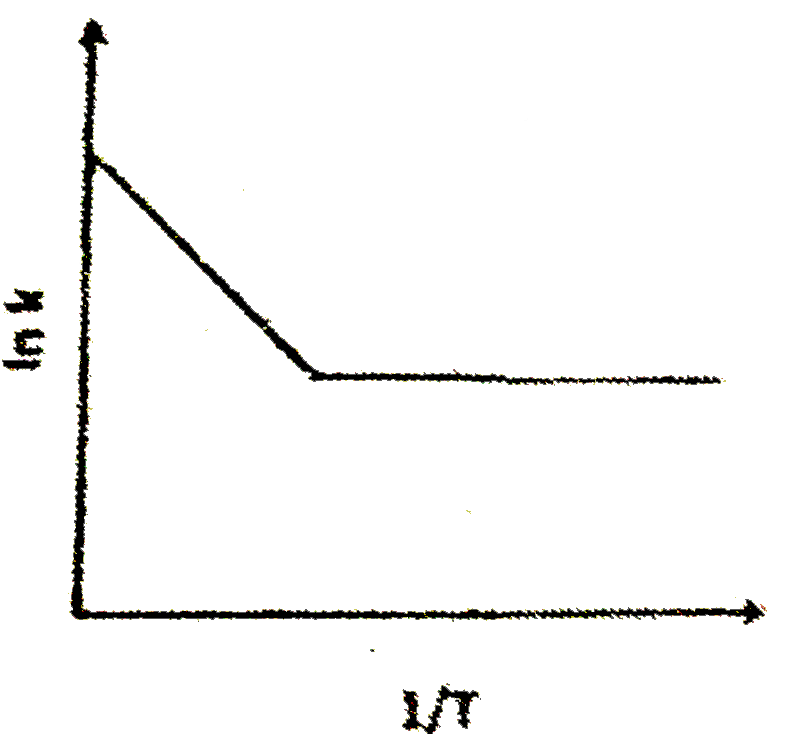
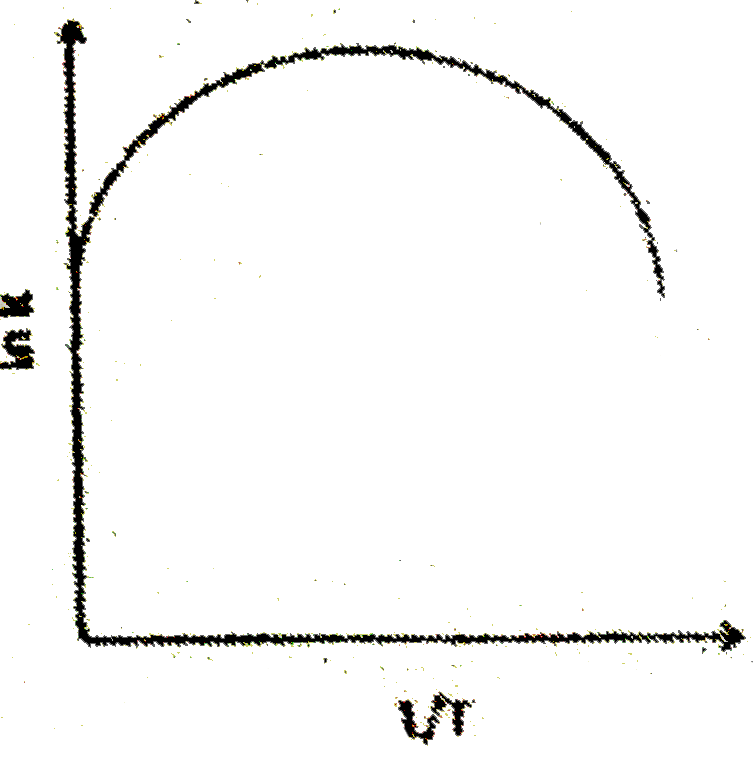
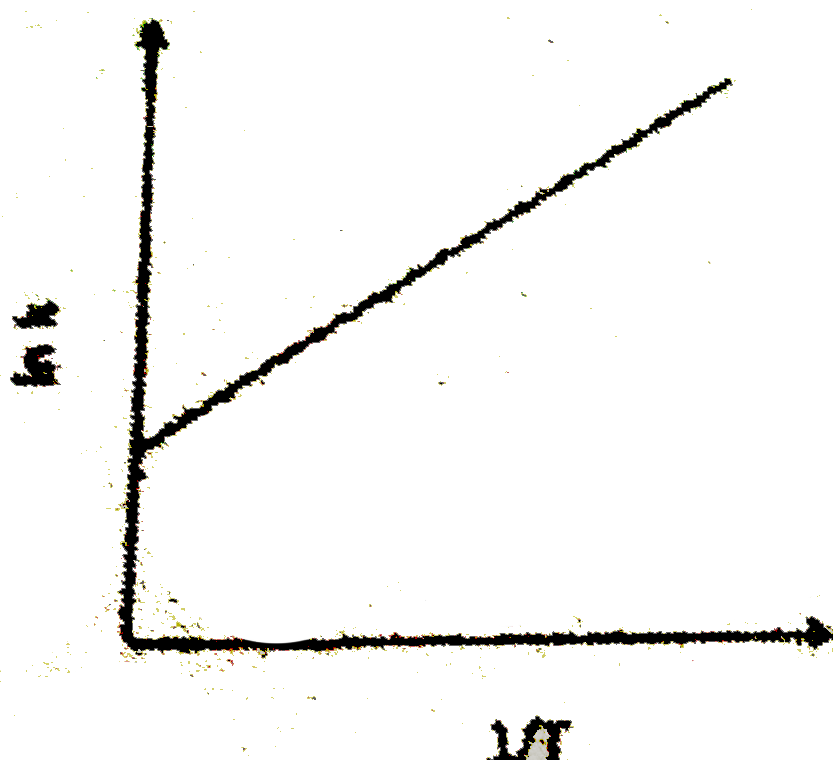
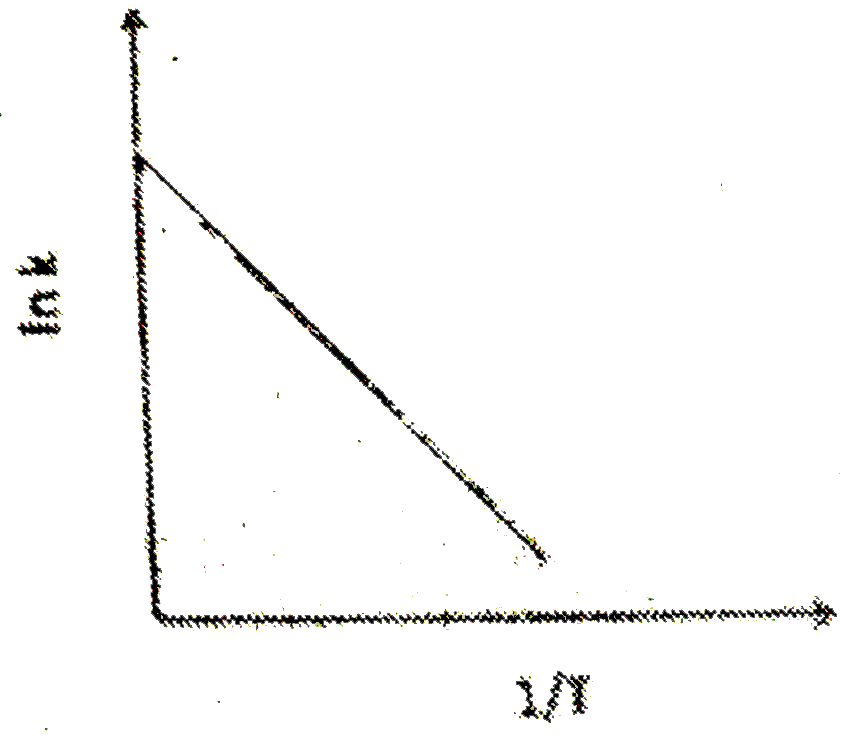
Plots showing the variation of the rate constant `(k)` with temperature `(T)` are given below. The plot that follows the Arrhenius equation is

A

B

C

D

Text Solution

Verified by Experts

The correct Answer is:

D

`K=Ae^(-)(E_(0))/(RT)`
`ln K =ln A-(E_(0))/(RT)`
Promotional Banner

Similar Questions

Explore conceptually related problems

Which of the following graph is incorrect for variation of rate constant (K) with temperature for a reaction obeying Arrhenius equation ?

Accroding to Arrhenius equation, the rate constnat (k) is related to temperature (T)as

The variation of rate constant with temperature can be explained by Arrhenius equation. However , the can be explained by Activation energy is found to be temperature dependent/In such cases (d "in" K)/(dT)=(E_(a))/(RT^(2)) should be used to predict variation of rate constant with tempreature. On the basic of this information , answer the question that follow : If Arrhenius constant and E_(a) (activation energy0 are assumed to be constant then which of the following graph will be correct

Which one of the following given graphs represents the variation of rate constant (k) with temperature (t) for an endothermic reaction ?

Which one of the following given graphs represents the variation of rate constant (k) with temperature (f) for an endothermic reaction ?

The variation of rate constant with temperature is given by the integrated from of the Arrhenius equation, log_10k = (-Ea)/(2.303 RT) + constant where k = rate cosntant and Ea is the experimental activation energy. If for a certain reaction, log_10k = (-3163.0)/T + 11.899 , calculate Ea.

The variation of rate constant with temperature can be explained by Arrhenius equation. However , the can be explained by Activation energy is found to be temperature dependent/In such cases (d"in"K)/(dT)=(E_(a))/(RT^(2)) should be used to predict variation of rate constant with tempreature. On the basic of this information , answer the question that follow : If for a reaction in K=20-(20)/(T)+3 in T then E_(a) at 300 K will be
