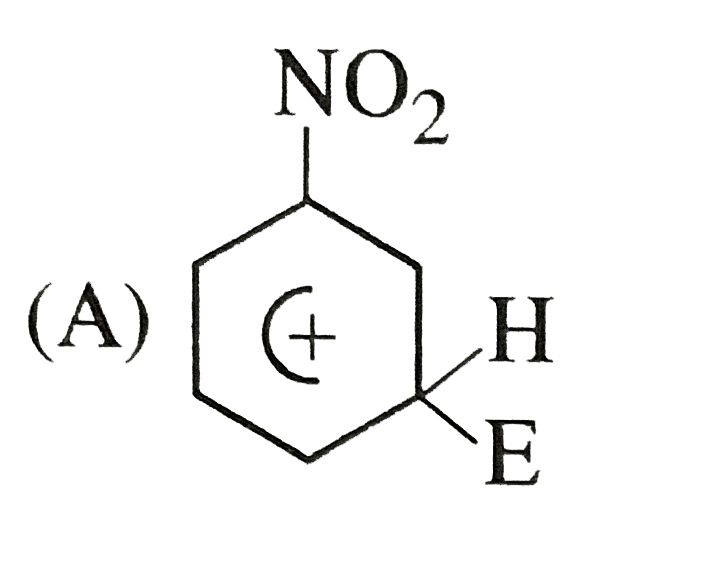
A
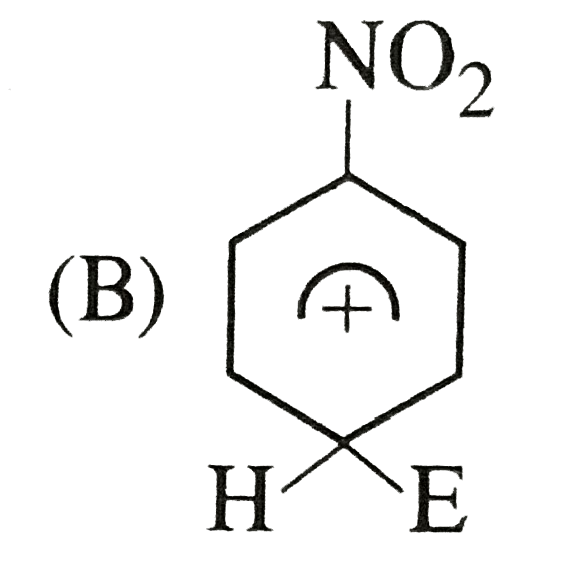
B
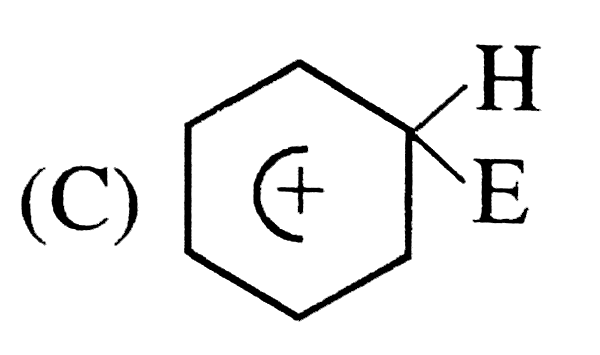
C
D

Text Solution
Verified by Experts
The correct Answer is:



Topper's Solved these Questions
Similar Questions
Explore conceptually related problems
DINESH PUBLICATION-HYDROCARBONS-All Questions
- The hydrocarbon which can react with sodium in liquid ammonia is
Text Solution
|
- The treatment of CH(3)MgX with CH(3)-C-=C-H produces
Text Solution
|
- The electrophile, E^((o+)) attacks the benzene ring to generate the in...
Text Solution
|
- In the following sequence of reactions, the alkene affords the compoun...
Text Solution
|
- The state of hybrization of C(2), C(3), C(5) and C(6) of the hydrocarb...
Text Solution
|
- Liquid hydrocarbon can be converted to a mixture of gaswous hydrocarbo...
Text Solution
|
- In the following the most stable conformation m-butane is:
Text Solution
|
- The synthesis of 3-octyne is achieved by adding a bromoalkane into a m...
Text Solution
|
- An ethereal solution of an alkyl halide preferably the bromide of iodi...
Text Solution
|
- An ethereal solution of an alkyl halide preferably the bromide of iodi...
Text Solution
|
- An ethereal solution of an alkyl halide preferably the bromide of iodi...
Text Solution
|
- An ethereal solution of an alkyl halide preferably the bromide of iodi...
Text Solution
|
- Assertion : Acetylene on reacting with sodamide gives sodium acetylide...
Text Solution
|
- Assertion(A):Benzene does not show electrophilic addition reaction: ...
Text Solution
|
- Assertion(A):CH(3)C-=CH is more than CH(3)CH=CH(2) Reason:sp-carbon...
Text Solution
|
- Assertion : Propene reacts with HBr in presence of benzoyl peroxide to...
Text Solution
|
- Assertion: Addition of Br(2) to 1-butane gives two optical isomers. ...
Text Solution
|
- Assertion(A):The nitrating reagent for carrying out nitration of benze...
Text Solution
|
- The dehydration of 2-Methyl butanol with conc. H(2)SO(4) gives
Text Solution
|
- In the reaction given below, X is Neopentyl alcohol overset(H(2)SO(4...
Text Solution
|