A
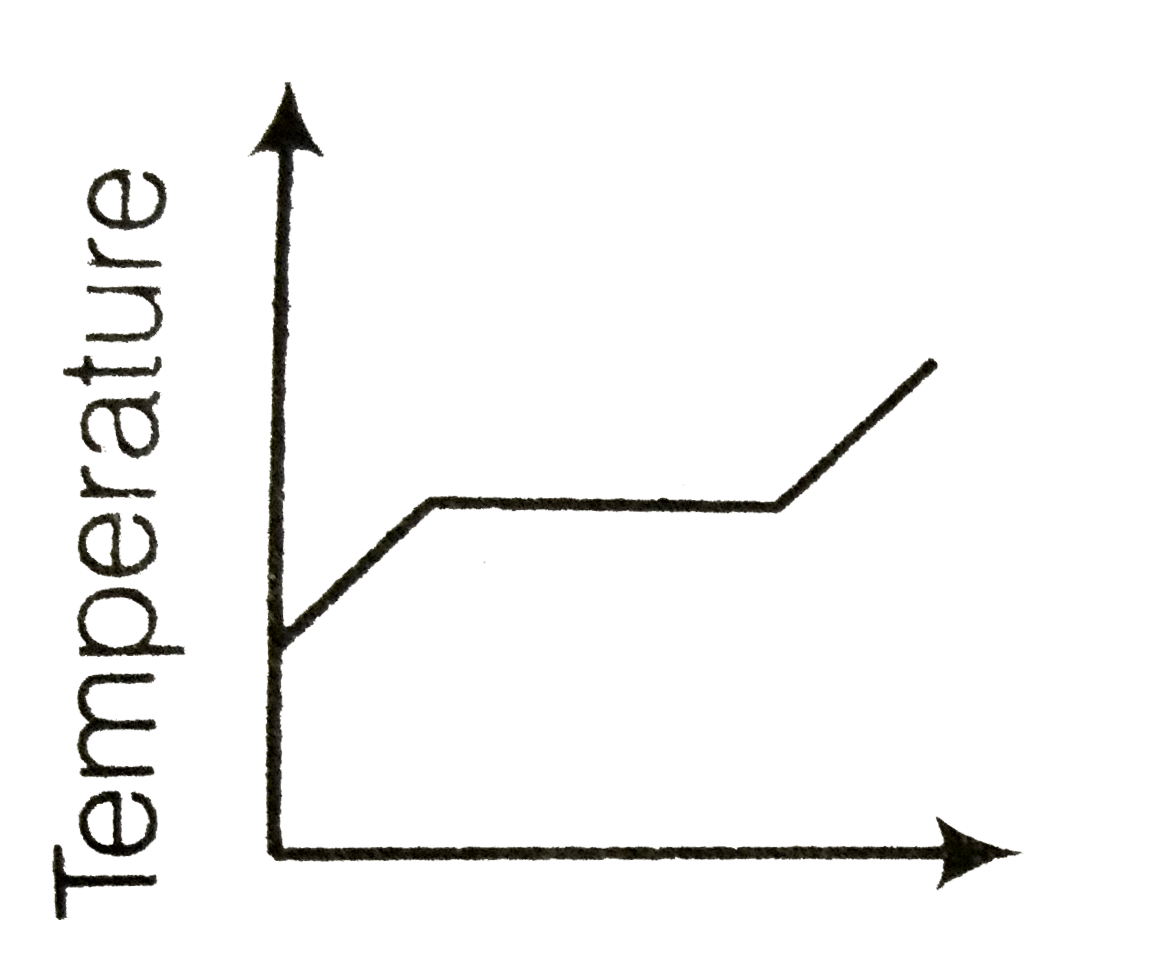
B
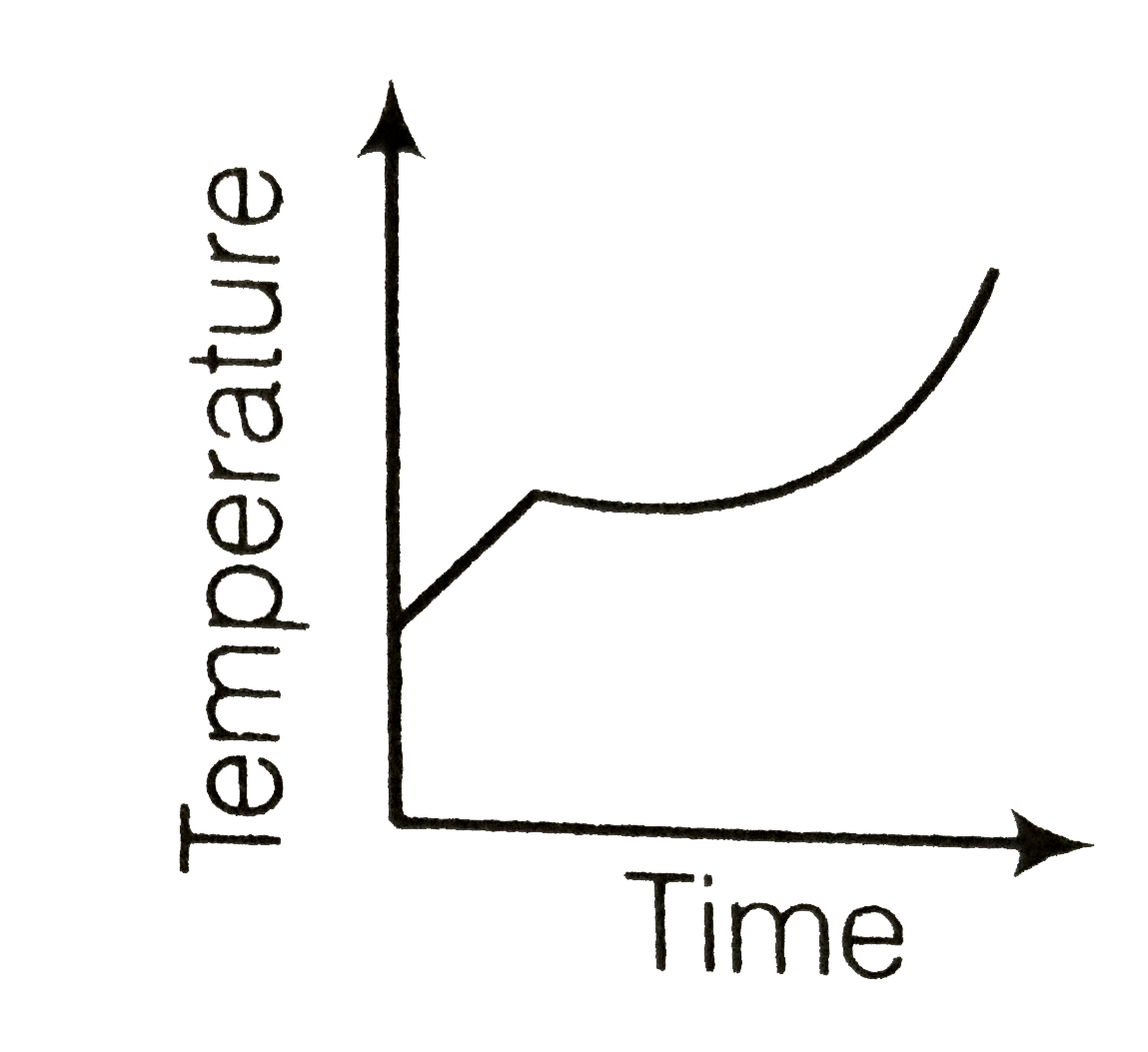
C
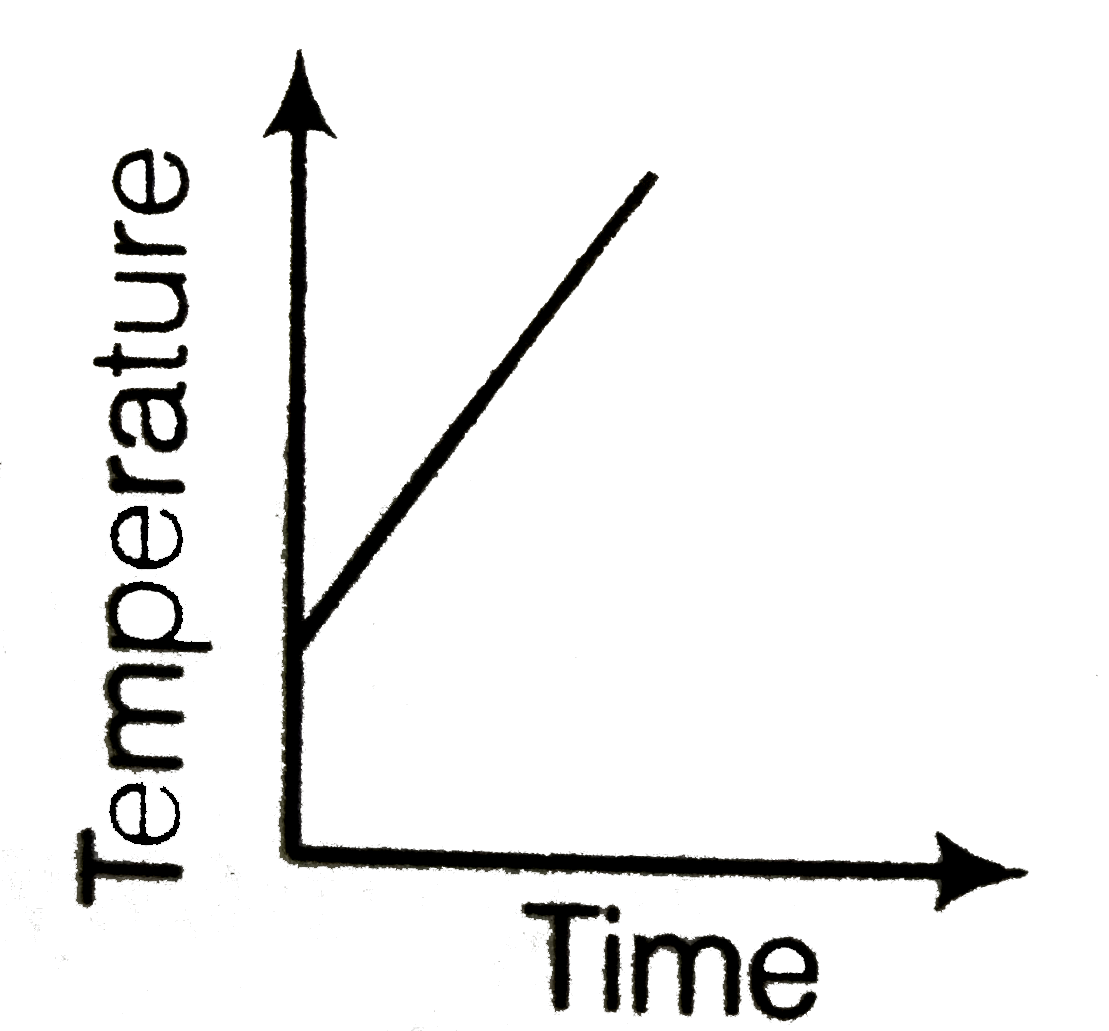
D
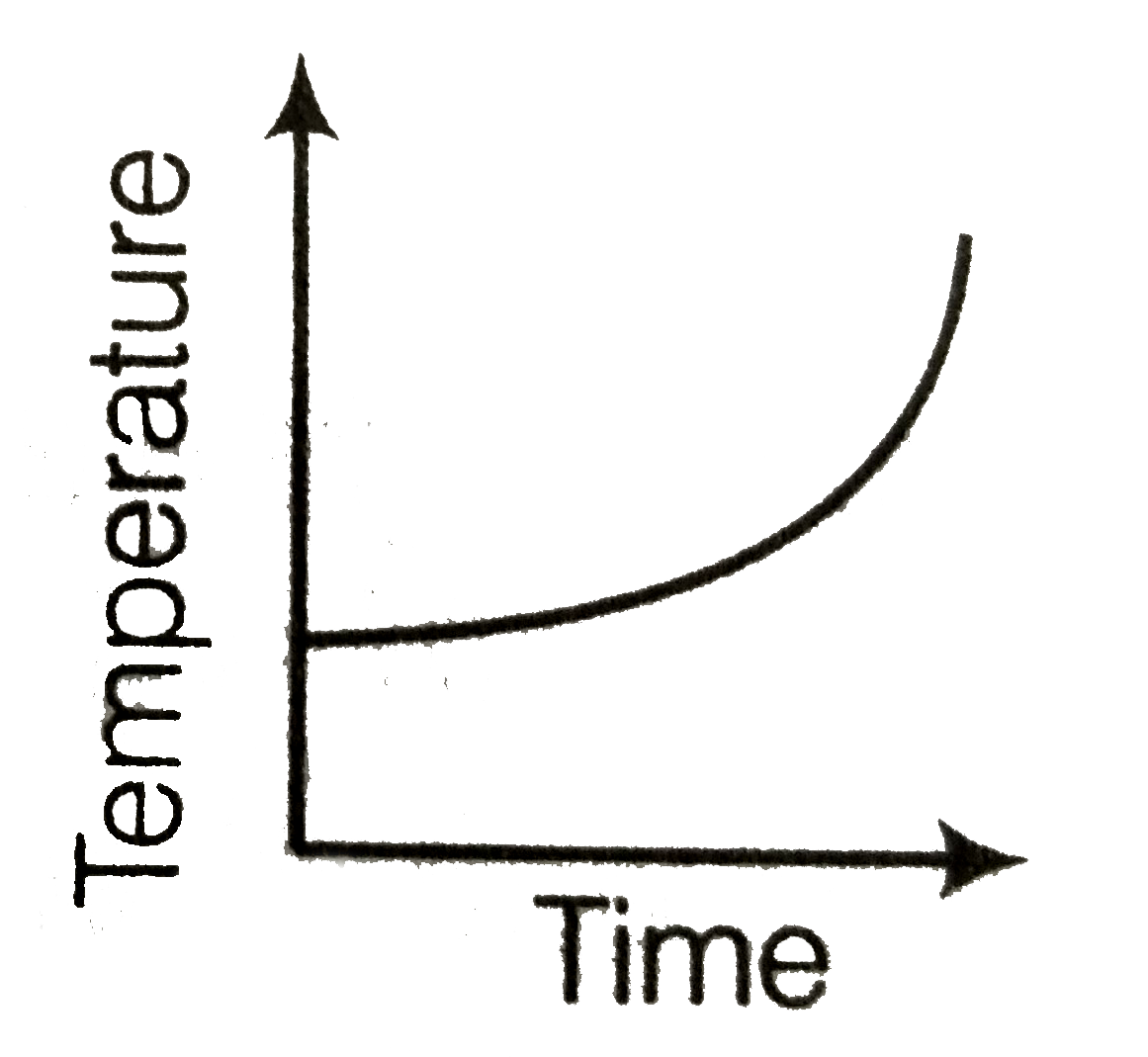
Text Solution
Verified by Experts
The correct Answer is:



Topper's Solved these Questions
Similar Questions
Explore conceptually related problems
NEET PREVIOUS YEAR (YEARWISE + CHAPTERWISE)-HEAT AND THERMODYNAMICS-PHYSICS
- If the radius of a star is R and it acts as a black body, what would b...
Text Solution
|
- One mole of an ideal gas goes from an initial state A to final state B...
Text Solution
|
- Liquid oxygen at 50 K is heated to 300 K at constant pressure of 1 atm...
Text Solution
|
- When 1 kg of ice at 0^(@)C melts to water at 0^(@)C, the resulting cha...
Text Solution
|
- During an isothermal expansion, a confined ideal gas does -150 J of wo...
Text Solution
|
- If DeltaU and Delta W represent the increase in internal energy and wo...
Text Solution
|
- A cylindrical metallic rod in thermal contact with two reservation of ...
Text Solution
|
- A black body at 227^(@)C radiates heat at the rate of 7 cal cm^(-2) s...
Text Solution
|
- In thermodynamic processes which of the following statement is not tru...
Text Solution
|
- The two ends of a rod of length L and a uniform cross-sectional area A...
Text Solution
|
- The internal energy change in a system that has absorbed 2 kcal of hea...
Text Solution
|
- At 10^(@)C, the value of the density of a fixed mass of an ideal gas d...
Text Solution
|
- If Q, E and W denote respectively the heat added, change in internal e...
Text Solution
|
- On a new scale of temperature (which is linear) and called the W scale...
Text Solution
|
- An engine has an efficiency of 1/6. When the temperature of sink is re...
Text Solution
|
- A black body is at 727^(@)C. It emits energy at a rate which is propor...
Text Solution
|
- Assuming the sun to have a spherical outer surface of radius r radiati...
Text Solution
|
- The molar specific heat at constant pressure of an ideal gas is (7//2 ...
Text Solution
|
- A black body at 1227^(@)C emits radiations with maximum intensity at a...
Text Solution
|
- A Carnot engine whose sinl is at 300K has an efficiency of 40%. By how...
Text Solution
|