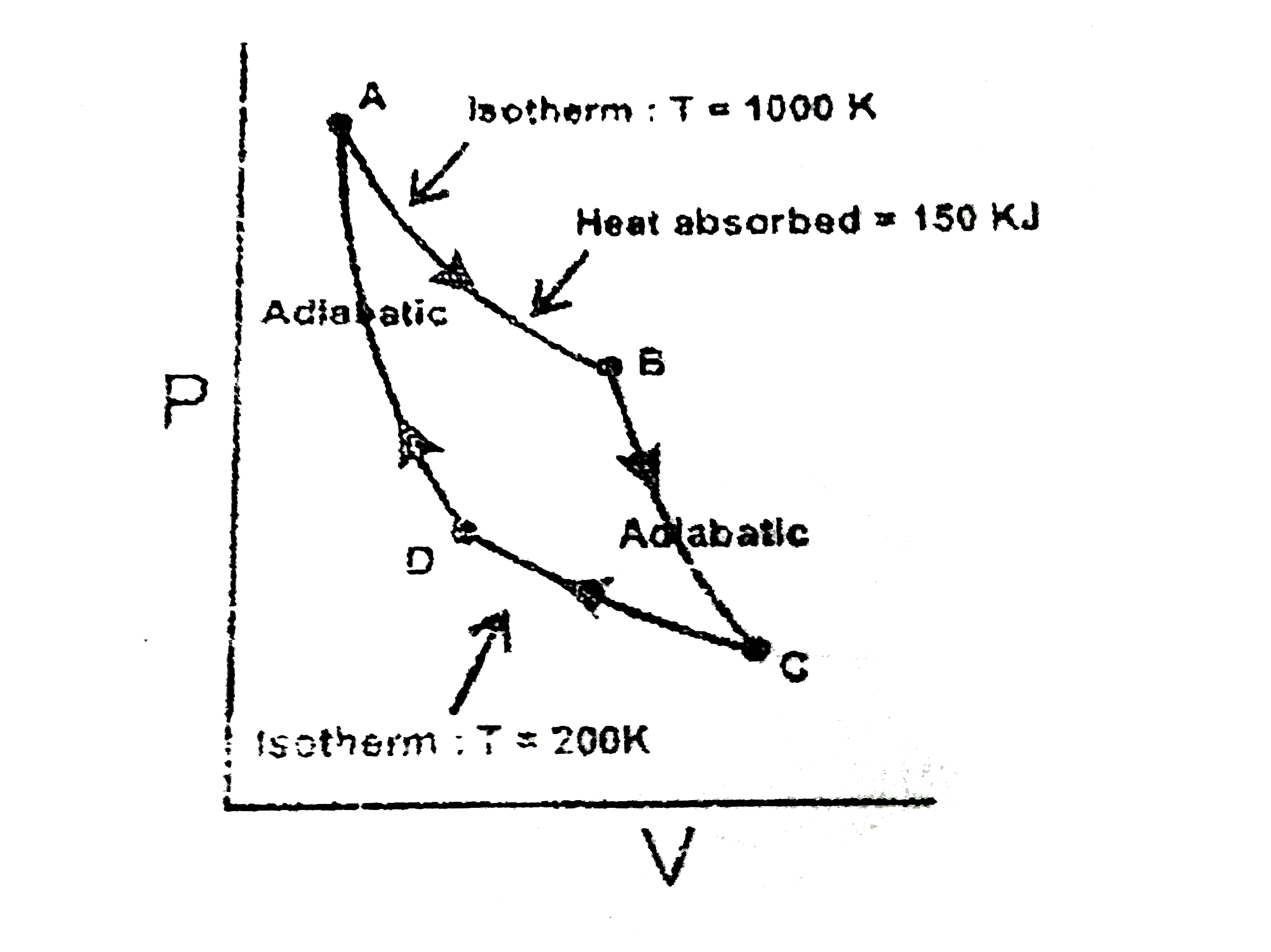
A
B
C
D
Text Solution
Verified by Experts
The correct Answer is:



Topper's Solved these Questions
THERMODYNAMICS AND THERMOCHEMISTRY
FIITJEE|Exercise MATRIX-MATCH TYPE|6 VideosTHERMODYNAMICS AND THERMOCHEMISTRY
FIITJEE|Exercise (MATCHING LIST TYPE QUESTIONS)|5 VideosTHERMODYNAMICS AND THERMOCHEMISTRY
FIITJEE|Exercise ASSIGNMENT PROBLEMS (OBJECTIVE) COMPREHENSION -II|5 VideosTEST PAPERS
FIITJEE|Exercise CHEMISTRY|747 VideosTRANSITION ELEMENTS & COORDINATION COMPOUNDS
FIITJEE|Exercise MATCHIG LIST TYPE QUESTIONS|1 Videos
Similar Questions
Explore conceptually related problems
FIITJEE-THERMODYNAMICS AND THERMOCHEMISTRY -ASSIGNMENT PROBLEMS (OBJECTIVE) COMPREHENSION -III
- The second law of thermodynamics is a fundamental law of science. In t...
Text Solution
|
- The second law of thermodynamics is a fundamental law of science. In t...
Text Solution
|
- Following problem is based on thermodynamic law. Answer the questions ...
Text Solution
|
- Following problem is based on thermodynamic law. Answer the questions ...
Text Solution
|
- The accompanying diagram represents a reversible cannot cycle for an i...
Text Solution
|
- The accompanying represents a reversible camot cycle for an ideal gas:...
Text Solution
|