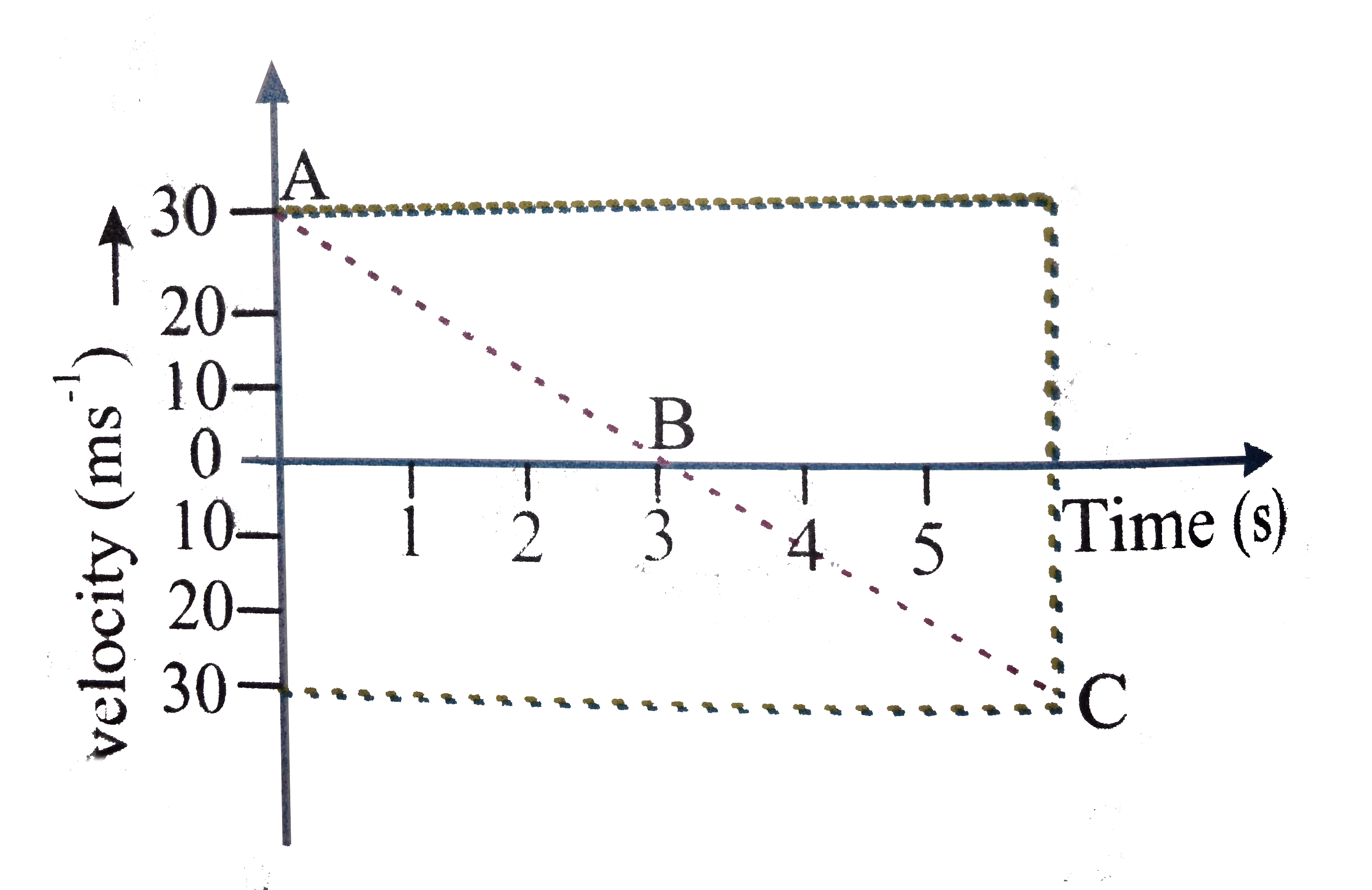
A
B
C
D
Text Solution
Verified by Experts
The correct Answer is:



Similar Questions
Explore conceptually related problems
Recommended Questions
- The velocity-time graph of a stone thrown vertically upward with an in...
Text Solution
|
- The velocity-time graph of a stone thrown vertically upward with an in...
Text Solution
|
- From the top of a tower, a stone A is thrown upwards and a stone B is ...
Text Solution
|
- Draw a velocity versus time graph of a stone thrown vertically upwards...
Text Solution
|
- A stone is thrown upwards and it rises to a height 0f 200m. The relati...
Text Solution
|
- किसी पत्थर को 40 m /s के प्रारंभिक वेग से उर्ध्वार्धर दिशा में ऊपर कि ...
Text Solution
|
- A stone is thrown in a vertically upward direction with a velocity of ...
Text Solution
|
- एक पत्थर को ऊर्ध्वाधर ऊपर की ओर पृथ्वी तल से फेंका जाता है, जब पत्थर (...
Text Solution
|
- A stone is thrown in a vertically upward direction with a velocity of ...
Text Solution
|